Castles in Belgium: Explore Moated Residences, Riverfront Towers and Artillery Forts
Castles in Belgium range from brick residences surrounded by water to stone hilltop strongholds and concrete artillery installations. Moats, gatehouses and towers recur across the collection, but their relationship to the buildings changes: some protect a compact residence, while others belong to a fortress designed around guns and covered chambers.
The wider castle and residence group includes these forts alongside castles. The examples below focus on substantial structures and their alterations, including a surviving riverfront gatehouse, a twentieth-century castle reconstruction and a military fort later used as a Nazi detention camp.
Primary Function: All
Type: All
Civilization: All
Popularity: All
Rating: All
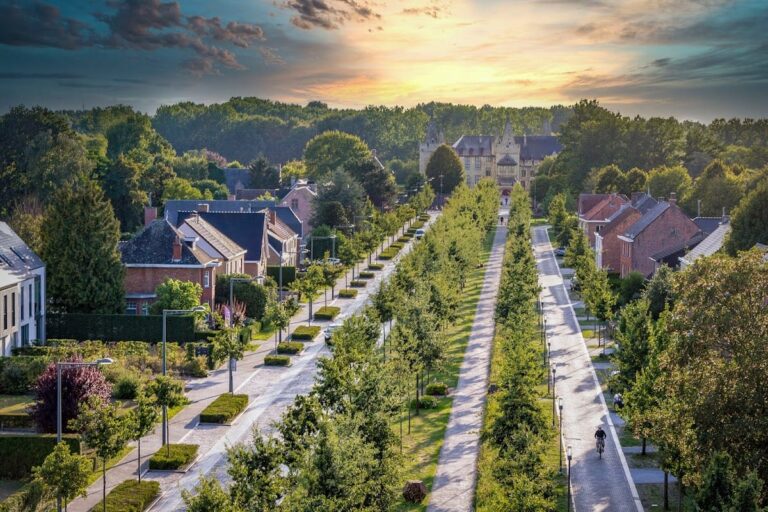
Kasteel van Laarne developed from a 12th-century fortification into a castle defending the approaches to Ghent. Its surviving medieval defenses,…

The Fortifications of Diest preserve the remains of a nineteenth-century defensive system that replaced the city’s medieval walls and included…
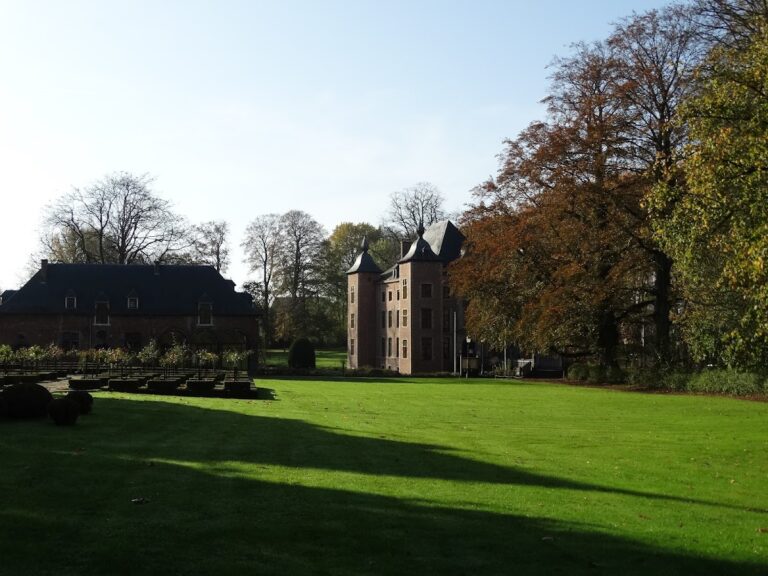
Kasteel Coloma in Sint-Pieters-Leeuw developed from a sixteenth-century military fortress into an eighteenth-century classical country residence and…
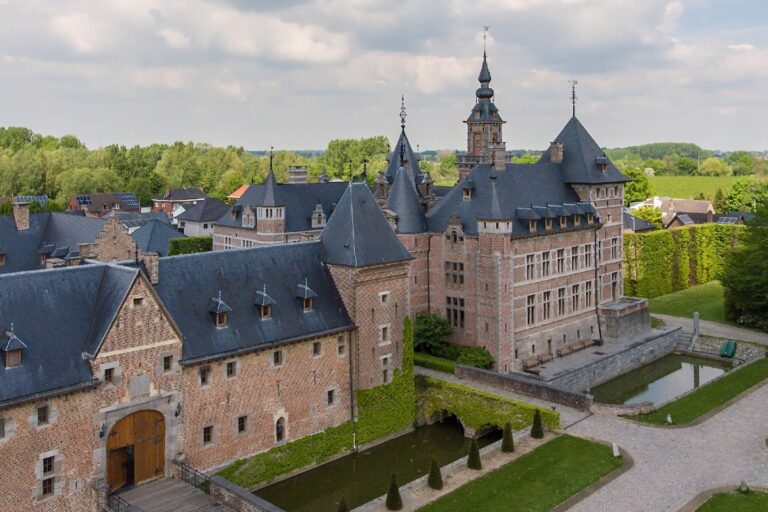
Kasteel van Ordingen in Sint-Truiden developed from an eleventh-century frontier water fortress into a Teutonic Order commandery and later a…
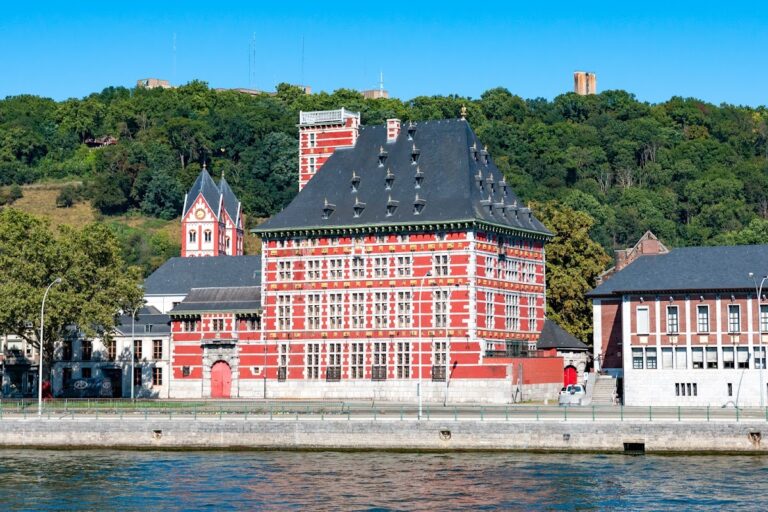
Curtius Palace in Liège was built around 1600 for the industrialist and munitions contractor Jean Curtius. After changing ownership and undergoing…
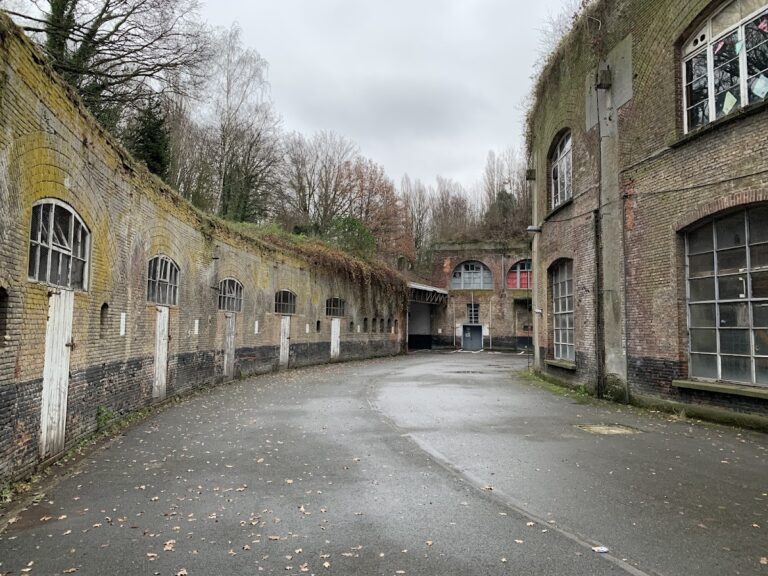
Fort 2 is a 19th-century fort in Wommelgem, Belgium, built between 1860 and 1864 as part of Antwerp’s Brialmont defensive ring. Its historic…
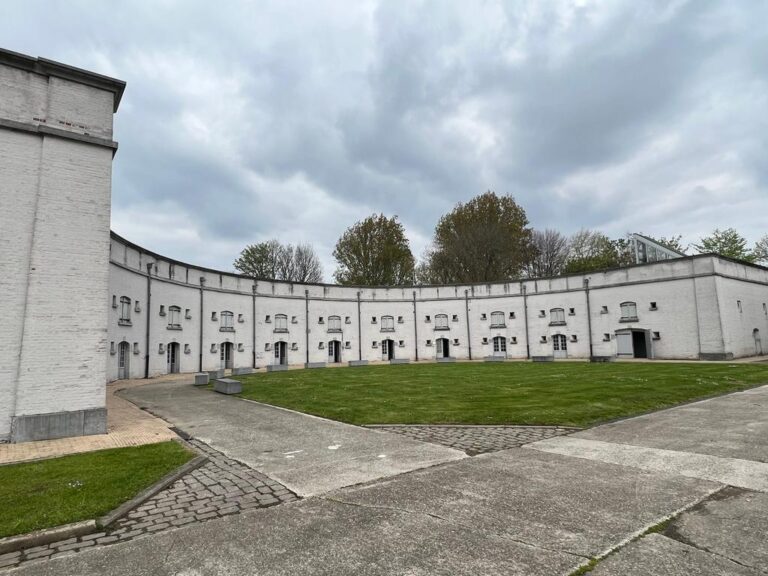
Fort Liefkenshoek guarded shipping on the Scheldt opposite Fort Lillo, served Dutch, Austrian, French, Belgian, and naval purposes, and survives…
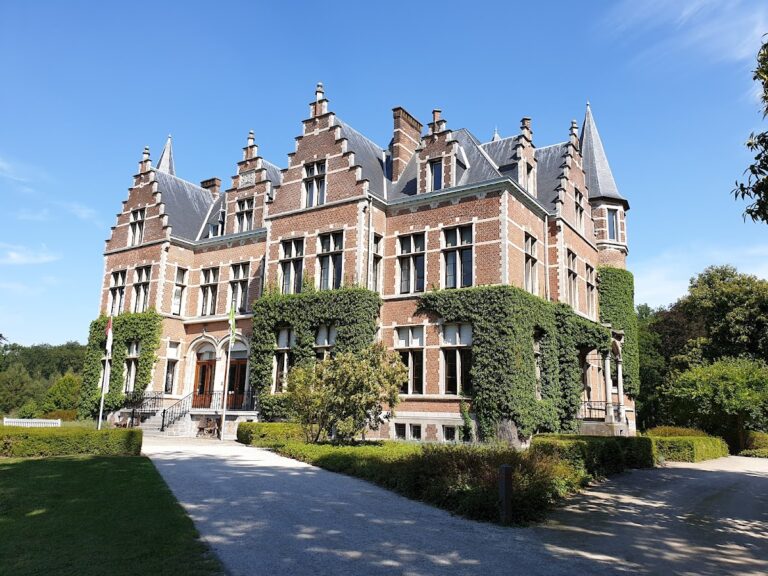
Vrieselhof is an approximately 80-hectare castle estate and provincial park in Oelegem, Ranst. Its history reaches back to the medieval Court of…
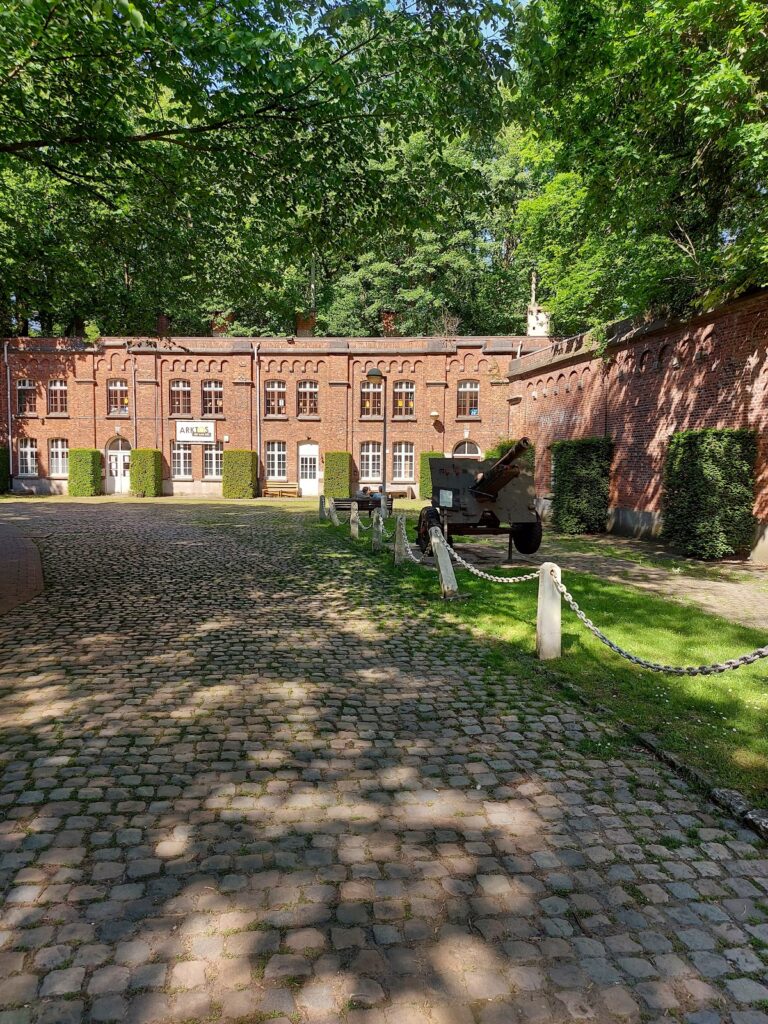
Fort van Merksem was built between 1871 and 1882 as part of Antwerp’s fortified National Reduit. Strengthened before the First World War, it later…
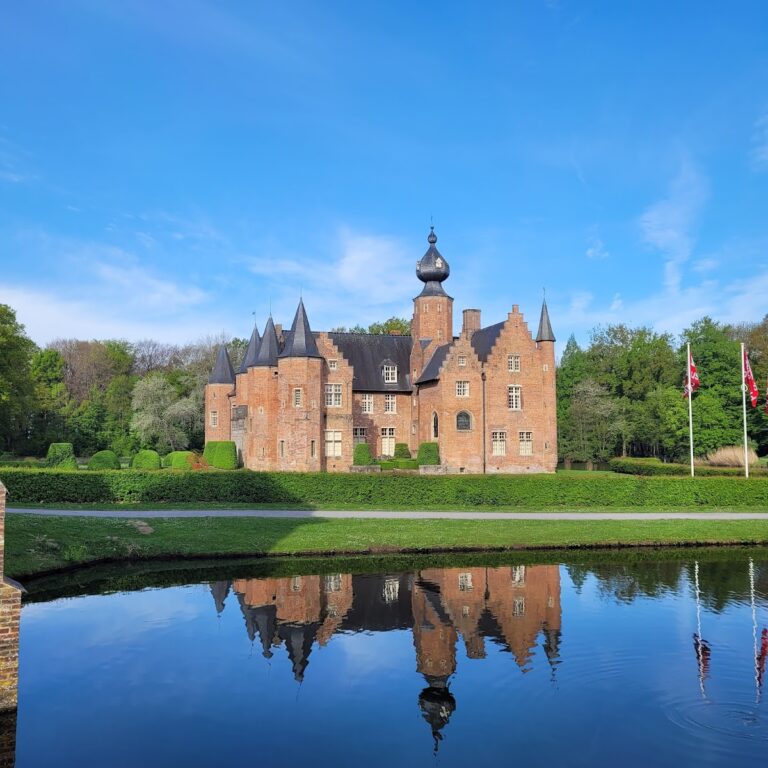
Rumbeke Castle in West Flanders developed from a medieval fortified site into a sixteenth-century aristocratic residence, retaining its moats,…
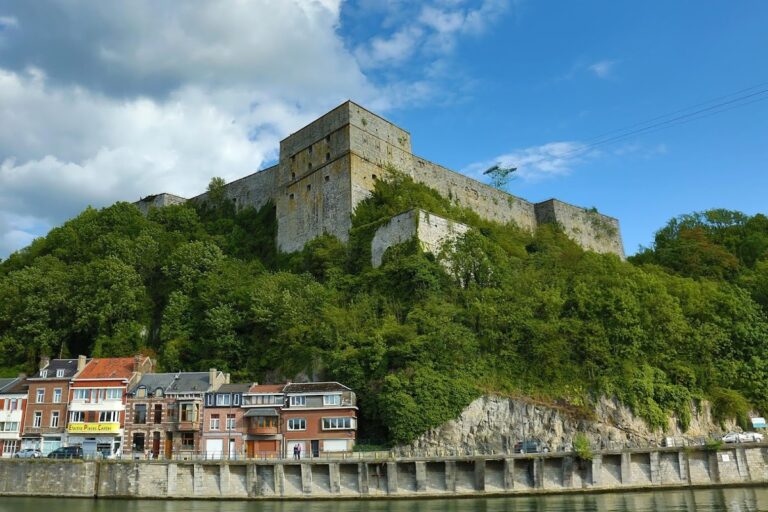
The Citadel of Huy is a nineteenth-century fortress built on the site of a medieval castle. It later served as a prison, wartime internment centre,…
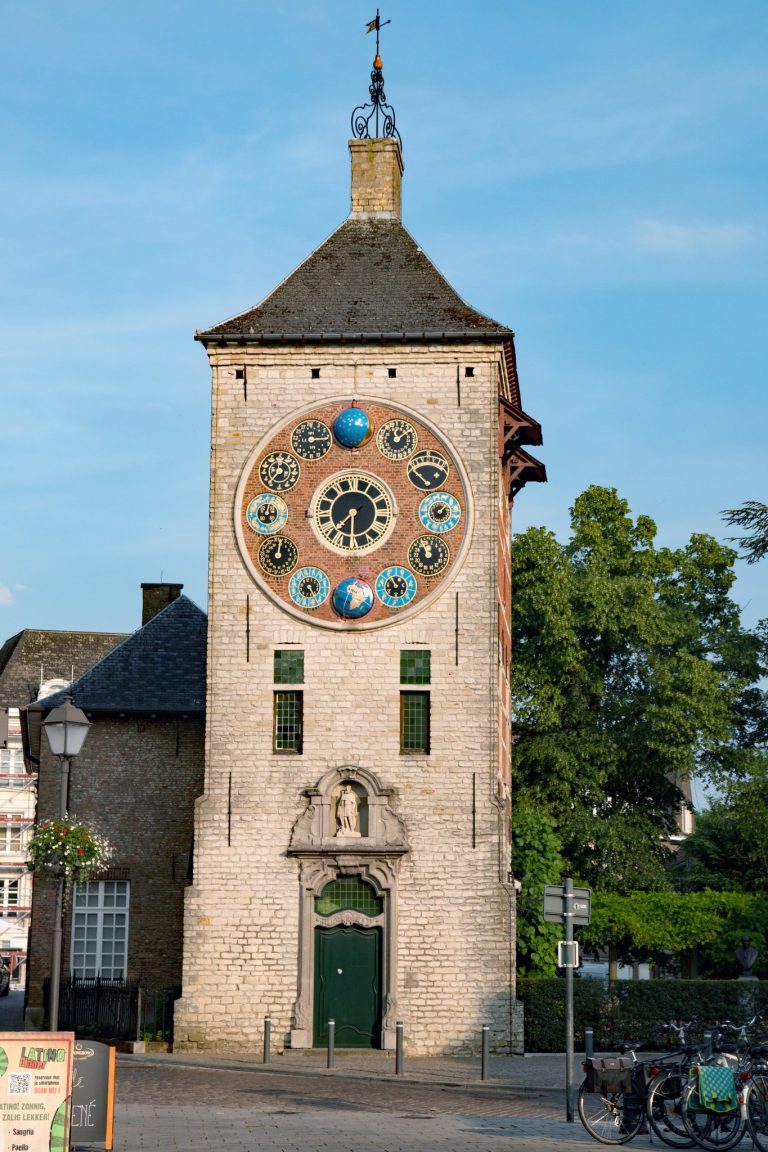
Zimmertoren in Lier, Belgium, began as part of the city’s fourteenth-century fortifications and was reconstructed to house Louis Zimmer’s…
For details on how to use the maps, which sites are included, how popularity and ratings are determined, and how sites are classified, see the help page.
On this page5 sections
Moated Renaissance residences
Alden Biesen Castle is arranged around an inner court, a forecourt and an outer court. The main brick residence has four wings, round corner towers and surrounding moats, with a stone bridge leading through the entrance passage. Pale stone frames the windows, doors and gates against the brick walls.
Inside, reception rooms preserve Rococo stucco decoration, while the former commander’s accommodation includes a library, salon and cabinet. Service buildings, a riding school and a tithe barn extend the complex beyond the water castle. Its courts make the separation between the main residence and the working estate particularly clear.
Groot-Bijgaarden Castle combines a lower Renaissance residential range with a much taller medieval keep. A five-arched bridge crosses the wide moat toward the entrance, where the gatehouse retains a fourteenth-century central section. The brick residence has white-stone window surrounds and a slate roof. The contrast between that low range and the four-storey keep makes the different building phases easy to distinguish.
Het Steen: Antwerp’s surviving castle gatehouse
Het Steen in Antwerp preserves the gatehouse portion of a once much larger castle. Its towers and entrance survive beside the Scheldt, while most of the surrounding castle buildings disappeared during nineteenth-century harbour and quay works.
A small projecting chapel above the entrance belongs to the sixteenth-century remodelling and bears Charles V’s motto, “Plus Outre.” The building combines medieval and Renaissance fabric with modern additions. It is a substantial architectural survivor, but its freestanding appearance should not suggest that the original castle was limited to this gate wing.
Reinhardstein: a reconstructed hilltop castle
Reinhardstein Castle follows a rocky spur above the Warche valley. Towers at the outer edges are connected by stone walls, with residential space in the larger towers and a multi-storey range. The elongated enclosure fits the restricted ground available on the hill.
Much of the visible castle results from twentieth-century reconstruction. Earlier foundations and structural elements were incorporated, but the rebuilding also drew on engravings and comparisons with castles in the Eifel. Its present form therefore gives a reconstructed interpretation of a fortified residence rather than an exact survival of the medieval complex.
Artillery forts and protected gun chambers
The Citadel of Dinant occupies a rock high above the Meuse. The present nineteenth-century fortress has an elongated polygonal plan, thick walls and an excavated ditch. Six protected gun chambers defend the main entrance, while passages and rooms within the rock accommodated the garrison. A deep well replaced an earlier lifting system that brought supplies up from below.
Fort Breendonk uses a different defensive arrangement: a low concrete installation surrounded by a water-filled moat and originally covered by a thick layer of earth. Its enclosed chambers, underground spaces and protected firing positions were designed for modern artillery warfare.
During the Second World War, the SS converted Breendonk into a detention and transit camp. Barracks and casemates became prisoner rooms and cells, and a former powder magazine was used for torture. The surviving fort and camp fabric is central to the memorial. This later use is essential to understanding the interior spaces, alongside their original military construction.
Explore the collection
Explore sites on the map or in the grid. Map icons reflect each site’s primary function, helping you identify different kinds of places at a glance. Narrow this collection by primary function, by a site type within the castle and residence group, or by civilization and era. Additional filters cover popularity and rating. Select a map marker to view the site’s details and open its article, or open the article from its grid entry.