Armenian Historic Sites: Explore Churches, Monasteries and Mountain Fortresses
Explore more than 100 historic sites connected with Armenian history, including domed churches, monastic complexes and mountain fortresses. The collection extends from present-day Armenia into eastern Turkey, Cilicia and places where Armenian communities established religious institutions farther afield. It brings together substantial standing buildings and ruins from several periods.
Churches and monasteries form a large part of the collection, but they differ in setting, plan and decoration. An island church covered in relief sculpture is distinct from a walled community with refectories and cells. Fortresses add defensive architecture shaped by cliffs, narrow approaches and routes through the mountains.
Primary Function: All
Type: All
Country: All
Popularity: All
Rating: All
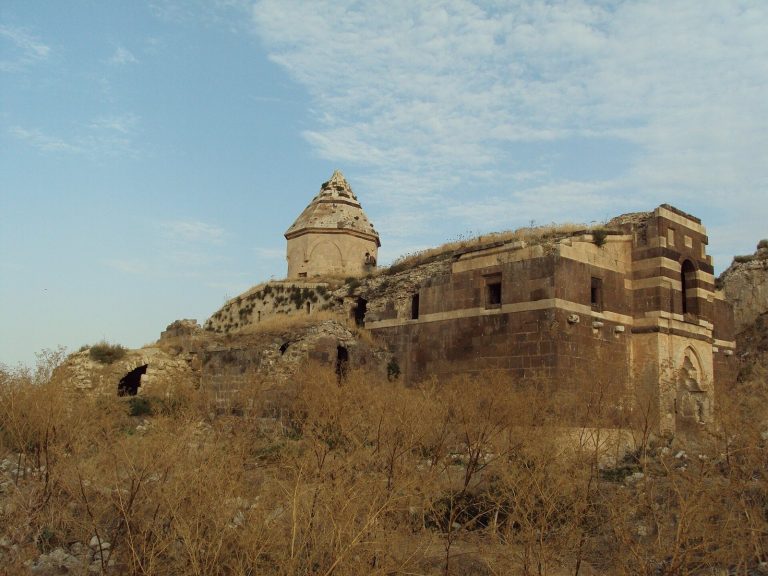
Ktuts monastery on Ktuts Island, now Çarpanak in Turkey, was an Armenian religious and manuscript-copying center. Its surviving church and gavit…
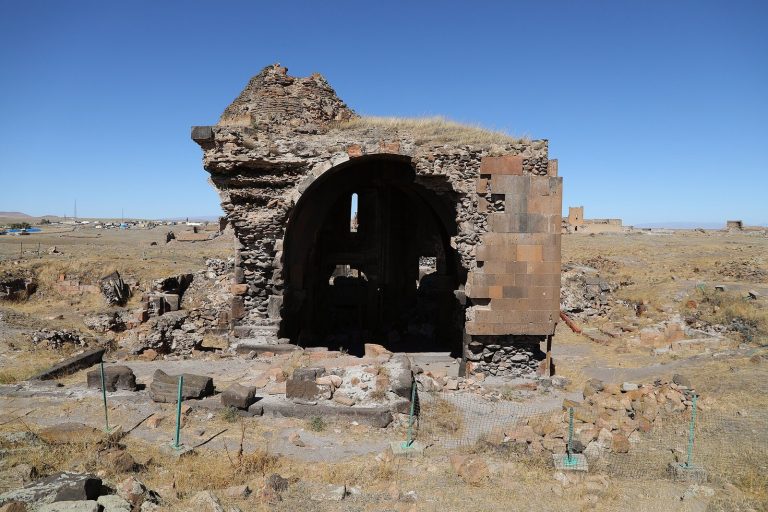
The Church of the Holy Apostles at Ani preserves evidence of Armenian religious life, medieval taxation, and Mongol-era administration, together with…
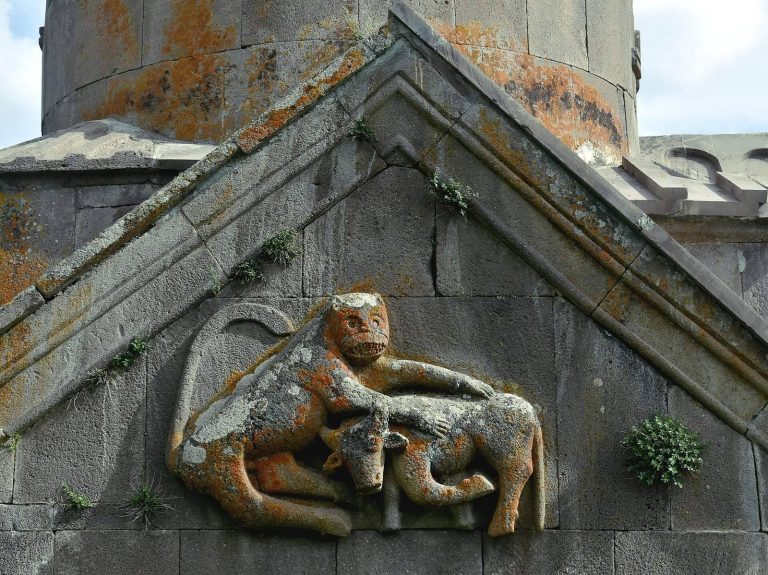
Tsakhats Kar Monastery in Vayots Dzor developed from an early foundation tradition into a major medieval Armenian religious and educational centre.…
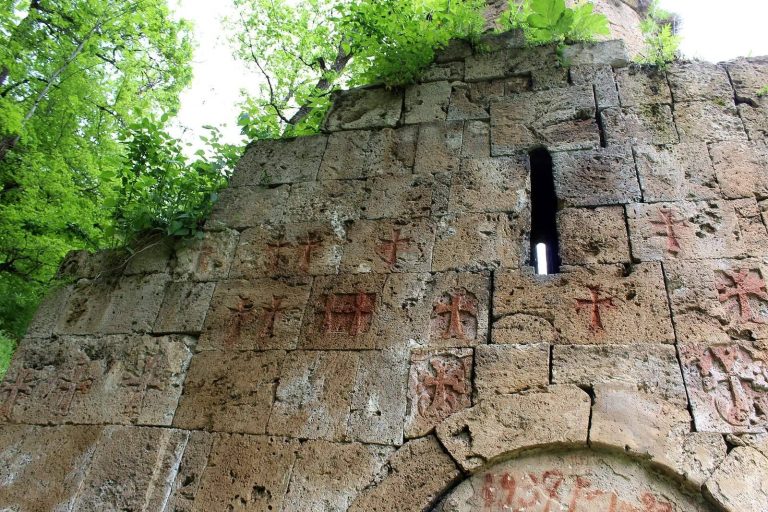
Aghavnavank Monastery in Armenia’s Tavush Province is a ruined twelfth- and thirteenth-century Armenian Apostolic complex known for its cross-domed…
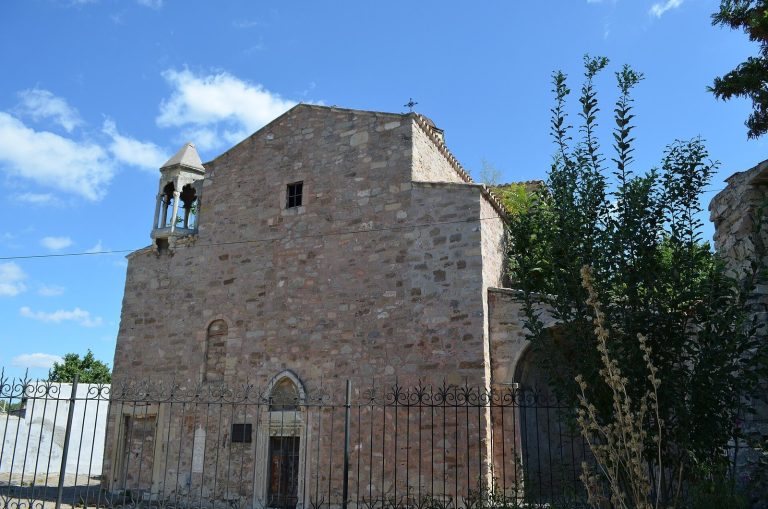
Built in 1408 as an Armenian parish church in medieval Kafa, Saint Angels Church reflects Feodosia's Armenian religious history and medieval Armenian…
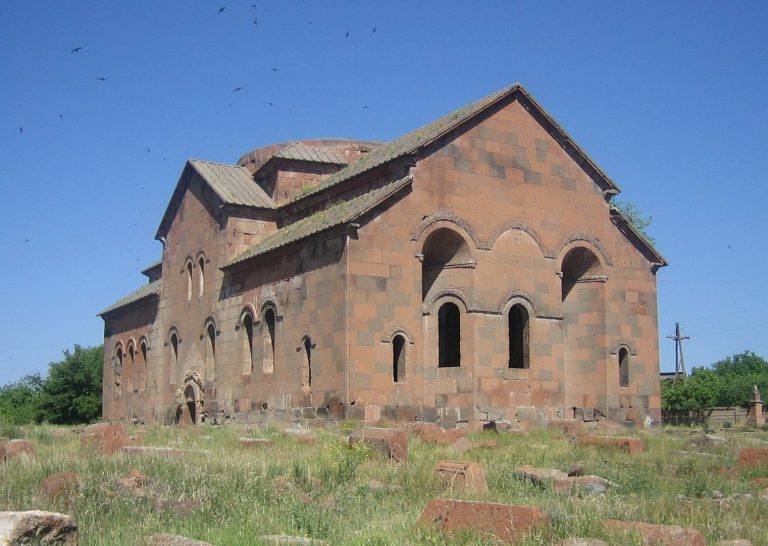
Aruchavank is a major seventh-century Armenian church at Aruch, commissioned by Prince Grigor Mamikonian and associated with a palace complex…
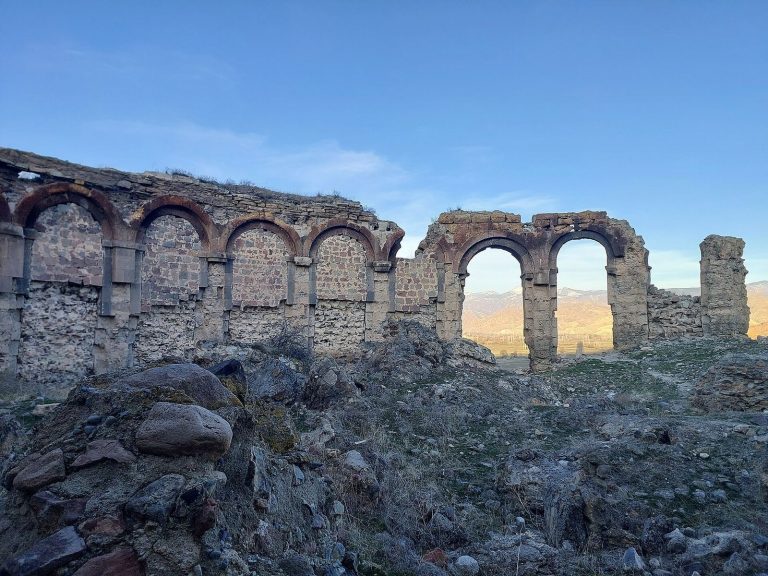
Bana Cathedral, also known as Penek Church, was a Georgian Orthodox cathedral and Bagratid royal center in Tao. Its history spans disputed early…
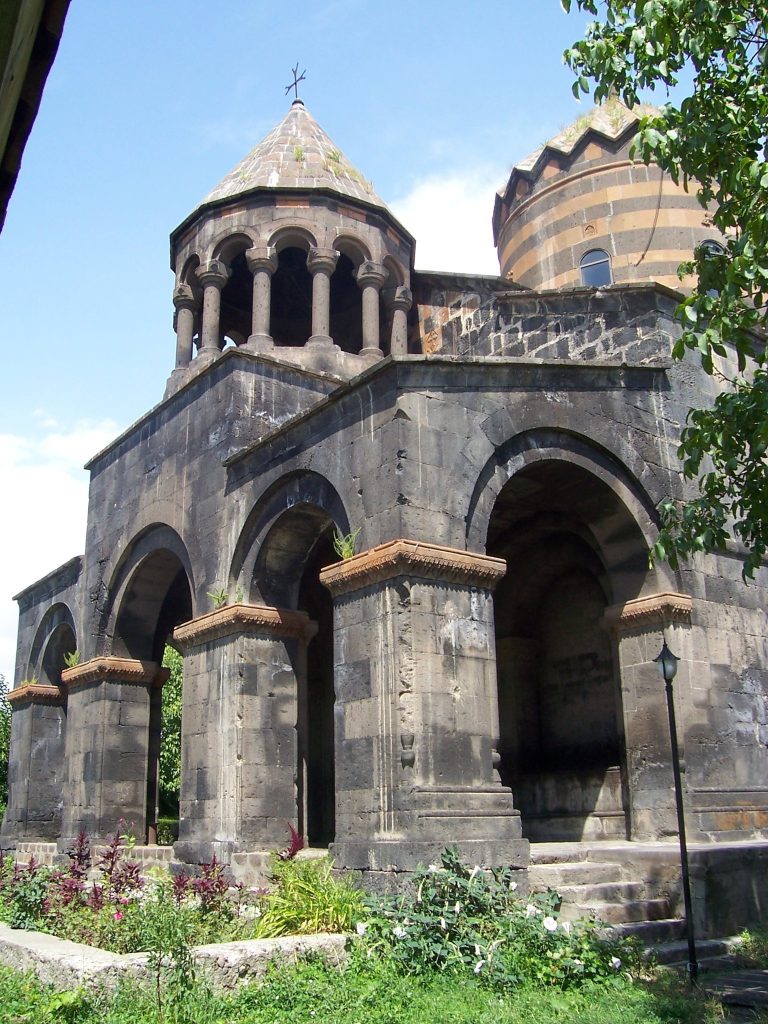
Saint Gevorg Monastery of Mughni in Armenia developed from a thirteenth-century religious foundation into a major pilgrimage center, with its present…
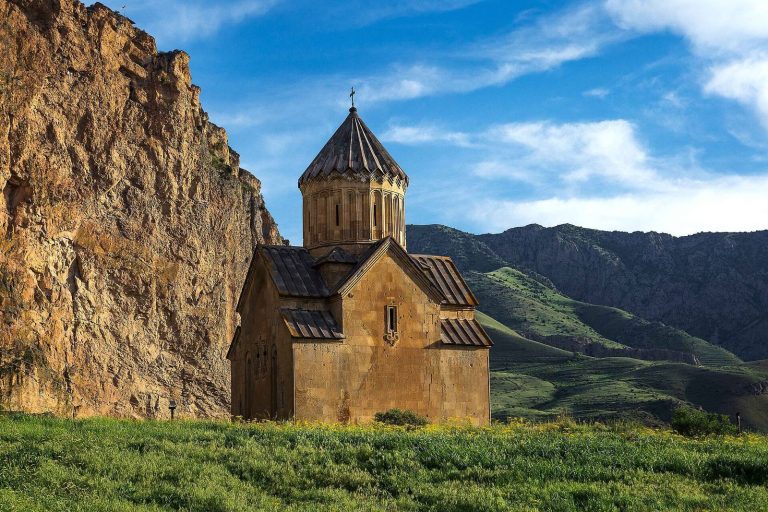
Completed in 1321, Areni Church is an Armenian Apostolic monument associated with the Orbelian principality, the architect Momik, and a richly…
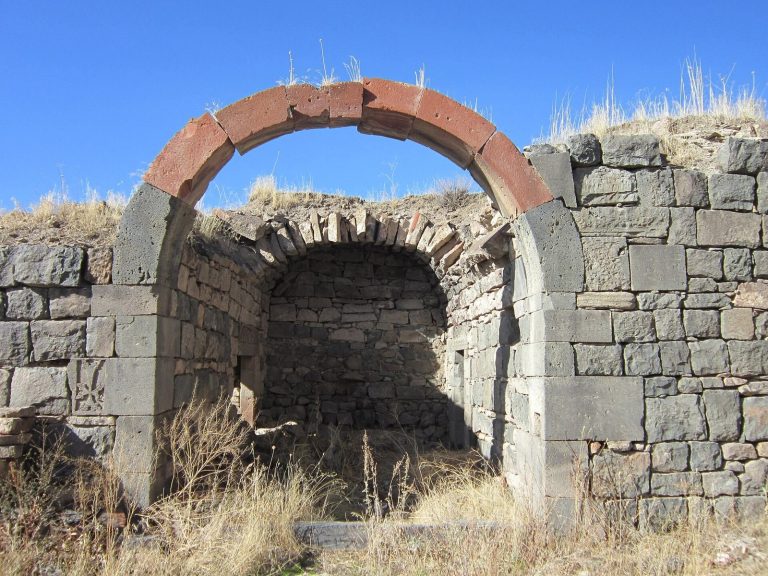
Havuts Tar is a ruined Armenian Apostolic monastery that developed from the medieval period into an important religious, educational, cultural, and…
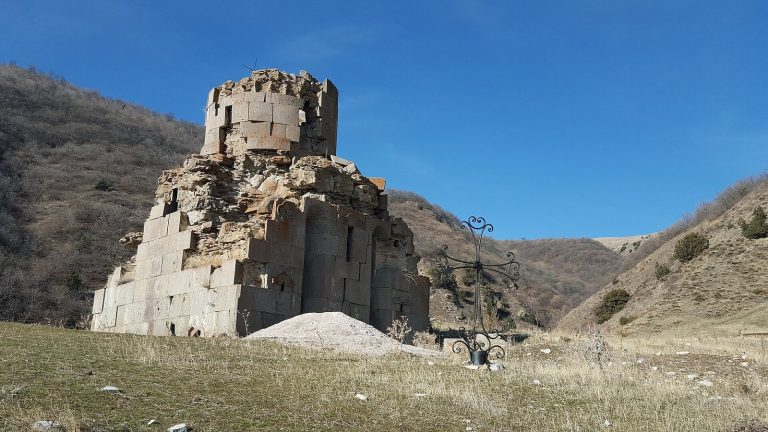
Mayravank is an Armenian Apostolic monastery near Solak whose main church dates to the eleventh century and whose history is linked to a…
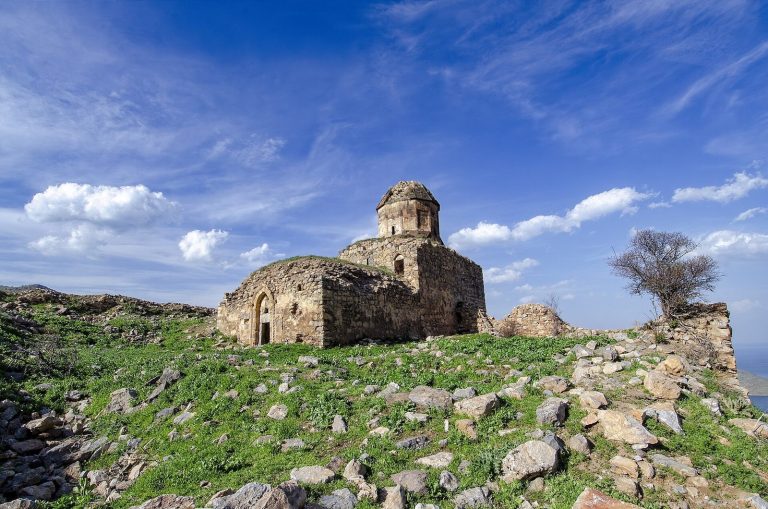
St. Thomas Monastery near Lake Van is an Armenian Apostolic complex associated with the relics of the apostle Thomas, medieval manuscript production,…
For details on how to use the maps, which sites are included, how popularity and ratings are determined, and how sites are classified, see the help page.
On this page6 sections
Island churches and carved stone façades
The Church of the Holy Cross on Akhtamar stands on an island in Lake Van, in present-day Turkey. Built in 915–921 for King Gagik Artsruni of Vaspurakan, its domed body has four principal rounded arms with smaller corner spaces. The compact mass of the church remains strongly defined beneath the raised dome.
Stone reliefs cover its exterior with biblical scenes, human figures, animals and plants. Later chapels, a bell tower and an entrance hall extended the complex, while restoration repaired the church in the modern period. The original carved body remains the central feature, distinct from those subsequent additions.
Monastery churches built in volcanic stone
Marmashen Monastery occupies a terrace in the Akhuryan valley in Armenia. Its principal church is built from large blocks of volcanic tuff. A rectangular exterior encloses a domed, cross-shaped interior with a raised altar area and adjoining chambers.
The church belongs to a wider group of religious buildings rather than standing as an isolated monument. The monastic enclosure also contained an entrance hall, bell tower and burial areas. Medieval repairs and modern restoration form part of the site’s history, including replacement of roof slabs; the complex’s surviving fabric does not all belong to its first construction campaign.
Walled pilgrimage monasteries
Khor Virap stands in the Ararat Plain, within the territory of ancient Artaxata. Its principal standing church is seventeenth-century, with a twelve-sided drum and dome. Monastic cells, a refectory and a broad courtyard form a compact enclosure around the religious buildings.
The chapel above the underground chamber associated with Gregory the Illuminator connects the site with an earlier religious tradition. That association should be distinguished from the dates of the buildings: the visible monastery largely reflects later construction around the place of pilgrimage. The enclosing walls and domestic ranges give it a different architectural character from Akhtamar’s sculpted island church.
Fortresses above mountain routes
Lampron, in Cilicia in present-day Turkey, was a stronghold of the Armenian Hethumid dynasty. It occupies a limestone platform where several elevated valleys converge, overlooking routes towards Tarsus and the Cilician Gates.
A rock-cut ditch separates the fortress from the adjoining plateau. Within it, a narrow lower courtyard lies below a much larger upper enclosure, reached by rock-cut stairs or a confined turning entrance. Ruined buildings line parts of the upper court. These remains show how the defenders used the rock itself to restrict access and organize a sizeable fortified residence.
Monasteries of Armenian communities abroad
Surb Khach Monastery, in Crimea, preserves a church dated to 1358 by an inscription around its dome drum. The surrounding complex includes an entrance hall, refectory, monastic cells, terraces and fountains. Its buildings occupy a wooded slope outside Staryi Krym.
Zamca Monastery, in Suceava, Romania, has an irregular walled enclosure containing Saint Auxentius Church, an eastern bell tower and a western entrance building with a chapel. Later military occupation added further defences, and modern restoration rebuilt damaged stretches of wall.
Both sites record established Armenian communities outside the Armenian highlands. Their churches survive within substantial residential and enclosed complexes, while their different layouts reflect local terrain and later use. They expand the collection through identifiable buildings rather than through migration history alone.
Explore the collection
Explore sites on the map or in the grid. Map icons reflect each site’s primary function, helping you identify different kinds of places at a glance. Narrow the results by country, primary function, site type or era, with additional filters for popularity and rating. Select a map marker to view the site’s details and open its article, or open the article from its grid entry.