Melice: A Gothic Episcopal Castle in Czechia
Site at a Glance
- Rating
- 4.5
- Popularity
- Very Low
- Country
- Czechia
- Primary era
- Medieval
- Eras represented
- Medieval
- Civilizations
- Holy Roman Empire
- Site type
- Military
- Remains
- Castle
On this page6 sections
History
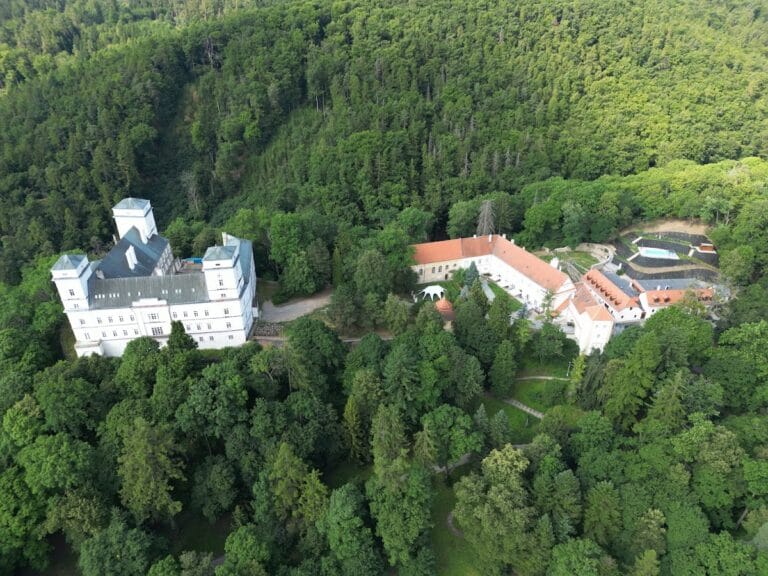
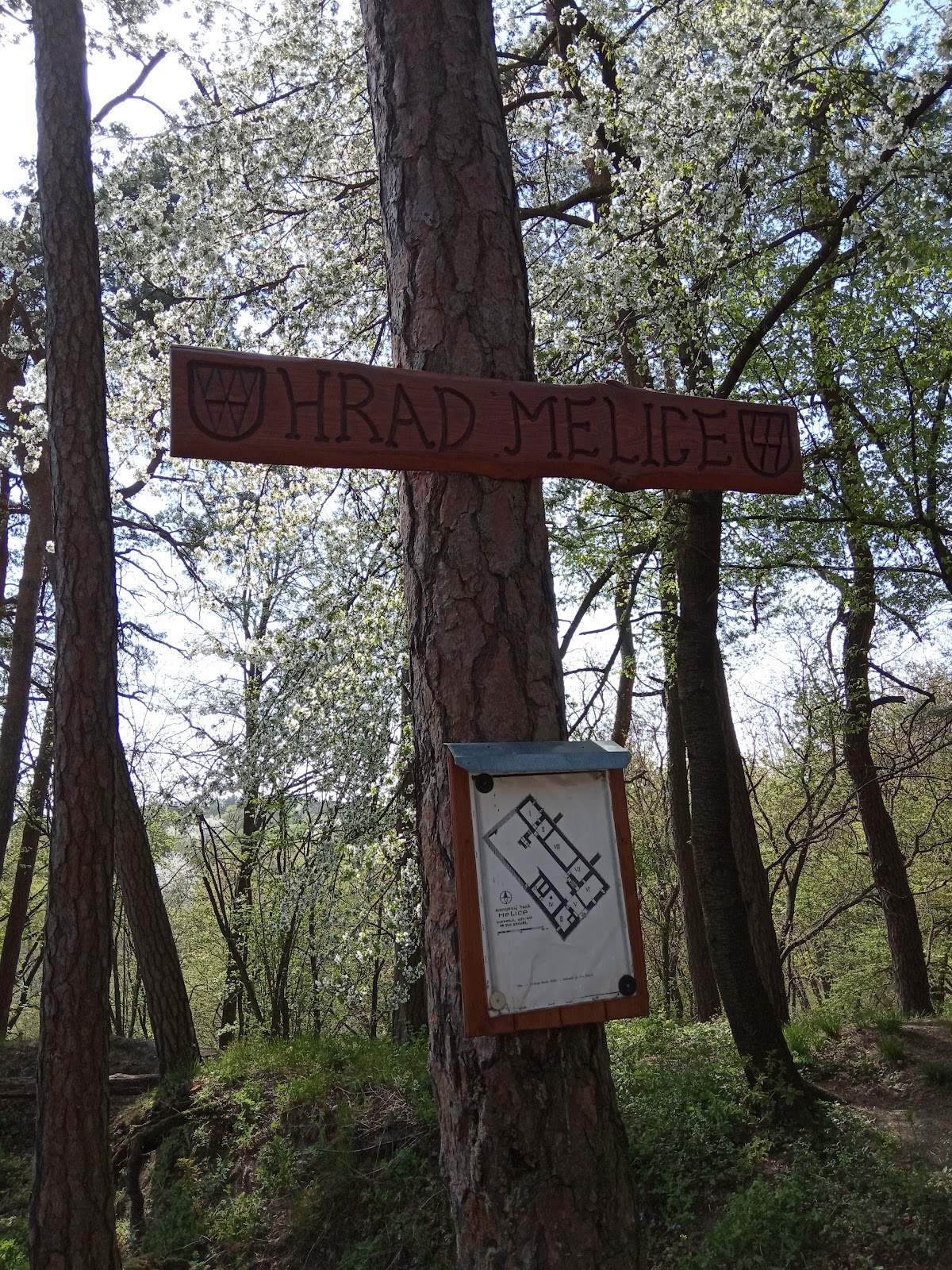
Melice is a Gothic castle in Czechia, completed before 1339 and built by Jan Volek, bishop of Olomouc. Located between Pustiměř and Drysice, approximately 6 km northeast of Vyškov, it served as a representative residence for the bishops of Olomouc, the ecclesiastical rulers of the Olomouc diocese.
Episcopal residence
The castle first appears in documentary records in 1339, when Beneš of Melice is identified as its burgrave. Its chapel was completed under Jan Volek’s successor, Bishop Jan Očko of Vlašim. A stone coat of arms found in 1898, together with excavations carried out from 1931 to 1938, supported this attribution.
The bishops continued to furnish and equip the residence, while its administration was entrusted to episcopal vassals. Heilein and Mikuláš of Mejlic held this role in 1353, followed by Ješek Šram and Janoš of Mejlic in 1362, Ješek and Alšík of Mejlic in 1373, and Majnuš and Ješek of Mejlic in 1380. In 1383, Bishop Mikuláš pledged Melice to Margrave Jobst, a high-ranking territorial ruler. Heralt of Kunštát held the castle as security for the debt in 1401, followed before 1408 by Znata of Mejlic and, in 1410, by Prior Štěpán of Dolany, the head of the priory at Dolany.
Destruction during the Hussite Wars
Melice was destroyed during the Hussite Wars, the fifteenth-century conflicts in which followers of the reform movement associated with Jan Hus fought for religious and political changes in Bohemia and Moravia. In summer 1423, a Bohemian Hussite campaign into Moravia captured several important positions, including the episcopal castle of Melice, which became one of their strongholds.
By 1439, the castle was described as destroyed and levelled to the ground, reduced to a heap of stones. It is generally dated to the fourteenth century and is considered to have ceased to exist during the fifteenth century. Excavations between 1931 and 1938 revealed evidence of the site’s medieval history, and the ruins have been protected as a cultural monument of the Czech Republic since 1970. Melice lies near the boundary of the Březina Military Training Area.
Remains
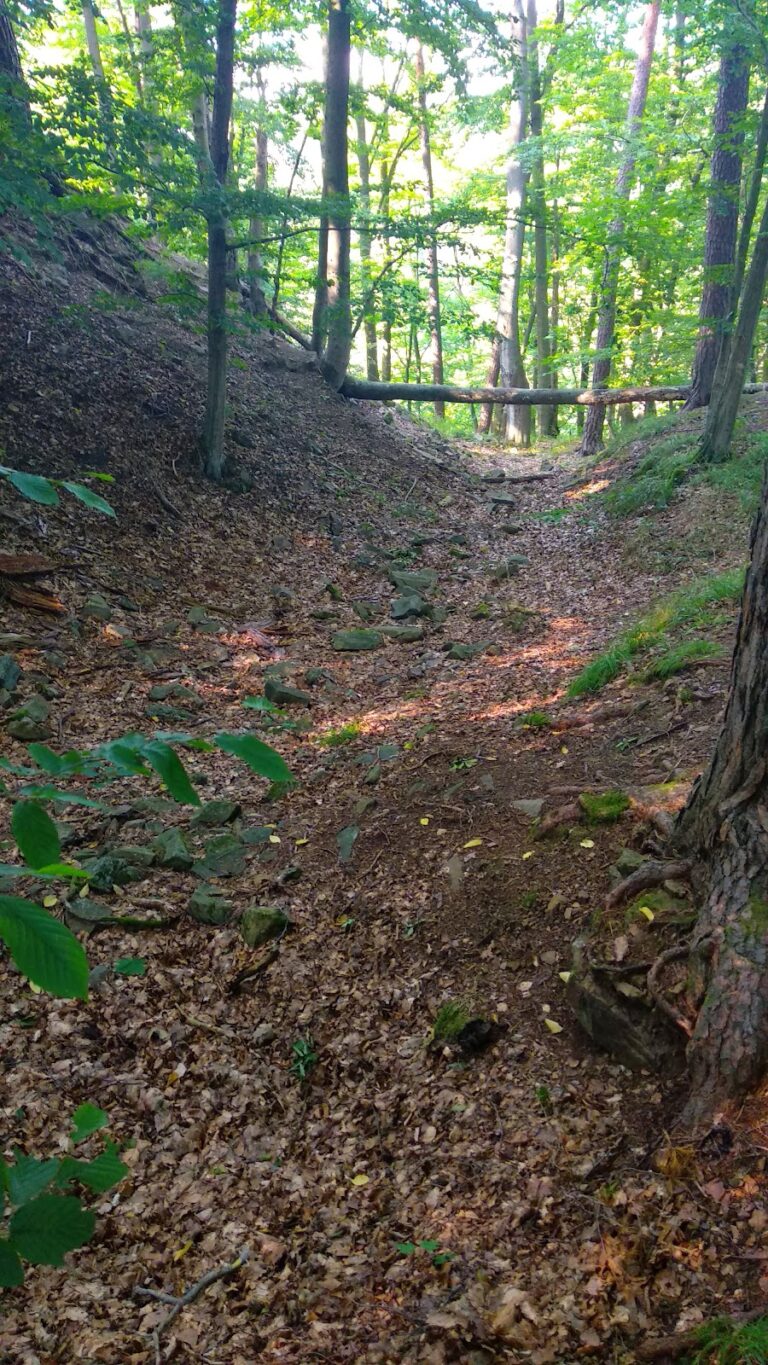
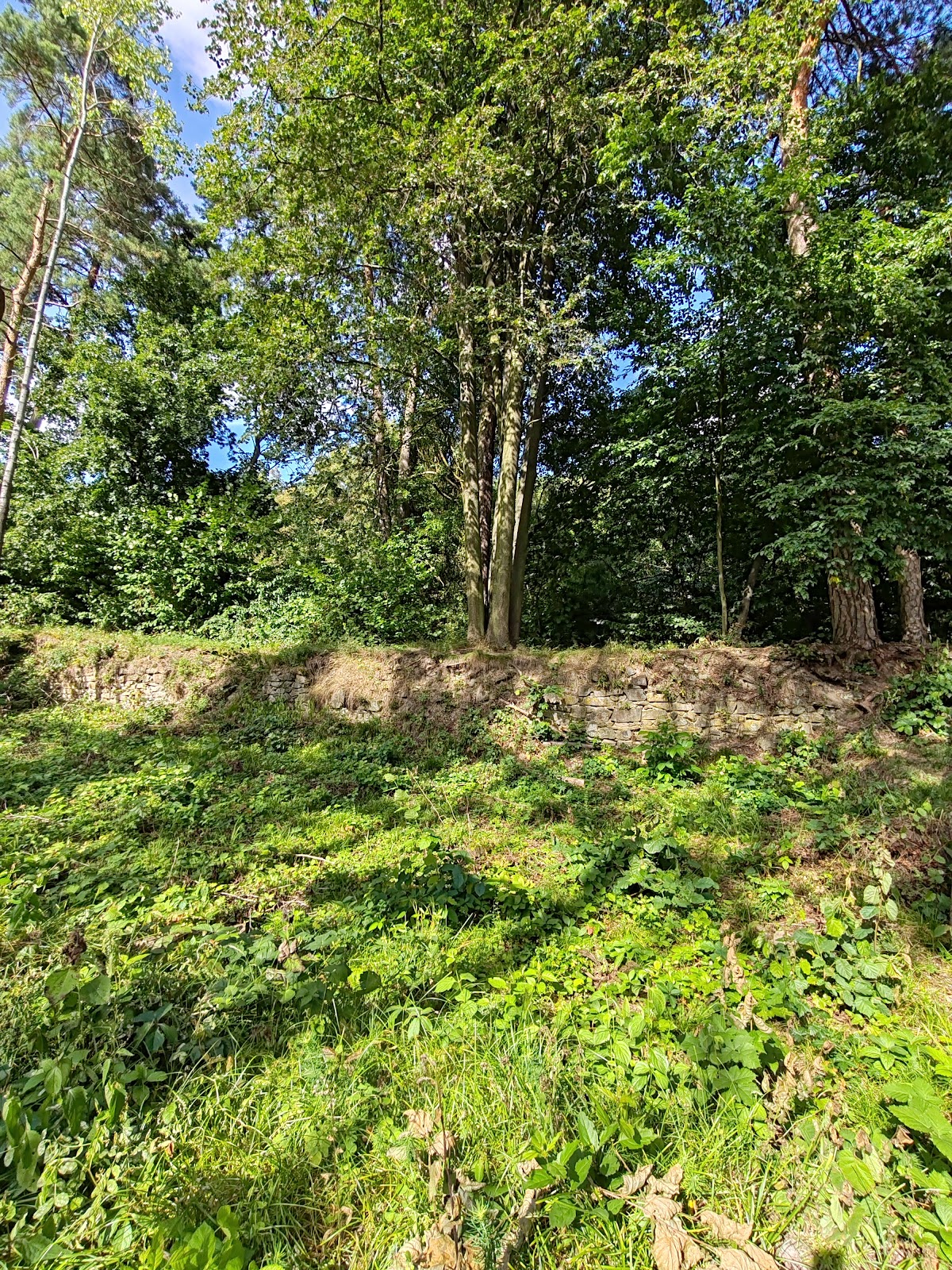
Melice survives as a castle ruin with fragmentary Gothic masonry. Excavation has also revealed the former chapel and a palace chamber containing an elaborate tiled stove, providing evidence of both the castle’s religious facilities and its representative residential use.
Chapel and palace
The castle included a chapel completed under Bishop Jan Očko of Vlašim. Within the palace, a chamber held an ornate ceramic stove assembled from decorated clay tiles. The surviving masonry is fragmentary, while the excavated features preserve evidence of the castle’s medieval architectural arrangement.
Gothic tiled stove
The most valuable excavation find is a group of unique Gothic tiles from a stove commissioned by Bishop Václav Králík of Buřenice sometime between 1412 and 1416. The complete stove, including its base, stood approximately 280 cm high and contained more than 150 ceramic tiles. Motifs on the stone plinth represented the castle’s lord and episodes from his life. Relief-decorated sections portrayed his progress through the levels of medieval society, the dangers posed by infernal powers, and his victories over them.
Nearby sites