Château de Malicorne-sur-Sarthe: A Neoclassical Historic Residence
Site at a Glance
- Rating
- 4.3
- Popularity
- Very Low
- Country
- France
- Primary era
- Early Modern
- External website
- Open
- Eras represented
- Early Modern
- Civilizations
- French
- Site type
- Domestic
- Remains
- Castle
On this page8 sections
History
Medieval Fortress
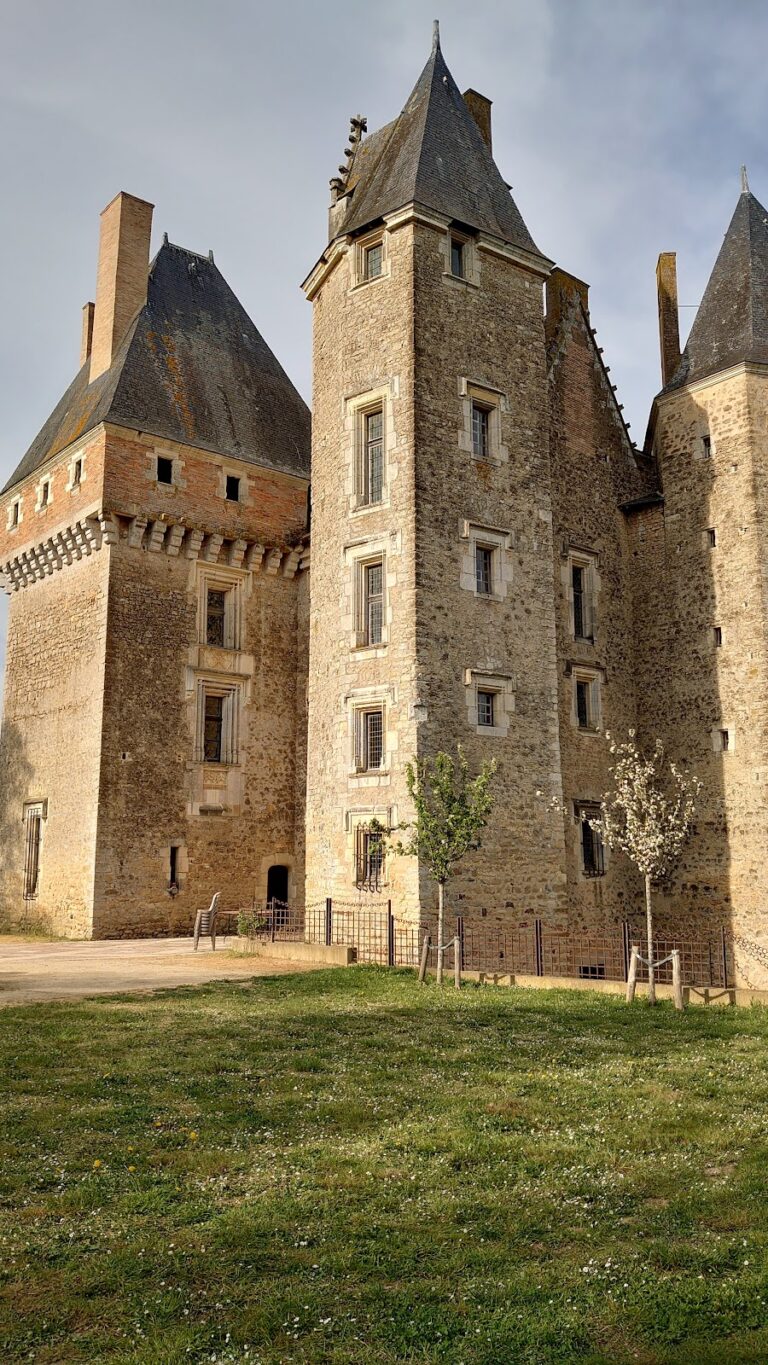
Malicorne-sur-Sarthe Castle is a historic residence in France, built in the late eighteenth century in the Neoclassical style on the ruins of a medieval fortress. The earlier stronghold was founded in the twelfth century to defend the gates of Maine.
In 1368, the fortress came under the control of Robert Knolles, an English military commander during the Hundred Years’ War. Ambroise de Loré, a French commander involved in the later reconquest of English-held territory, recaptured it in 1425.
The Beaumanoir-Lavardin Estate
From the seventeenth century, the property belonged to the Beaumanoir-Lavardin family. They made the castle the setting for a distinguished social life, and Madame de Sévigné, the celebrated French aristocrat and letter writer, was among its visitors.
Eighteenth-Century Rebuilding
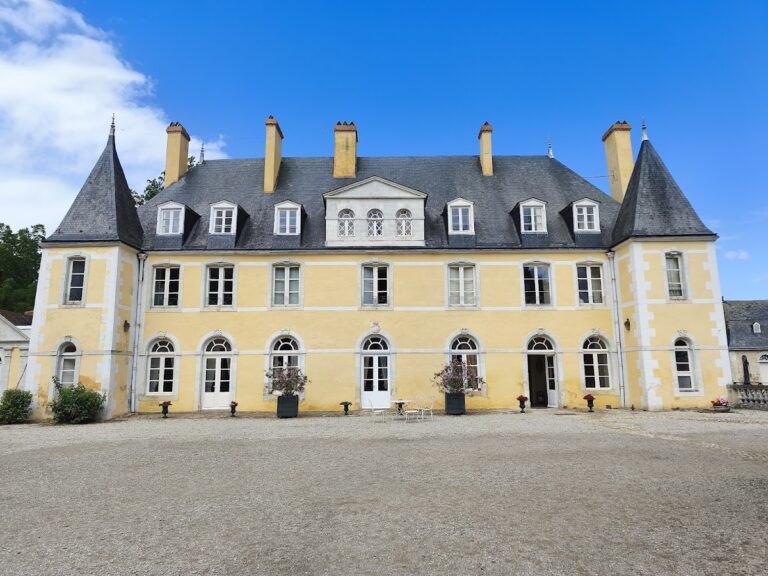
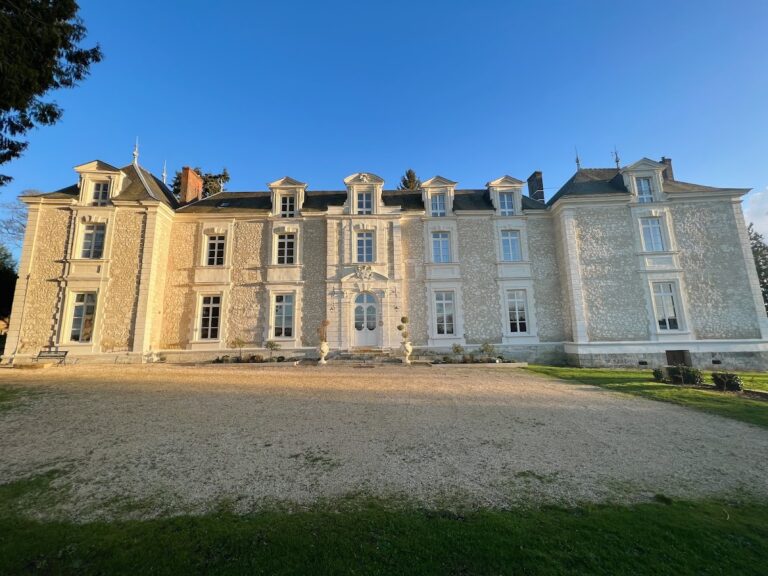
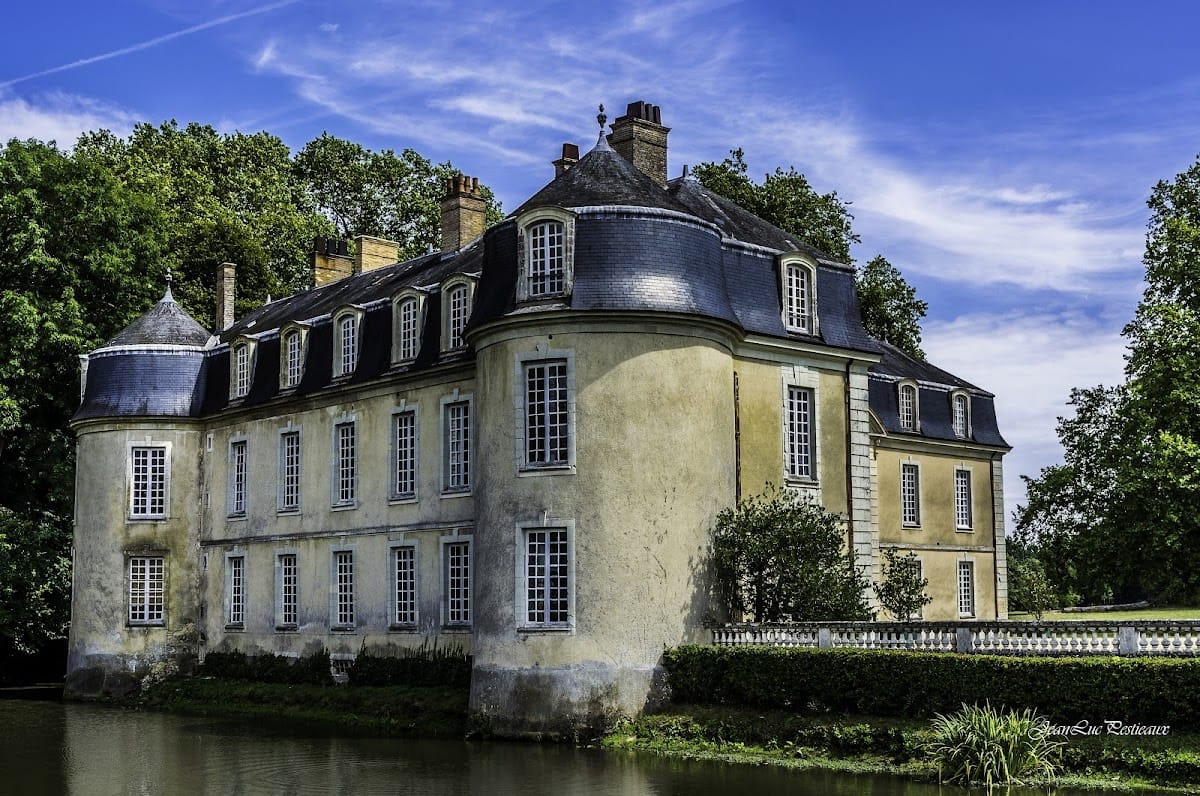
The present château replaced the medieval building in the late eighteenth century. Its Neoclassical architecture drew on the forms and proportions of ancient Greek and Roman architecture. The château remains a privately occupied residence and has been registered as a French historic monument since the 1980s.
Remains
Château and Grounds
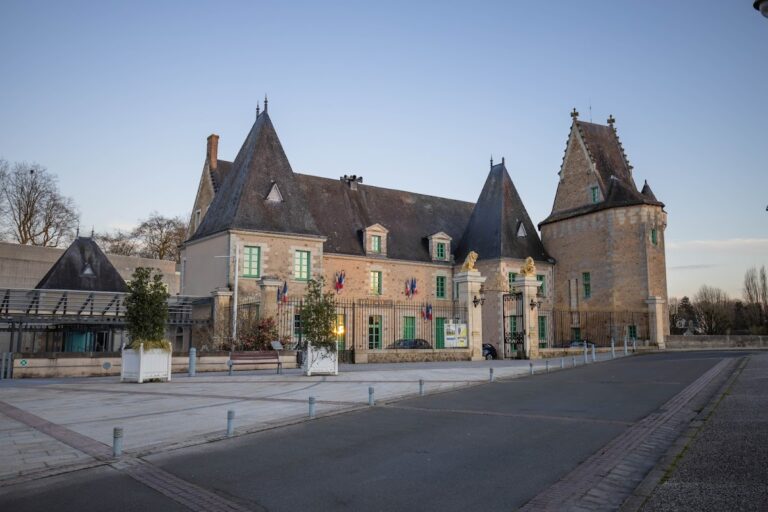
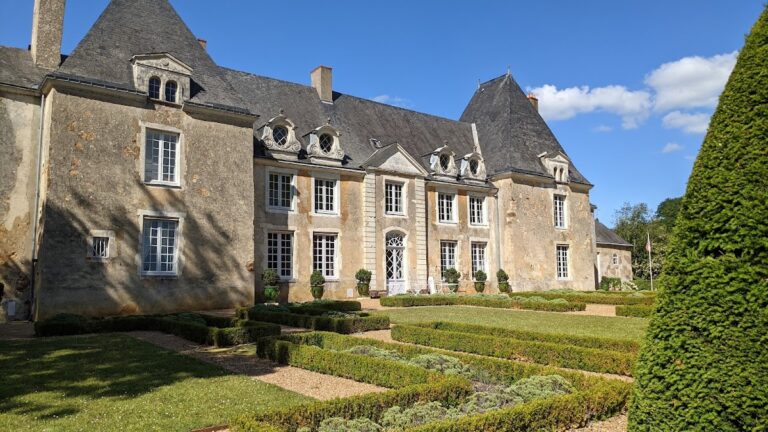
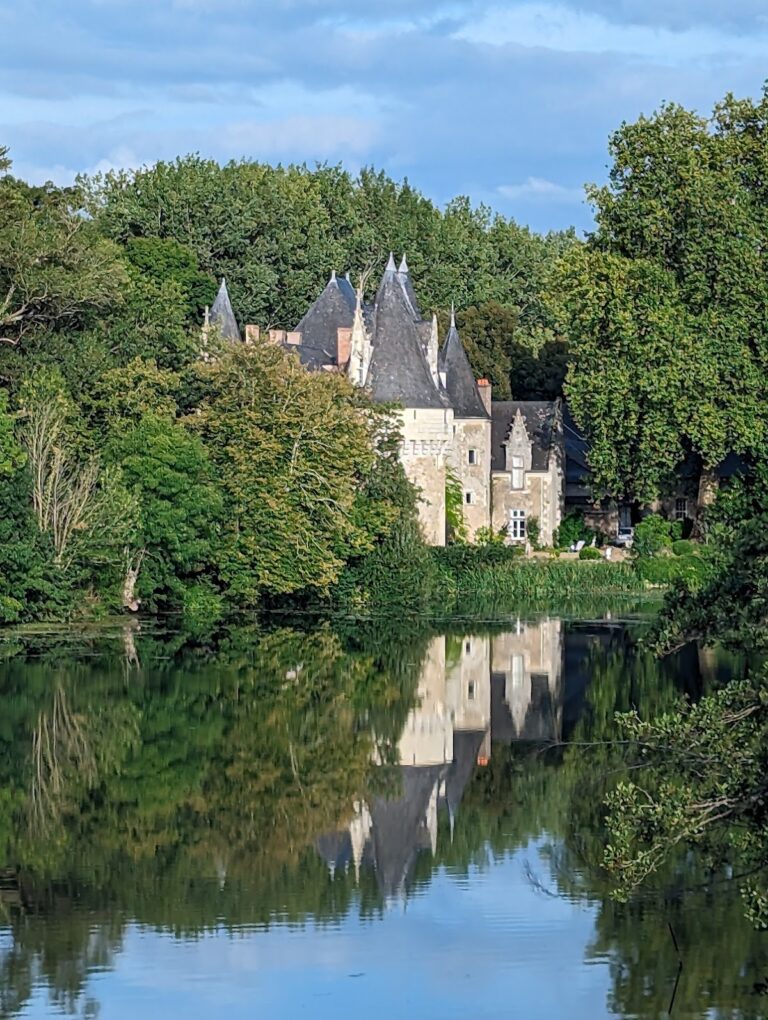
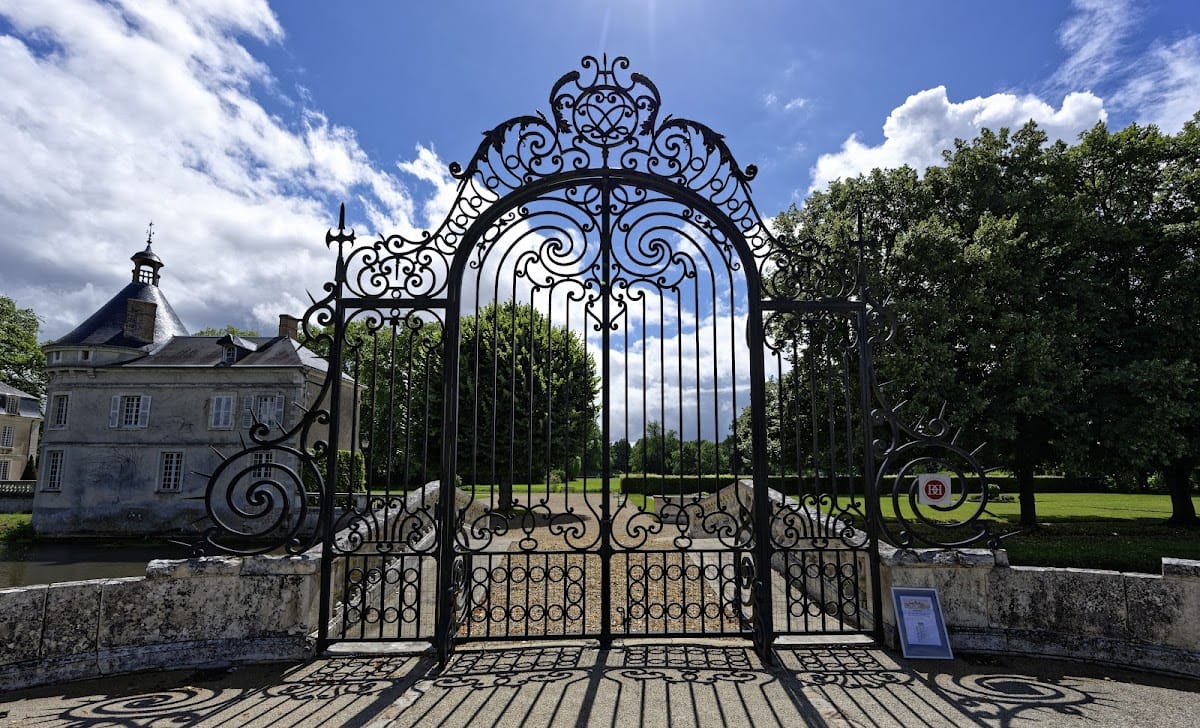
The surviving site consists of the eighteenth-century château, its moats, an entrance pavilion, and a park reached through a gateway and across an access bridge. The protected ensemble includes the château’s façades and roofs, all of its ground-floor rooms, the entrance grille, the entrance pavilion, and the park.
The Château
The main building is an eighteenth-century residence in the Neoclassical style. Its façades and roofs, together with all ground-floor rooms, form part of the protected historic fabric. The building stands on the ruins of the medieval fortress that previously occupied the site.
Entrance Pavilion and Park
The entrance pavilion forms part of the château complex, while the park retains its gateway and access bridge. The moats also survive as elements of the grounds surrounding the residence.