Castle of Verzuolo: Medieval Fortress and Noble Residence
Site at a Glance
- Rating
- 4.5
- Popularity
- Very Low
- Country
- Italy
- Primary era
- Medieval
- External website
- Open
- Eras represented
- Medieval, Early Modern
- Civilizations
- Unclassified
- Site type
- Domestic
- Remains
- Castle
On this page6 sections
History
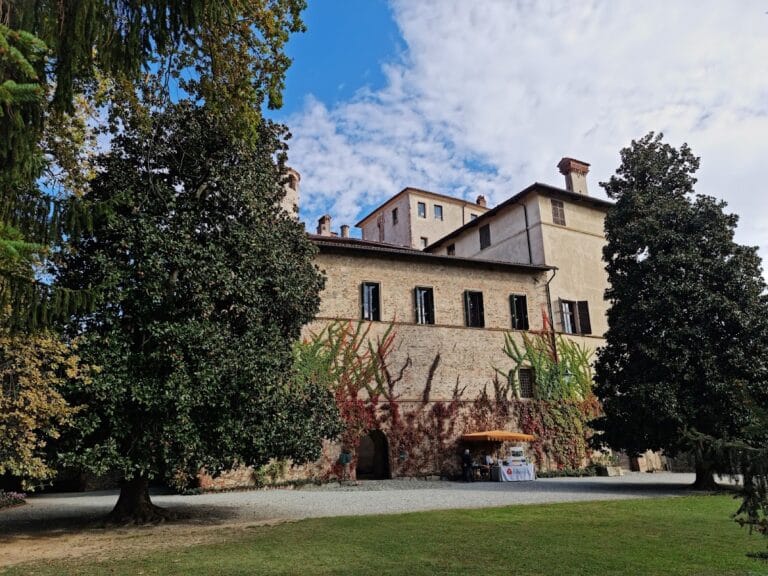
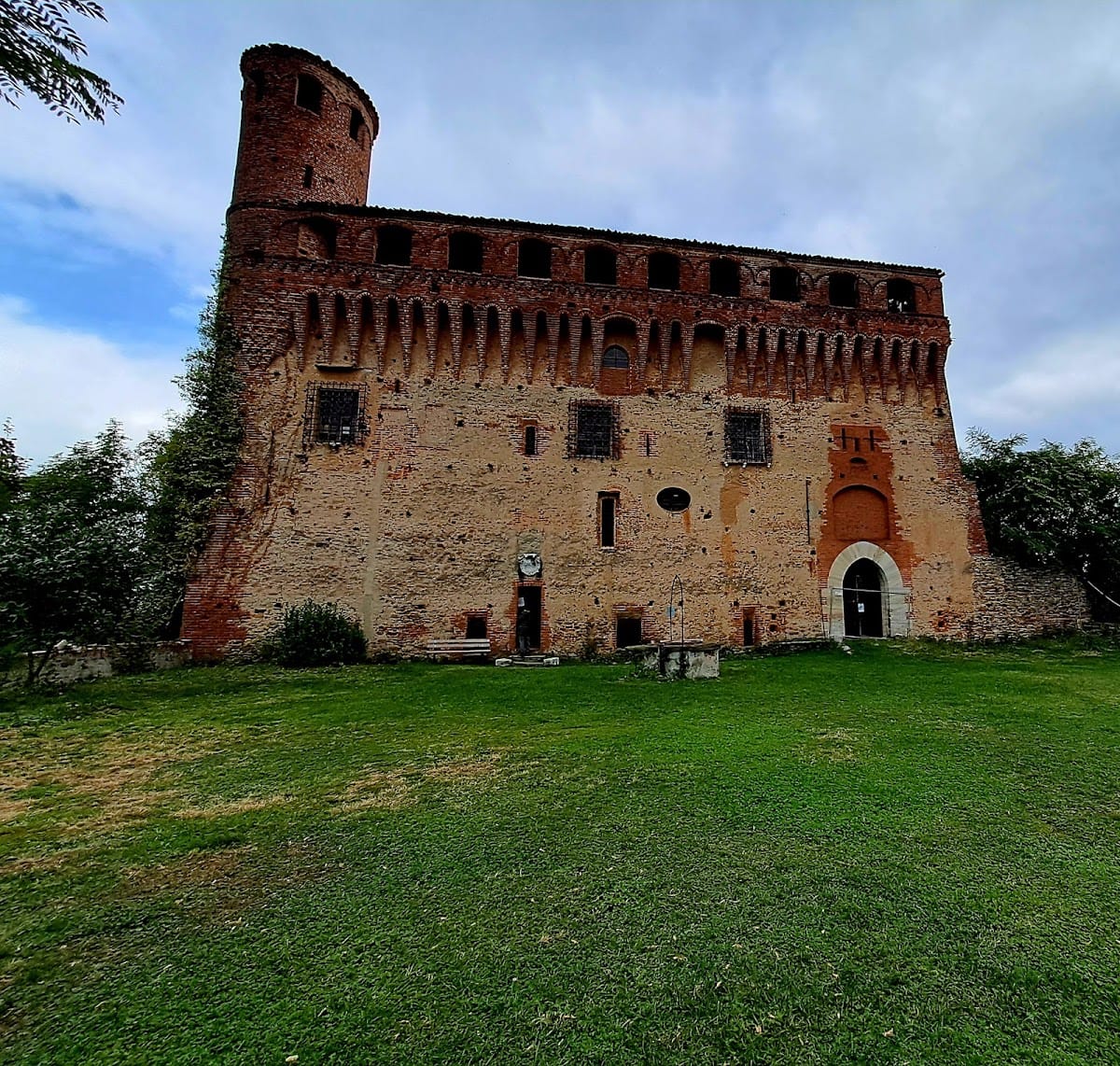
The Castle of Verzuolo is a medieval castle in Italy, near Verzuolo in Piedmont and about 4.8 kilometres south of Saluzzo. First built in the eleventh century, it became the main fortress of the Marquisate of Saluzzo, a small medieval and early-modern territory ruled from Saluzzo and its surrounding lands.
Fortress of the Marquisate of Saluzzo
In 1377, Frederick II, Marquess of Saluzzo, ordered the castle demolished and rebuilt on a larger and more heavily fortified scale. His successors continued to strengthen it, maintaining its role as the principal fortress of the marquisate. In 1529, Giovanni Ludovico, Marquess of Saluzzo, was imprisoned there.
Transformation into a residence
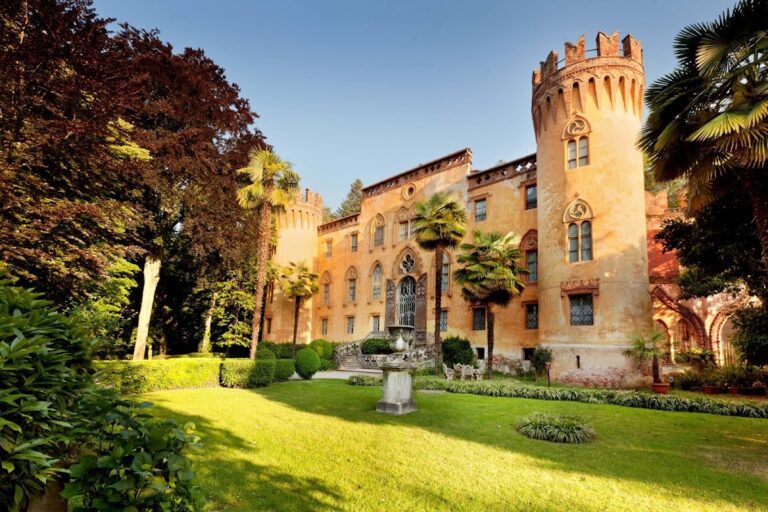
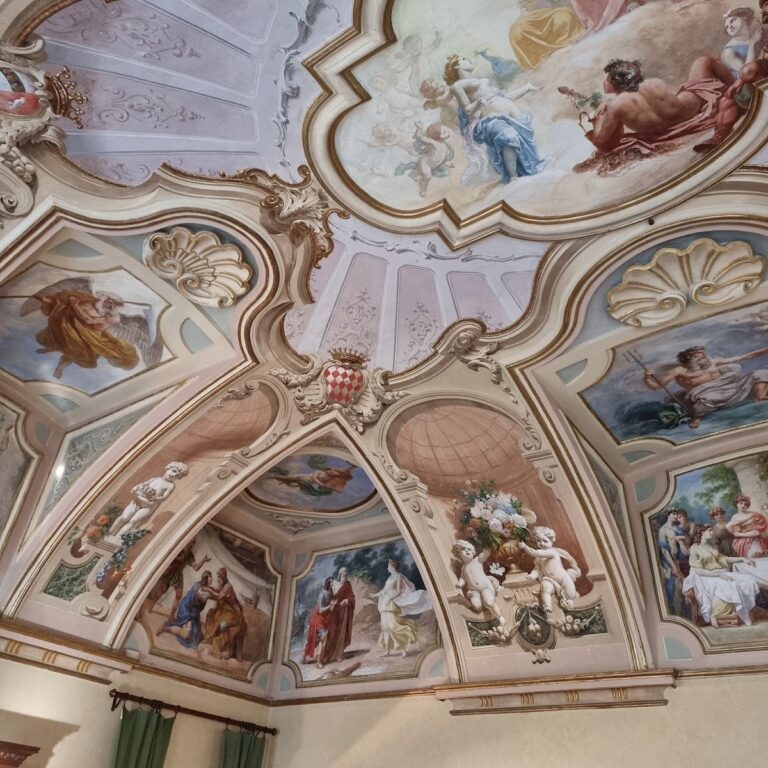
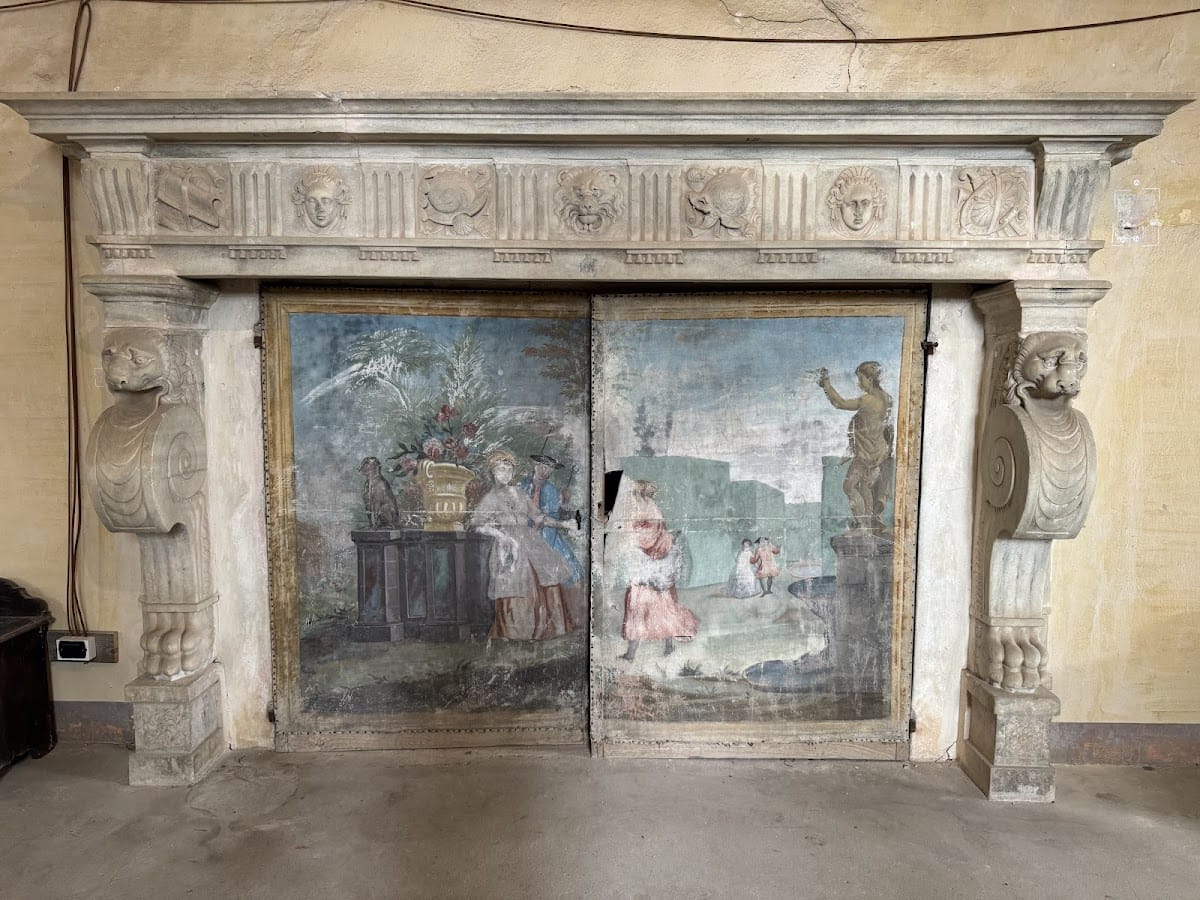
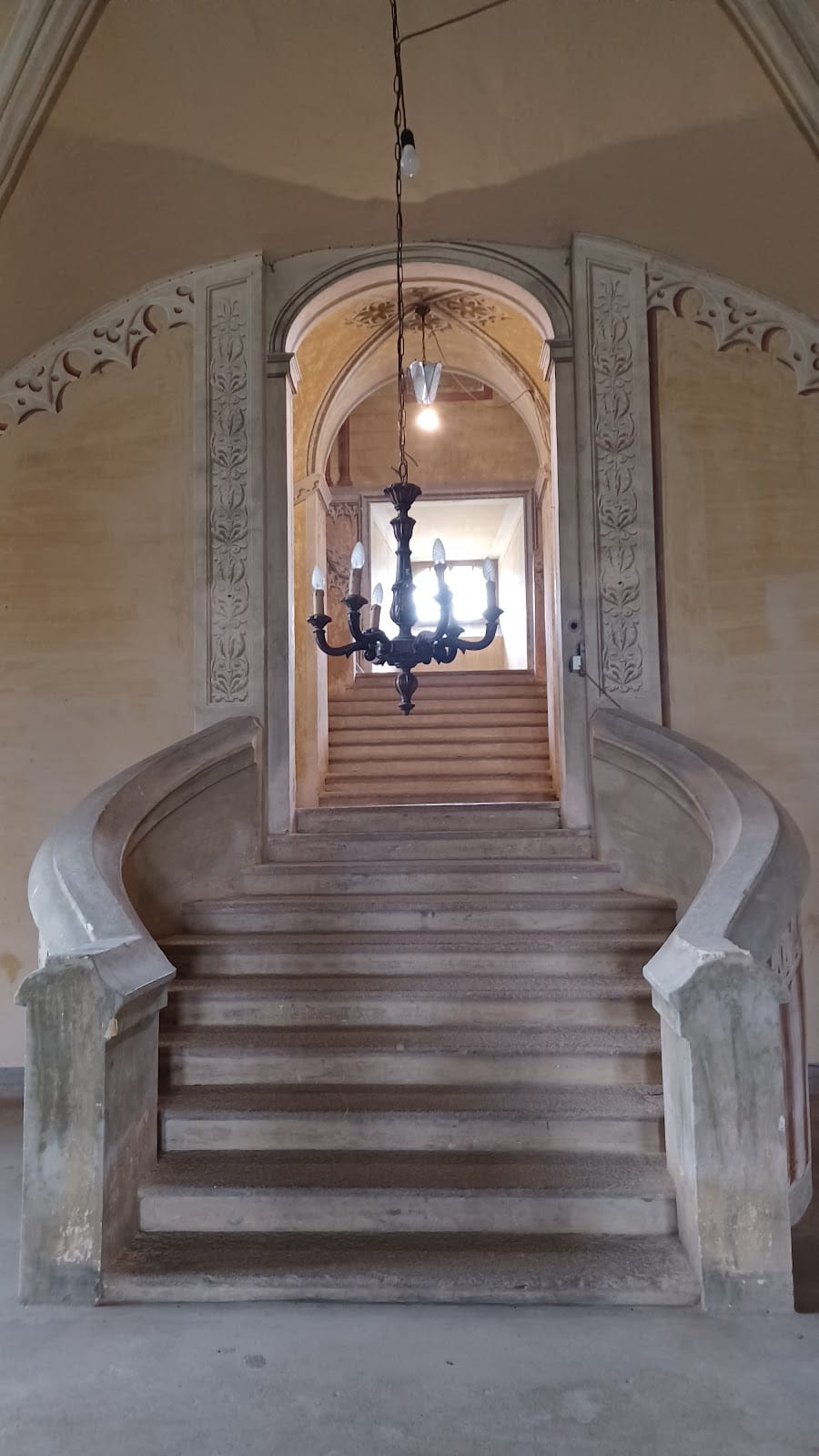
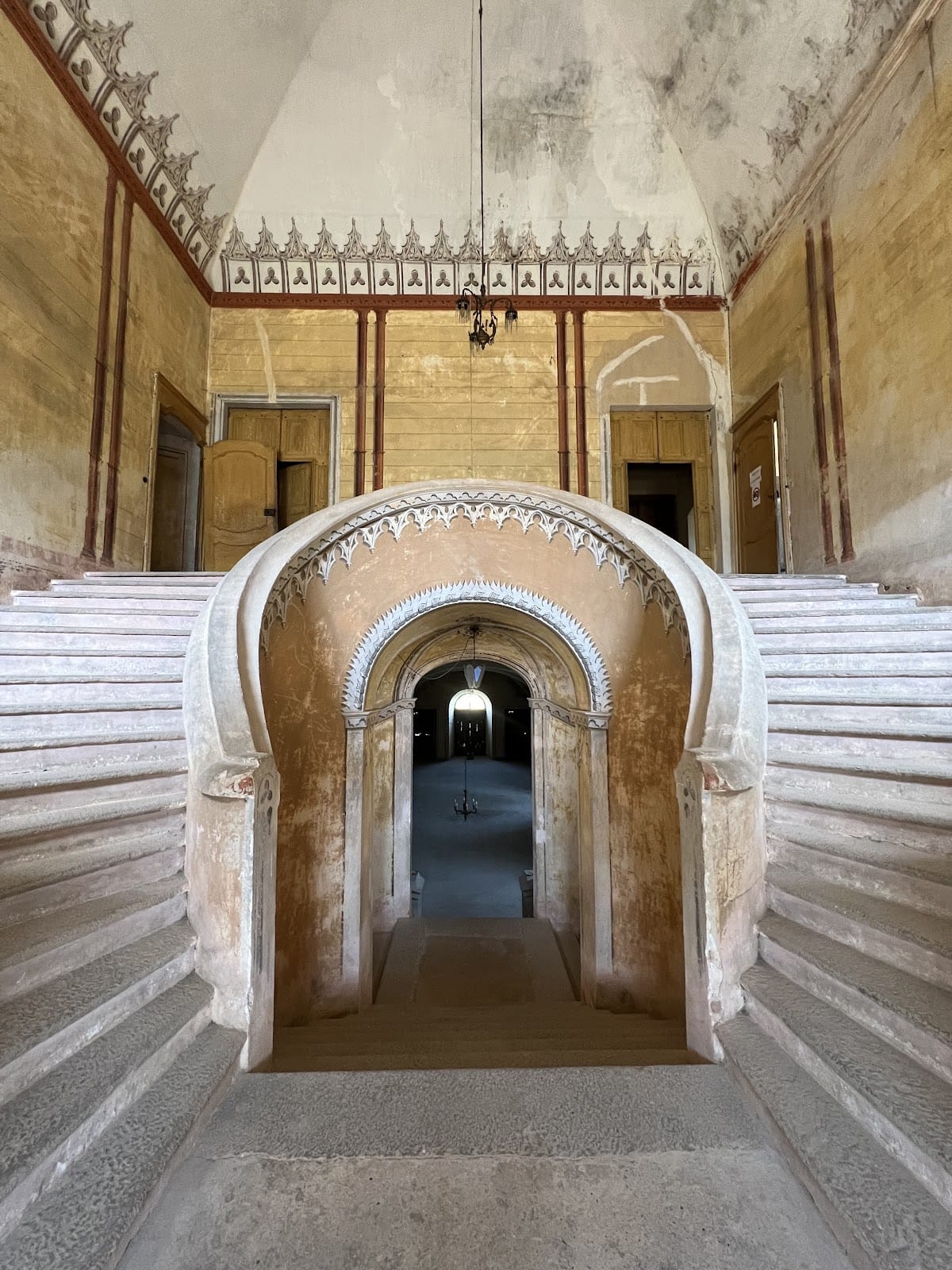
A renovation of the facade in 1600 changed the character of the complex from a military stronghold into a luxury mansion. The castle then served as a summer residence, including for Charles Emmanuel I, Duke of Savoy, whose ruling house controlled Savoy and later substantial areas of northwestern Italy, and for Giambattista Bodoni, the Italian printer and type designer associated with the Bodoni typeface.
In the early twentieth century, the family line of the counts of Verzuolo died out, and ownership passed to Amedeo Mola di Larissé. The castle later fell into neglect. On 18 June 1916, one of its two rectangular towers collapsed, destroying much of the archives, including important documents concerning the history of Piedmont. The remaining rectangular tower and the Belvedere tower were demolished in 1938. The castle is designated Italian national heritage.
Remains
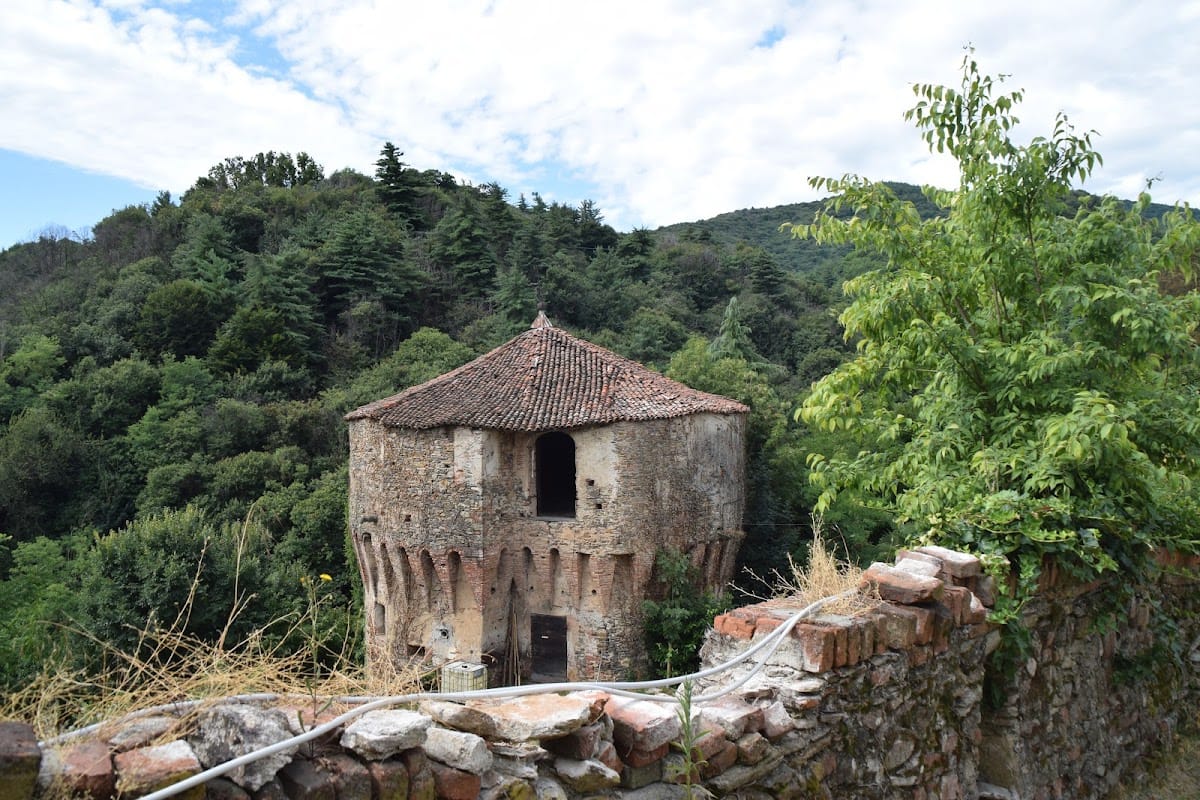
The surviving castle reflects two major phases of development. Its origins and enlargement belonged to a fortified medieval complex, while the facade renovation of 1600 gave it the appearance of a luxury mansion. The structure also included two rectangular towers and a Belvedere tower, although the tower elements were later lost through collapse and demolition.
Fortified elements
The castle’s original military character was reinforced during the rebuilding ordered in 1377, when it was enlarged and made more heavily fortified. Two rectangular towers formed part of the complex. One fell on 18 June 1916, and the other was demolished in 1938. The Belvedere tower was also removed in 1938.
Sixteenth- and seventeenth-century appearance
The facade was renovated in 1600, producing the outward character of a luxury residence rather than that of a primarily military fortress. This alteration accompanied the castle’s later use as a summer residence and represents the principal recorded change in the character of its architecture.