Castello di Marchierù: A Historic Residence in Villafranca Piemonte
Site at a Glance
- Rating
- 4.4
- Popularity
- Low
- Country
- Italy
- Primary era
- Medieval
- External website
- Open
- Eras represented
- Medieval
- Civilizations
- Unclassified
- Site type
- Domestic
- Remains
- Castle
On this page5 sections
History
Castello di Marchierù is a restored historic residence in Villafranca Piemonte, Italy, with origins reaching at least to 1220. In that year, a document concerning the donation of property to the Abbey of Santa Maria di Cavour mentioned the estate. Located in Borgata Soave, it later developed through a succession of noble owners and became an agricultural estate associated with advanced cultivation and irrigation.
Medieval Origins and Savoy Succession
The original owners were the lords of Barge. On 11 March 1251, an act transferred the castle to Thomas II of Savoy, a member of the medieval Savoy dynasty. Through his son Thomas III, it later passed to Philip of Savoy-Acaia, founder of the Savoy-Acaia branch, which was connected with the princely territories of Acaia and Piedmont.
Philip’s natural daughter Francesca inherited the property and married Antonio Bocchiardi. The estate subsequently went to the Petitti family, cousins of Antonio Bocchiardi and children of Beatricina of Acaia. The Petitti family retained it until 1482. In 1483, ownership returned to the House of Savoy, the dynasty that controlled territories in the western Alps and later became the royal house of unified Italy. Half of the property was assigned to Filiberto Acaia-Racconigi and the other half to his sister Claudia, who married Besso Ferrero, Marquis of Masserano.
From the Solaro Family to the Filippi Estate
In 1640, the castle passed to the Counts Solaro of Macello through Ottavia Solari of Moretta, wife of Filiberto d’Acaia-Racconigi, who thereafter became Solari-Savoia. In 1750, the entire property was made a commandery, an administrative and property-holding unit associated with a religious or military order, under the Sovereign Military Order of Malta. The estate later passed in equal shares from the Solaro family to the Cacherano of Osasco and Filippi of Baldissero families.
Vittorio Ignazio Filippi of Baldissero redeemed the entire property in 1827. He was the cousin of Policarpo Cacherano of Osasco. Under Carlo Alberto Filippi of Baldissero, the estate entered a period of prosperity. Filippi was the godson and page of Carlo Alberto of Savoy, a nineteenth-century ruler of the Kingdom of Sardinia, and served as standard-bearer of the Genoa Cavalry during the First Italian War of Independence, the 1848–1849 conflict in which Sardinia challenged Austrian rule in northern Italy. He also belonged to the Royal Academy of Agriculture of Turin and was a cousin and friend of Camillo Benso, Count of Cavour, the Piedmontese statesman who played a leading role in the political unification of Italy.
With the support of his son Enrico, Carlo Alberto Filippi applied advanced cultivation and irrigation methods across the estate, and Enrico completed this work. Enrico later married Maria Arnaud of San Salvatore, a descendant of the French Richelieu and Gallifet families.
Later Inheritance and the Treaty Room
The property eventually passed to Camilla, the last heir of the Filippi family, after her marriage to Count Vittorio Prunas Tola. Their son Severino inherited it, followed by the current owner, Countess Paola Prunas Tola Mariconda. Severino, like Filippi, was an agricultural academician.
In 1991, the national council of the Association of Former Students of the Nunziatella Military School met at the castle. The Nunziatella, an Italian military educational institution founded in Naples in the eighteenth century, held its first council meeting outside its usual premises in the room associated with the signing of the “Treaty of Cavour.” This sixteenth-century agreement concerned relations between the House of Savoy and the Waldensians. The meeting was hosted by the president of the association’s Piedmont–Aosta Valley section, then presided over by the current owner.
The origin of the name “Marchierù” remains uncertain. The most widely supported explanation connects it with a term meaning marshy or highly irrigated, referring to the area’s numerous constant-temperature springs and its continuing capacity for irrigation. Other proposals link the name to the nearby Marquisate of Saluzzo and the estate’s frontier position, or to the French word macheron, supposedly describing rubble left after Frederick Barbarossa’s passage.
Remains
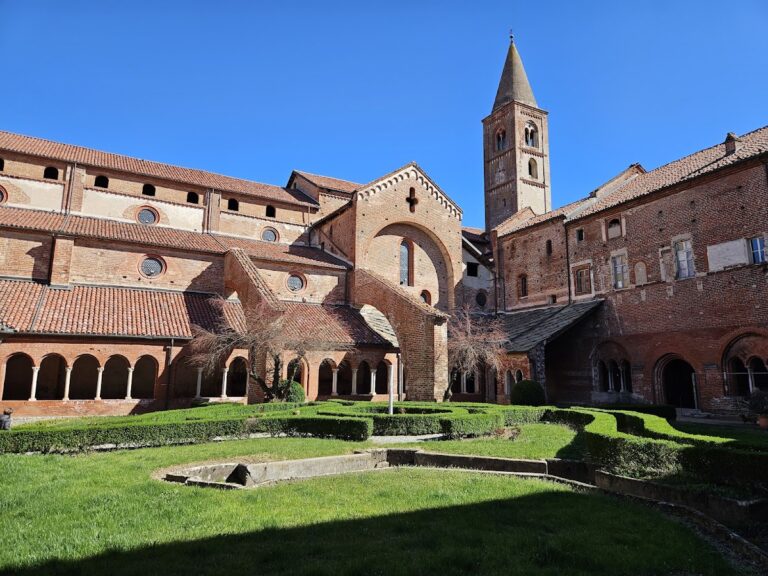
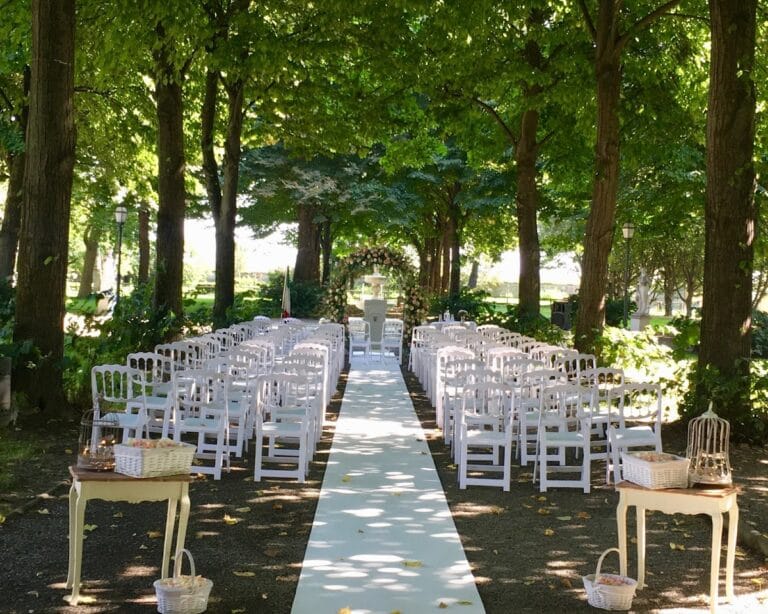
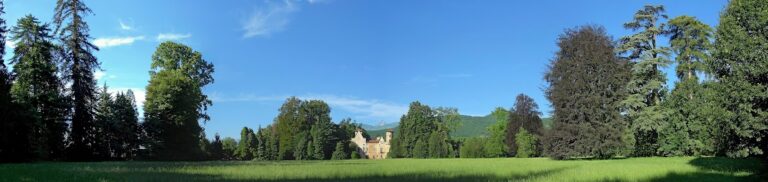
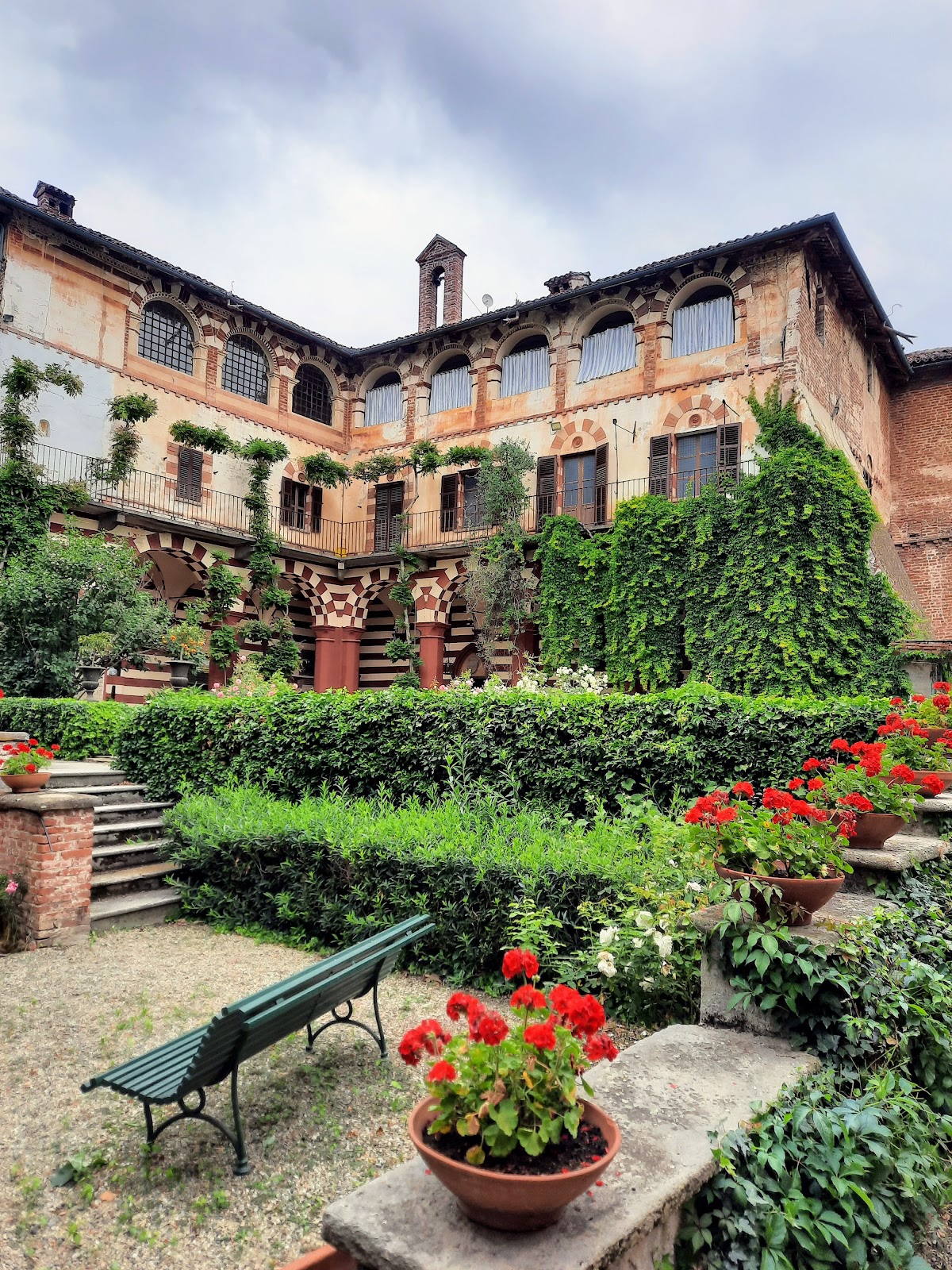
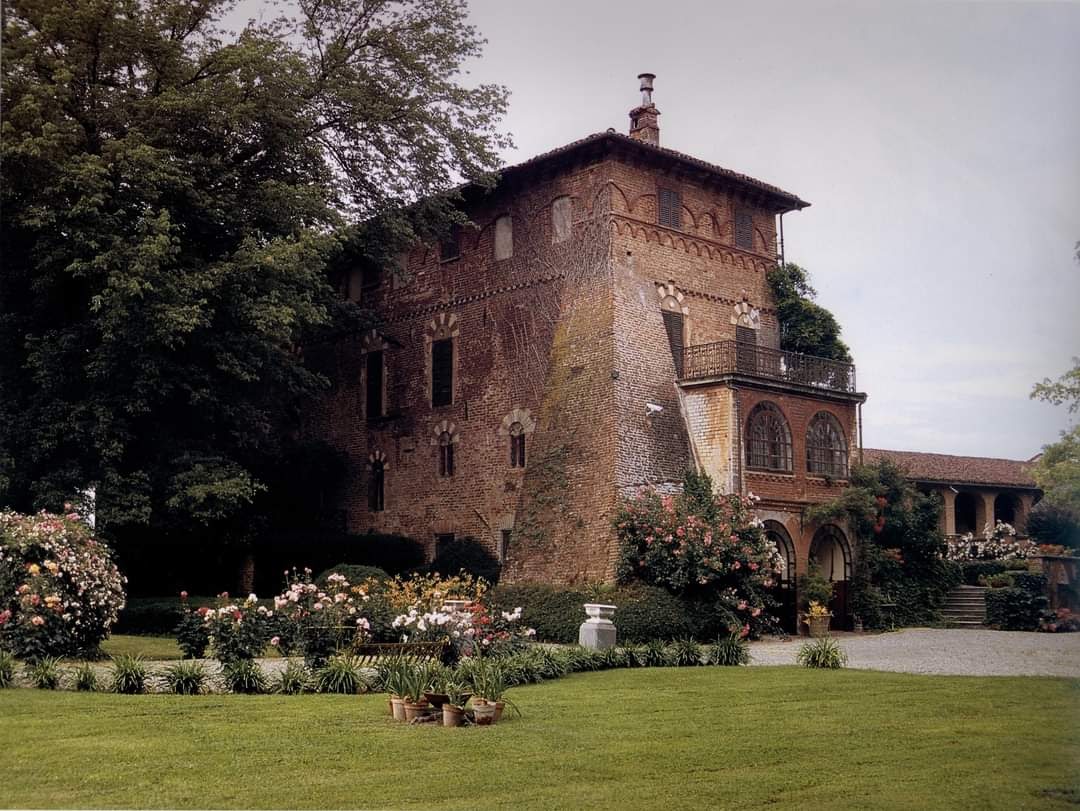
Castello di Marchierù survives as a restored historic residential building in Borgata Soave. The property includes an interior park and a room associated with the signing of the “Treaty of Cavour.” Its physical identity is therefore formed by the residence, its cultivated estate setting, and these named internal and landscaped elements, while the available description does not specify a plan, construction materials, dimensions, or surviving medieval defensive details.