Ely Castle: A Norman Motte-and-Bailey Fortress


Site at a Glance
- Rating
- 4.4
- Popularity
- Very Low
- Country
- United Kingdom
- Primary era
- Medieval
- External website
- Open
- Eras represented
- Medieval
- Civilizations
- Norman
- Site type
- Military
- Remains
- Castle
On this page9 sections
History
Ely Castle was a Norman motte-and-bailey fortress in Ely, United Kingdom, built in 1070 on the orders of William I, also known as William the Conqueror. It formed part of the campaign to subdue the Isle of Ely during the resistance led by Hereward the Wake, an English opponent of the Norman conquest in the fenland region.
Norman Conquest and Early Abandonment
Once Ely had been brought under Norman control, the castle’s motte was abandoned. A motte-and-bailey castle combined a fortified earth mound, normally crowned by a stronghold, with an adjoining enclosed defensive area called a bailey.
Refortification and Medieval Conflict
During the Anarchy, the twelfth-century civil war between supporters of Empress Matilda and King Stephen, Nigel, Bishop of Ely, refortified the castle in 1140. The stronghold later surrendered to Stephen, who was king of England. In 1143, Geoffrey de Mandeville, an Anglo-Norman nobleman and military figure, was placed in charge of the castle.
A castle at Ely was reportedly captured and destroyed by Falkes de Breauté, a military commander active in early thirteenth-century England, in 1216. During the Second Barons’ War, a thirteenth-century conflict between rebellious English barons and the Crown, Ely and its fortifications were captured in 1268. The castle built by Bishop Nigel is thought to have been demolished soon afterward.
Excavation and Interpretation
Archaeological excavation took place on the mound in 2002. The investigation was abandoned in early 2003 when the town council did not fund an extension. Finds from the excavation are displayed at Ely Museum, preserving material evidence for the castle and its period of use.
Remains
Cherry Hill and the Castle Mound
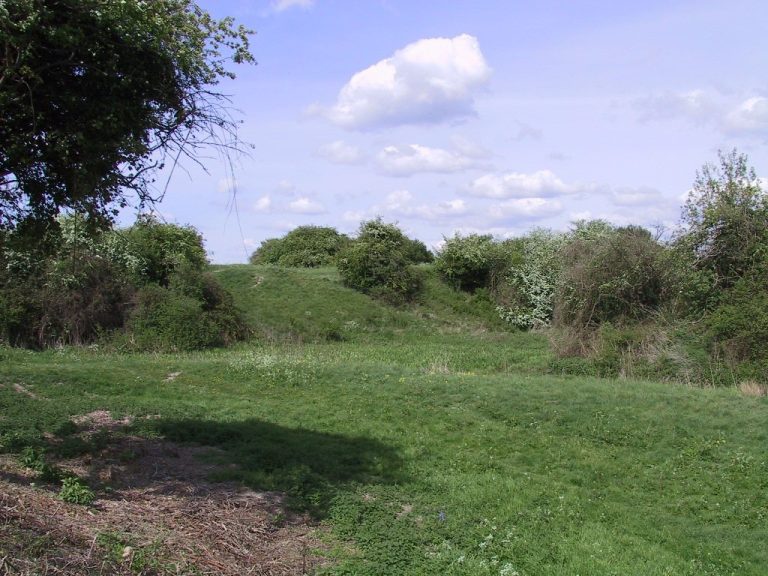
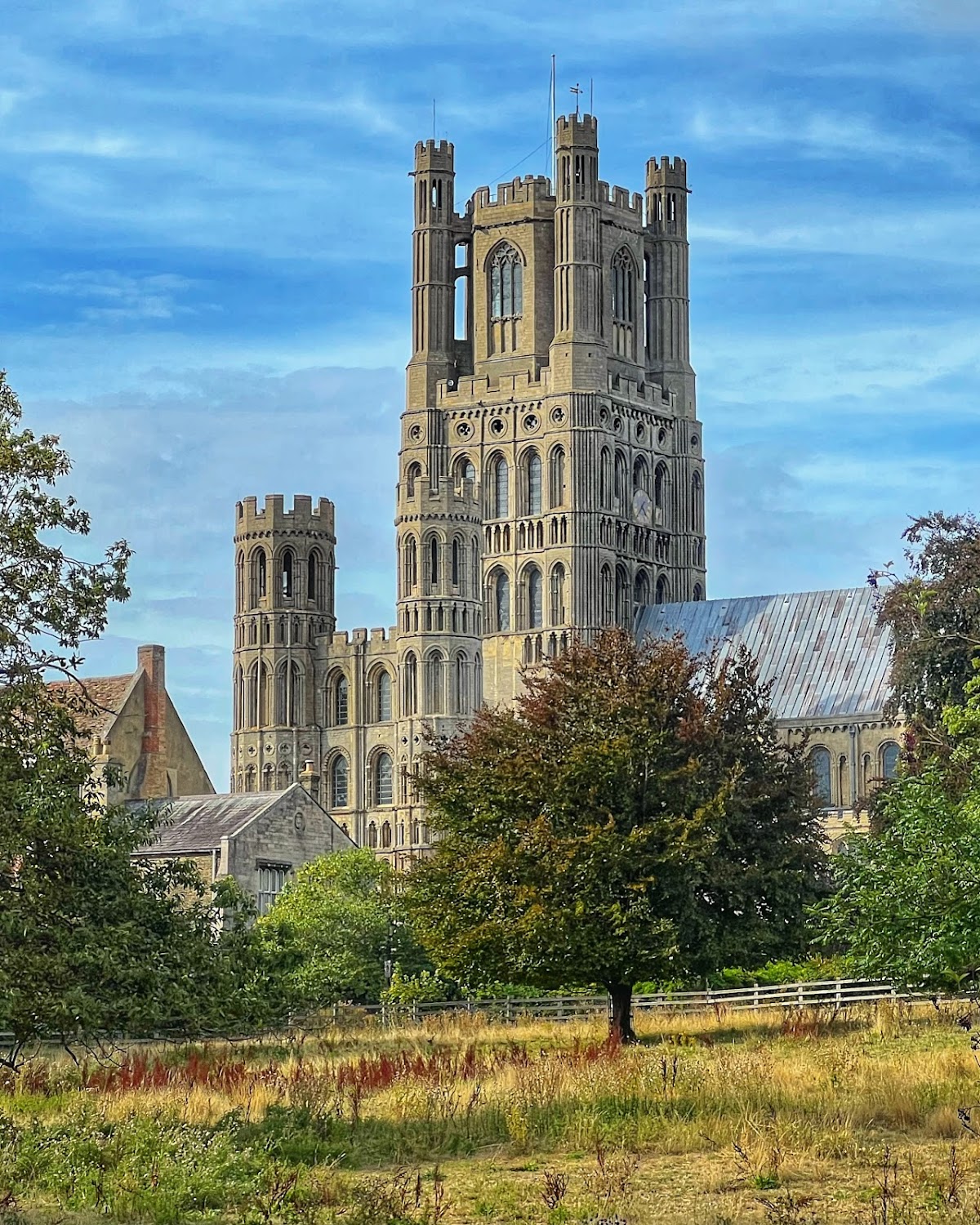
The probable site of Ely Castle is a mound near Ely Cathedral, now called Cherry Hill. The motte is thought to have occupied this raised ground, which stands at approximately 27 metres above sea level in an otherwise generally flat landscape. The mound is the visible surviving remnant of the castle and represents the earthwork at the centre of its motte-and-bailey design.
Excavated Objects
Pottery and Domestic Life
The 2002 excavation uncovered large quantities of clay objects, including jugs and bowls used in everyday Norman life. These finds provide evidence of domestic activity associated with the castle site.
Tools and Clay Construction Material
Farming and hunting tools were also recovered, including bronze examples associated with the transition from Viking to Norman settlement after 1066. Significant quantities of clay were found as well. Clay was often used to seal or surface the exterior of a motte, linking this material to the construction and maintenance of the earthwork. The excavated objects are housed and displayed at Ely Museum.