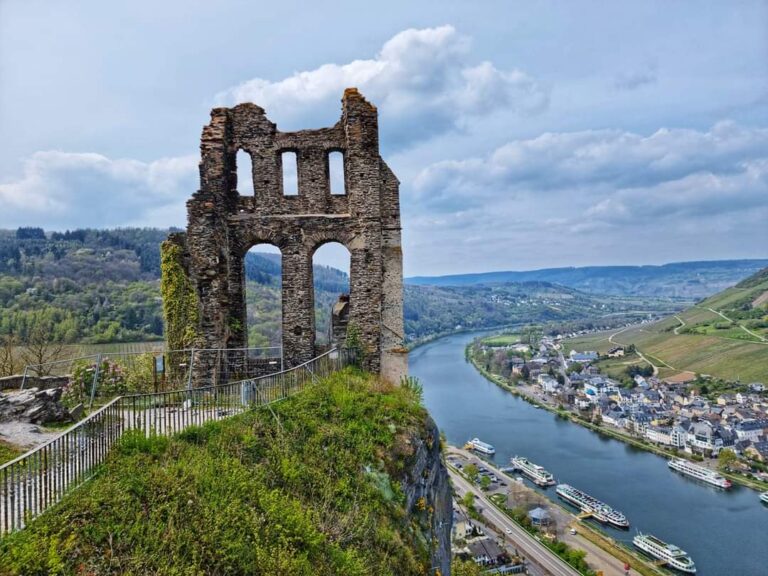
Burg Dill: A Medieval Territorial Castle in Germany
Site at a Glance
- Rating
- 4.7
- Popularity
- Low
- Country
- Germany
- Primary era
- Medieval
- Eras represented
- Medieval
- Civilizations
- Holy Roman Empire
- Site type
- Military
- Remains
- Castle
On this page7 sections
History
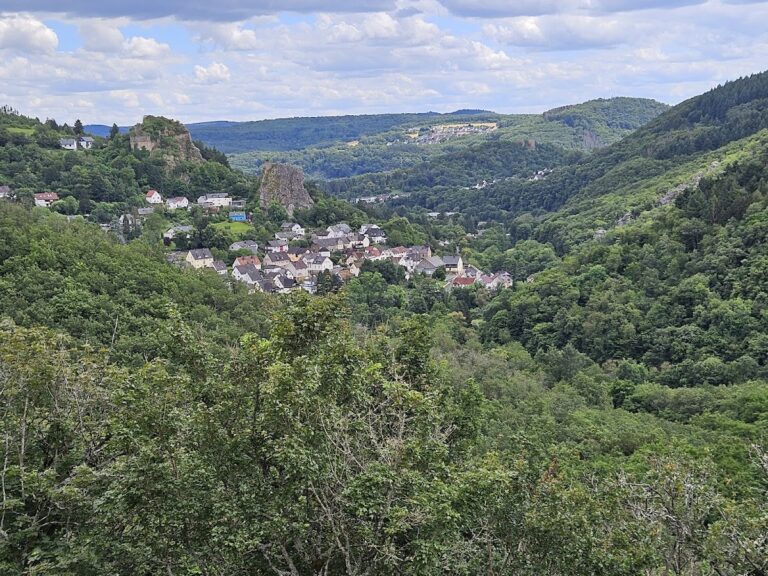
Burg Dill is a ruined spur castle in Dill, Germany, built in the eleventh century on a projecting mountain ridge above the Dillerbach. It probably replaced an earlier Roman or Celtic fortified site and served as a territorial castle, a stronghold through which a ruling house exercised authority over its region. Its presumed founder was Adalbert von Dill, Count of Mörsberg, and the castle became associated with the County of Sponheim.
Sponheim Lordship
A contract from 1130 links Burg Dill to the political and religious authority of the surrounding area. Meginhard of Sponheim and his wife, Mechthild of Mörsberg, made the agreement with Adalbert I of Saarbrücken, Archbishop of Mainz. It stated that lawful possession of the castle included the protective bailiwick over the Augustinian Canons’ collegiate foundation at Pfaffen-Schwabenheim. This bailiwick was a secular responsibility for protecting the religious institution, together with associated jurisdictional or administrative rights.
Capture and Destruction
Burg Dill was drawn into a feud over Schmidtburg in 1329. Balduin of Luxembourg, Archbishop and Elector of Trier, besieged and captured the castle. As an elector, Balduin held a political role in choosing the German king. In 1338, the Archbishopric of Trier returned Burg Dill to the Counts of Sponheim as a fief.
French forces destroyed the castle in 1697 during the War of the Palatine Succession, a late-seventeenth-century conflict connected with French claims and expansion in the Palatinate and neighboring territories. The village of Dill was spared. The ruins were repaired in 1966–1967 and again in 1970. After remaining in private ownership for a long period, the complex was acquired by the local municipality in 2020.
Remains
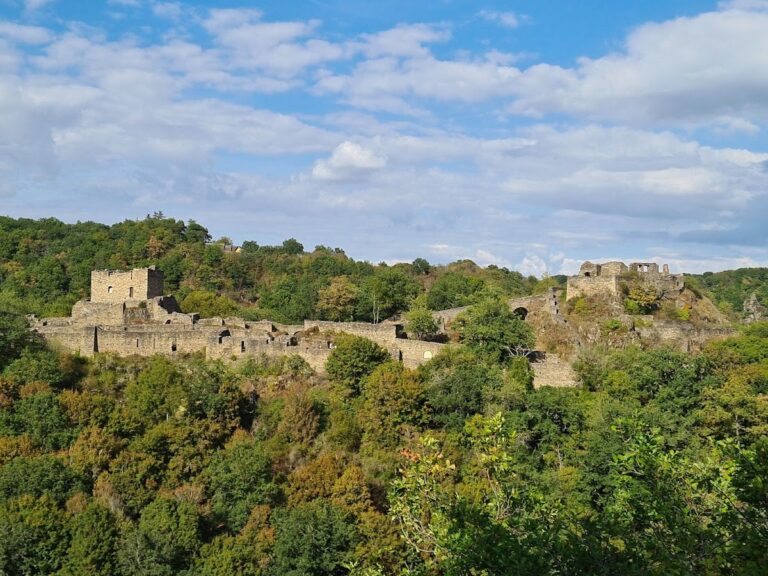
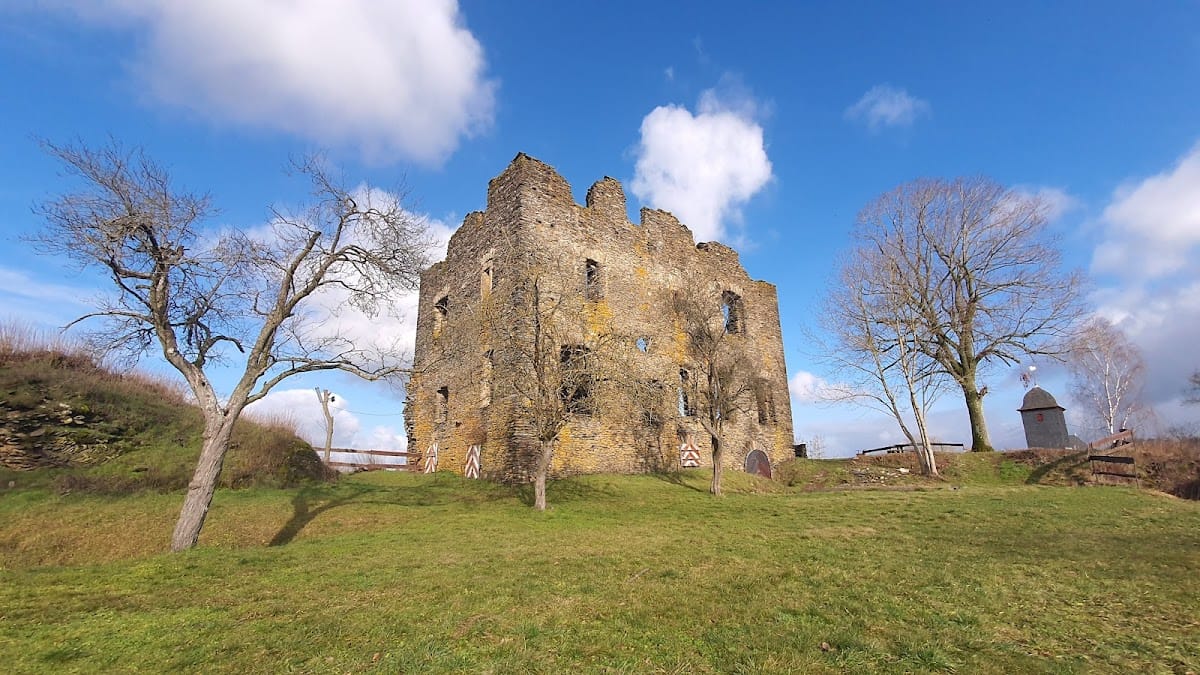
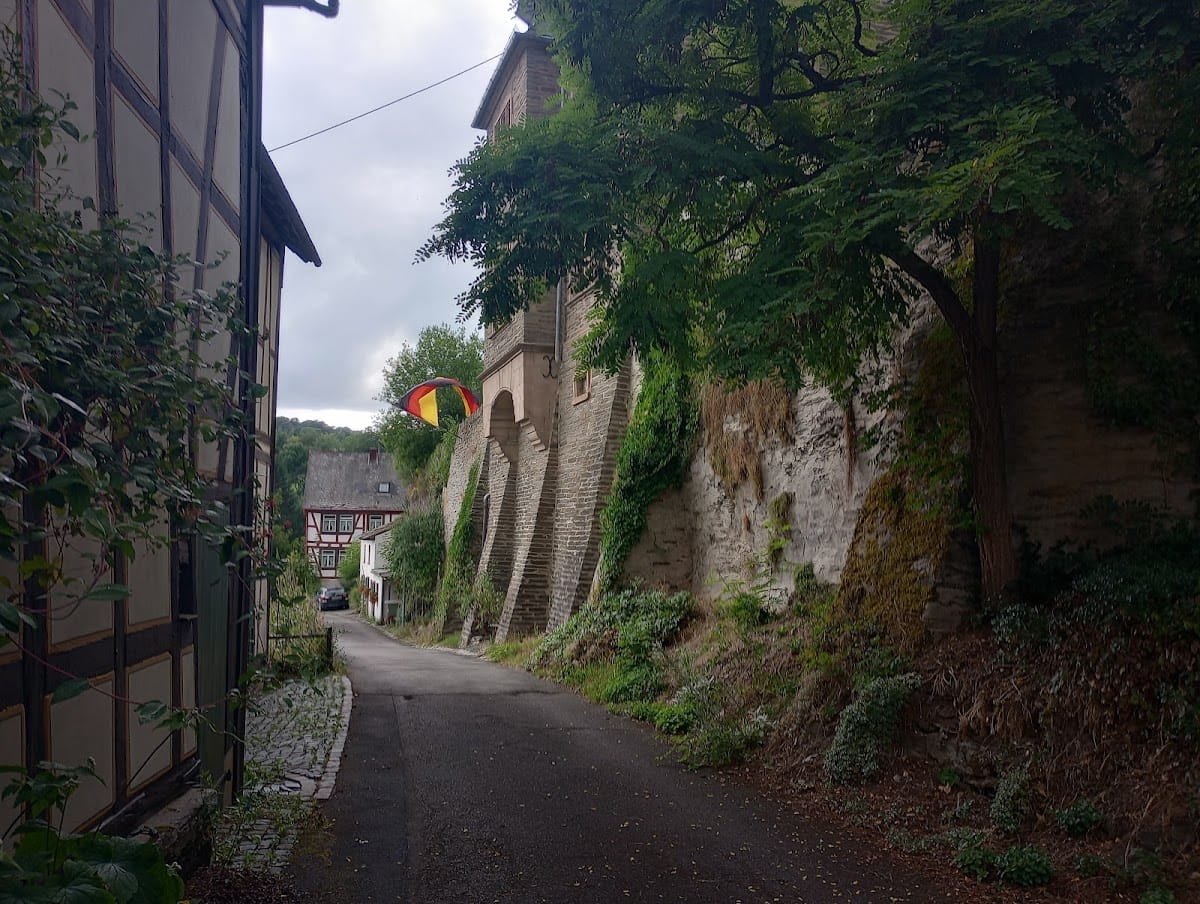
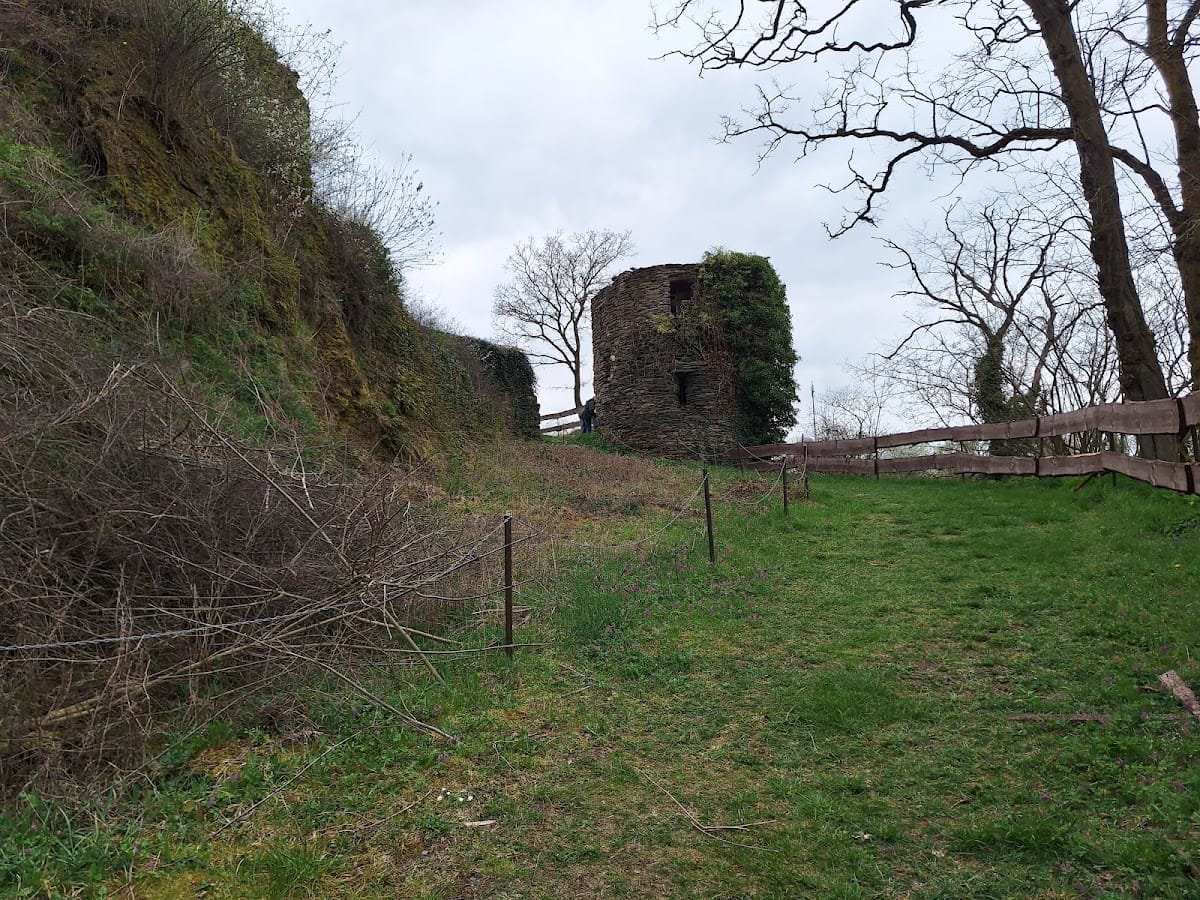
Burg Dill occupies a mountain spur above the Dillerbach. Its core castle stands at the highest point in the north, with the lower castle to the east. The outer bailey, the area beyond the main fortified core, extends west and south. Surviving foundations, enclosing walls, building remains, and later uses of parts of the complex preserve the arrangement of the former stronghold.
Core Castle
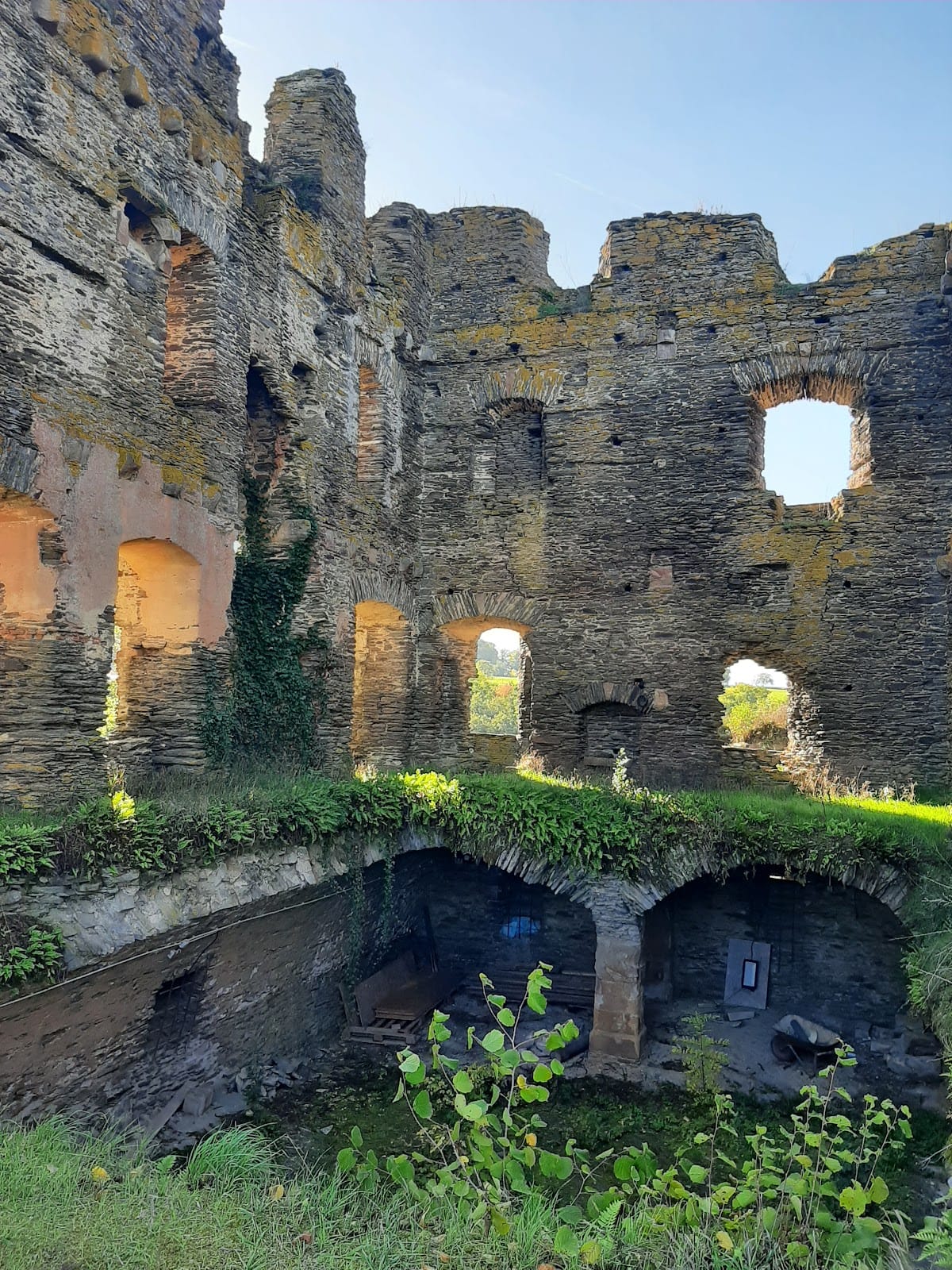
The core castle contains the remains of a rectangular residential building that stood 19 metres high and had four storeys. It measured 18 by 12 metres, and three of its side walls survive. An external latrine projection, a medieval toilet structure that discharged waste outside the building, is attached to the north wall. Parts of its basement, covered by a barrel vault, remain accessible.
West of the core castle, exposed sections of the enclosing wall contain masonry arranged in a herringbone pattern. In this technique, stones are laid diagonally in alternating directions to form a pattern resembling fish bones.
Lower Castle
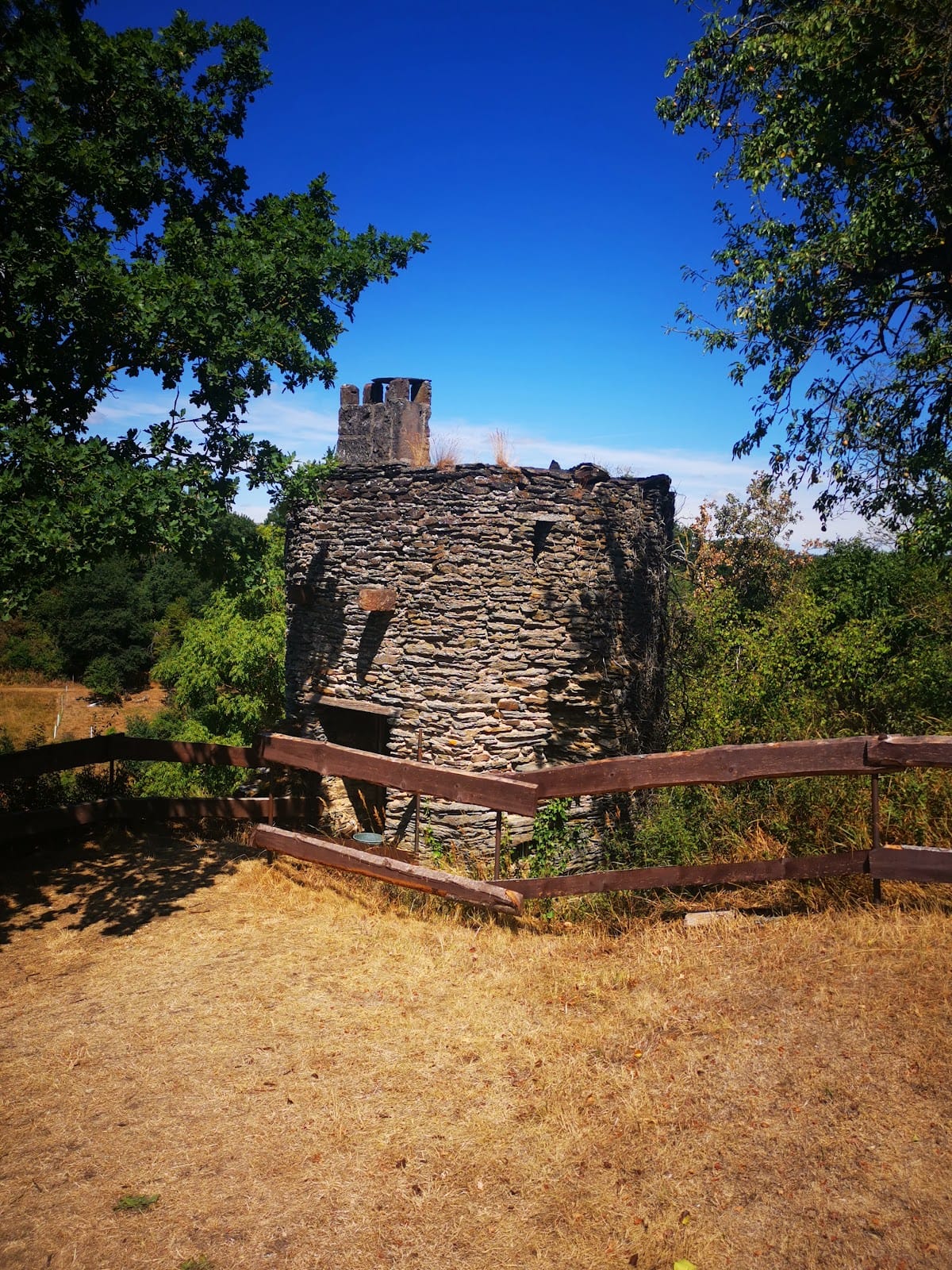
The lower castle occupies the eastern part of Burg Dill. An Evangelical church stands on the site of the former castle chapel, while a well house has been converted into a holiday home. A modern residential building also occupies this part of the complex, placing surviving castle-related features within a later built setting.
Outer Bailey
Remnants of the foundations and enclosing walls survive in the western and southern outer bailey. Parts of this former fortified area are now used as a garden, while the remaining masonry preserves the extent of the castle beyond its residential and defensive core.