Château de Réveillon: a Renaissance Château and Historic Estate in France
Site at a Glance
- Rating
- 4.4
- Popularity
- Low
- Country
- France
- Primary era
- Early Modern
- External website
- Open
- Eras represented
- Early Modern
- Civilizations
- French
- Site type
- Domestic
- Remains
- Castle
On this page15 sections
History
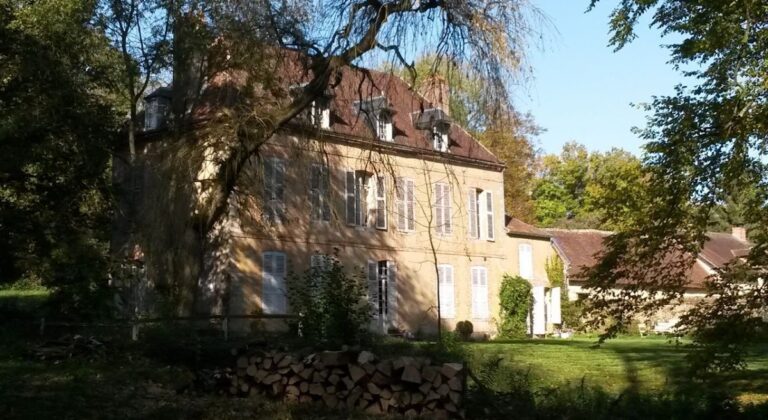
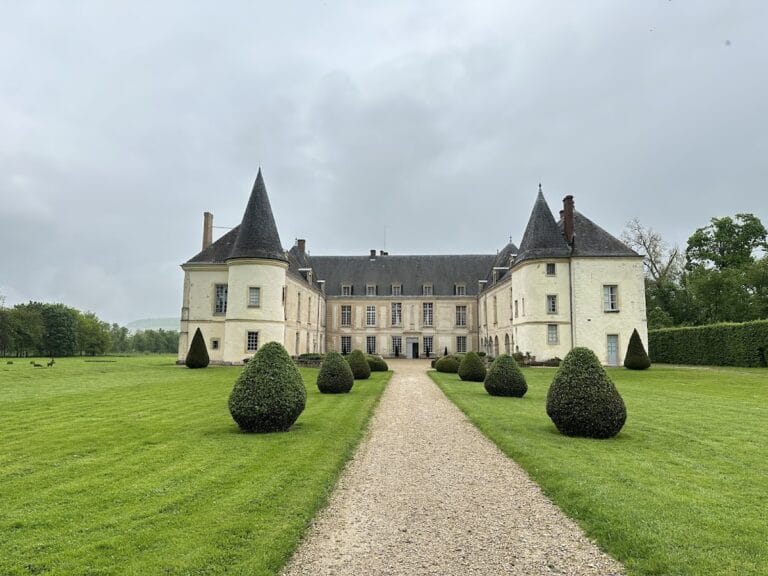
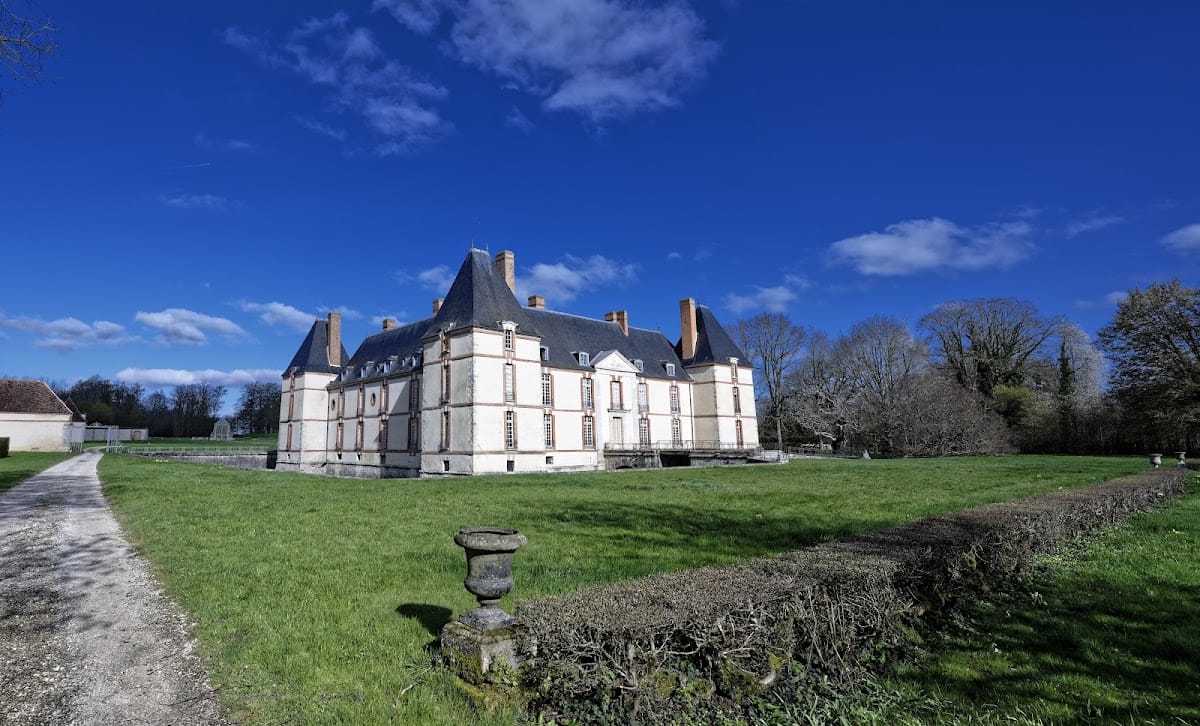
Château de Réveillon is an early-seventeenth-century Renaissance château in France, built in the Louis XIII style in the commune of Réveillon, in the Marne department. Claude II d’Ancienville and his wife, Judith Raguier, lady of Esternay, constructed the present building between 1607 and 1617 on the foundations of an earlier feudal castle about which little is known. The estate later became a residence shaped by aristocratic building, agricultural interests, literary connections, war, and successive restoration campaigns.
Construction and seventeenth-century owners
An inspection carried out in 1640 found that the château was still unfinished. Dormer windows, leadwork, gutters, floors, doors, windows, plasterwork, and areas of masonry remained incomplete. Michel Larcher, president of the Chamber of Accounts, a royal institution responsible for auditing and overseeing financial administration, owned the property from 1640 to 1642. Jacques Galland, secretary to the king and a councillor of state responsible for financial administration, followed him and held the estate until 1672.
From 1672 to 1712, ownership belonged to Anne de Fieubet de Launay and her son, Paul de Fieubet de Réveillon. Philippe Millien then owned the château from 1712 to 1719. In 1663, during Jacques Galland’s ownership, his widow Marguerite Le Camus planted the avenue of Retourneloup and is also associated with the creation of the formal garden.
The de Cotte and d’Argenson transformations
René Louis Voyer de Paulmy, Marquis d’Argenson, bought the estate in 1719. He commissioned major alterations, including the sculpted pediment on the garden side and changes to the openings of the main residential block and both wings. The cost of this work left him heavily indebted, and he sold the château and estate to Jules-Robert de Cotte in 1730.
De Cotte, the king’s architect, repaired the building and added wood paneling and paintings to its interiors. He also commissioned scenes of the Réveillon estate’s farms, reflecting aristocratic interest in agriculture and planned improvement of rural production. He built service buildings for his stables and arranged them as a symmetrical counterpart to the farm buildings around the green court before the château. The honor gate on the western side of the courtyard is attributed to him and follows the Louis XV style, an eighteenth-century French architectural and decorative period.
Nineteenth-century ownership and Madeleine Lemaire’s salon
In 1814, the Parisian notary Jean-Front Herbelin purchased the château from de Cotte’s heirs. His son, Jules Herbelin, married Jeanne-Mathilde Habert, a miniaturist and the aunt of the painter Madeleine Lemaire.
Madeleine Lemaire owned Réveillon in the late nineteenth and early twentieth centuries. Celebrated for her portraits and flower paintings, she also hosted a Paris salon attended by aristocrats and writers, including Alexandre Dumas fils, Anatole France, Jules Lemaître, and Marcel Proust.
Proust stayed at Réveillon with Reynaldo Hahn from 18 August to mid-September 1894, and returned in 1895. He described the garden’s horse-chestnut trees in Les Plaisirs et les Jours. The fictional dukes of Réveillon in Jean Santeuil also draw on the estate, while the château and Lemaire’s Paris salon appear to have informed his depictions of La Raspelière and Madame Verdurin in À la recherche du temps perdu, known in English as In Search of Lost Time.
War, decline, and restoration
The First World War largely spared the château. The front reached only the fringe of the estate on 5 September 1914, and German soldiers later camped overnight in the park. After her mother died in 1928, Suzanne Lemaire lived at Réveillon throughout the year.
The German army occupied the château in 1940. After the Second World War, the building fell into ruin. New owners acquired it in 1947 and began an unfinished restoration, in part because the state refused to subsidize the repairs. The château was classified as a historic monument on 8 June 1948. Since 1992, further owners have undertaken a major restoration campaign that saved the estate from the threatened collapse of the building. The entire estate, including its park, formal gardens, vegetable garden, and orchard, was classified on 9 August 1996. The garden is also included in the pre-inventory of remarkable gardens, and the property remains privately owned.
Remains
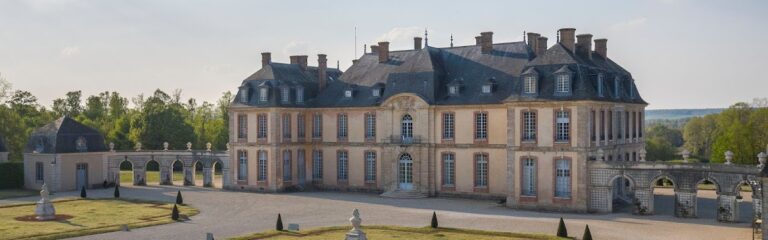
Château de Réveillon is organized around a U-shaped château opening onto a paved courtyard and surrounded by moats. The estate combines the early-seventeenth-century residence with farm and service buildings, a melon house, formal gardens, a green court, a vegetable garden, groves, a riding ring, and an orchard. Its buildings and grounds preserve successive phases of construction and redesign, from the Renaissance château to the eighteenth-century arrangements associated with Jules-Robert de Cotte.
The château and courtyard
The main building is an early-seventeenth-century Renaissance structure in the Louis XIII style. Its U-shaped plan forms the principal enclosure of the paved courtyard, while the moats surround the château. The garden-side pediment, added at the request of the Marquis d’Argenson, carries a sculpture of Minerva, the Roman goddess associated with war, wisdom, and the protection of the arts and sciences. Her shield displays the head of Medusa, a figure from Greek mythology whose severed head served as a protective emblem. The same period brought alterations to the openings of the central residential block and its two wings.
Inside the château, wood paneling and paintings installed under Jules-Robert de Cotte remain part of the decorative scheme. Among the paintings are scenes of the estate’s farms and rural agricultural activity. The honor gate closing the western side of the courtyard is attributed to de Cotte and is in the Louis XV style.
Farm and dovecote
Seventeenth-century farm
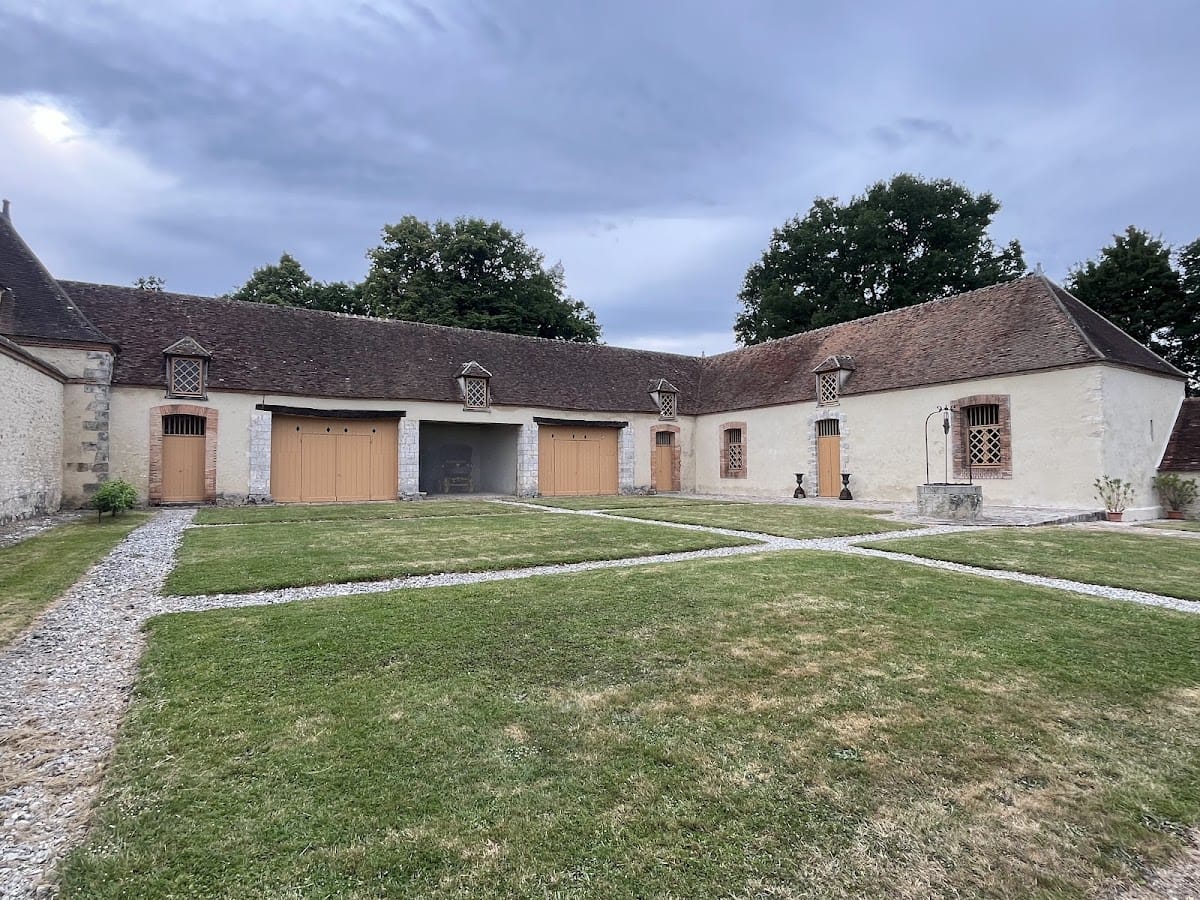
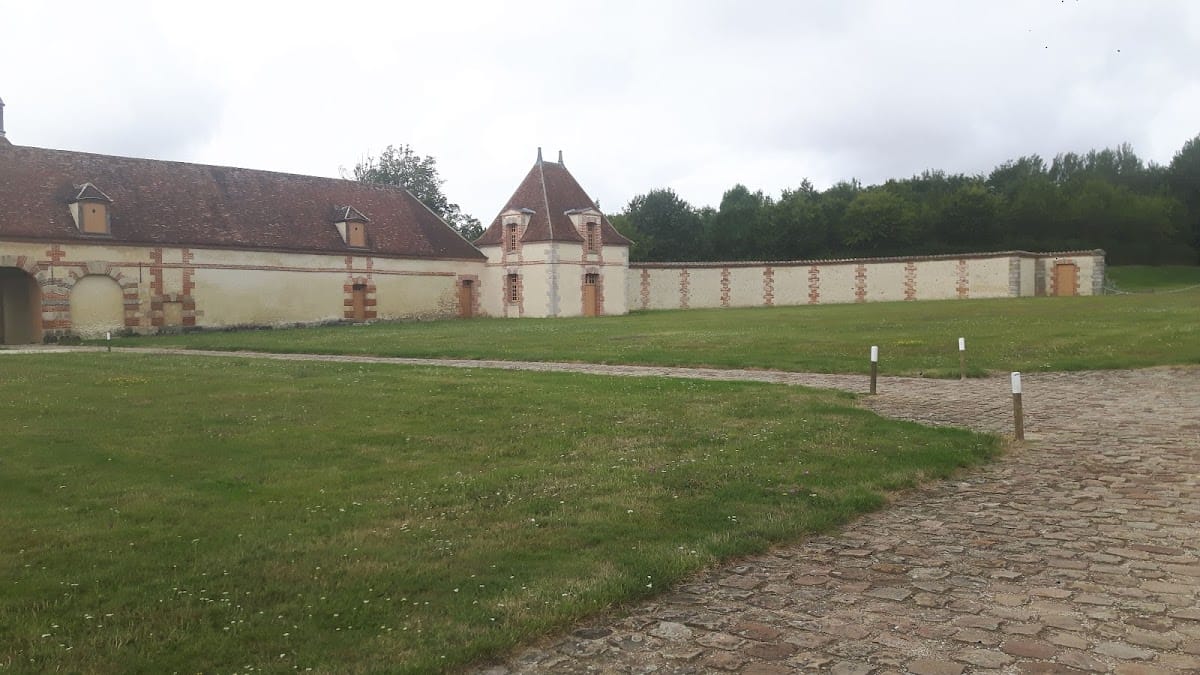
A farm dating from the seventeenth century forms part of the estate. Its brick-and-white-stone masonry is characteristic of construction in the first half of that century. The farm is positioned around the green court with the service buildings, forming part of the organized relationship between agricultural and residential areas.
Dovecote
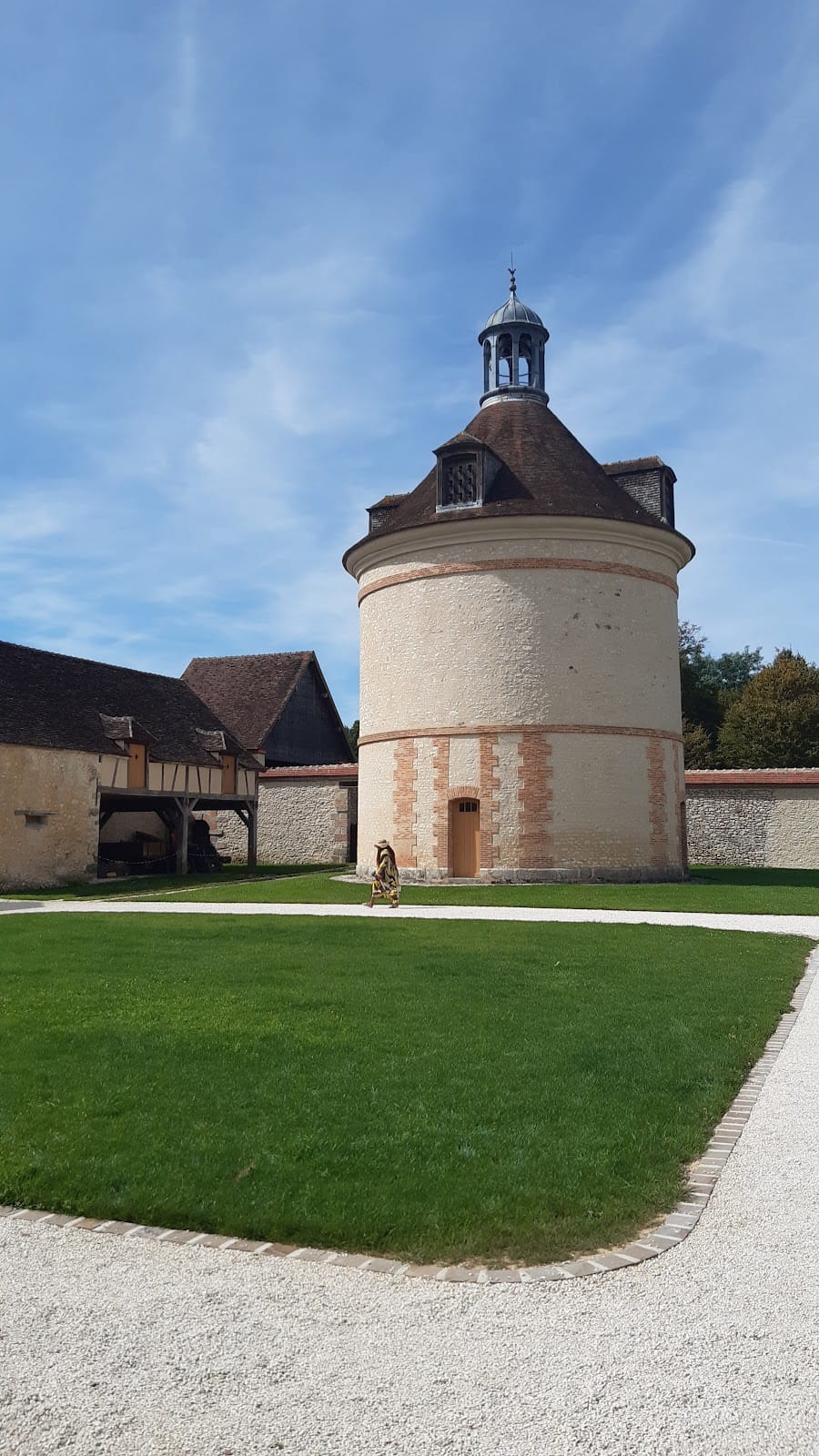
The farm’s principal feature is a dovecote, a building for keeping pigeons. Probably built after the farm, it is mentioned in a document dated 28 September 1697 as a large, tile-roofed structure standing in the middle of the courtyard. Its two levels include a vaulted lower room for storing tools and an upper room for pigeons. Approximately 3,500 masonry pottery nesting compartments, called boulins, are arranged in rows up the interior walls. Their arrangement indicates that the estate did not possess a lord’s right of justice, the authority to exercise jurisdiction over people and disputes within a territory.
During the 1992 restoration, the dovecote’s timber frame and roof were reconstructed to match the earlier work. The oak frame weighs 40 tonnes. The lower roof is tiled, while the lantern is covered in lead.
Service buildings and melon house
The service-building group was created by Jules-Robert de Cotte to house his stables and to balance the farm buildings around the green court. It includes a melon house whose wall system protects plants from wind and retains heat, making it possible to cultivate melons in the local climate.
Park and formal gardens
Formal garden and Retourneloup avenue
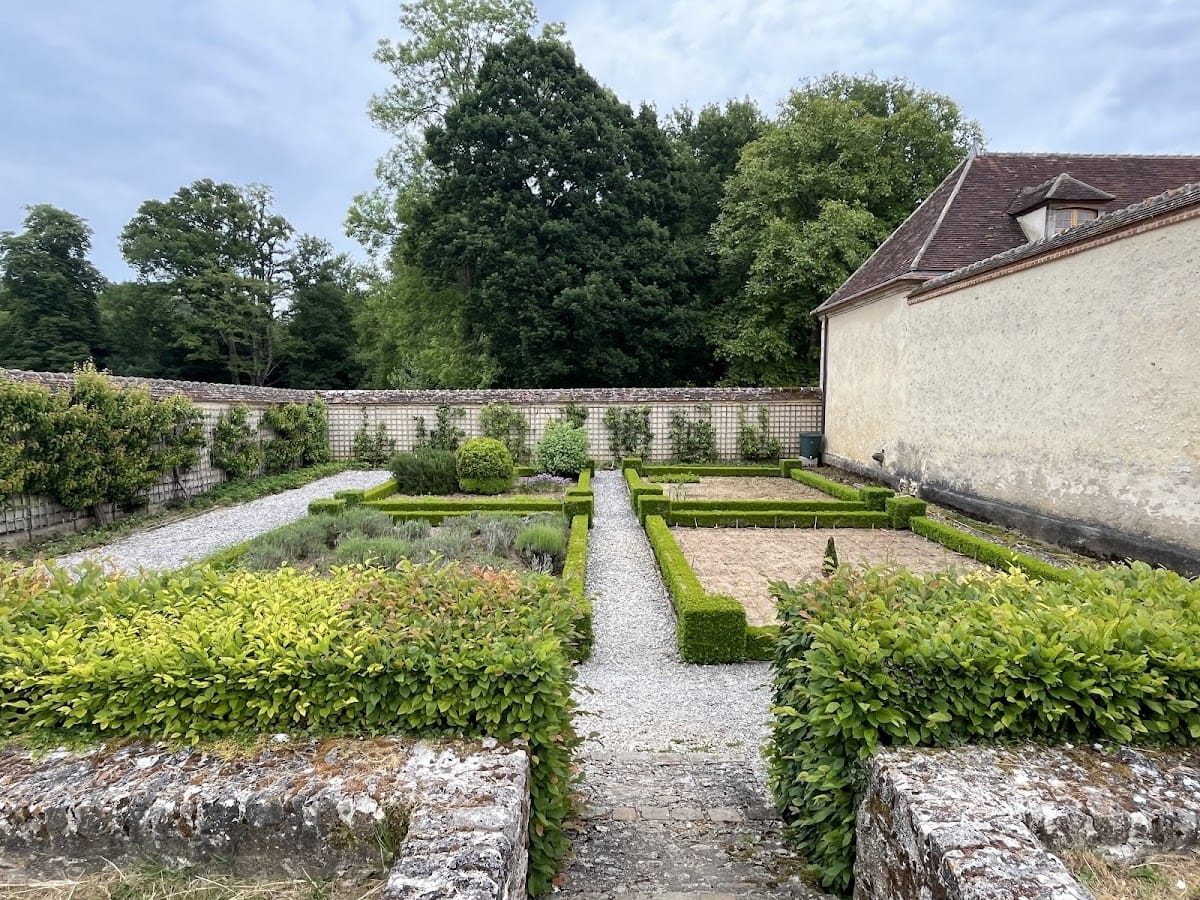
The approximately five-hectare park contains an east-facing formal garden, a western green court, and grounds beyond the enclosing walls extending from north to southwest. The formal garden follows a geometric arrangement of symmetry, straight avenues, controlled plantings, and long perspectives. Double rows of white horse-chestnut trees frame it, while a slightly raised area along the entire northern side is enclosed by a hornbeam arbour.
The avenue of Retourneloup continues the garden’s perspective. Planted in 1663 by Marguerite Le Camus, widow of Jacques Galland, it consisted of four rows of elm trees forming a central avenue and two parallel side avenues. A document from June 1663 also attributes the creation of the formal garden to her.
Green court
The western green court is flanked by two pavilions, one on its northern side and one on its southern side. Paved paths link the château, the farm, the service buildings, and the exterior of the estate.
Outer grounds
Beyond the enclosing walls are a riding ring, a large vegetable garden irrigated by the Réveillon River, two raised groves, and a large orchard. Paths through the groves heighten the garden’s perspectives and extend the designed landscape beyond the principal formal garden.