Knights Hospitaller Sites: Fortresses, Commanderies and Palaces
The Hospitaller collection contains more than 100 published sites in the current dataset. Its buildings span the order’s medieval fortresses in the Levant, houses and estates across Europe, and the later centres it held on Rhodes and Malta. Their uses changed with the order’s position: some guarded a frontier or harbour, while others housed a commander, managed land, or supported worship and care.
Use the map and grid to compare these settings and open detailed site articles. The examples below show how a single order adapted very different buildings, from a concentric castle above the Jordan Valley to an artillery fort in Malta.
Primary Function: All
Type: All
Country: All
Popularity: All
Rating: All
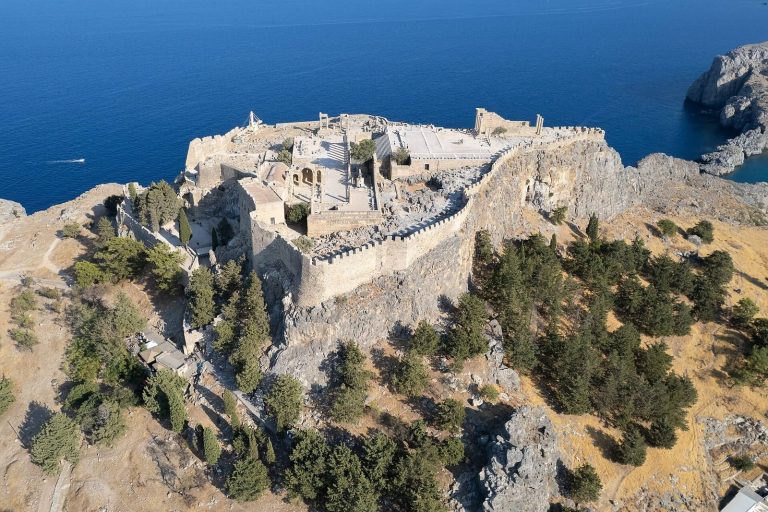
The Acropolis of Lindos is a 116-metre-high archaeological site where Greek sanctuaries, Roman structures, Byzantine and Hospitaller fortifications,…
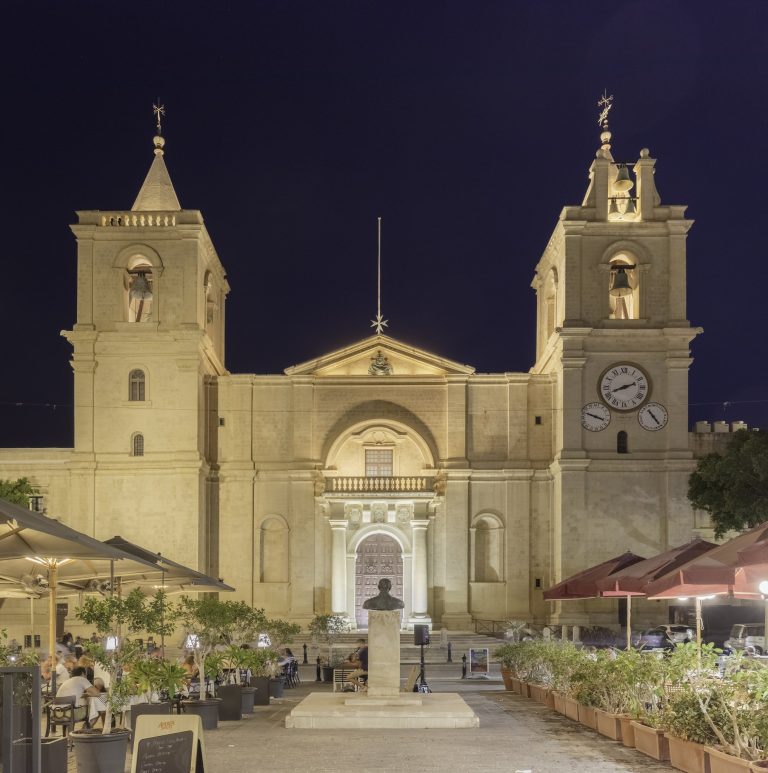
St. John's Co-Cathedral in Valletta was built for the Order of St John between 1572 and 1577. Its Mannerist exterior, Baroque interior, chapels of…
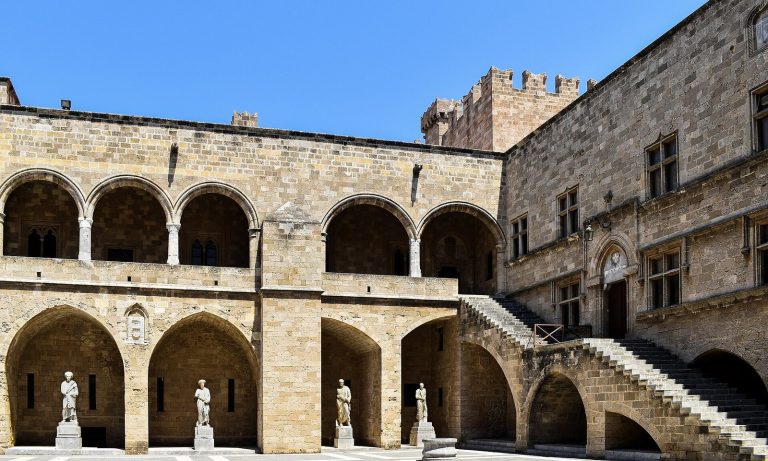
The Palace of the Grand Master in Rhodes, Greece, developed from a Byzantine citadel into the administrative residence and fortress headquarters of…
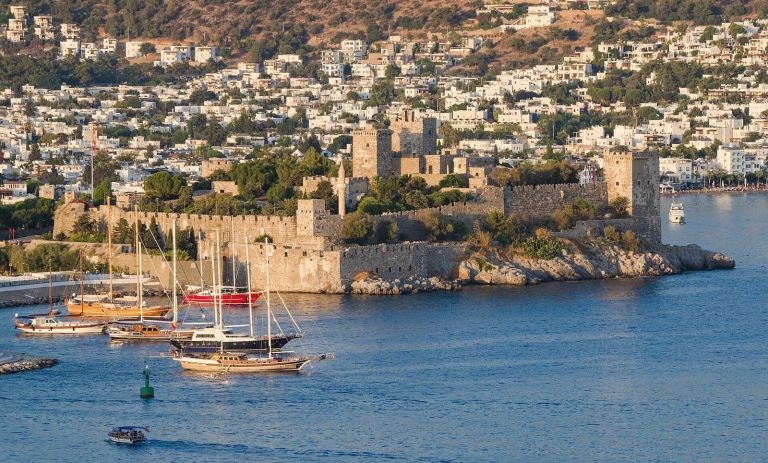
Bodrum Castle was built by the Knights Hospitaller from 1402 onward and became an Ottoman fortress before housing the Bodrum Museum of Underwater…
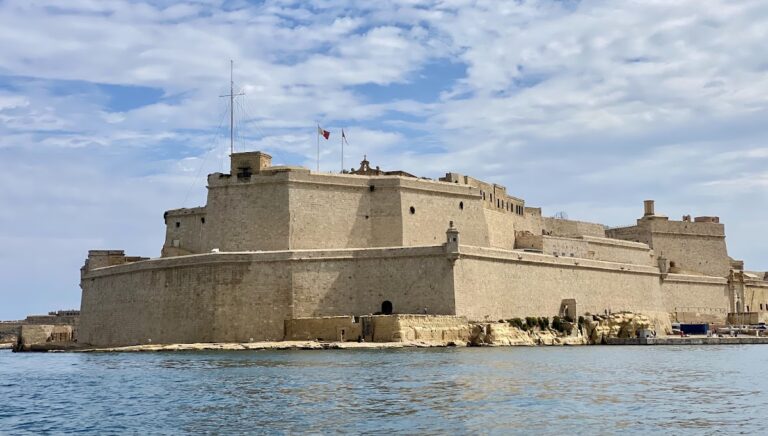
Fort St Angelo in Birgu developed from the medieval Castrum Maris into a major Hospitaller stronghold, British naval base, and restored heritage site…

Castle of la Muela, above Consuegra in Toledo, developed from an Islamic fortress into the headquarters of the Hospitallers of Saint John and retains…
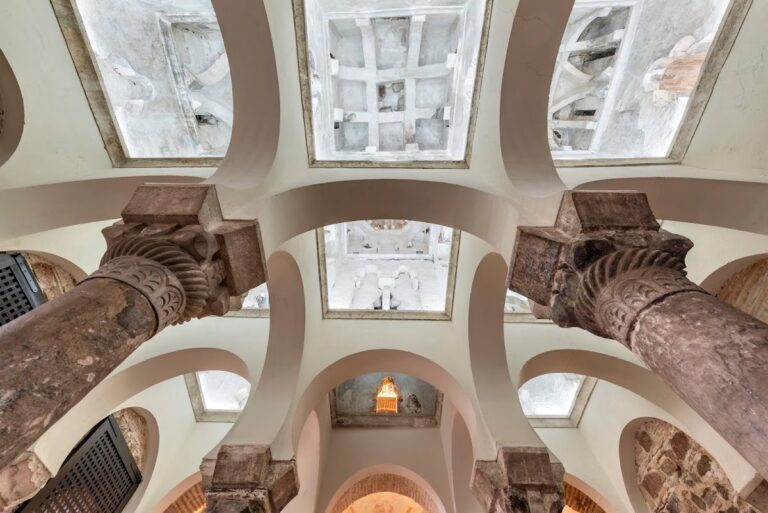
The Mosque of Cristo de la Luz in Toledo preserves evidence of Roman, Visigothic, Islamic, and Christian phases, including a mosque completed in 999…
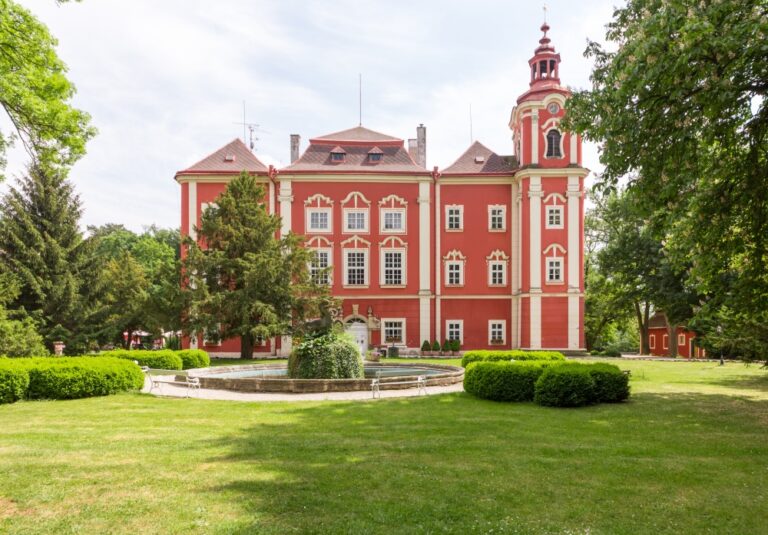
Dětenice Castle developed from a medieval wooden fortress into a Gothic, Renaissance, and late-Baroque residence. Its history includes confiscation…
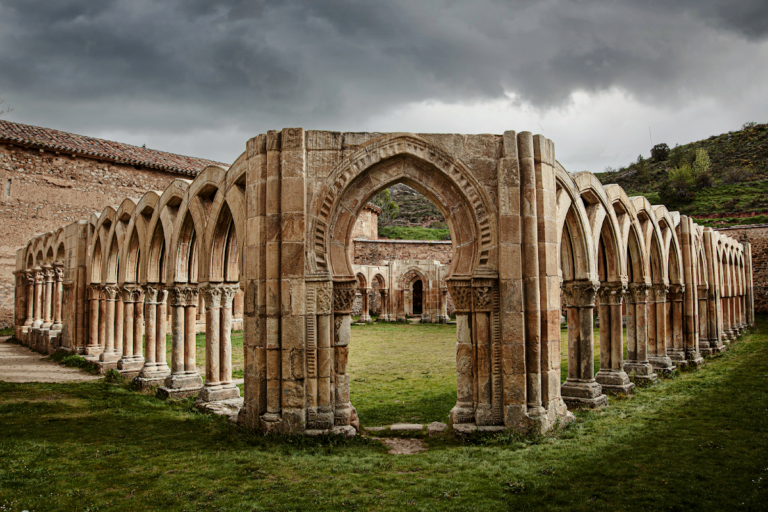
The Monastery of San Juan de Duero near Soria preserves a twelfth-century church and an unusual cloister linked to the Hospitallers of Saint John of…
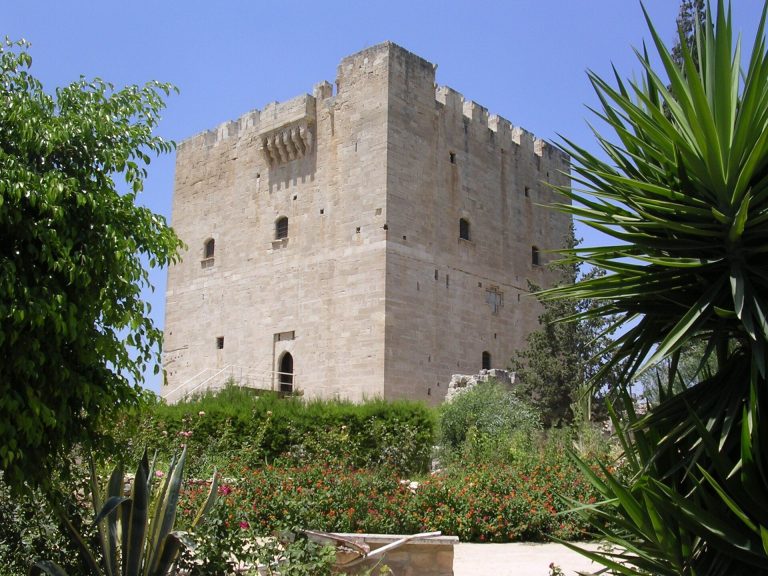
Kolossi Castle in Cyprus developed from a Frankish fortress into a Hospitaller headquarters, administrative center, residence, and sugar-processing…

Castello dell'Imperatore is a thirteenth-century imperial fortress in Prato, commissioned by Frederick II and later incorporated into Florence's…
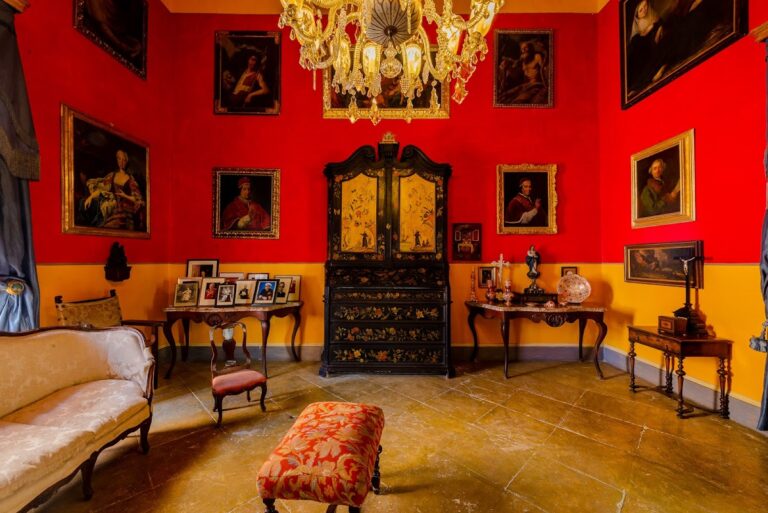
Casa Rocca Piccola is a sixteenth-century Valletta palace associated with the de Piro family, combining aristocratic interiors, family archives,…
For details on how to use the maps, which sites are included, how popularity and ratings are determined, and how sites are classified, see the help page.
On this page5 sections
Belvoir and Belver: castles on contested frontiers
Belvoir Fortress stands above the Jordan Valley in Israel. The Hospitallers acquired the site in 1168 and built a concentric fortress: an inner defended block stood within a larger outer enclosure, with a deep dry moat on three sides. The steep eastern slope protected the remaining side. The nested walls made attackers cross successive defended spaces before reaching the centre. Belvoir held out through a prolonged siege in the late 1180s, when other Crusader positions had already fallen.
The Castle of Belver in Portugal answered a different frontier problem. After a royal grant to the Hospitallers in 1194, it guarded approaches along the Tagus. Its central rectangular keep sits within an oval circuit of walls and turrets on a granite hill. A rock-cut cistern supported occupation within the enclosure. Belver’s shape followed its ridge rather than Belvoir’s square, nested plan; both made terrain part of the defence.
Kolossi: a commandery beside a sugar mill
At Kolossi Castle in Cyprus, the surviving fifteenth-century tower contains rooms for storage, communal use and residence. Its ground floor held stores and cisterns; the first floor included a room used for worship and another with a fireplace for dining and living. The roof served as a defensive platform. Remains of a sugar mill and refinery stand nearby. This was a working commandery managing land and production, as well as a fortified residence. The present tower was rebuilt long after the Hospitallers first acquired the estate.
Rhodes and Malta: government in changing fortifications
The Palace of the Grand Master of the Knights of Rhodes occupied an earlier Byzantine citadel and became the order’s seat of government in the fourteenth century. It formed part of the island city’s defences as well as housing the grand master. An 1856 explosion destroyed much of the upper structure. Extensive Italian reconstruction in the 1930s shaped the palace seen today, so its rooms cannot all be treated as untouched medieval spaces.
At Fort St Angelo in Malta, the Hospitallers adapted the earlier Castle by the Sea after their arrival in 1530. The fort still contains medieval chapels, while bastions and batteries answered the needs of artillery warfare around the Grand Harbour. Its defensive phases are visible together: a medieval castle became the core of a much larger early modern fort. The order defended this position during the siege of 1565.
European houses for worship and administration
Ritterhaus Bubikon in Switzerland preserves a Hospitaller commandery whose buildings grew around a late twelfth-century religious foundation. The chapel, brothers’ house and later agricultural spaces record the management of an endowed estate. Its older rooms were extended and reused over centuries rather than preserved as one fixed medieval plan.
At Ballyhack Castle in Ireland, a largely restored fifteenth-century tower house stood near the entrance to Waterford Harbour. Its narrow windows, defensive openings and upper rooms gave a small Hospitaller establishment a secure residence. A chapel occupied part of the second floor. The building is compact compared with Belvoir or Fort St Angelo, but it joined protection and communal needs in one vertical structure.
Explore the collection
Open a marker on the map or an entry in the grid to reach the site article. Marker icons indicate the site’s primary function. Country, primary function, type and era narrow the Hospitaller collection; popularity and rating offer further ways to sort through it. The articles identify medieval fabric, later rebuilding and changes of use at each place.