Chinese Historic Sites: Explore Walls, Tombs and Temples
Chinese historic architecture survives in earth ramparts, stone gateways, timber halls and elaborate brick towers. This collection spans several dynasties and includes places shaped by Buddhist, Muslim and local religious communities. The civilization filter allows the dynastic groups to be explored separately, while individual articles explain buildings that contain work from more than one period.
Primary Function: All
Type: All
Civilization: All
Country: All
Popularity: All
Rating: All
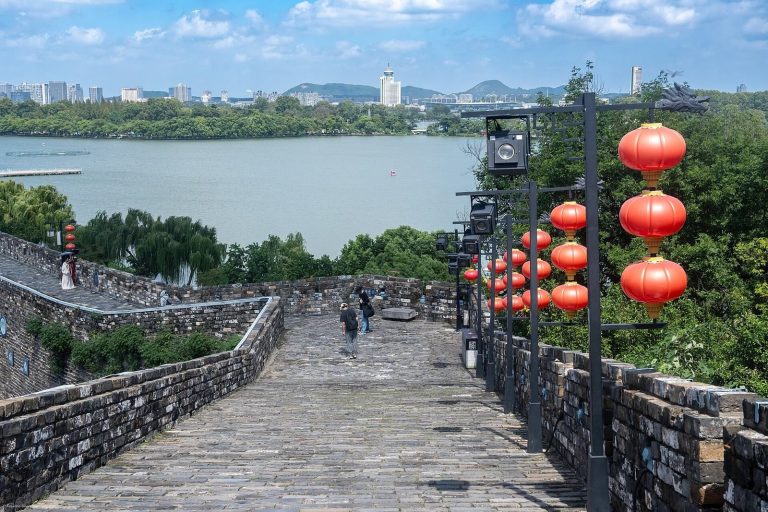
Built for the Ming capital, Nanjing’s inner wall follows the surrounding terrain and survives in disconnected sections. Its history reflects the…
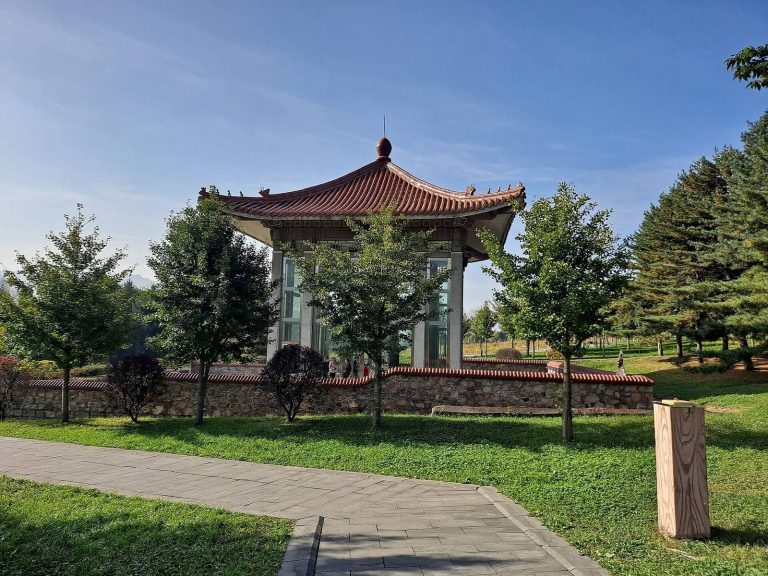
Erected in 414 by King Jangsu, the Gwanggaeto Stele commemorates his father and records Goguryeo’s royal lineage, military campaigns, and…
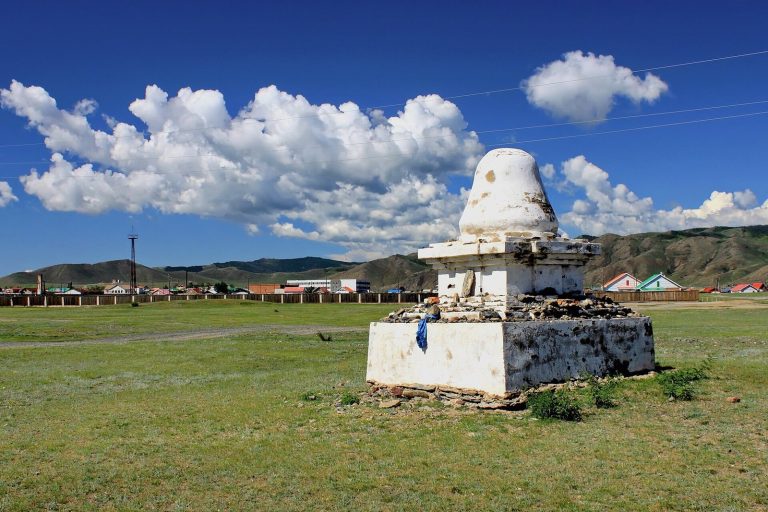
Founded in the Orkhon Valley and developed under Ögedei Khan, Karakorum served as the Mongol Empire’s capital before becoming a provincial center and…
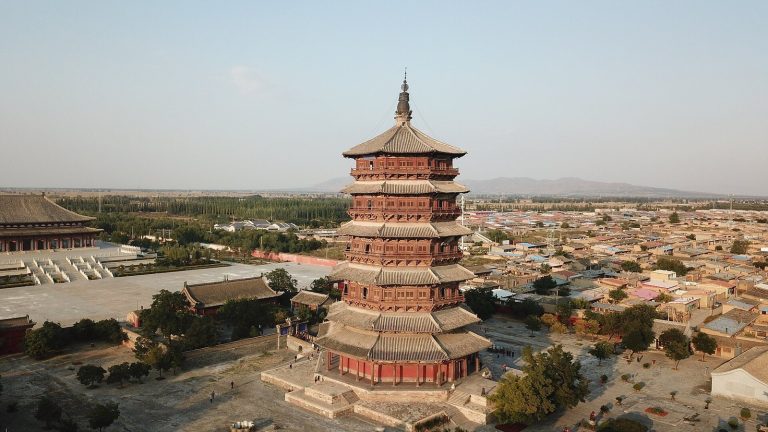
Usually dated to 1056, the timber pagoda at Fogong Temple preserves a complex nine-level structure, Buddhist sculptures, and evidence of centuries of…
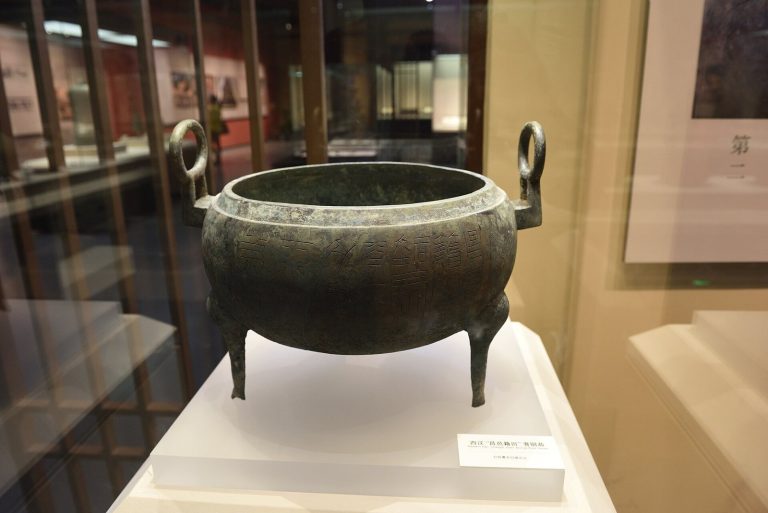
The Western Han cemetery in Jiangxi is the burial place of Liu He, a former emperor and the first Marquess of Haihun. Its well-preserved layout and…
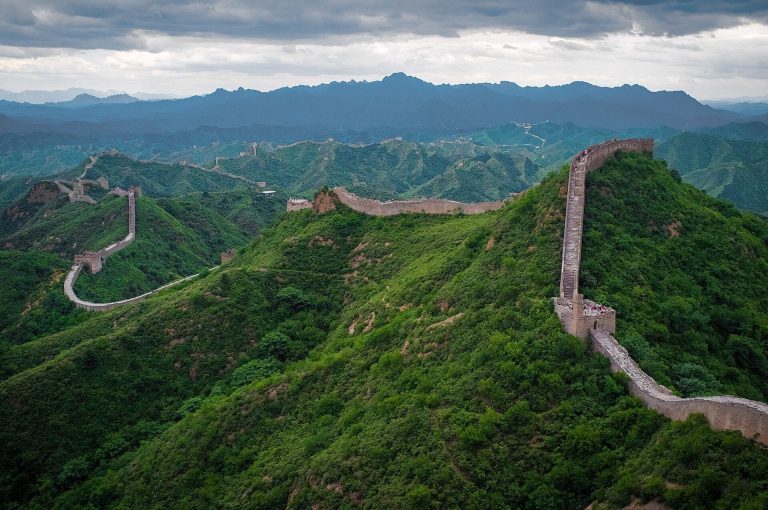
The Great Wall of China is a multi-period network of walls, forts, passes, towers, trenches, and natural barriers built by successive Chinese states…
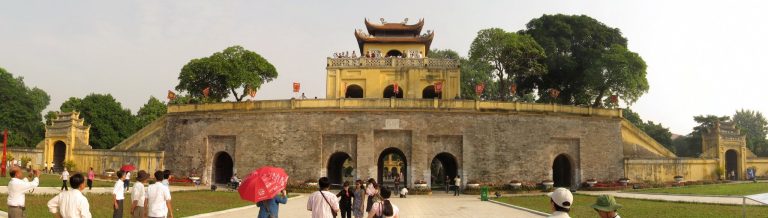
The Imperial Citadel of Thang Long in Hanoi developed from earlier fortified settlements into the political center of successive Vietnamese…
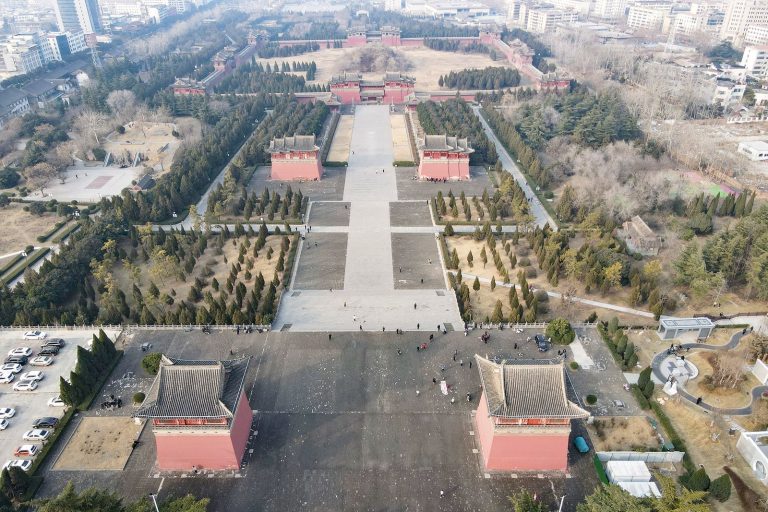
The Northern Song imperial cemetery at Gongyi contains eight imperial mausoleums, empresses’ tombs, satellite graves, stone processional figures, and…

The Leshan Giant Buddha is a 71-metre Tang-dynasty statue carved into a red-sandstone cliff at the confluence of three rivers in Sichuan. Begun in…
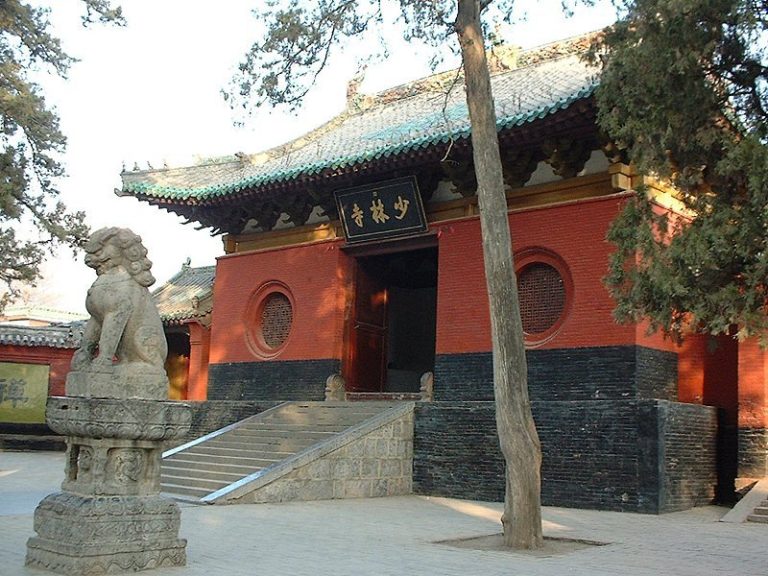
Shaolin Monastery in Dengfeng, Henan, was founded in 495 during the Northern Wei dynasty and became a major center of Buddhist learning, Chan…
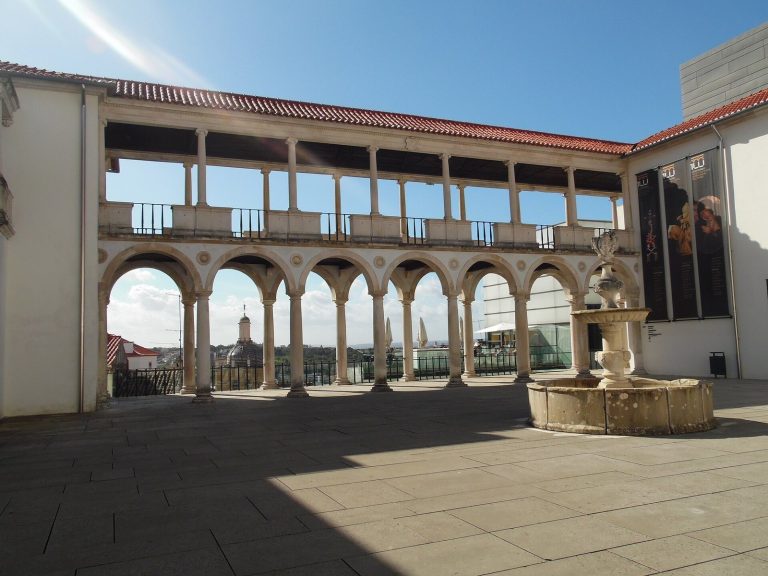
The National Museum Machado de Castro in Coimbra brings together regional sacred art, archaeology, and decorative arts within a Roman cryptoporticus,…
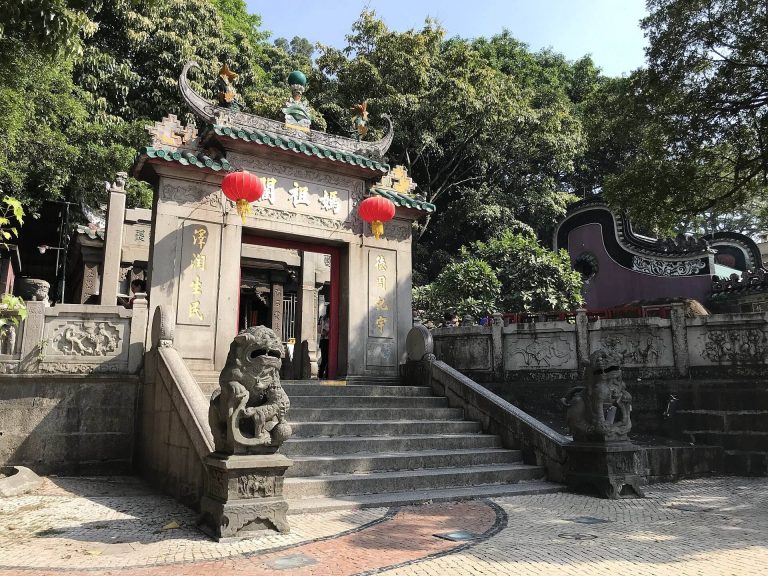
A-Ma Temple is a historic shrine dedicated to Mazu, the Chinese sea goddess, on Barra Hill in Macao. Its hillside halls, rock inscriptions, maritime…
For details on how to use the maps, which sites are included, how popularity and ratings are determined, and how sites are classified, see the help page.
On this page6 sections
Frontier defenses across several dynasties
The Great Wall of China comprises many defensive lines and associated forts, passes and towers. Earlier states and the Qin and Han empires built frontier barriers; many of the most familiar standing walls belong to the Ming dynasty. Their materials and form vary with location and date.
Passes and fortified gateways controlled movement through the defenses, while towers connected stretches across difficult terrain. The surviving remains should therefore be read as parts of different frontier systems. A restored Ming wall and an eroded earth rampart can belong to very different episodes of construction, even when both appear within the broad Great Wall collection.
Imperial burial grounds at Han Yang Ling
Han Yang Ling contains the mausoleums of Emperor Jing and Empress Wang, whose burial mounds occupy separate positions within a larger Western Han precinct. The truncated earthen mound of the emperor is surrounded by excavated burial pits; additional cemeteries and ritual buildings extended around the main tombs.
The pits contained funerary figures representing people, animals and other provisions for the imperial afterlife. Their arrangement gives the burial complex a much wider extent than the central mound alone. The site article distinguishes the excavated subsidiary remains from the sealed royal burial chamber.
Timber halls and glazed-brick pagodas
The East Great Hall at Foguang Temple was built in 857 during the Tang dynasty. Timber columns, large bracket sets and the roof frame form an exceptionally important surviving hall. It stands on an upper terrace reached by steps, above buildings of other periods. The temple’s early foundation and the date of the standing hall are distinct parts of its history.
Kaifeng’s Iron Pagoda, completed in 1049 under the Song, uses glazed brick. Its name describes its dark appearance rather than an iron structure. Repeated eaves divide the octagonal tower into thirteen stories, and molded bricks carry figures and ornament across its exterior. The pagoda translates forms familiar from timber architecture into a durable masonry surface.
A mosque in maritime Quanzhou
Qingjing Mosque was founded in the Song period and substantially rebuilt under the Yuan. Its stone entrance includes a sequence of arches and vaulted spaces, opening toward the remains of the earlier prayer hall. Later halls and repairs record the building’s continued use by Quanzhou’s Muslim community.
Its architectural history is closely connected with the port’s overseas merchants. The surviving gateway and prayer-hall remains provide a specific example of Muslim religious building within a Chinese trading city, rather than representing the same forms as the Buddhist halls and pagodas elsewhere in the collection.
Courtyard living at Mandarin’s House
Mandarin’s House in Macau was built for the Zheng family in the nineteenth century. Its gray-brick ranges enclose courtyards and separate service areas from family accommodation. The entrance and interior decoration combine regional Chinese forms with Western elements. As a later example, it extends the collection into the domestic architecture of the Qing period and the particular setting of Macau.
Explore the dynastic collections
Use the civilization filter to select a dynasty or compare the combined collection. Map markers and grid entries open the site articles, where earlier foundations, surviving buildings and subsequent reconstruction are explained separately.