Chinese Historic Sites: Explore Walls, Tombs and Temples
Chinese historic architecture survives in earth ramparts, stone gateways, timber halls and elaborate brick towers. This collection spans several dynasties and includes places shaped by Buddhist, Muslim and local religious communities. The civilization filter allows the dynastic groups to be explored separately, while individual articles explain buildings that contain work from more than one period.
Primary Function: All
Type: All
Civilization: All
Country: All
Popularity: All
Rating: All
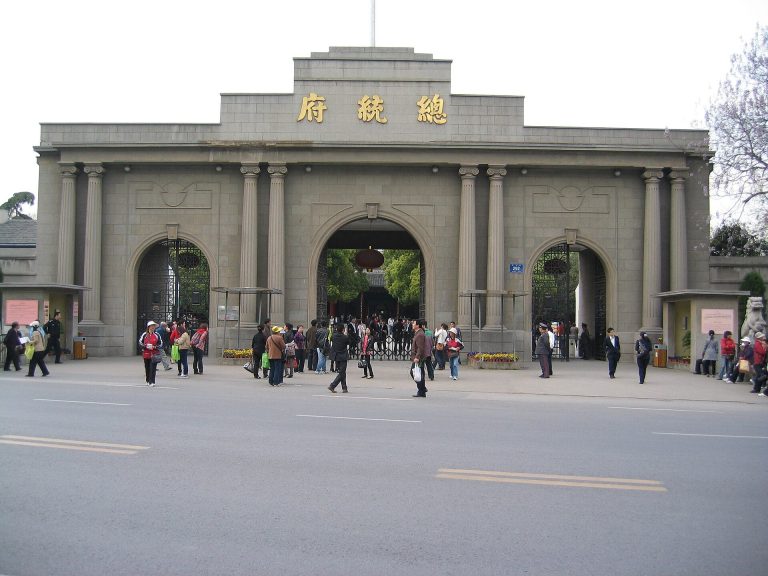
The Presidential Palace of Nanjing developed from Ming princely residences into a Qing administrative center, the headquarters of successive…
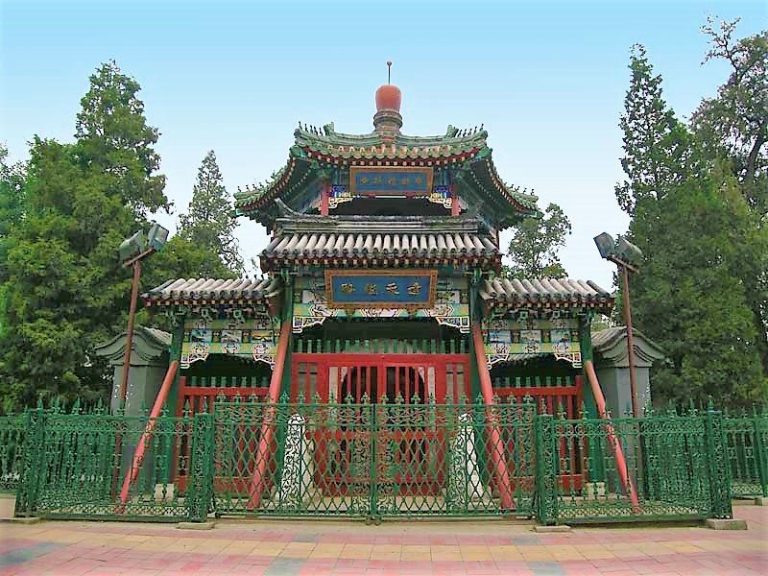
Niujie Mosque in Beijing is a major Sunni Muslim religious and community center whose traditions reach back to the Liao dynasty. Its surviving…
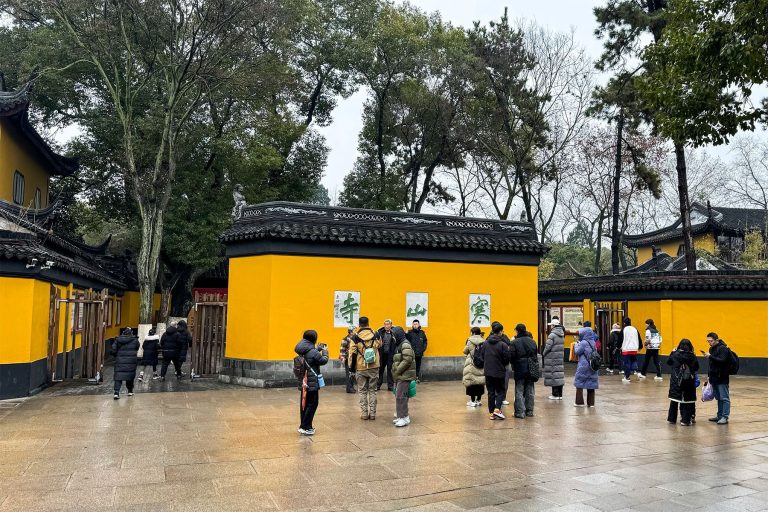
Hanshan Temple in Suzhou is a Chan Buddhist temple whose history combines traditions of Tang poet-monks, repeated rebuilding, and the enduring fame…
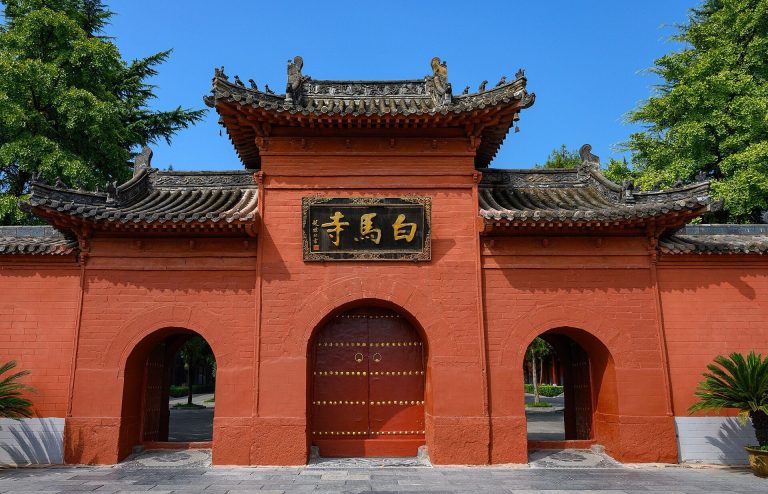
White Horse Temple in Luoyang is traditionally regarded as China’s first Buddhist temple, with origins linked to Emperor Ming of the Eastern Han and…
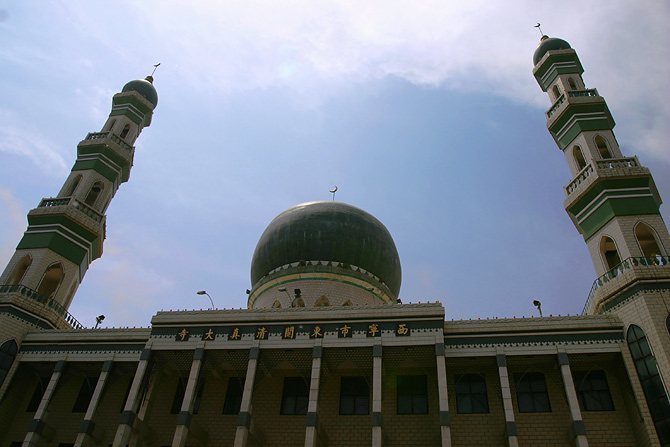
Dongguan Mosque is an active Sunni mosque in Xining, Qinghai, founded during the Ming dynasty and shaped by Chinese, Central Asian, and later Western…
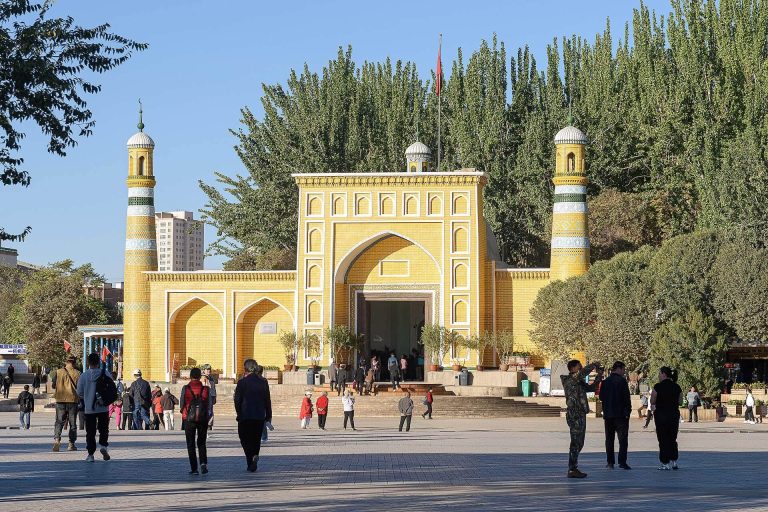
Id Kah Mosque in Kashgar developed from a fifteenth-century foundation into a major Islamic religious, educational, and cultural complex. Its…
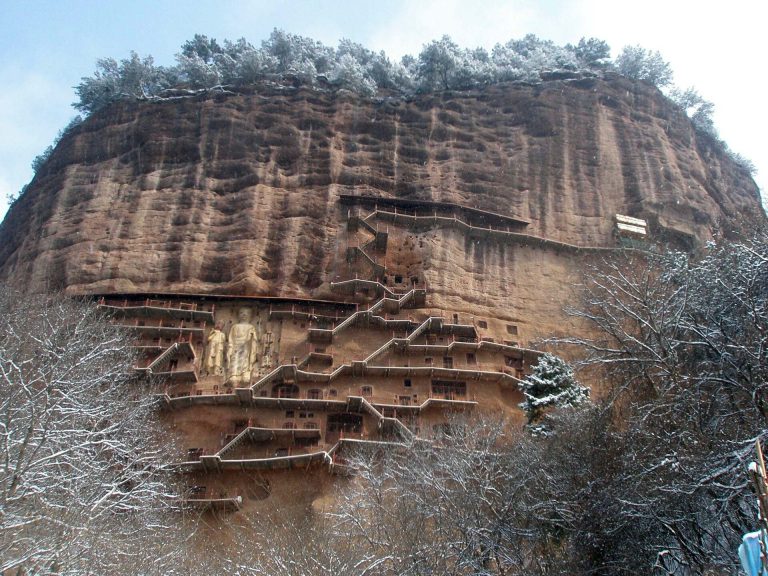
The Maijishan Grottoes preserve 194 Buddhist caves, more than 7,200 sculptures, and over 1,000 square metres of murals created and restored across…
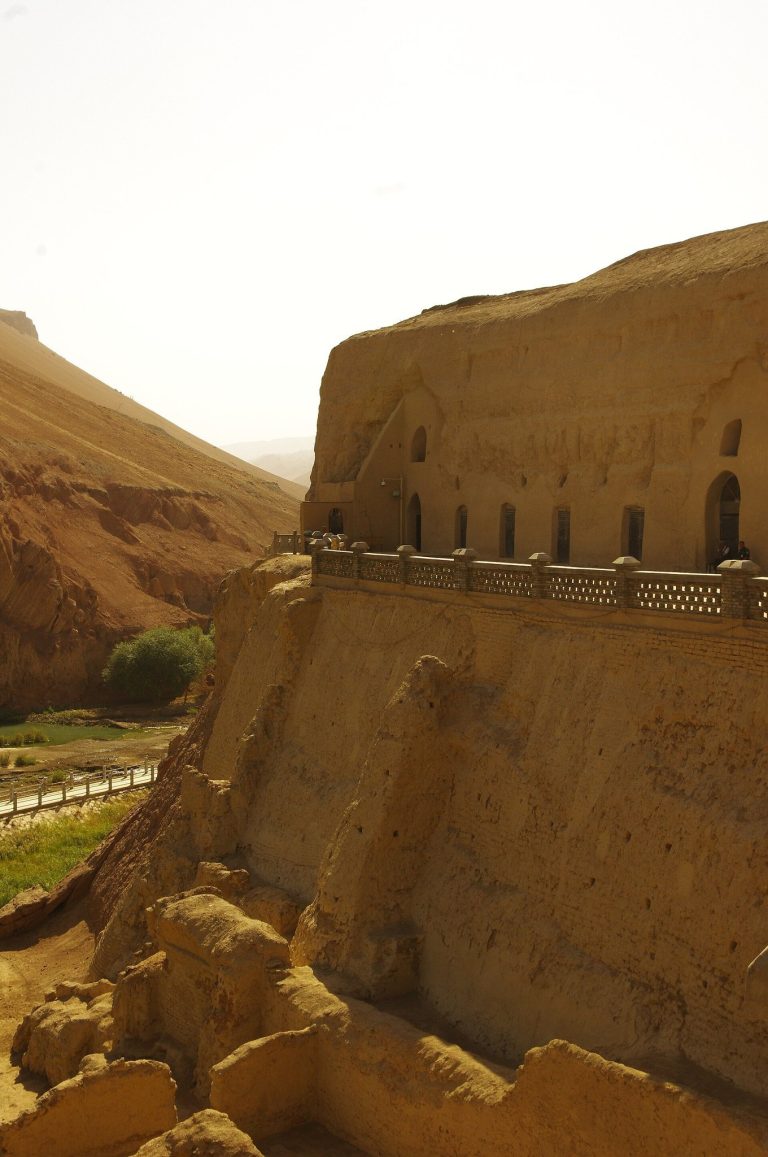
The Bezeklik Thousand Buddha Caves near Gaochang preserve Buddhist murals, shrines, manuscripts, and architectural remains spanning the Qu-family…
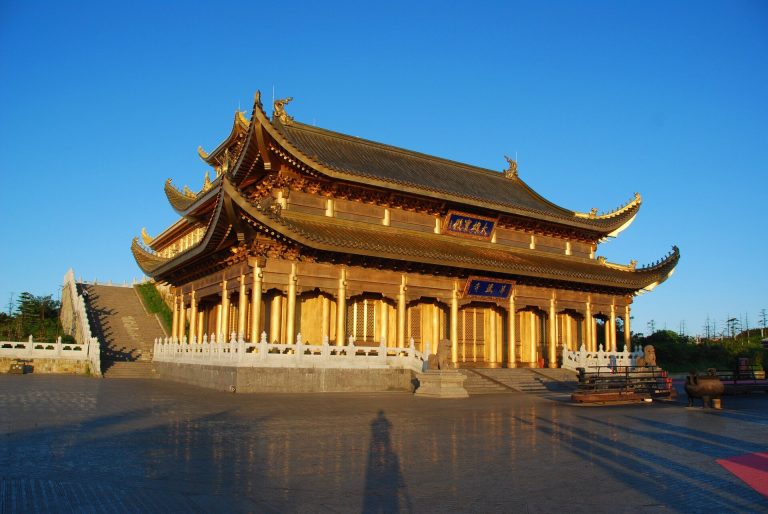
Jinding is the 3,077-metre main peak of Mount Emei in Sichuan and the name commonly associated with Huazang Temple, a major Buddhist site rebuilt…
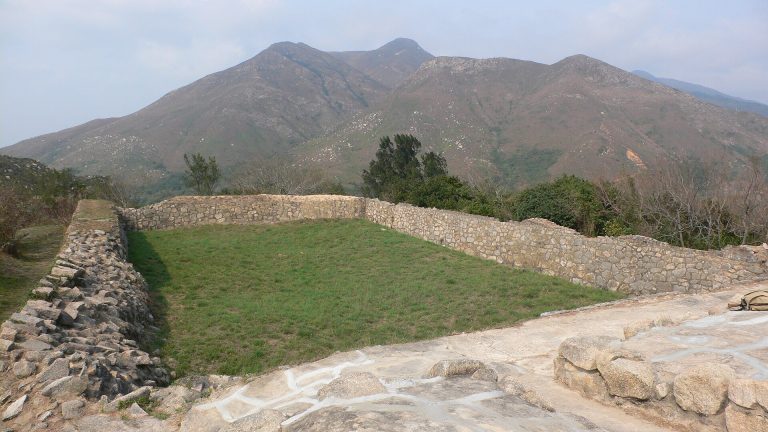
Fan Lau Fort is a Qing dynasty coastal fortification built in 1729 on southwestern Lantau Island to guard maritime approaches against piracy.…
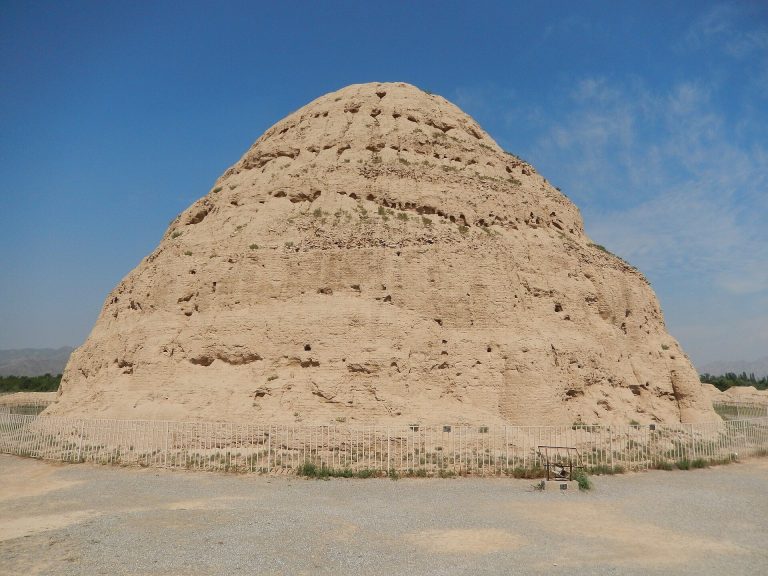
The Western Xia Mausoleums in Yinchuan, China, formed the imperial cemetery of the Tangut-ruled Western Xia dynasty from 1038 to 1227. The complex…
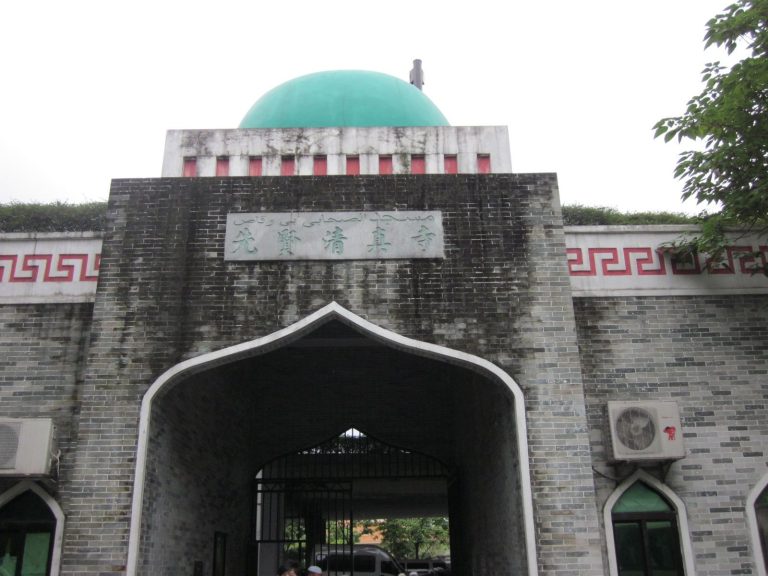
Xianxian Mosque in Guangzhou is an active Sunni mosque associated with a Tang-period cemetery traditionally linked to Sa’d ibn Abi Waqqas and the…
For details on how to use the maps, which sites are included, how popularity and ratings are determined, and how sites are classified, see the help page.
On this page6 sections
Frontier defenses across several dynasties
The Great Wall of China comprises many defensive lines and associated forts, passes and towers. Earlier states and the Qin and Han empires built frontier barriers; many of the most familiar standing walls belong to the Ming dynasty. Their materials and form vary with location and date.
Passes and fortified gateways controlled movement through the defenses, while towers connected stretches across difficult terrain. The surviving remains should therefore be read as parts of different frontier systems. A restored Ming wall and an eroded earth rampart can belong to very different episodes of construction, even when both appear within the broad Great Wall collection.
Imperial burial grounds at Han Yang Ling
Han Yang Ling contains the mausoleums of Emperor Jing and Empress Wang, whose burial mounds occupy separate positions within a larger Western Han precinct. The truncated earthen mound of the emperor is surrounded by excavated burial pits; additional cemeteries and ritual buildings extended around the main tombs.
The pits contained funerary figures representing people, animals and other provisions for the imperial afterlife. Their arrangement gives the burial complex a much wider extent than the central mound alone. The site article distinguishes the excavated subsidiary remains from the sealed royal burial chamber.
Timber halls and glazed-brick pagodas
The East Great Hall at Foguang Temple was built in 857 during the Tang dynasty. Timber columns, large bracket sets and the roof frame form an exceptionally important surviving hall. It stands on an upper terrace reached by steps, above buildings of other periods. The temple’s early foundation and the date of the standing hall are distinct parts of its history.
Kaifeng’s Iron Pagoda, completed in 1049 under the Song, uses glazed brick. Its name describes its dark appearance rather than an iron structure. Repeated eaves divide the octagonal tower into thirteen stories, and molded bricks carry figures and ornament across its exterior. The pagoda translates forms familiar from timber architecture into a durable masonry surface.
A mosque in maritime Quanzhou
Qingjing Mosque was founded in the Song period and substantially rebuilt under the Yuan. Its stone entrance includes a sequence of arches and vaulted spaces, opening toward the remains of the earlier prayer hall. Later halls and repairs record the building’s continued use by Quanzhou’s Muslim community.
Its architectural history is closely connected with the port’s overseas merchants. The surviving gateway and prayer-hall remains provide a specific example of Muslim religious building within a Chinese trading city, rather than representing the same forms as the Buddhist halls and pagodas elsewhere in the collection.
Courtyard living at Mandarin’s House
Mandarin’s House in Macau was built for the Zheng family in the nineteenth century. Its gray-brick ranges enclose courtyards and separate service areas from family accommodation. The entrance and interior decoration combine regional Chinese forms with Western elements. As a later example, it extends the collection into the domestic architecture of the Qing period and the particular setting of Macau.
Explore the dynastic collections
Use the civilization filter to select a dynasty or compare the combined collection. Map markers and grid entries open the site articles, where earlier foundations, surviving buildings and subsequent reconstruction are explained separately.