Mughal Sites: Explore Forts, Palace Cities and Gardens
Mughal architecture includes fortified royal cities, marble reception spaces, courtyard palaces and terraced gardens. This collection follows surviving Mughal work across modern borders, from Kabul to Bengal. Many places remained in use after imperial rule, so their articles distinguish Mughal buildings from the additions of later occupants.
Primary Function: All
Type: All
Country: All
Popularity: All
Rating: All
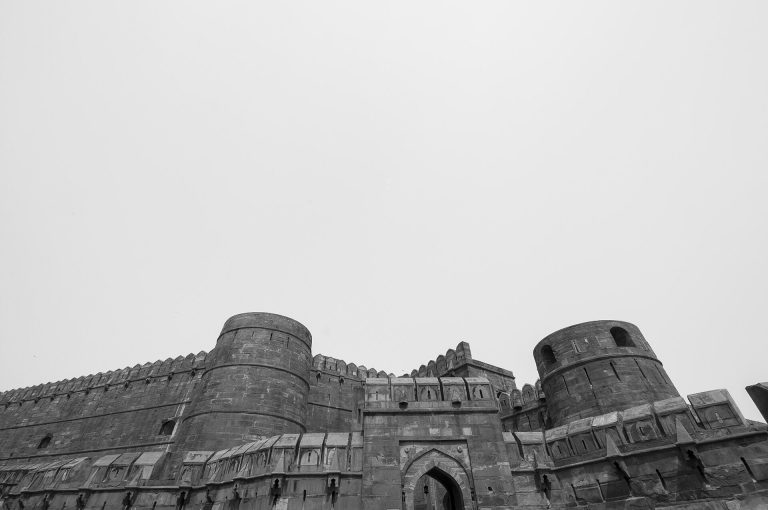
Agra Fort is a major Mughal fortress in Agra, India. Rebuilt under Akbar from 1565, it served as an imperial residence, government center, treasury,…
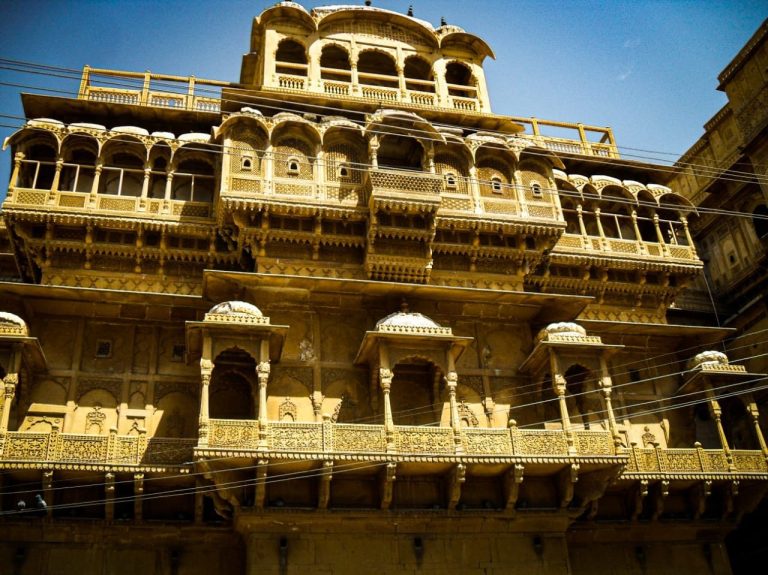
Built in 1156 by the Bhati Rajput ruler Rawal Jaisal, Jaisalmer Fort developed as both a fortified capital and a trading centre on routes across the…
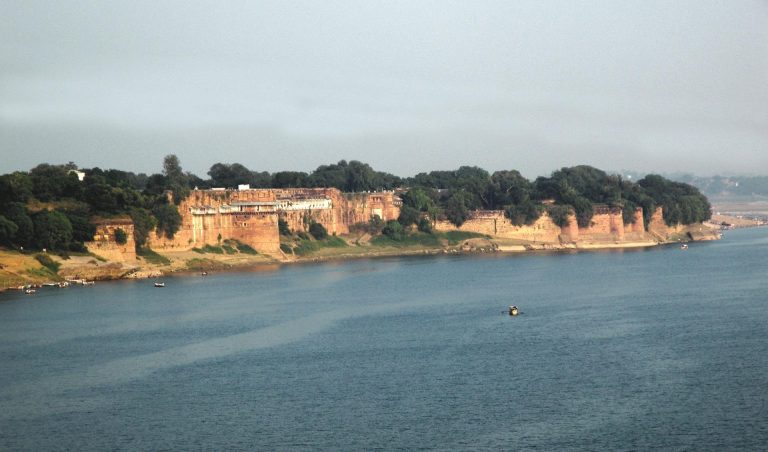
Built by the Mughal emperor Akbar in 1583, Allahabad Fort guards the meeting point of the Ganges and Yamuna and preserves Mughal, Mauryan, religious,…
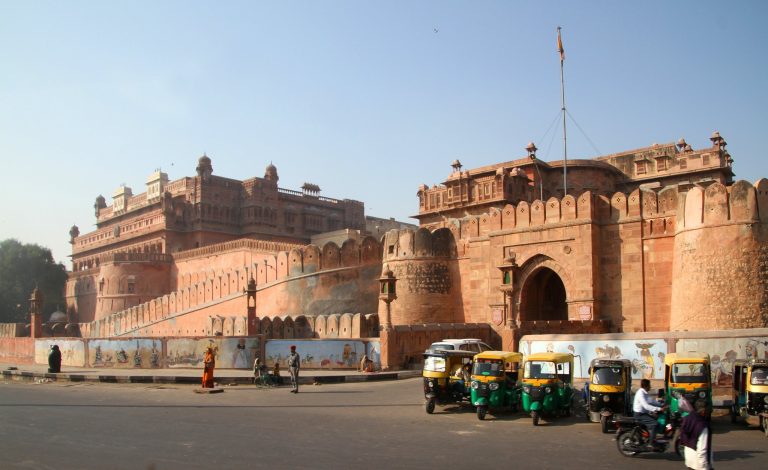
Junagarh Fort in Bikaner was built between 1589 and 1594 under Raja Rai Singh and expanded by successive rulers into a palace, administrative centre,…
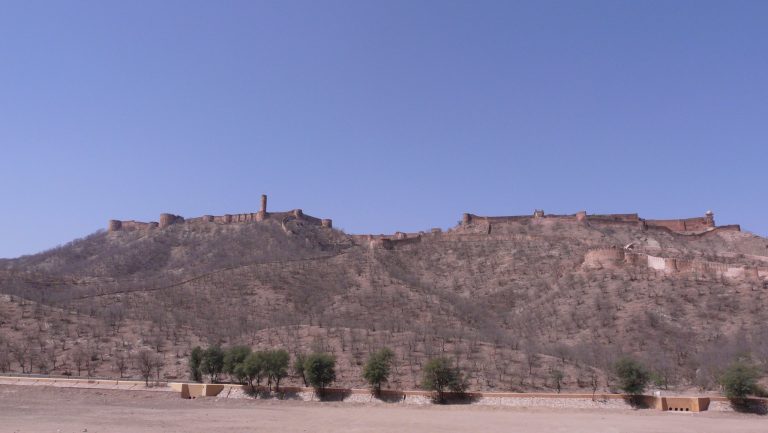
Jaigarh Fort in Rajasthan was the principal defensive stronghold of Amer and a major center of cannon production under the Kachwaha rulers. Its…
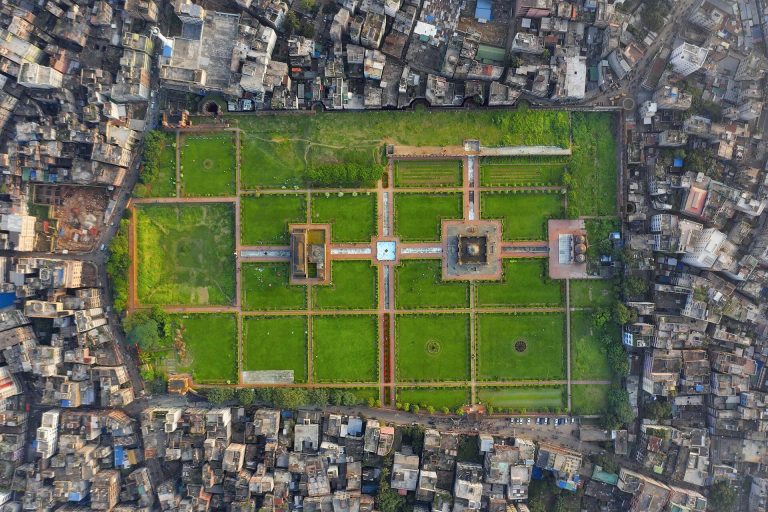
Lalbagh Fort is an unfinished seventeenth-century Mughal complex in Dhaka, built as a residence for the governor of Bengal and later associated with…
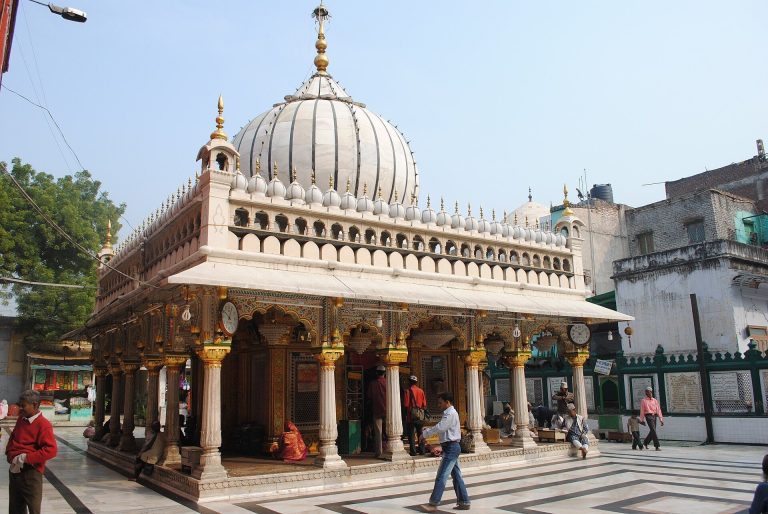
Hazrat Nizamuddin Dargah is a major Chishti Sufi shrine in New Delhi, centered on the tomb of Nizamuddin Auliya. Its historic complex includes the…
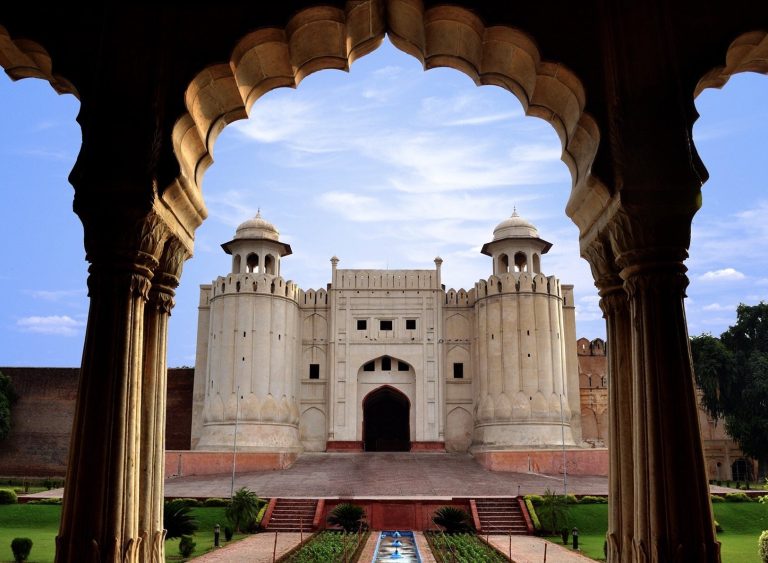
Lahore Fort is a major fortified complex in Lahore, Pakistan, shaped by Mughal, Sikh, and British rule. Its palaces, mosques, gardens, defensive…
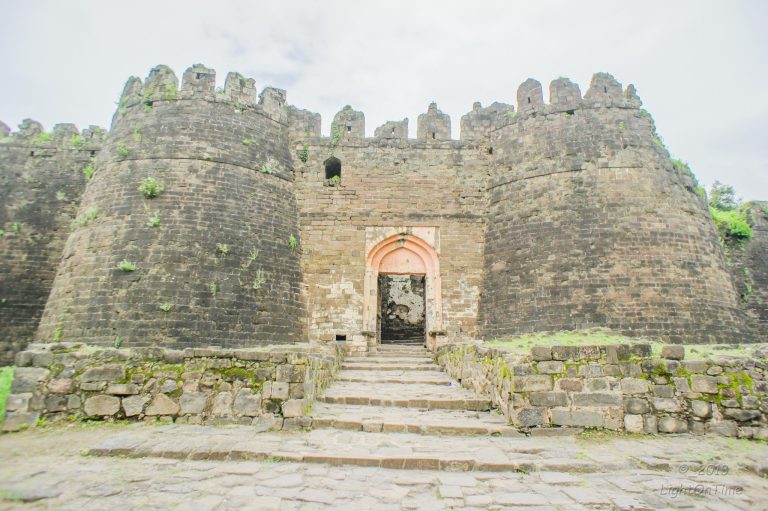
Daulatabad Fort in Maharashtra developed from the ancient city of Devagiri and served successively as a Yadava, Delhi Sultanate, Ahmadnagar, Mughal,…
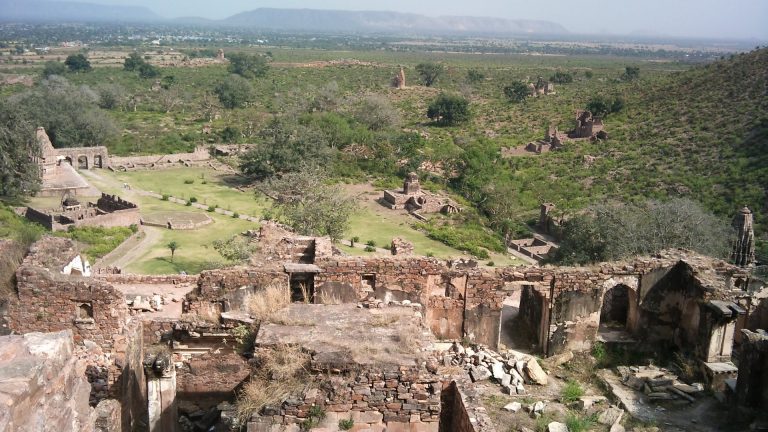
Bhangarh Fort in Rajasthan was founded in 1573 during the rule of Bhagwant Das as a residence for his son Madho Singh. Its abandoned settlement…
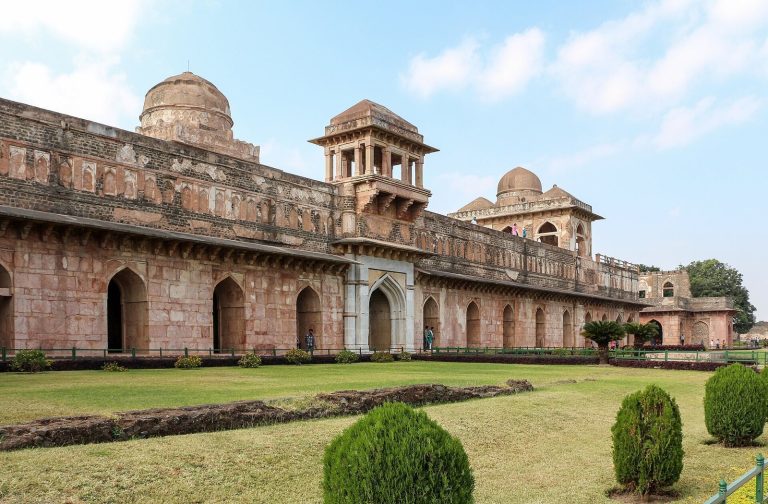
Mandu developed from an established town into a fortified capital under the Paramaras and the sultans of Malwa. Its hilltop fort, mosques, palaces,…
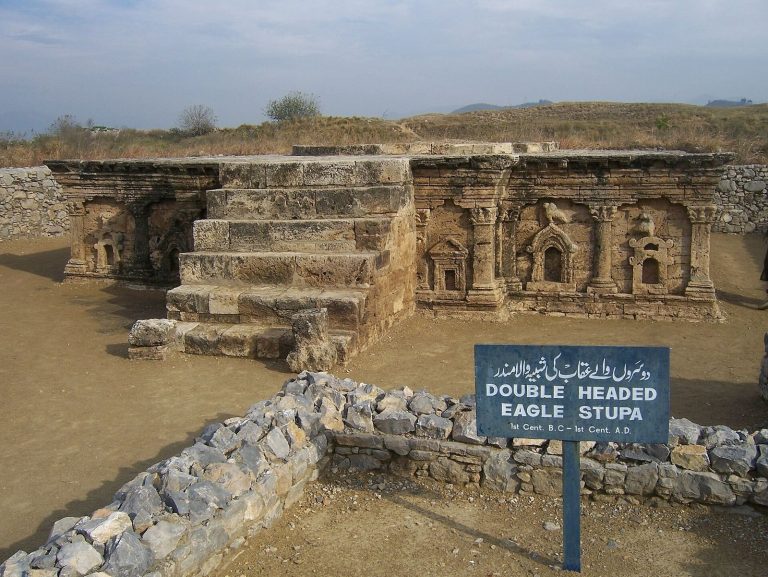
Taxila developed from prehistoric settlements into a capital of Gandhara and a centre of learning, trade and Buddhist activity. Its archaeological…
For details on how to use the maps, which sites are included, how popularity and ratings are determined, and how sites are classified, see the help page.
On this page6 sections
Fortified palaces at Agra and Lahore
Agra Fort combines a defensive enclosure beside the Yamuna with royal buildings constructed under successive emperors. Akbar’s rebuilding used red sandstone; Shah Jahan later replaced parts of the interior with marble palaces and mosques. Gates, turning approaches and massive bastions protected the enclosure, while the river-facing buildings served the court. The surviving complex makes it possible to follow changes in imperial residence within an established fortified site.
At Lahore Fort, courts separate administrative and residential buildings. Shah Jahan’s additions include the Sheesh Mahal and Naulakha Pavilion, with white marble and elaborate surface decoration. The large enclosure also contains later Sikh and British work. Its sequence of courtyards is useful for understanding how access to royal spaces was organized, without treating every building within the walls as contemporary.
Fatehpur Sikri’s palace courts
Akbar established his capital at Fatehpur Sikri in the early 1570s. Red-sandstone buildings occupy a ridge, arranged around broad courts and terraces. Separate halls, residential compounds and the congregational mosque preserve a substantial part of the imperial ensemble.
The building conventionally called the Diwan-i-Khas contains an elaborately carved central column. Brackets support a circular platform connected to the corners by stone walkways. Nearby, an ornamental pool surrounds another raised platform reached by bridges. These carefully shaped spaces give the palace city a different internal character from a fortress dominated by successive defensive barriers. Its brief use as the principal capital also concentrates much of the surviving architecture within Akbar’s reign.
Lalbagh’s unfinished garden complex
Lalbagh Fort in Dhaka was begun in 1678 and remained unfinished. Its principal buildings include a reception hall with an attached bath, a mosque and the tomb of Pari Bibi. Water channels, garden spaces and a large tank accompanied the fortified enclosure.
These remains give the site more variety than the word fort alone suggests. Residential, ceremonial and funerary buildings occupied the same planned compound. The surviving gates and bastions belong to a project whose intended extent was greater than the completed enclosure, while excavated water installations help explain the operation of its gardens and bath.
Babur’s terraced garden in Kabul
The Gardens of Babur occupy a stepped site below the hills of Kabul. Paths and stairs connect terraces, with water channels and pools forming part of the garden’s organization. Babur’s burial gave the place a continuing dynastic role, and later Mughal rulers added to its funerary ensemble.
The garden has undergone extensive rehabilitation after damage and alteration. Its restored paths, planted areas and water system draw on archaeological and historical evidence. The article separates these interventions from surviving older structures, allowing the layout to be understood without presenting every visible feature as original Mughal work.
Bara Katra’s riverfront accommodation
Bara Katra in Dhaka was constructed in the 1640s and endowed as accommodation for travelers. Its original courtyard was lined with rooms and shops, with a prominent southern entrance facing the Buriganga. The gateway used a high arched recess, an octagonal inner hall and flanking towers. Only an altered and incomplete part of the complex survives, but it adds the architecture of lodging and commerce to the better-preserved royal examples.
Explore Mughal architecture
Use the country and building-type filters to locate imperial and provincial sites. Map markers and grid entries open articles explaining the construction sequence and the Mughal contribution to each place.