Inca Sites: Explore Royal Estates, Terraces and Temples
Inca remains range from closely fitted stone walls in the Andean highlands to painted earth buildings beside coastal routes. The collection includes royal estates, ceremonial complexes and provincial settlements, together with the terraces and channels that supported them. These places explain how Inca builders organized both buildings and the ground around them.
Primary Function: All
Type: All
Country: All
Popularity: All
Rating: All
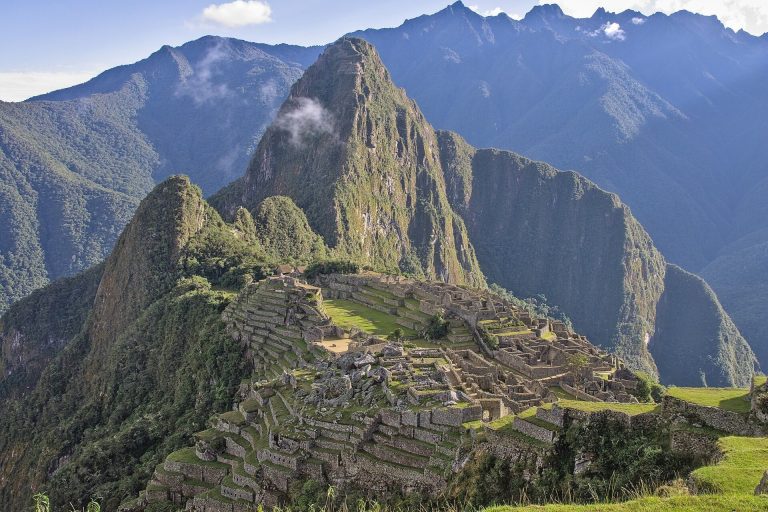
Machu Picchu is a fifteenth-century Inca settlement and royal estate built on a mountain ridge above Peru’s Urubamba Valley. Its terraces, temples,…
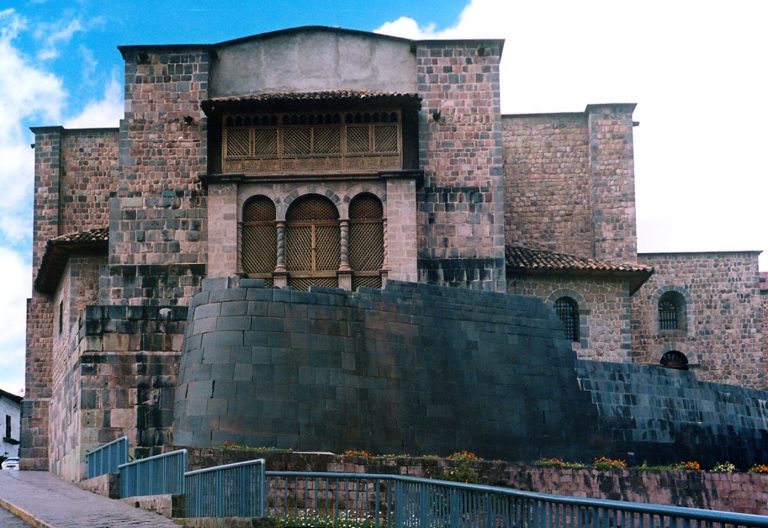
Coricancha was the principal Inca sanctuary in Cusco, dedicated to Inti and expanded under Pachacuti Inca Yupanqui. Its finely fitted stonework…
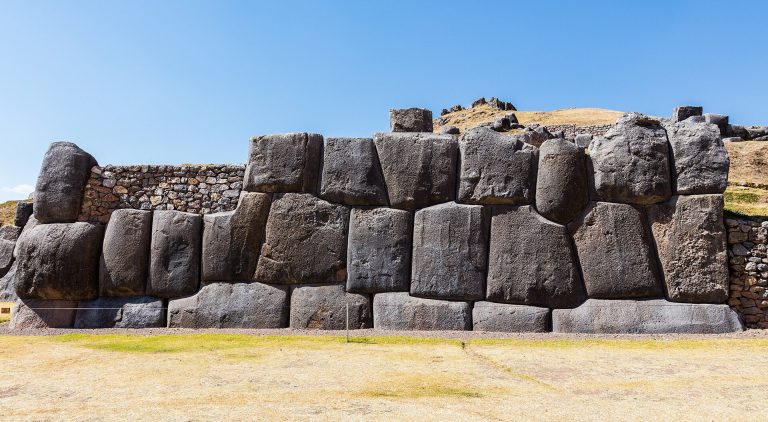
Saqsaywaman is an Inca citadel and ceremonial complex on a hill above Cusco, Peru. Its massive stone terraces, military history, ritual associations,…
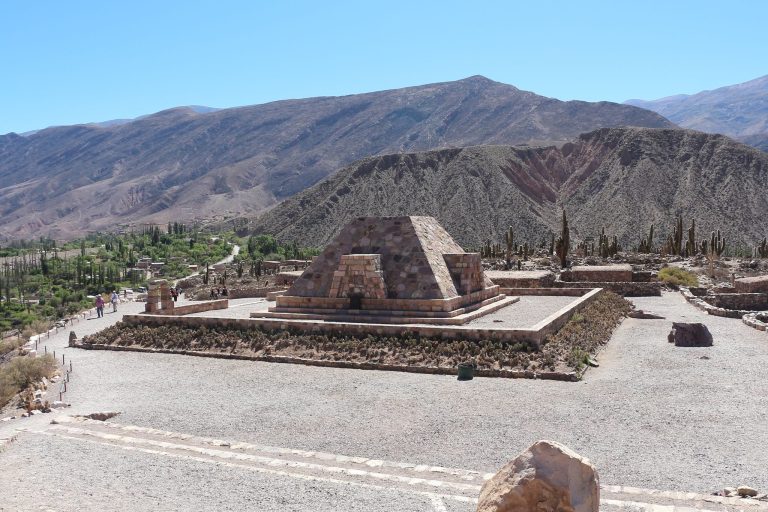
Pucará de Tilcara is a major archaeological settlement in Jujuy Province, founded by the Tilcara people and later incorporated into the Inca…
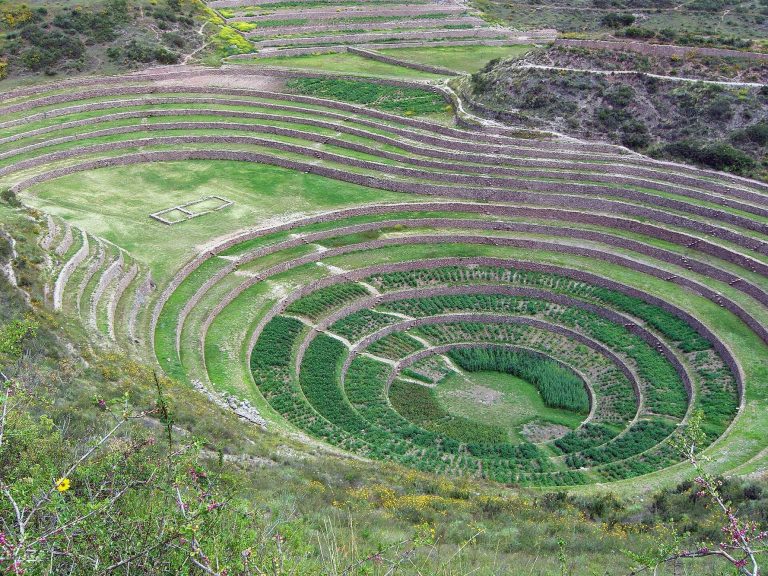
Moray is an Inca archaeological complex near Maras in Peru, known for its circular terraces, varied microclimates, and possible agricultural and…
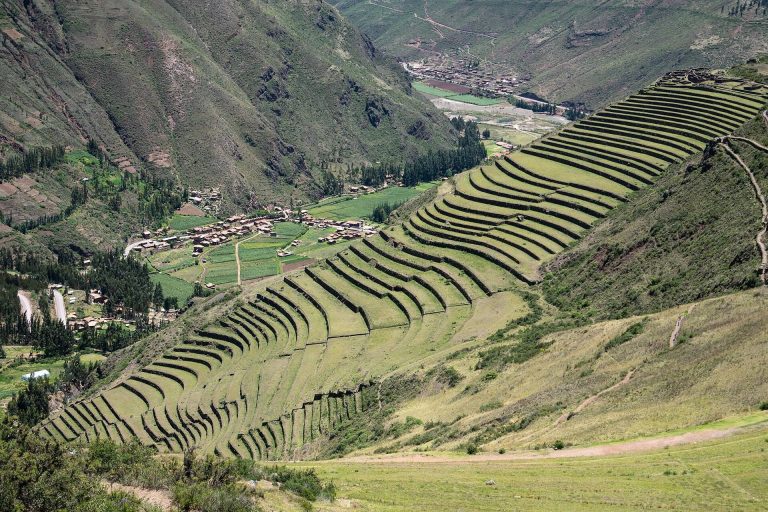
Pisac Archeological Park is an Inca ridge-top complex in Peru, probably built around 1450 during the reign of Pachacuti. Its terraces, ceremonial…
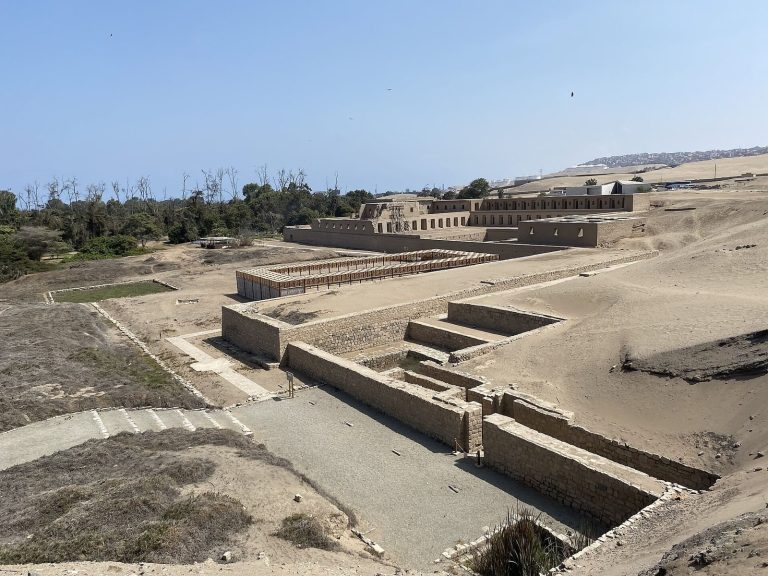
Pachacámac developed over more than 1,500 years into a major coastal sanctuary, oracle, and administrative center. Its remains preserve successive…
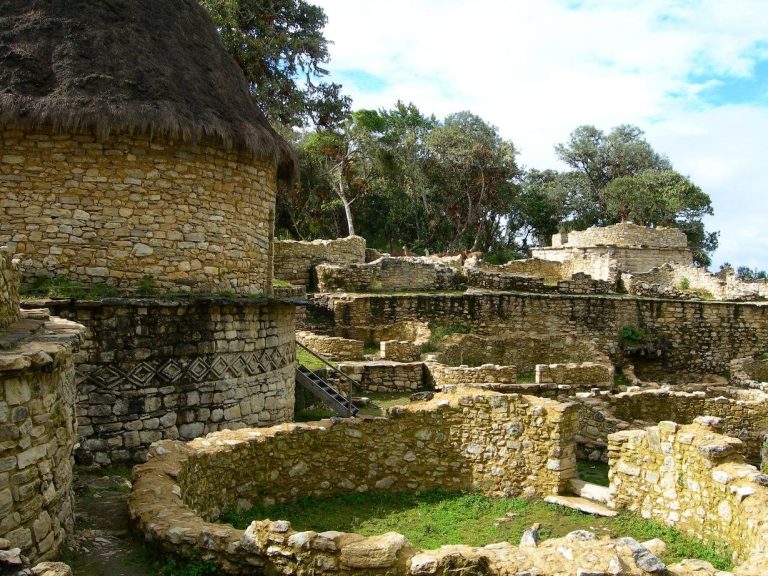
Kuélap is a monumental Chachapoyas settlement in the Andes of northern Peru, occupied from at least the fifth century AD and largely built between…
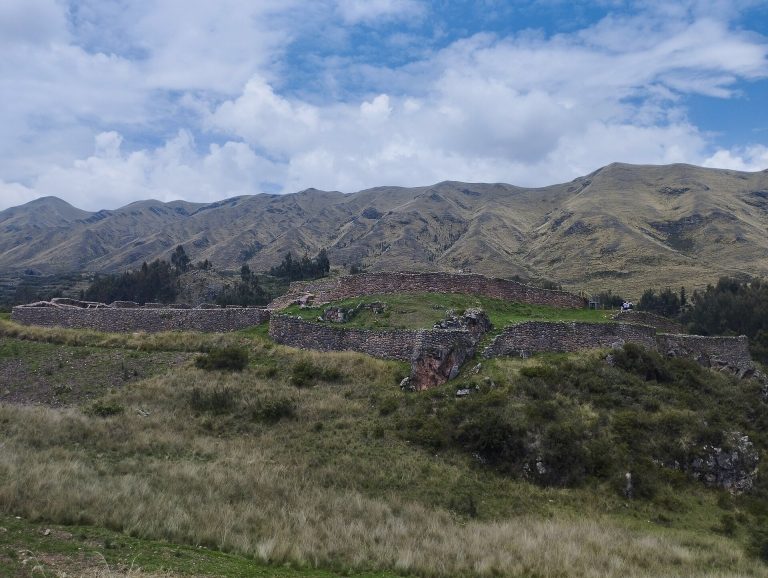
Puka Pukara is a late Inca complex near Cusco that combined military, administrative, and logistical functions. Its elevated position, walls,…
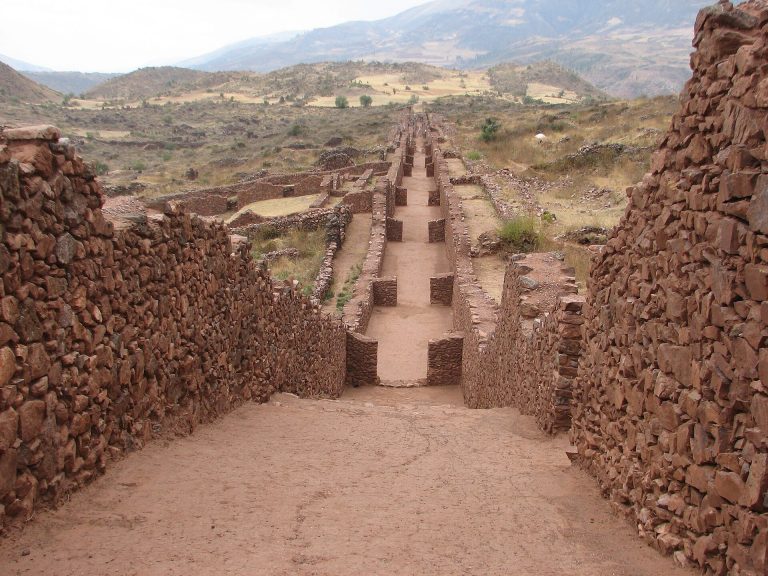
Piquillacta is a large Wari archaeological complex near Cusco, occupied from about AD 550 to 1100. Its planned sectors, ritual deposits, water…
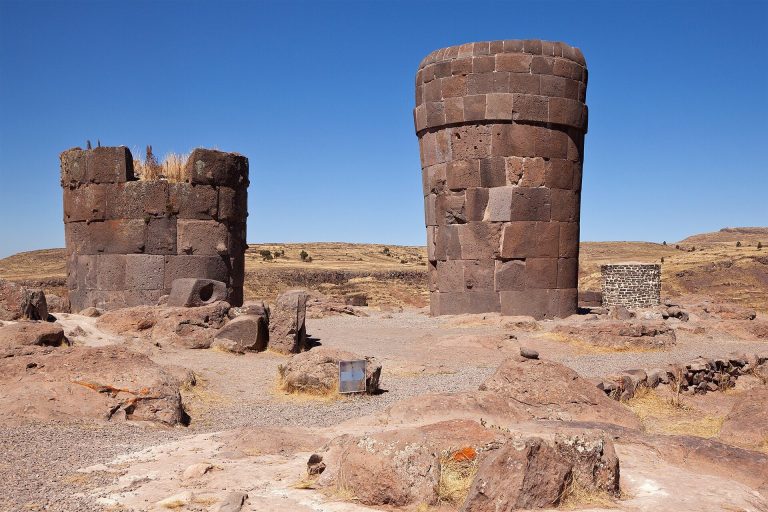
Sillustani is a major pre-Hispanic funerary complex on Peru’s Lake Umayo peninsula, known for its monumental chullpas, links to Qulla and Inca…
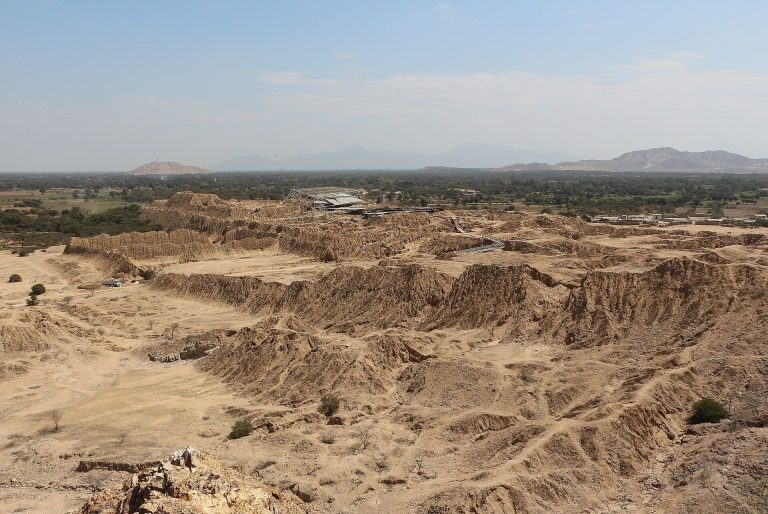
Túcume is a large pre-Hispanic archaeological complex in northern Peru, occupied successively by the Lambayeque, Chimú, and Inca civilizations. Its…
For details on how to use the maps, which sites are included, how popularity and ratings are determined, and how sites are classified, see the help page.
On this page6 sections
Royal settlements above the Sacred Valley
Machu Picchu occupies a ridge above the Urubamba Valley. Agricultural terraces adjoin an urban area containing residential compounds, temples and storehouses. Stone stairs connect different levels, while retaining walls, channels and fountains organize a densely built settlement on steep terrain. The central plaza separates principal groups of buildings, allowing their arrangement to be followed across the site.
At Huchuy Qosqo, above Lamay, standing walls combine stone with adobe. A long hall, or kallanka, provided space for gatherings, while channels brought water to the settlement. Terraces and storehouses lay below the principal buildings. The remains show the practical components of an estate as well as its residential spaces; a larger reservoir belongs to later Spanish alteration and should be separated from the Inca waterworks.
The terrace walls of Saqsaywaman
Saqsaywaman rises above Cusco with three great zigzagging terrace walls. Their irregular limestone blocks were shaped to fit neighboring stones without mortar. The projecting and recessed lines of the walls face a broad open area, while the hill’s steeper sides contributed to the enclosure of the complex.
The surviving masonry is only part of a larger group that combined ceremonial and defensive functions. Substantial buildings were dismantled after the Spanish conquest. The remaining terraces nevertheless preserve the scale of the construction and the close relationship between the walls, plaza and hilltop.
Earth buildings at Tambo Colorado
Tambo Colorado stands beside a route linking Peru’s coast with the highlands. Its principal compounds were built in adobe and rammed earth, with rooms arranged around a large trapezoidal plaza. Trapezoidal doorways and niches carry familiar Inca forms into a different building material.
The northern palace retains rooms, courtyards and traces of colored finishes. A raised ceremonial platform stands beside the central plaza. Together with storage and service spaces, these remains explain the settlement’s role as an administrative center and stopping place along the road network. Its earth construction provides a useful comparison with the stone estates near Cusco.
Ingapirca’s fitted-stone platform
At Ingapirca in Ecuador, Inca construction developed within an earlier Cañari settlement. The principal elliptical platform is faced with carefully fitted andesite blocks and incorporates a natural rock outcrop. Its upper rooms are usually interpreted as a temple, while stairways and a double-jamb doorway connect the monument with adjoining spaces.
The shaped stone facing is a particularly clear feature of the Inca phase. Surrounding room groups and courtyards place the platform within a settlement whose history belongs to both Cañari communities and Inca expansion.
Circular terraces at Moray
Moray preserves concentric terraces built into natural depressions. Retaining walls step down toward the center, with projecting stones providing access between levels and channels descending through the terraces. Their arrangement differs markedly from long hillside agricultural terraces.
Moray has often been interpreted as a place for agricultural experimentation, but its precise purpose remains debated. The terraced basins themselves are the secure starting point: they show the reshaping of natural hollows through coordinated earthwork, retaining masonry and water management.
Explore Inca sites
Use the map and grid to compare highland and coastal places, then open an entry for its detailed article. Country and building-type filters help separate royal settlements, temples and other structures across the collection.