Sztum Castle: A Medieval Teutonic Fortress in Poland
Visitor Information
Google Rating: 4.1
Popularity: Medium
Official Website: zamek.sztum.pl
Country: Poland
Civilization: Crusader, Modern
Site type: Military
Remains: Castle
History
Sztum Castle is a medieval fortress located in the town of Sztum, Poland. It was constructed by the Teutonic Order, a Catholic military order, during the late 14th and early 15th centuries as part of their campaigns in the Baltic region.
Construction began after 1377, following a military expedition led by Archduke Albrecht III of Austria against the pagan Prussian tribes. The castle’s initial fortifications were also influenced by Albrecht’s involvement. Serving as the residence of the Teutonic vogt, a local official, the castle frequently hosted the Grand Masters of the Order due to its close distance to the more prominent Malbork Castle. It was intended as both a military stronghold and administrative center during the Order’s territorial expansion.
In 1410, amid the conflicts known as the Polish-Teutonic Wars, Polish forces captured the castle shortly after their victory at the Battle of Grunwald. However, the Teutonic Knights under Heinrich von Plauen quickly reclaimed it, although the highest western tower suffered destruction during this fighting. Later in the 15th century, during the Thirteen Years’ War (1454–1466), the castle briefly fell under control of Jan Bażyński, the first starost, or governor, of Prussia. Afterward, the castle returned to the Teutonic Order until the peace treaty known as the Second Peace of Toruń in 1466, which transferred the castle to Polish administration.
From 1468 until the First Partition of Poland in 1772, the castle served as the seat for Polish starosts from notable families including Bażyński, Czem, Guldenstern, and Bieliński. In the early 16th century, the castle was visited by Nicolaus Copernicus in 1506 and 1512 during a meeting involving his uncle, Bishop Łukasz Watzenrode, indicating the site’s role in ecclesiastical and scientific circles of the time.
During the 17th century Polish-Swedish wars, Sztum Castle held strategic importance. It offered refuge to King Gustav II Adolf of Sweden following the Battle of Trzciana, but sustained considerable damage during the Swedish Deluge between 1655 and 1660. Another Swedish capture in 1703 accelerated its decline.
Following the First Partition of Poland in 1772, the castle came under Prussian control. The new administration partially dismantled sections of the fortress, including the northeastern tower and parts of key wings and gates. It was repurposed as the Prussian Treasury Administration’s seat, reflecting shifting governmental functions.
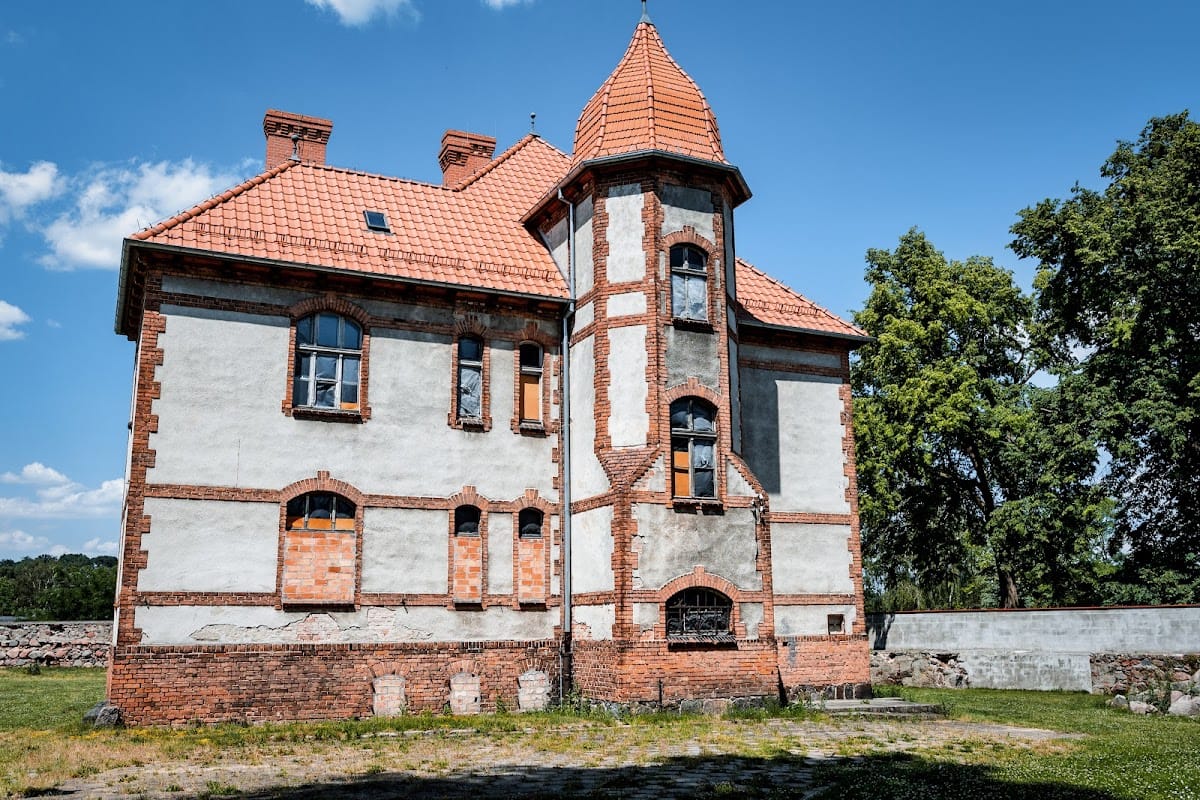
In the 19th century, the castle’s southern wing was rebuilt for official use, housing court and prison facilities. Neogothic architectural styles were introduced during renovations to the eastern wing. A shelter for orphans was established on the premises, founded by Kalkstein and run by the Sisters of St. Catherine from Braniewo, showing the site’s evolving social role.
From the 1860s onward, scholarly architectural studies led to later restorations and the addition of judicial buildings alongside housing for officials. In the 20th century, the castle accommodated the district court and prosecutor’s office before its transformation into a cultural center and museum. Since 2017–2018, it has functioned as a branch of the Malbork Castle Museum. Throughout its history, Sztum Castle has witnessed numerous regional political shifts, wartime occupations, and administrative changes, reflecting the complex heritage of northern Poland.
Remains
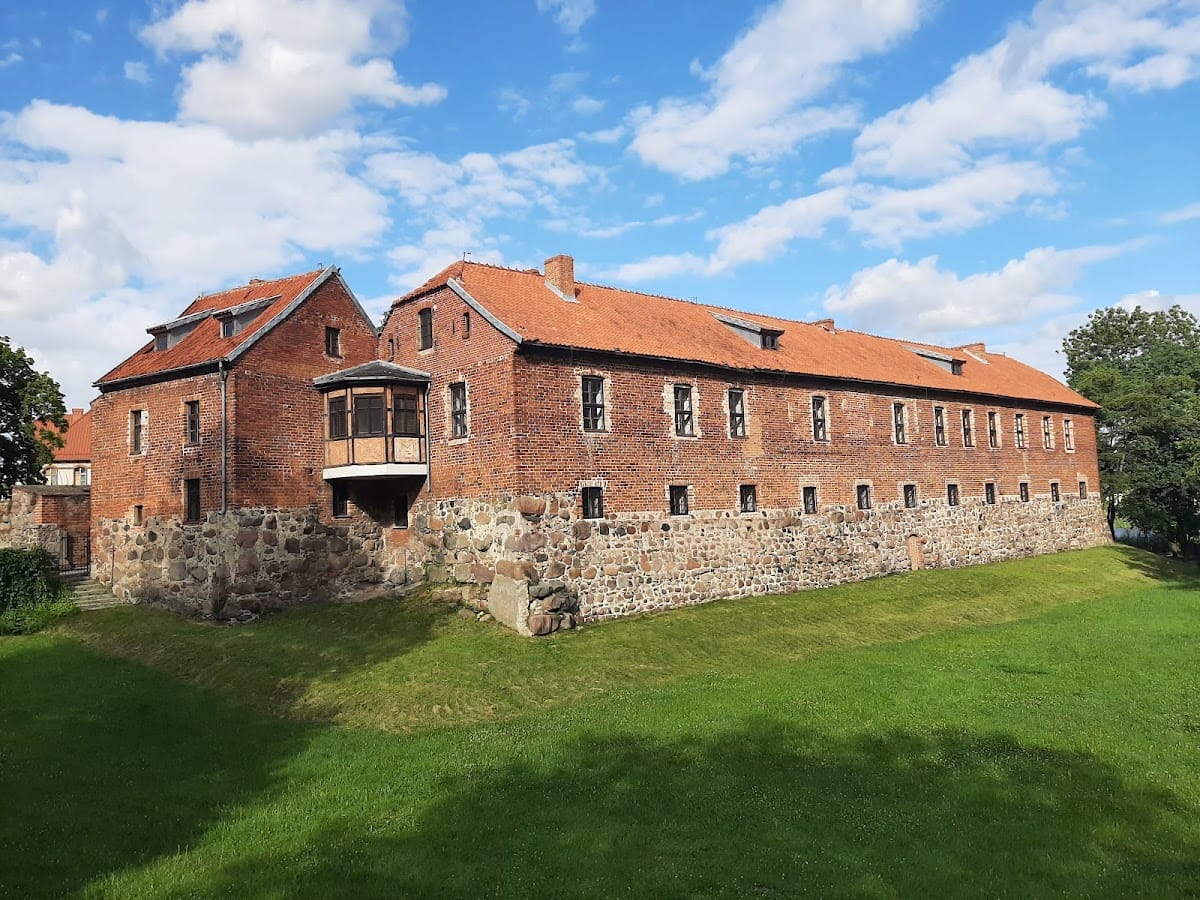
Sztum Castle was originally designed in the Gothic style following a polygonal plan, incorporating three main towers. Among these was the significant Albrecht Tower, constructed under the commission of Archduke Albrecht III of Austria. The fortress was primarily built using stone and brick, materials typical of Teutonic military architecture in the region.
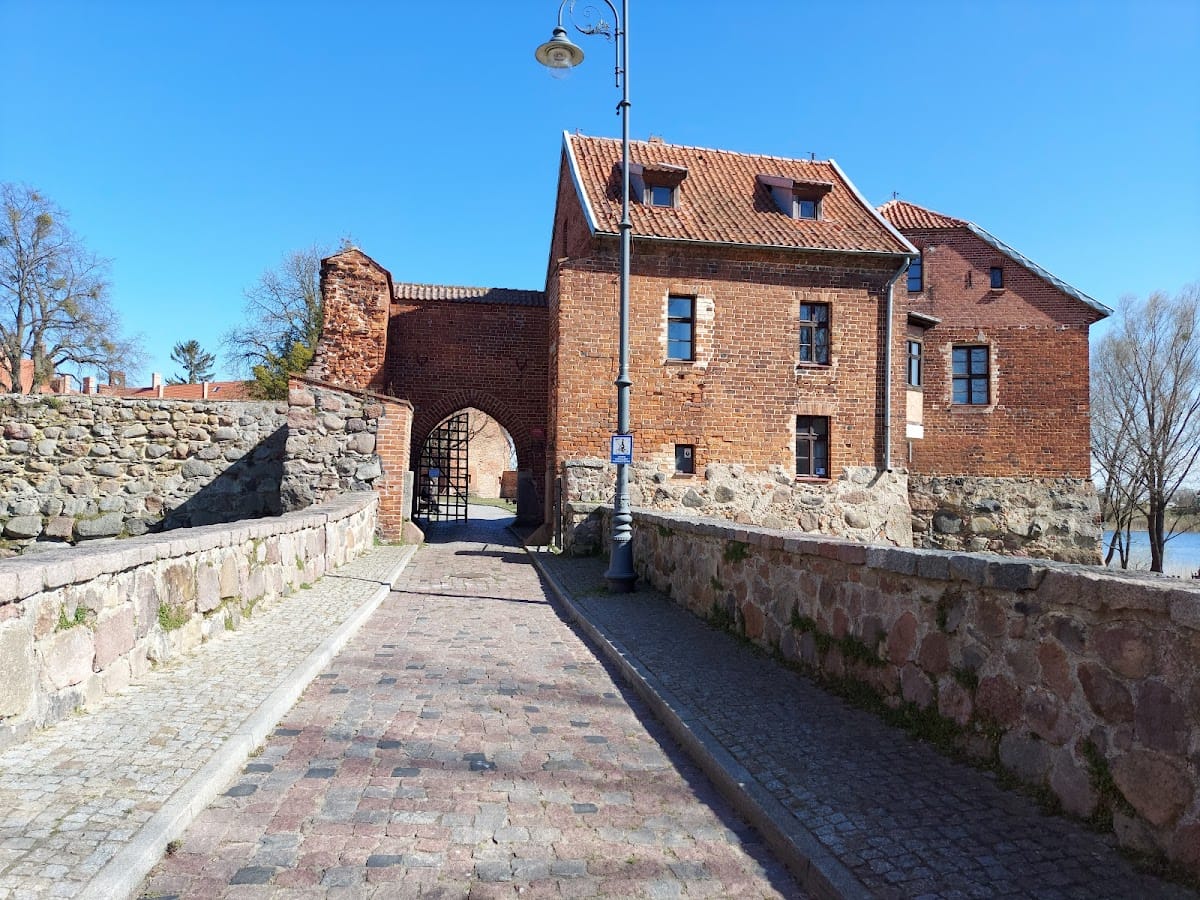
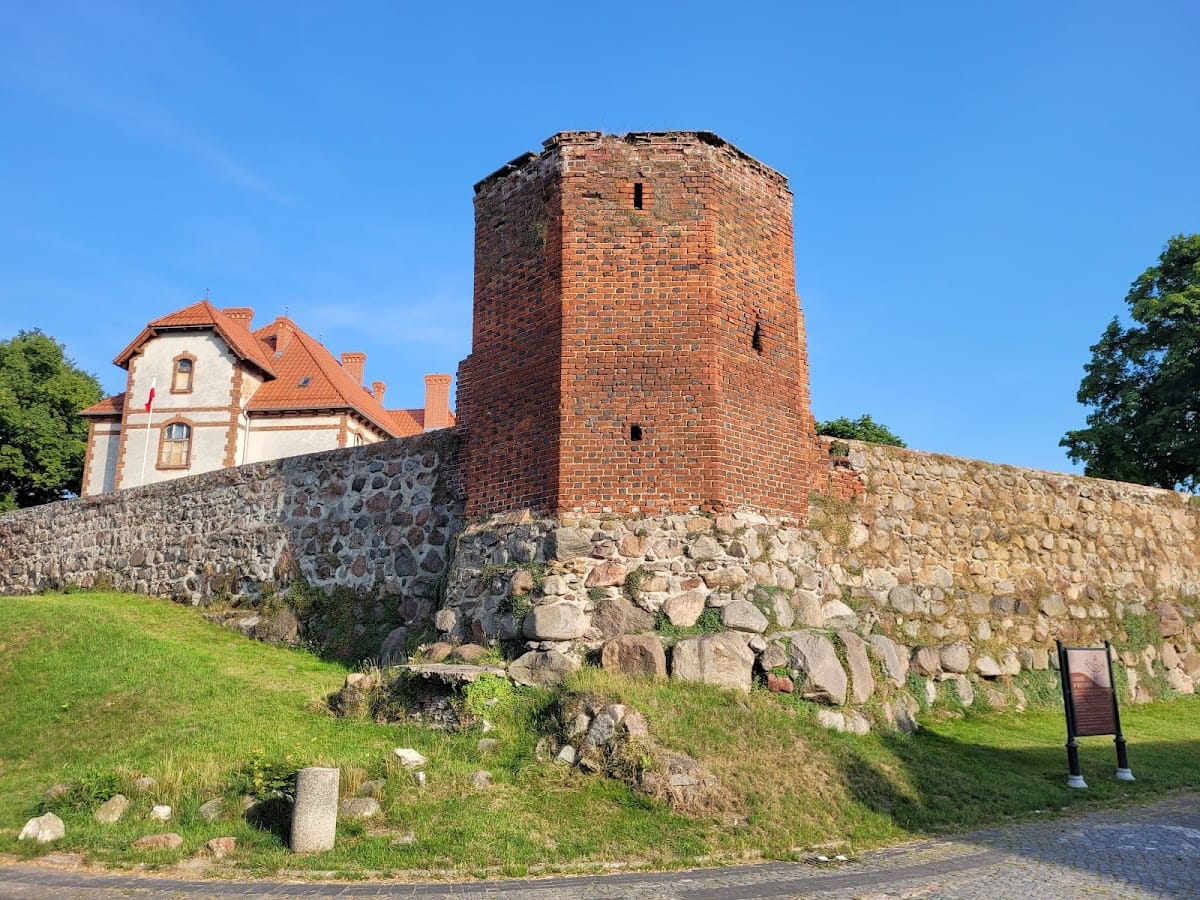
Today, two wings of the castle remain, both reconstructed extensively in the 19th century. These surviving sections include a prison tower situated at the northwest corner, which retains its medieval function and form. The main gatehouse features distinctive pointed-arch niches on its ground floor, characteristic of Gothic design, framing the entrance passage.
Throughout the late 18th and 19th centuries, key structural elements were demolished. The northeastern corner tower along with portions of the eastern and western wings were dismantled, as were parts of the gate tower and entrance gate. The southern wing was rebuilt during the 19th century to serve administrative needs such as housing court and prison operations. During this period, the eastern wing’s facades received neogothic stylistic enhancements, blending historical motifs with newer architectural trends.
The castle once stood surrounded by a moat, which was drained and repurposed in the 18th century, altering the original defensive landscape. It is positioned near Lake Sztumskie (sometimes known as Zajezierskie), on the street today named Galla Anonima.
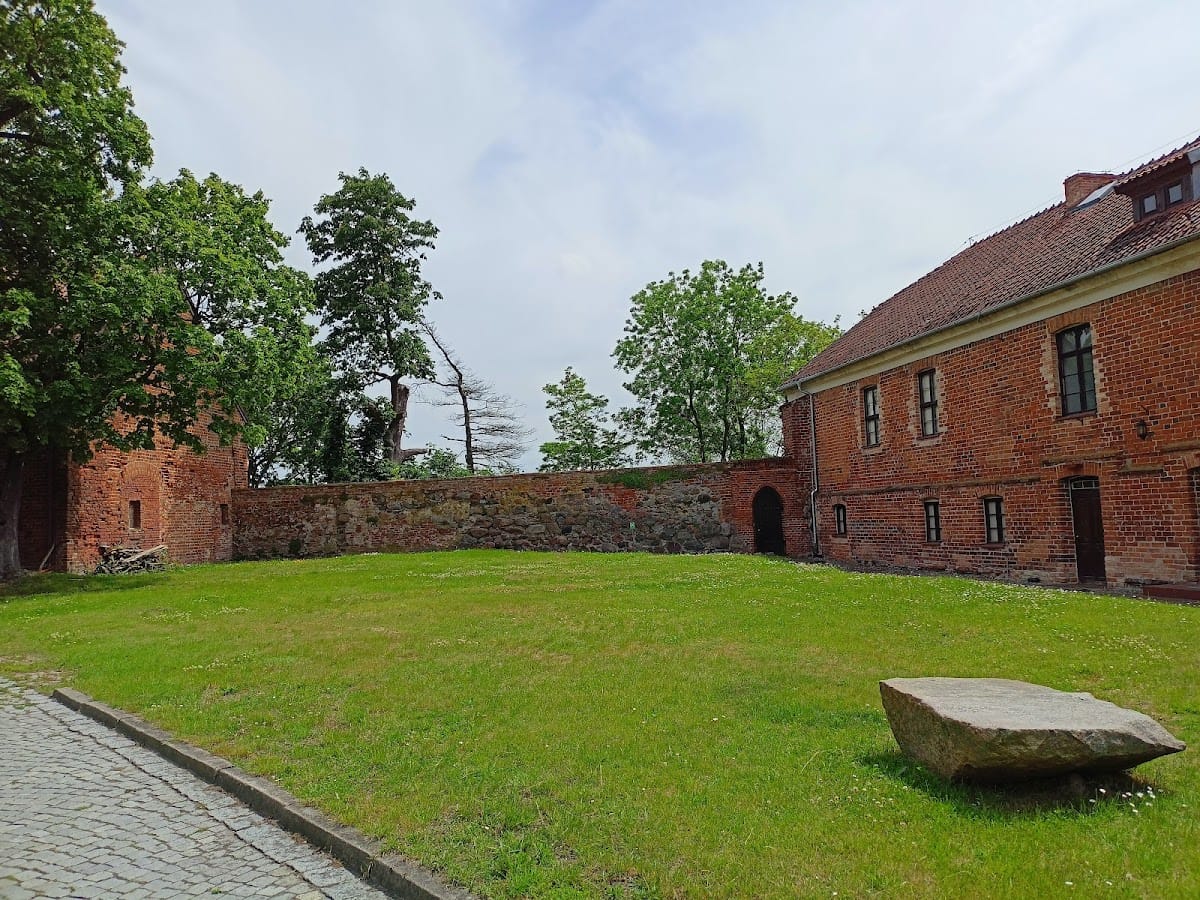
Archaeological and architectural research began in the 1860s, providing a foundation for later restoration and adaptive reuse efforts. In the modern era, portions of the castle have been transformed to accommodate cultural institutions, including the Museum of Powiśle and the Sztum Cultural Center. These adaptations preserve the castle’s historical significance while maintaining its role within the community.
The combination of surviving wings, the prison tower, and gatehouse elements offers valuable insight into the castle’s defensive and administrative functions across centuries. Despite losses and modifications, these structures continue to illustrate the site’s layered history from its Teutonic origins through Polish and Prussian eras to its contemporary cultural purpose.
Nearby sites


