Schloss Wildberg: A Castle and Protestant Printing Centre in Lower Austria
Site at a Glance
- Popularity
- Low
- Country
- Austria
- Primary era
- Early Modern
- Eras represented
- Medieval, Early Modern
- Civilizations
- Duchy of Austria, Habsburg, Holy Roman Empire
- Site type
- Military
- Remains
- Castle
On this page6 sections
History
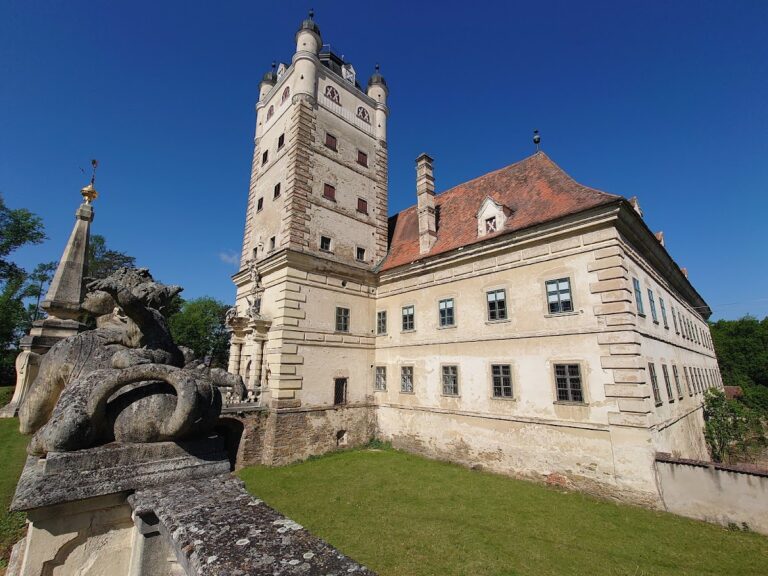
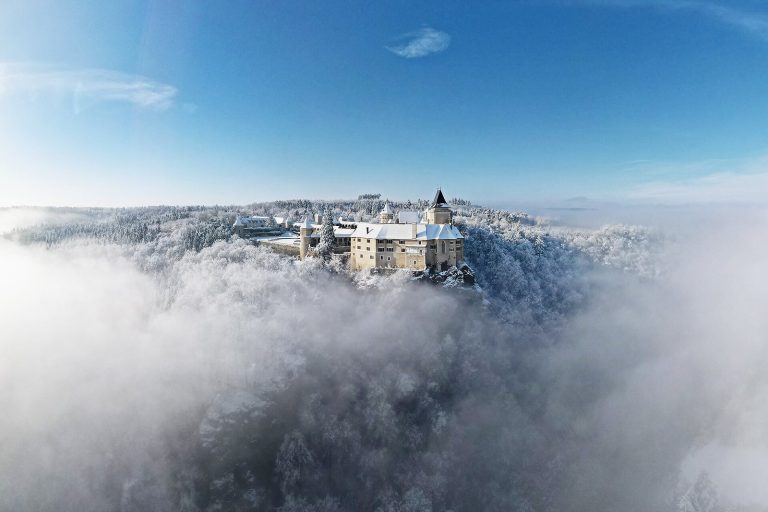
Schloss Wildberg is a castle in the municipality of Irnfritz-Messern, in Lower Austria, Austria. First recorded in the twelfth century, it was later remodeled as a Renaissance palace, reflecting a cultural and artistic movement that began in late medieval Europe. Under the Puchheim family, it became a center of Protestant printing in Lower Austria.
Medieval ownership
Known in its earliest record as Wiltperch, the castle belonged to the Lords of Wildperch, probably a branch of the Counts of Poigen. After the male line of Hohenburg-Wildberg died out, the castle passed in the early thirteenth century as a fief, land held from a superior in return for obligations, to the Counts of Vohburg. They supported the Hohenstaufen, a medieval German royal and imperial dynasty. The property later passed to the Lords of Maissau, and the Lords of Puchheim held it from 1432.
Puchheim rule and Protestant printing
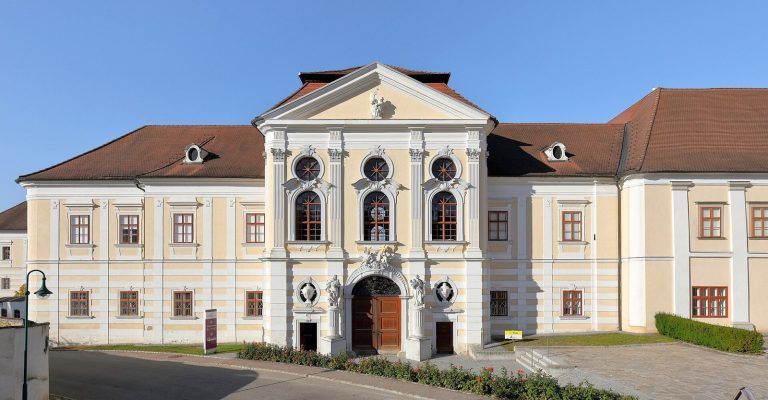
The Puchheims developed Wildberg into a fortified castle that served as a refuge during the unrest of the seventeenth century. In the late sixteenth century, they also established a printing house for Protestant writings and remodeled the complex as a Renaissance palace. Linked to the Horn League, an alliance of Protestant estates in Lower Austria, the printing house helped make Wildberg a center of Protestantism in the region. A treatise by the castle preacher Johann Tettelbach von Karlstein was printed there in 1586.
Confiscation and later history
After 1620, as re-Catholicization began, efforts to restore Catholic institutions and religious practice in areas where Protestantism had spread, the Puchheims were dispossessed. The castle passed to the Catholic Barons of Traun. From the eighteenth through the twentieth century, it formed part of the estate of Altenburg Abbey, a Benedictine monastery in Lower Austria.
Wildberg is sometimes called the “Coat-of-Arms Castle” because the Counts of Hohenburg-Wildberg bore a red-white-red shield. Some historians have proposed that their arms were the model for the red-white-red shield used by the Babenbergs from the thirteenth century. The Habsburgs later adopted that shield, which ultimately became associated with Austria’s national colors. In the twentieth century, a castle-preservation association carried out a partial restoration with support from the monument-preservation authority.
Remains
The surviving castle fabric
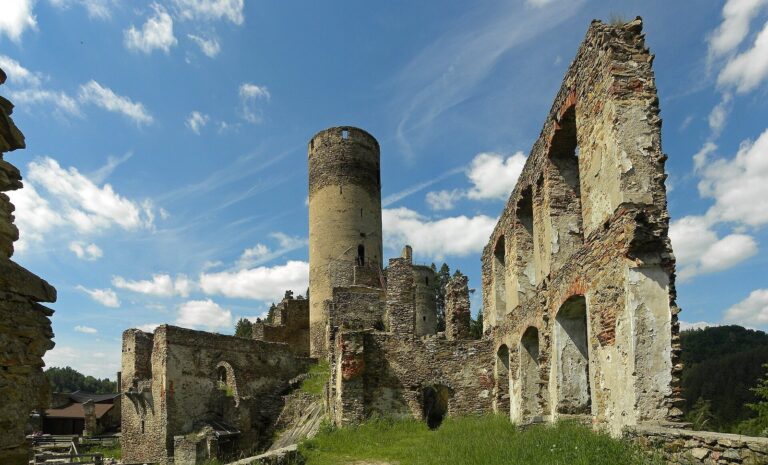
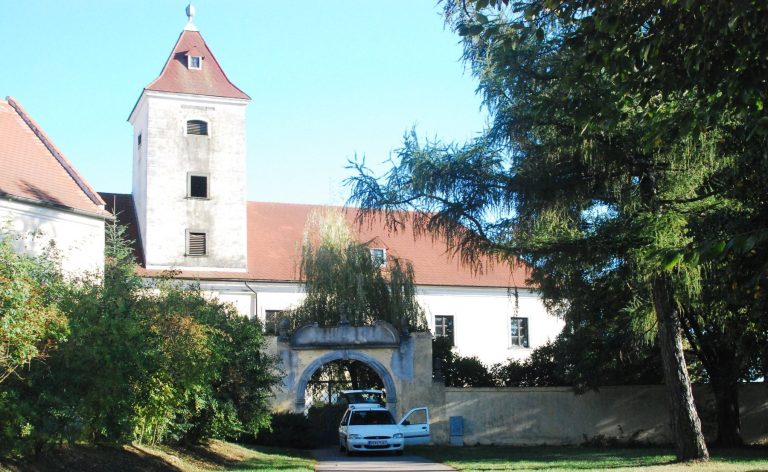
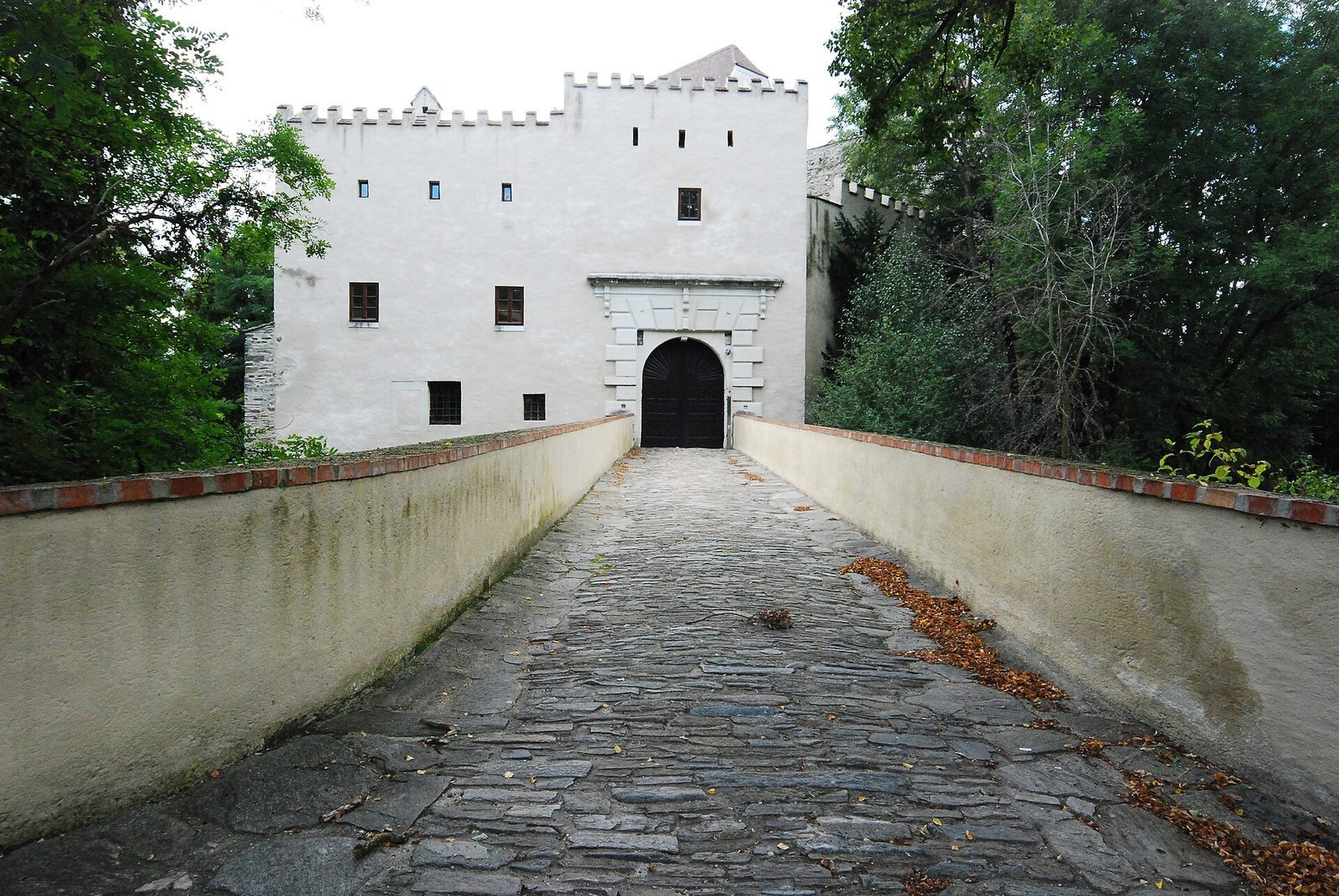
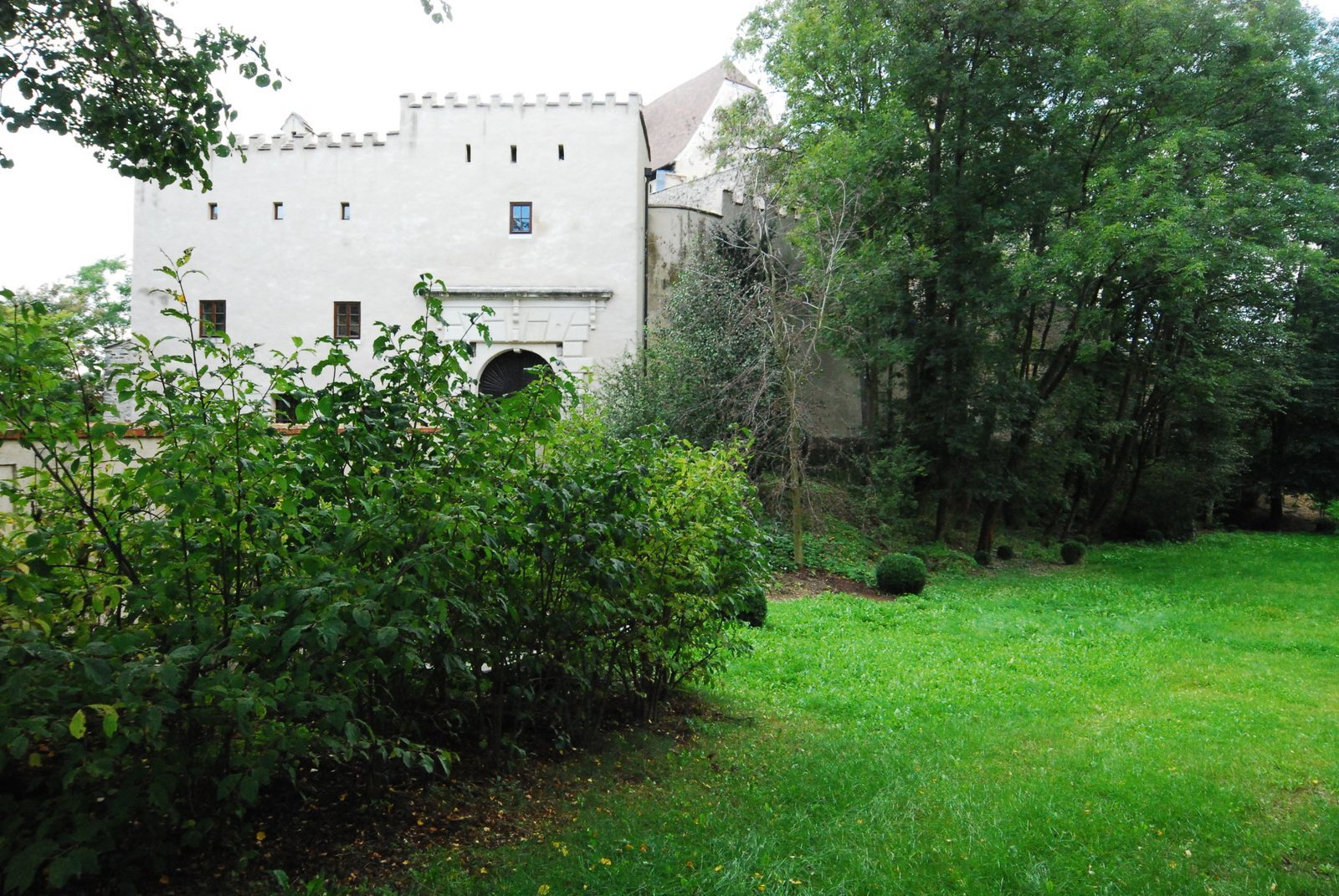
The complex stands high above the Taffa valley. Extensive alterations and additions in the sixteenth and seventeenth centuries left the medieval castle represented by its base masonry. The surviving features include a palas (the castle’s principal hall or residence), a smoke kitchen (a kitchen vented through the room or roof), and a smithy.