Historic Sites in Austria: Explore Castles, Abbeys and Palaces
Explore more than 700 historic sites in Austria, including hilltop castles, monastic complexes, Habsburg palaces and Roman settlements along the Danube. Castles and residences account for much of the collection, with gated approaches, enclosed courtyards and ceremonial rooms. Religious sites include medieval churches and cloisters as well as Baroque abbeys rebuilt on older foundations.
Primary Function: All
Type: All
Civilization: All
Popularity: All
Rating: All
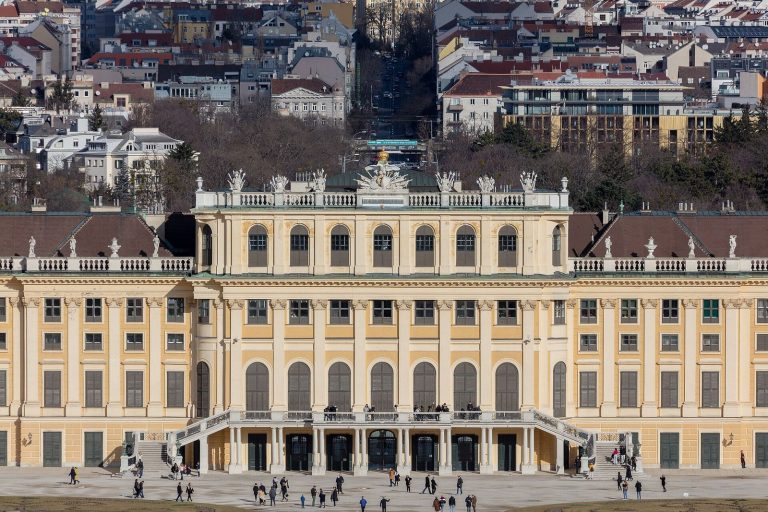
Schönbrunn Palace in Vienna was the principal summer residence of the Habsburg imperial family and developed from a hunting estate into a major…
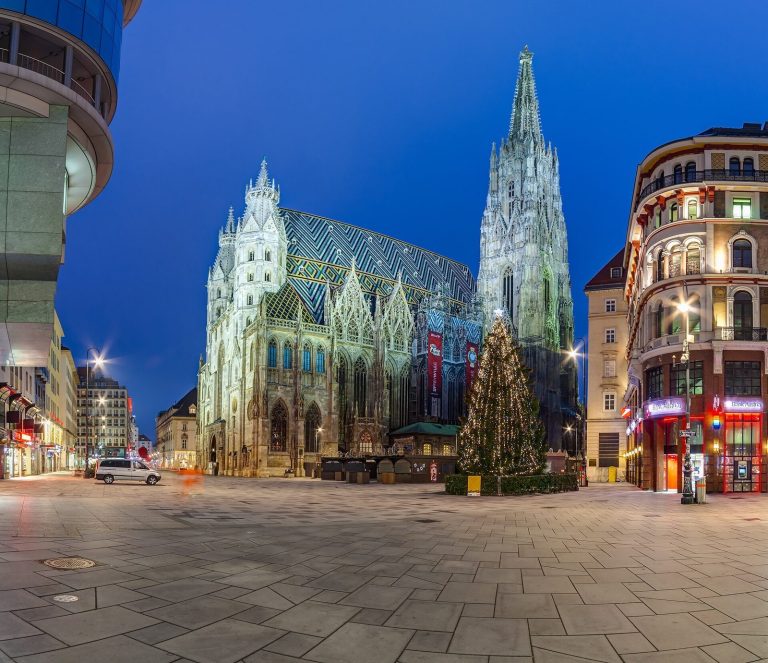
St. Stephen's Cathedral in Vienna developed from a Romanesque parish church founded in the twelfth century into the cathedral and metropolitan church…
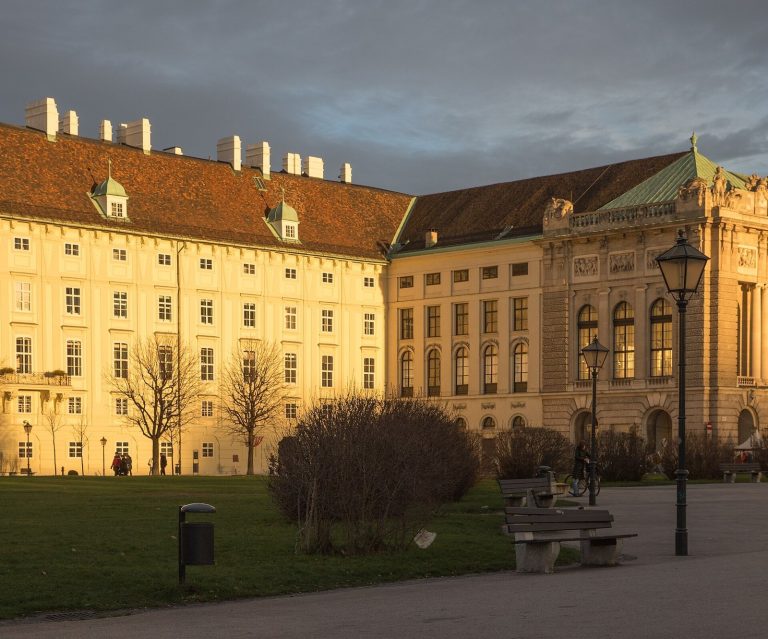
Hofburg Palace in Vienna was the principal residence of the Habsburg dynasty from the late thirteenth century until 1918. Its medieval fortress core…
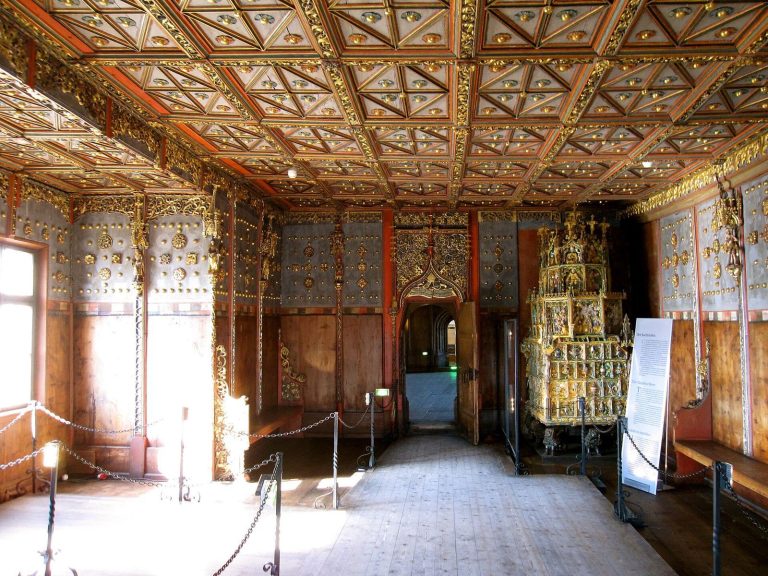
Hohensalzburg Castle developed from an eleventh-century fortified residence into a major medieval and early-modern fortress above Salzburg. Its…
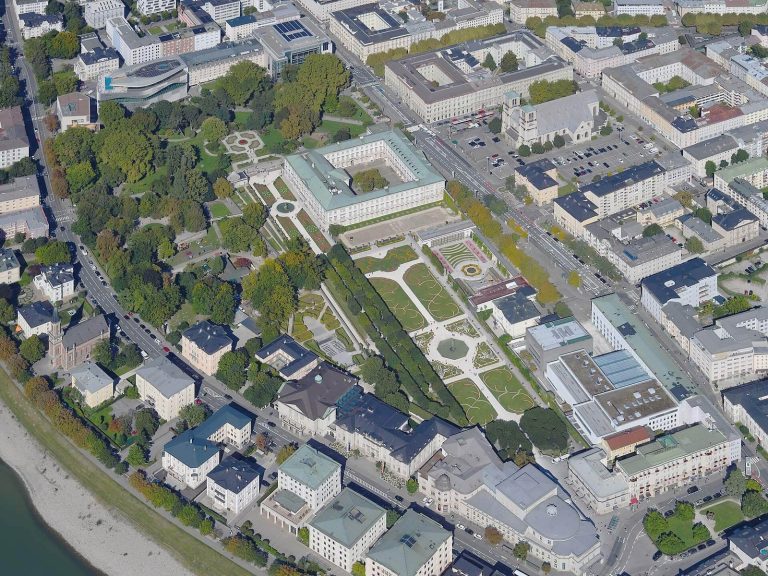
Mirabell Palace in Salzburg developed from an early seventeenth-century residence into a Baroque complex, later becoming city property and part of…
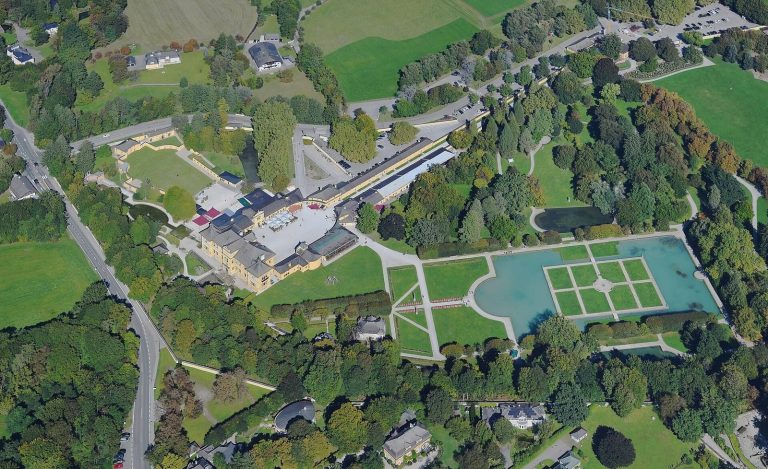
Hellbrunn Palace in Salzburg, Austria, was built between 1613 and 1615 for Prince-Archbishop Markus Sittikus von Hohenems. Its palace, gardens, water…
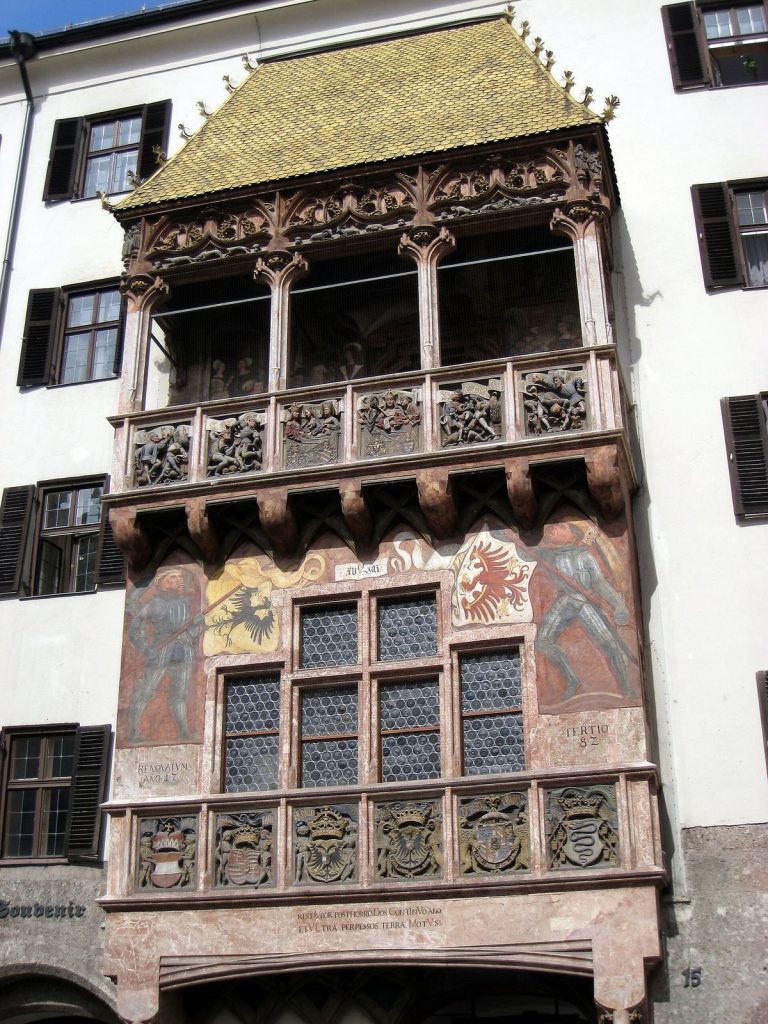
The Golden Roof is a late-Gothic ceremonial oriel added to Innsbruck’s Neuer Hof for Emperor Maximilian I around 1500. Its gilded copper shingles,…

Melk Abbey traces its history from the Babenberg rulers and an eleventh-century Benedictine foundation to a major centre of monastic reform,…
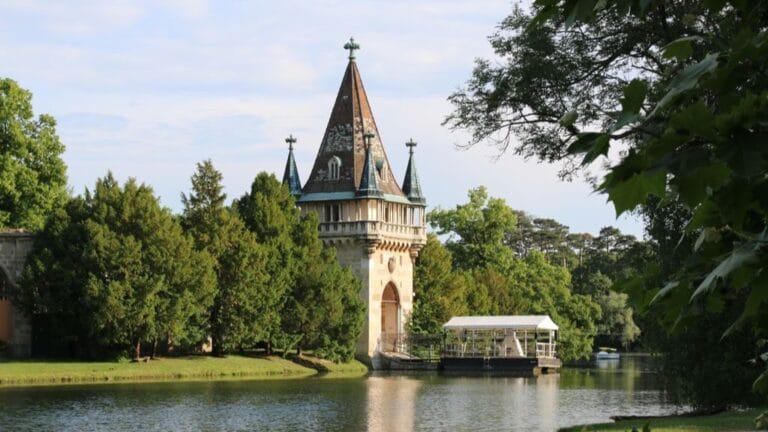
Laxenburg castles are a group of Habsburg palaces and landscaped grounds near Vienna, including the Old Castle, the Blue Court, and Franzensburg,…
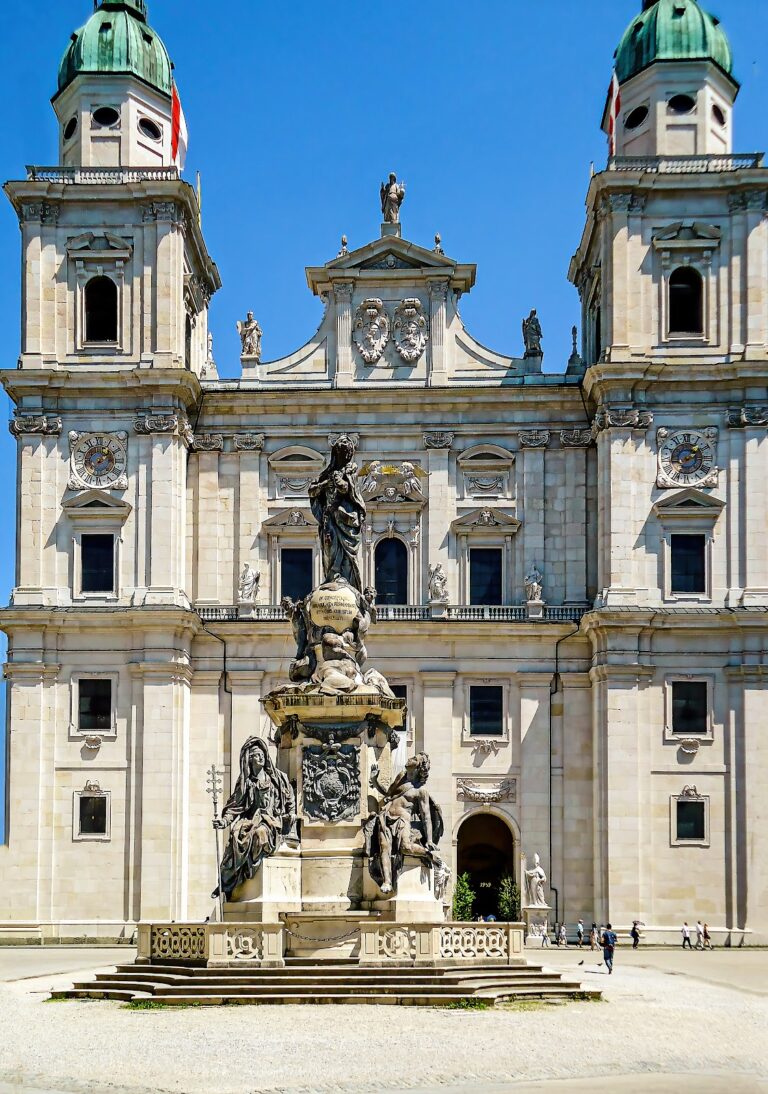
Salzburg Cathedral is the Roman Catholic metropolitan church of Salzburg. Built after the destruction of its Romanesque predecessor, the present…

Hohenwerfen Castle in Salzburg, Austria, was founded in the eleventh century to protect the archbishopric’s territory and control the route through…
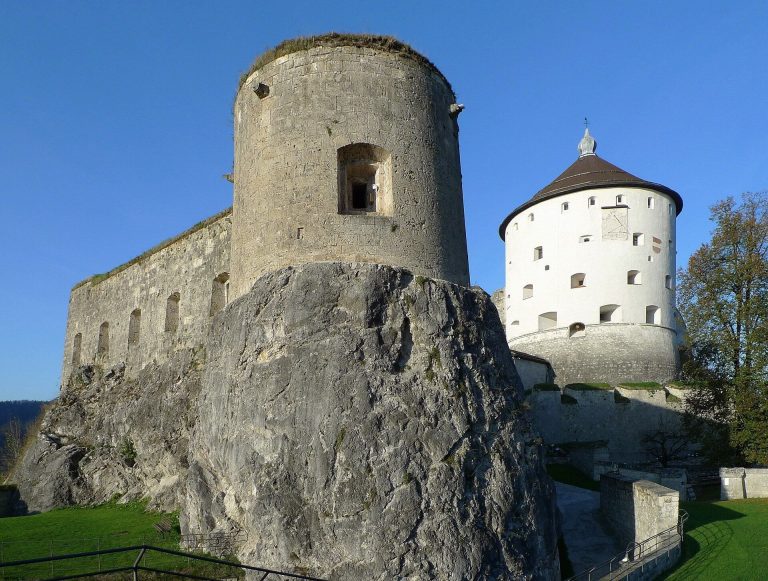
Kufstein Fortress developed from a medieval stronghold above the Inn into a major frontier fortress, prison, museum, and events venue. Its history…
For details on how to use the maps, which sites are included, how popularity and ratings are determined, and how sites are classified, see the help page.
On this page5 sections
Castles and fortresses
Hochosterwitz Castle rises on an isolated rock in Carinthia. Its approach winds through fourteen gates over roughly 620 metres, placing successive barriers between the lower slopes and the castle. Gateways stand beside rock faces and precipices, where defenders could control a narrow route. The Watchmen’s Gate includes loopholes and an opening through which the entrance below could be defended. Much of this system took its present form during Georg von Khevenhüller’s expansion in the later sixteenth century.
Hohensalzburg Castle occupies the Festungsberg above Salzburg. Founded in the eleventh century by Archbishop Gebhard, it developed into a complex of courtyards, walls, stores and residential buildings. Its interiors include the Golden Hall and the Goldene Stube, with a decorated tiled stove. Those rooms add the archbishops’ residential requirements to the fortress’s military role, while the cistern, bakery and stores supplied the people living inside its walls.
Palaces and historic residences
Schönbrunn Palace in Vienna introduces the country’s imperial residences. Begun in the 1690s and extensively remodelled in the 1740s, the palace developed as a Habsburg summer residence with symmetrical wings and a long courtyard façade. Paired columns and stairways articulate the central approach, while fountains occupy the forecourt.
The building is an unfortified Baroque residence whose arrangement depends on formal approaches, rooms and gardens.
Churches and abbeys
Heiligenkreuz Abbey retains a Romanesque and Gothic core from its medieval development. The late twelfth-century nave and transept lead towards a thirteenth-century Gothic choir. Round-headed clerestory windows light the nave from above, while the adjoining cloister lies beside the south aisle. The nave’s round-headed windows and the Gothic choir belong to separate medieval building campaigns.
At Melk Abbey, the dominant buildings belong to an eighteenth-century Baroque rebuilding of a much older Benedictine institution. The complex extends above the Danube, with courtyards leading towards the church dome. Inside the church, marble, stucco and gold leaf cover the architecture around the altars. A broad terrace connects the Marble Hall and library and gives a view of the church’s twin-towered west front. These large connected spaces belong to the abbey’s later design, rather than its medieval beginnings.
Roman settlements and reconstructed houses
Carnuntum developed beside the Danube where a frontier military centre met the trading route known as the Amber Road. The settlement included a legionary fortress, a cavalry fort, civilian neighbourhoods and amphitheatres. These were separate parts of a much larger occupied area, rather than buildings enclosed within a single compact archaeological site.
The Roman City Quarter presents houses and baths reconstructed on their archaeological locations. Buildings such as the House of Lucius and Villa Urbana use excavated evidence for their plans, fittings and heating systems. These are modern reconstructions made with ancient craft techniques; their enclosed rooms and working arrangements help explain spaces that excavation alone exposes mainly in plan. The military amphitheatre also contains substantial early twentieth-century reconstructed masonry.
Explore the collection
Explore sites on the map or in the grid. Map icons indicate each site’s primary function, helping you identify different kinds of places at a glance. Narrow the results by primary function, site type, civilization or era, with additional filters for popularity and rating. Select a map marker to view the site’s details and open its article, or open the article from its grid entry.