Olsztyn Castle: A Medieval Fortress in Poland
Visitor Information
Google Rating: 4.7
Popularity: High
Official Website: www.zamekolsztyn.pl
Country: Poland
Civilization: Medieval European
Site type: Military
Remains: Castle
History
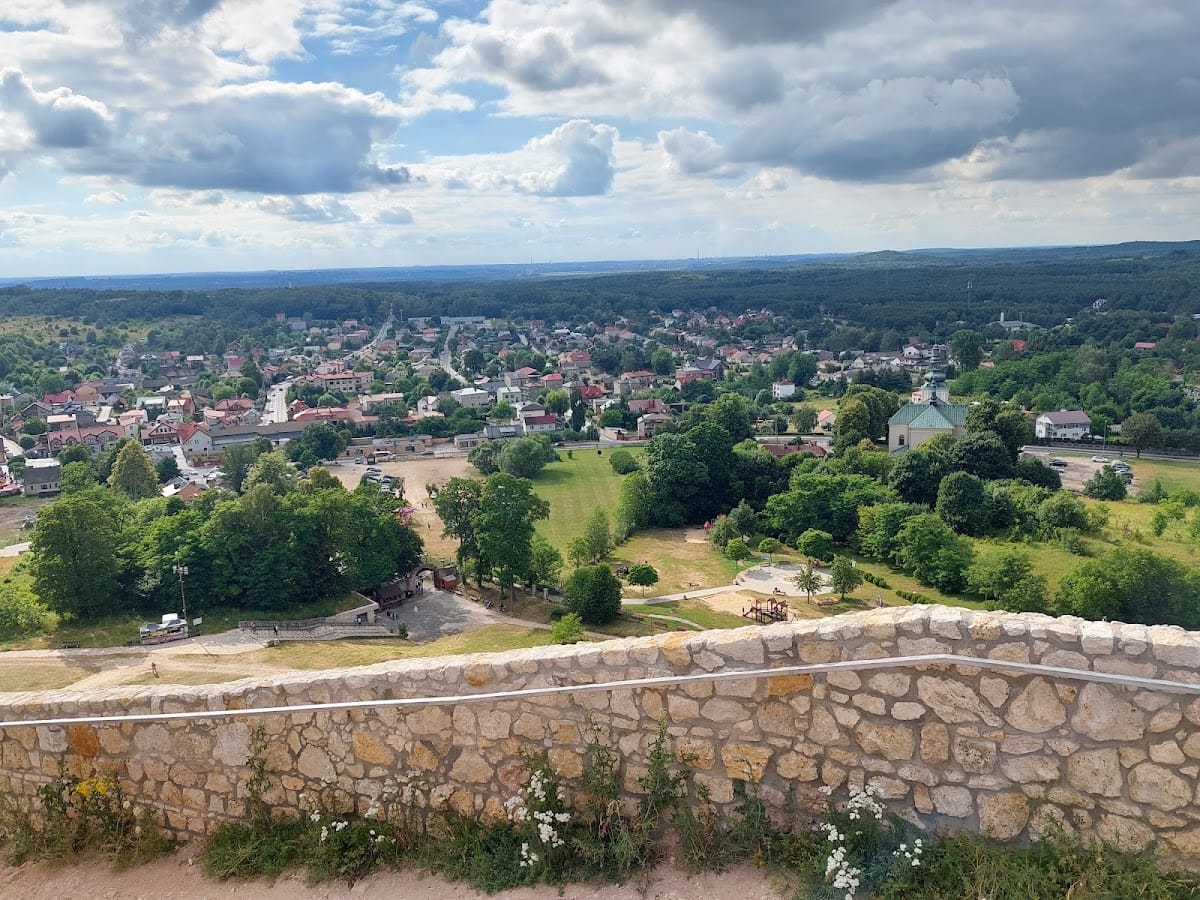
Olsztyn Castle stands in the town of Olsztyn, Poland, within the region historically known as the Kraków-Częstochowa Upland. Built by medieval Polish builders, its origins trace back to the late 13th century as part of a network known as the “Eagle’s Nests,” a series of fortresses constructed to guard southern borders.
Initially emerging as a watchtower in the late 1200s, archaeological studies in 2010 confirmed the site’s 13th-century beginnings. During the 14th century, under the reign of King Casimir the Great, this small stronghold was transformed into a significant fortress guarding the border between the regions of Silesia and Małopolska. By 1349, the castle functioned as a royal administrative center, overseen by a burgrave named Zbyszko.
The castle’s political significance is marked by its role in regional power contests. In 1370, King Louis I of Hungary granted it as a fief to Duke Władysław Opolczyk. However, in 1391, Spytek of Melsztyn, acting under King Władysław Jagiełło, reclaimed the fortress for the Polish Crown. Around this time, the nearby settlement evolved into Olsztynek, which by 1406 was recognized in documents by that name. Later, in 1488, King Casimir IV Jagiellon granted town rights to Olsztynek, raising its administrative status to that of a starosty seat — a local governmental district.
Throughout the 15th century, the castle played an active defensive role against incursions from Silesian princes. These tense regional conflicts prompted structural expansions, notably the addition of what became known as the “lower castle,” designed to strengthen its defenses.
In 1587, Olsztyn Castle faced a significant military challenge during the Polish royal succession conflict when Austrian forces led by Archduke Maximilian laid siege to it. The castle’s defense, coordinated by starosta (local governor) Kasper Karliński, successfully repelled the attackers. Tragically, Karliński’s young son died in the fighting, an event that was later commemorated in Polish cultural memory, including literature and art.
However, the siege inflicted serious damage on the castle walls, prompting partial reconstruction overseen by starosta Joachim Ocieski. Subsequent neglect under his successor Mikołaj Wolski accelerated the fortress’s decline, with reports by 1631 already describing the site as heavily ruined.
During the mid-17th century Swedish Deluge, Swedish troops captured the castle after a brief siege in October 1655, causing extensive destruction to both fortress and town. Post-war repairs were limited and eventually ceased, influenced by the prohibitive costs and evolving forms of military technology that rendered such medieval fortresses less crucial.
In the 18th century, portions of the ruins were dismantled to supply materials for constructing a parish church in the town, reflecting a shift in local priorities. Although the starosty administration continued until the late 1700s, by the 19th century the castle remained in decay, with local peasants gradually removing stone to reuse for building.
Archaeological work in the 21st century, especially in 2015 and afterward, uncovered further details of the castle’s layout, particularly the lower castle area. Excavations revealed features such as bridge pillars and gate tower locations, while finds included flint tools made by Neanderthals in caves used historically as storage spaces within the castle grounds. Researchers also identified an intricate system of tunnels and fissures beneath and around the site, adding further depth to its historical complexity.
Remains
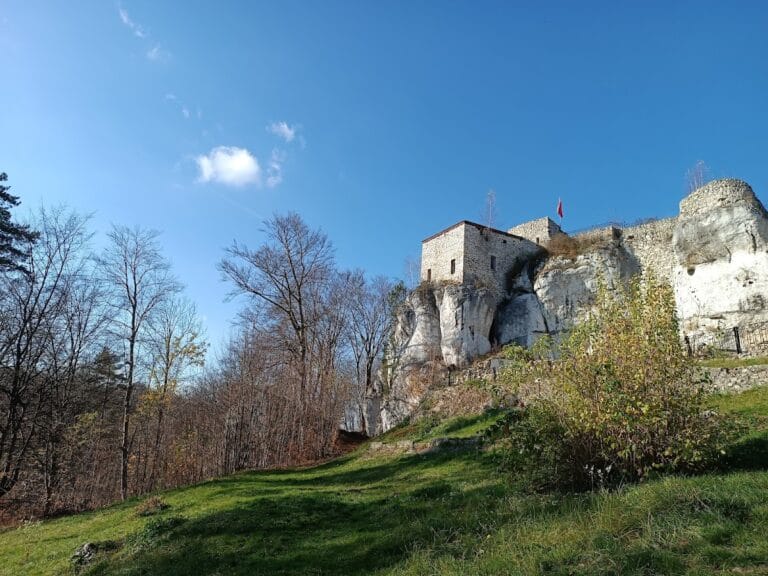
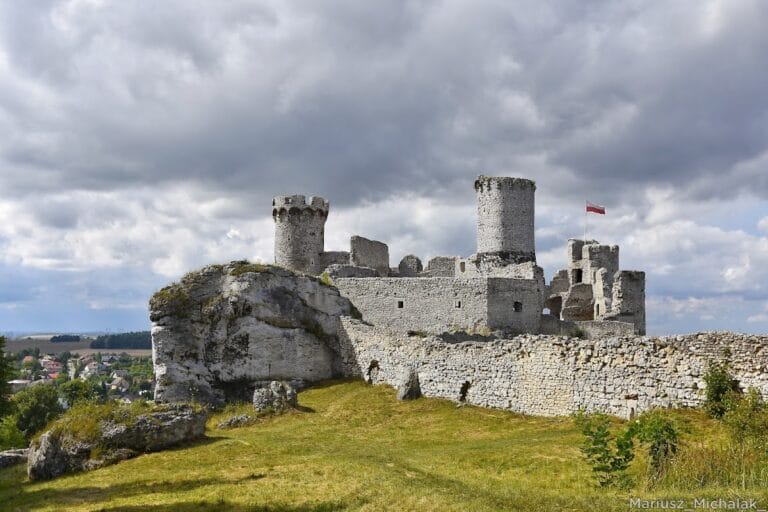
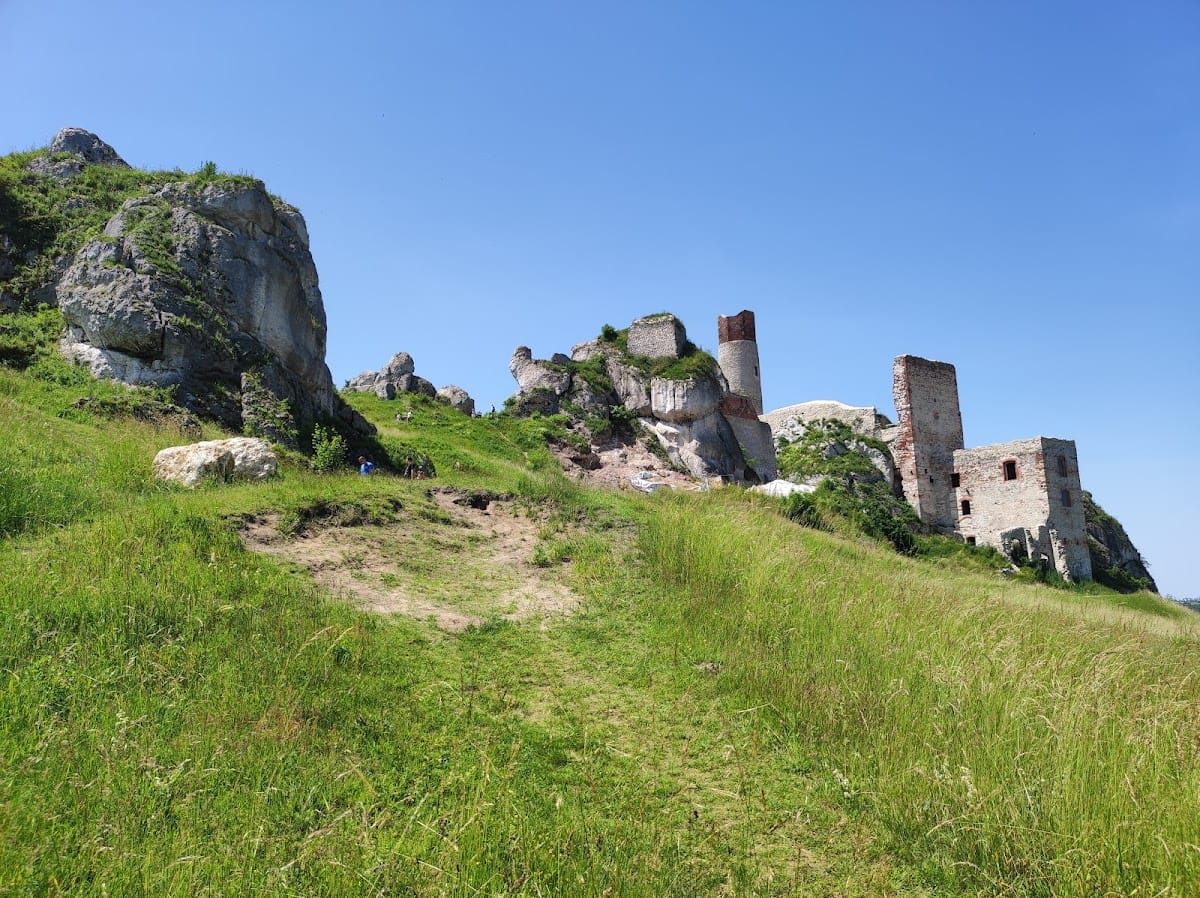
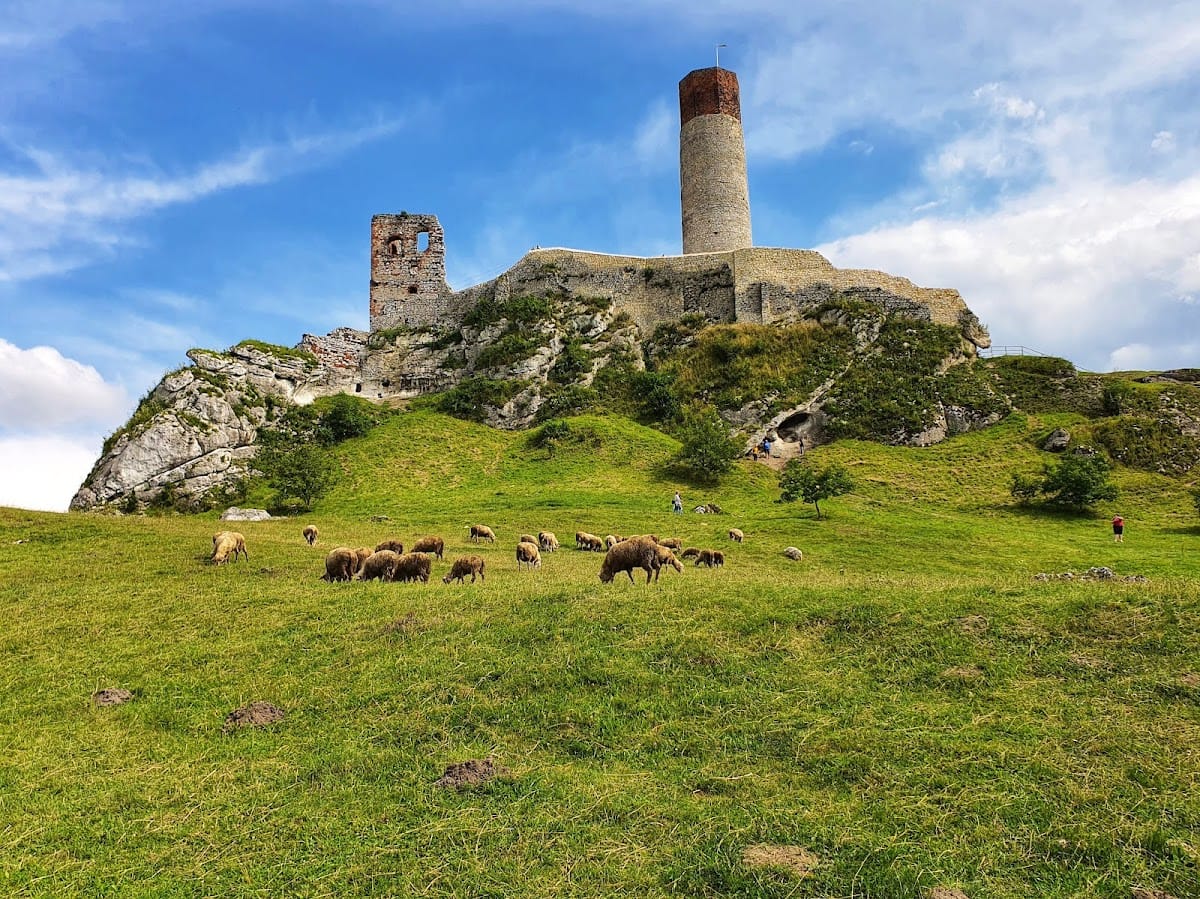
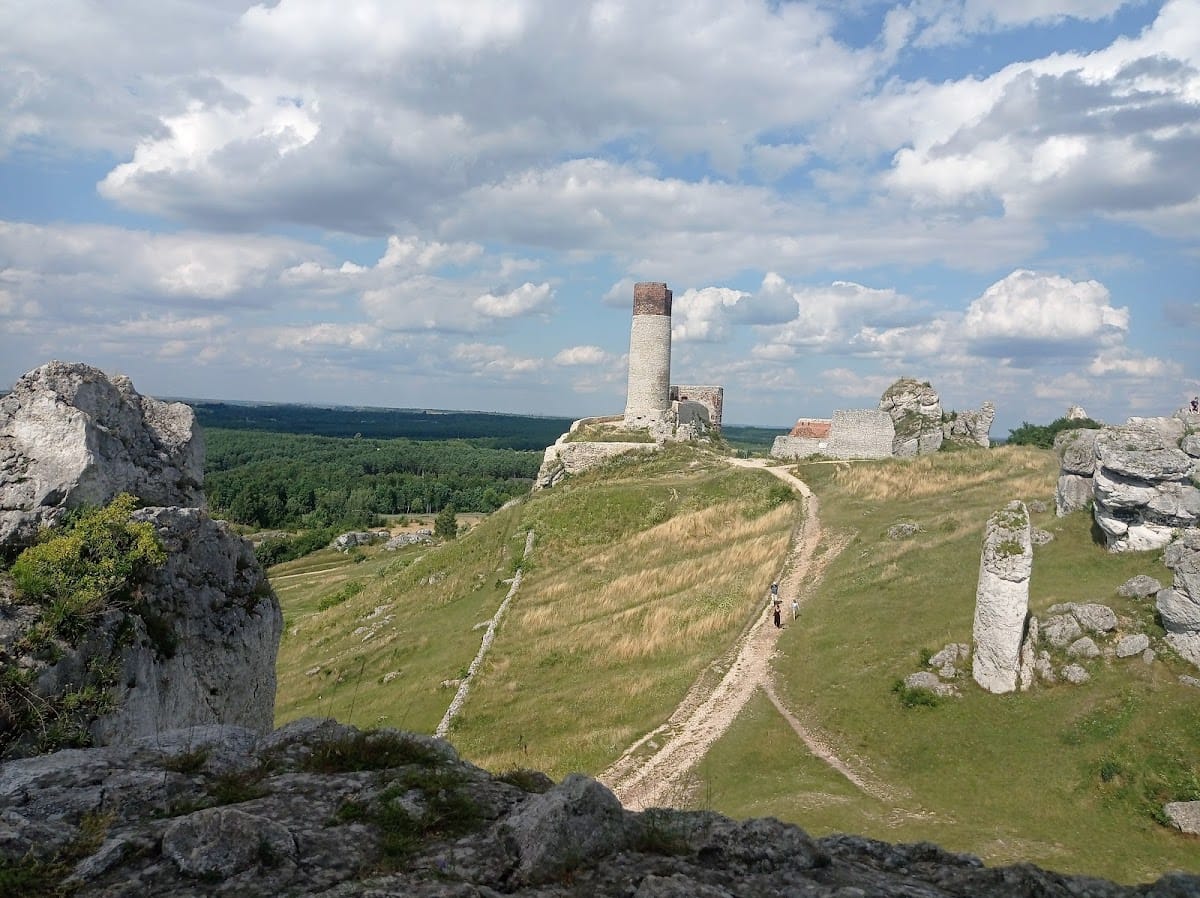
The ruins of Olsztyn Castle today offer a glimpse into its medieval construction and layered history. Built primarily from stone, the fortress combined an upper stronghold with a lower defensive section, both adapted over centuries to suit changing military demands. The surviving walls belong mainly to the residential parts of the complex, demonstrating the castle’s function as both a fortress and a seat of local administration.
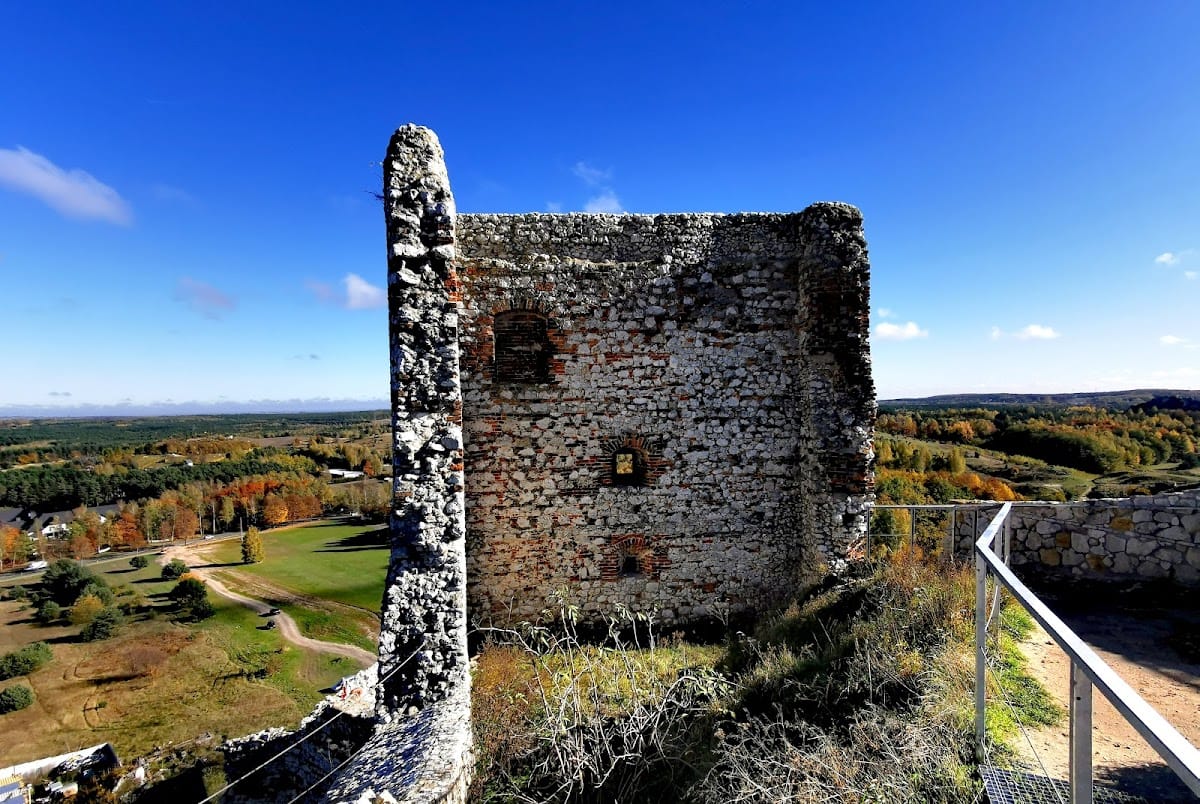
Among the most prominent features still preserved are two towers of distinct shapes. One is a cylindrical tower known as a stołp, and the other is a square tower historically referred to as the Starost’s tower, named after its role housing the local governor’s offices or quarters. These towers helped defend the castle while also serving as visible symbols of authority.
Excavations have revealed fragments of economic buildings within the castle grounds, including partial cellars that hint at food storage and daily operations. Notably, archaeologists uncovered the foundations of a smithy where traces of bloomery furnaces — early types of iron smelting devices — were found, indicating on-site metalworking.
The precise layout of the lower castle remained unclear until recent archaeological work exposed three bridge pillars. These once supported a wooden or stone bridge linking the gate tower of the lower castle to the upper fortress above. This discovery provided important insights into how access and defense were structured and controlled. The gate tower’s exact location was also identified through these efforts, clarifying a long-standing uncertainty about the site’s entrance features.
Inside a cave used historically as a pantry, tools crafted from flint by Neanderthals were discovered. This surprising find highlights the long human presence in the area far preceding the castle itself. Further exploration revealed a previously unknown cave and a complex network of tunnels and fissures beneath the castle grounds, believed to span natural formations and medieval modifications alike.
Despite centuries of damage, including partial dismantling in the 18th century to provide building materials for a nearby parish church, significant stone structures remain visible. However, ongoing natural threats such as rockslides historically caused repeated damage, leading to various phases of repair and reconstruction over the castle’s use.
In the modern era, the ruins served as a backdrop for large public pyrotechnic and laser shows during the 1990s. However, concerns about the stability of the remaining walls led heritage authorities to restrict such events following a partial collapse.
Today, the site stands as a historical ruin, preserving key architectural and archaeological traces that record its evolving role from medieval fortress and royal seat to a ruin layered with millennia of regional history.
Nearby sites