Maccastorna Castle: A Medieval Fortress in Italy
Visitor Information
Google Rating: 4.7
Popularity: Very Low
Country: Italy
Civilization: Medieval European
Site type: Military
Remains: Castle
History
Maccastorna Castle stands near the right bank of the Adda River in the municipality of Maccastorna, Italy. It was originally built in the 13th century by the Ghibellines, a political faction that had been expelled from the city of Cremona.
From the late 13th century through much of the 14th century, the castle and its surrounding lands, including nearby villages such as Basiasco and Maleo, were governed by the Vincemala family, also known as Vismara. This family exercised local authority under the Mero and Misto Impero, medieval terms related to imperial jurisdiction and justice. Their control spanned more than a century, from 1272 to 1381.
In 1371, Gian Galeazzo Visconti, the powerful lord of Milan, took possession of the castle. He later granted it as a fiefdom to Guglielmo Bevilacqua in 1385 in recognition of his role in overthrowing Bernabò Visconti, Gian Galeazzo’s rival. This transfer placed the castle under the Bevilacqua family, originally from Verona, who retained it for over five centuries.
During the 15th century, the fortress changed hands again when Cabrino Fondulo, a military leader serving the Cremonese Cavalcabò family, assumed control. Fondulo undertook substantial upgrades to reinforce the castle’s defenses including walls, a moat crossed by a drawbridge, and prison facilities. A dramatic episode unfolded here on July 24, 1406, when Fondulo entertained Carlo Cavalcabò and his entourage at the castle but then murdered them after the evening meal. Their bodies were disposed of in a structure known as the “well of the tolls.” Following this act, Fondulo proclaimed himself the ruler of Cremona.
After this turbulent period, the castle eventually remained in the hands of the Bevilacqua family until the early 20th century, marking the end of its feudal stewardship.
Remains
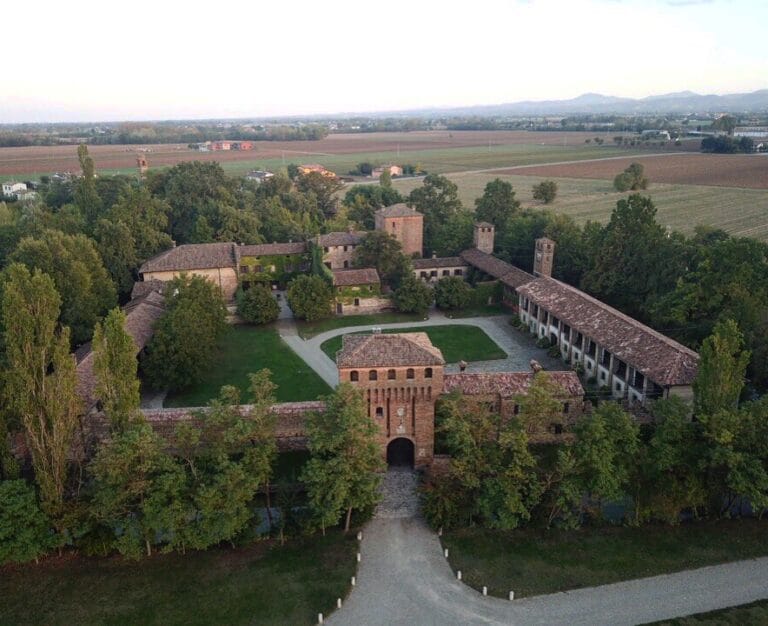
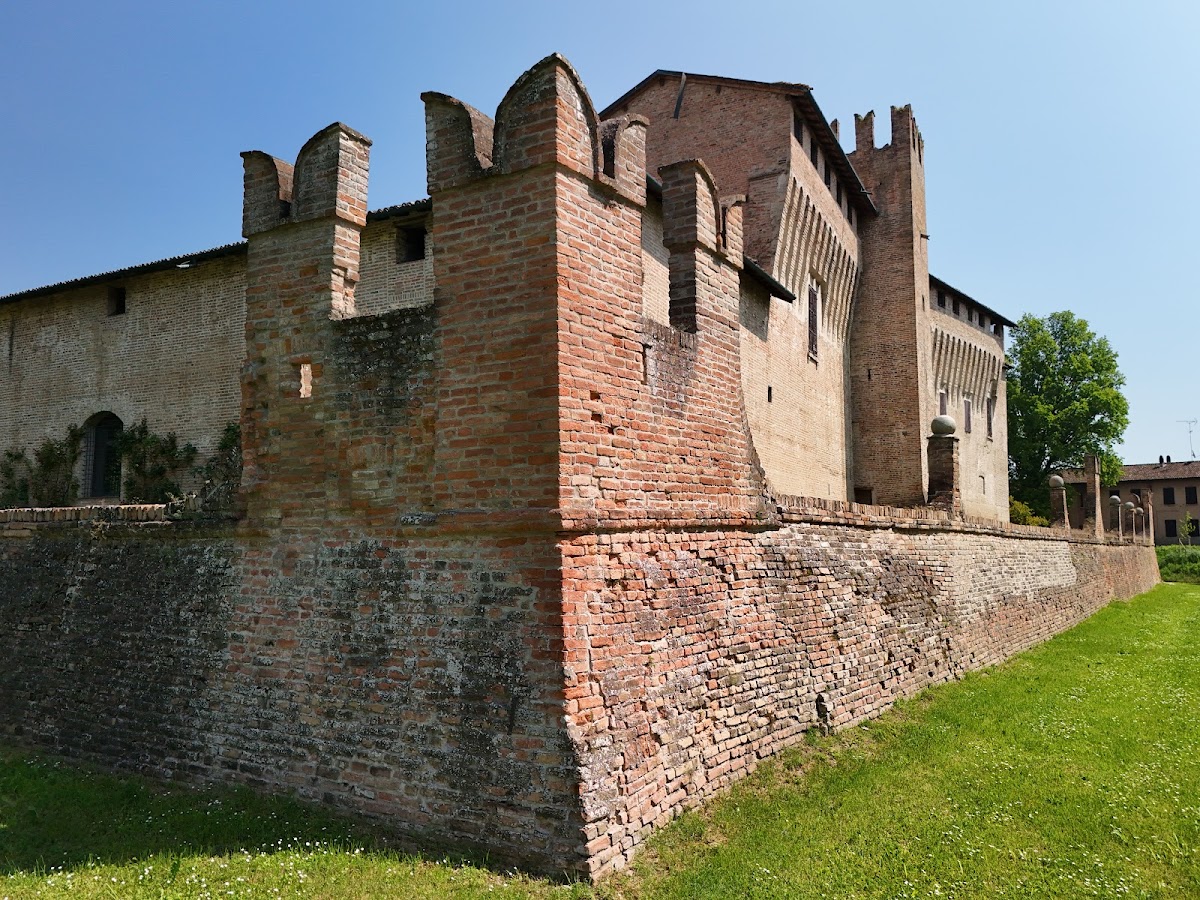
Maccastorna Castle was originally constructed with an irregular quadrangular shape, a layout that adapted to the terrain near the Adda River. This plan helped define its defensive role during the Middle Ages.
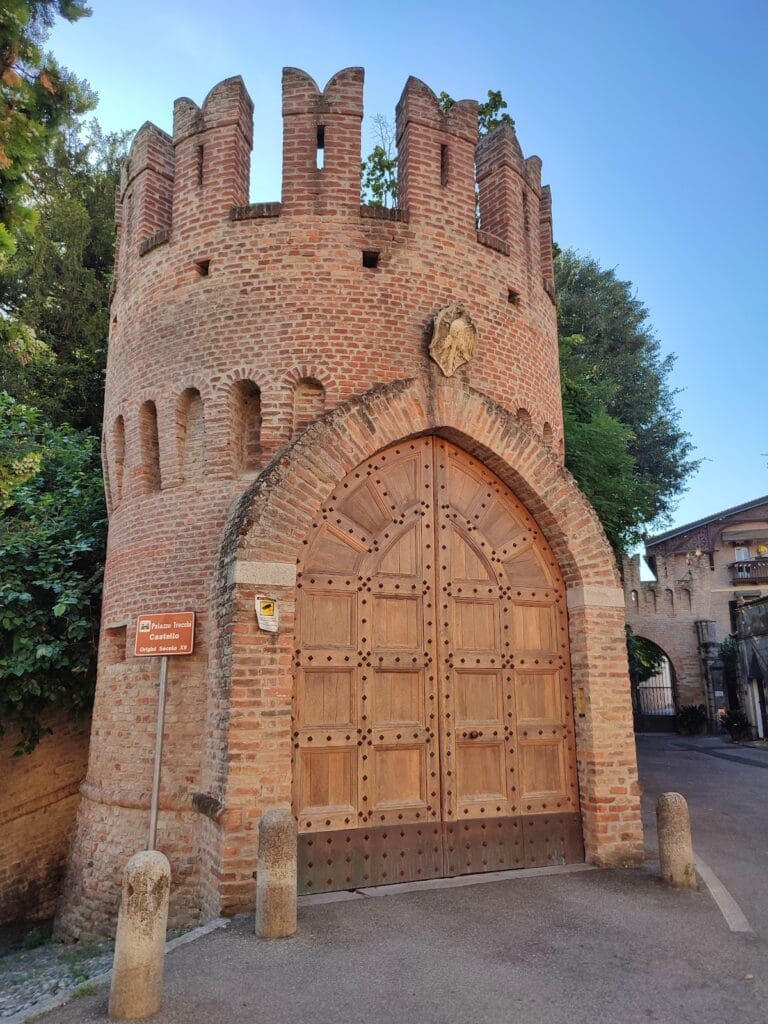
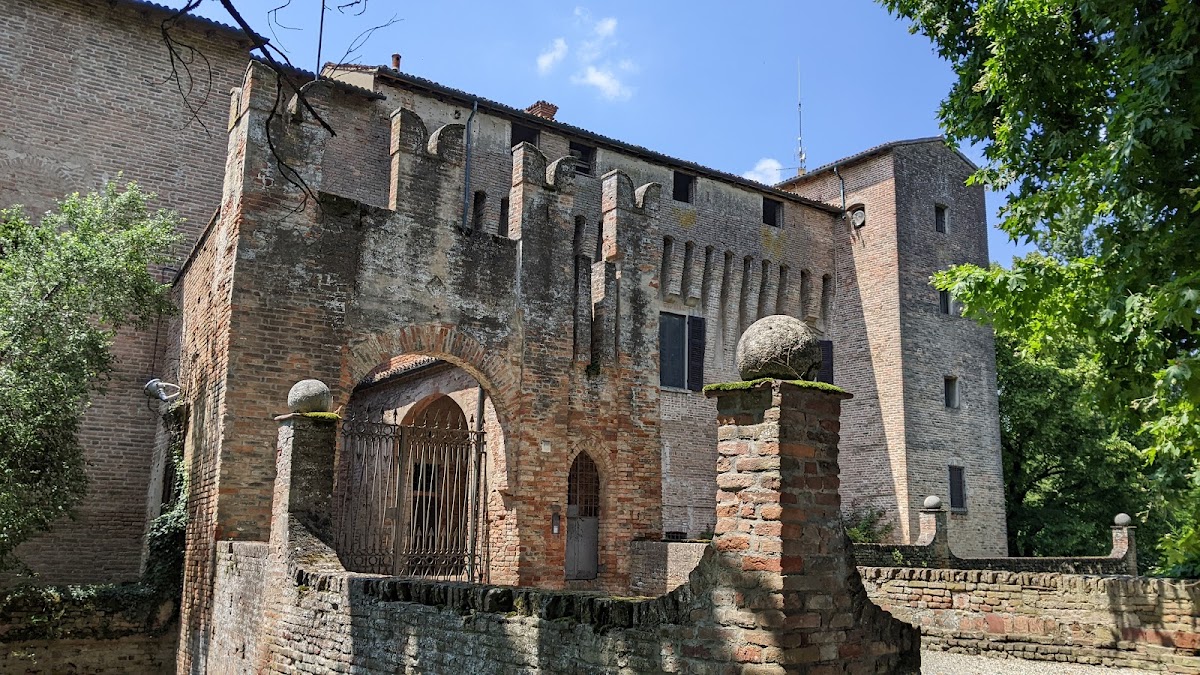
Today, portions of the castle’s original defensive walls survive. These remaining sections, known as mura di cinta (surrounding walls), reflect the medieval construction techniques used to protect the estate. In the 15th century, under Cabrino Fondulo’s direction, the fortifications were enhanced with new enclosing walls designed to withstand attacks. Additionally, a moat was dug around the castle, featuring a drawbridge that controlled access across the water barrier. The castle also included prison quarters added during this period, reinforcing both security and control within the fortress.
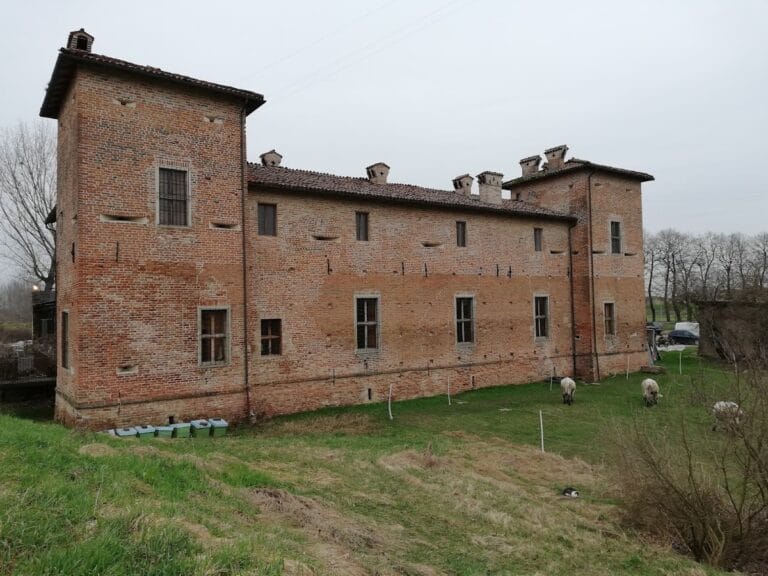
Though many parts of the structure no longer stand, the surviving walls and traces of the moat mark the castle’s evolution from a medieval stronghold to a fortified residence. The location by the river further emphasized its strategic importance while influencing its defensive design. The “well of the tolls,” associated with the grim episode involving Fondulo, remains a notable feature tied to the castle’s darker history.
Nearby sites