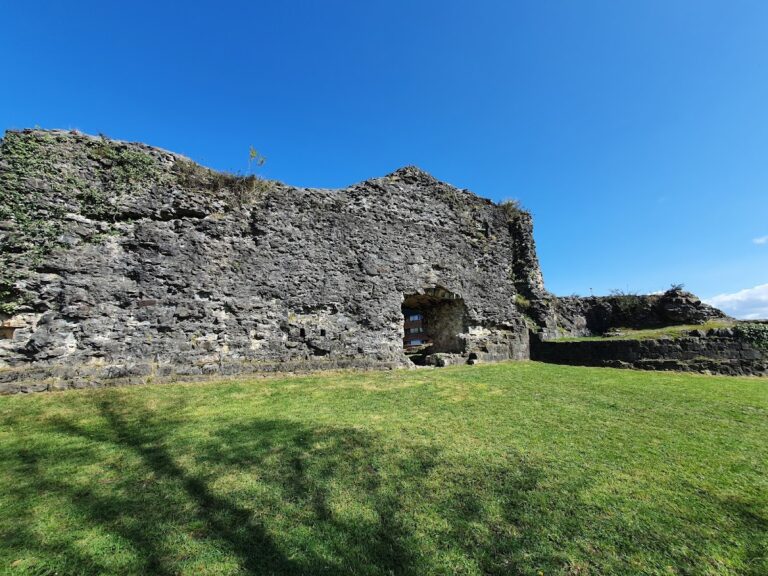
Legazpi Dorrea: A Medieval Tower House in Zumarraga, Spain
Visitor Information
Google Rating: 4.1
Popularity: Very Low
Official Website: turismo.euskadi.eus
Country: Spain
Civilization: Medieval European
Site type: Military
Remains: Tower
History
The Legazpi dorrea, located in Zumarraga, Spain, was constructed by the Legazpi family as a fortified tower house during the medieval period. Built originally in the 13th or 14th century, it served as a defensive stronghold amid a landscape shaped by local noble rivalries and conflicts.
During the Wars of the Nobles, a series of disputes spanning from the 13th to the 15th centuries, the tower played a strategic role. At that time, it was locally known as Jauregi Handia, meaning “Great Palace.” The conflicts ended in the 15th century when King Henry IV of Castile decided to support the hermandades, or brotherhoods—municipal militias that opposed the nobility. Acting on this decision, the king ordered the removal of all defensive features from noble towers, including the Legazpi dorrea, to reduce the military power of local lords.
The tower is historically significant as the birthplace of Miguel Lopez de Legazpi, who was born there in 1502. He later became a notable explorer and conquistador, leading Spanish expeditions in the Pacific.
Ownership of the property changed hands over time. After Pedro de Legazpi inherited his grandfather’s lordship in Araia, he sold the tower to the Yarza family. The Yarzas transformed the once-militarized building into a farmhouse during the 18th century, marking a shift away from its original defensive purpose.
In the 19th century, the building faced near demolition to make room for a new railway line. However, local politician Nikolas Soraluze successfully intervened, preserving the structure from destruction.
By the 1940s, the tower had fallen into poor condition. It was purchased by the Esteban Orbegozo company, which worked to have the building declared a State Historic-Artistic Monument. Subsequent restoration projects followed, including efforts in the 1970s under the Gipuzkoa Provincial Council and further conservation in the 1990s.
Since 1964, the Legazpi dorrea has functioned as the Museo Hispano-Filipino, a cultural center dedicated to exhibitions, lectures, and presentations. It also serves as the headquarters of the Secundino Esnaola Music School, continuing its role as a place of public and cultural importance.
Remains
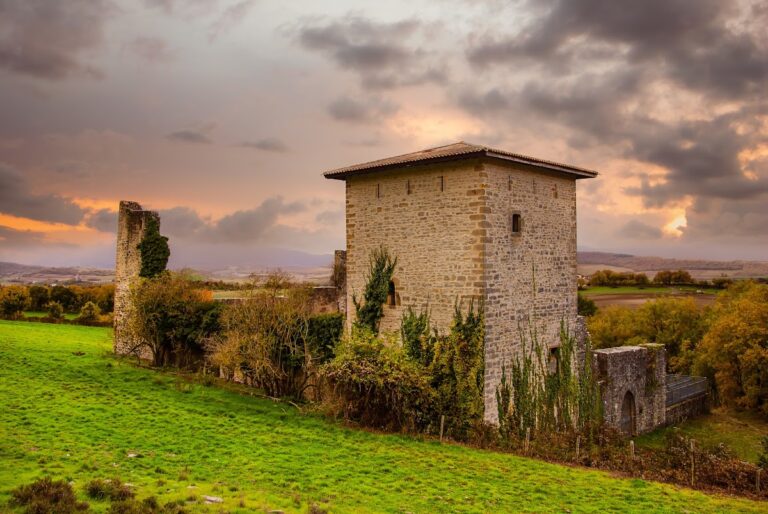
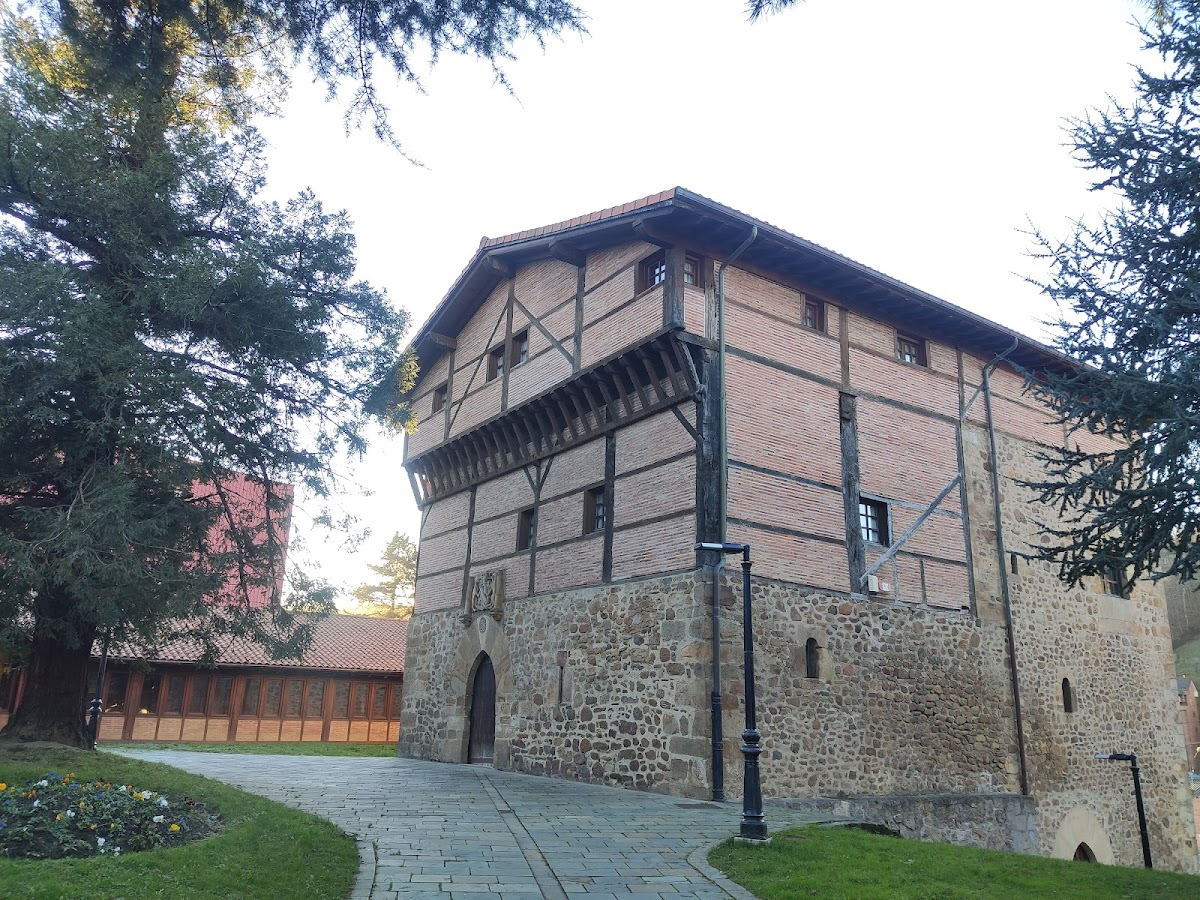
The Legazpi dorrea’s original form was that of a crenellated (battlemented) tower dating from the 13th or 14th century, designed for defense. It included an attached outer courtyard that provided additional protection and space for various activities. Constructed primarily of masonry, the early structure featured typical medieval defensive architecture.
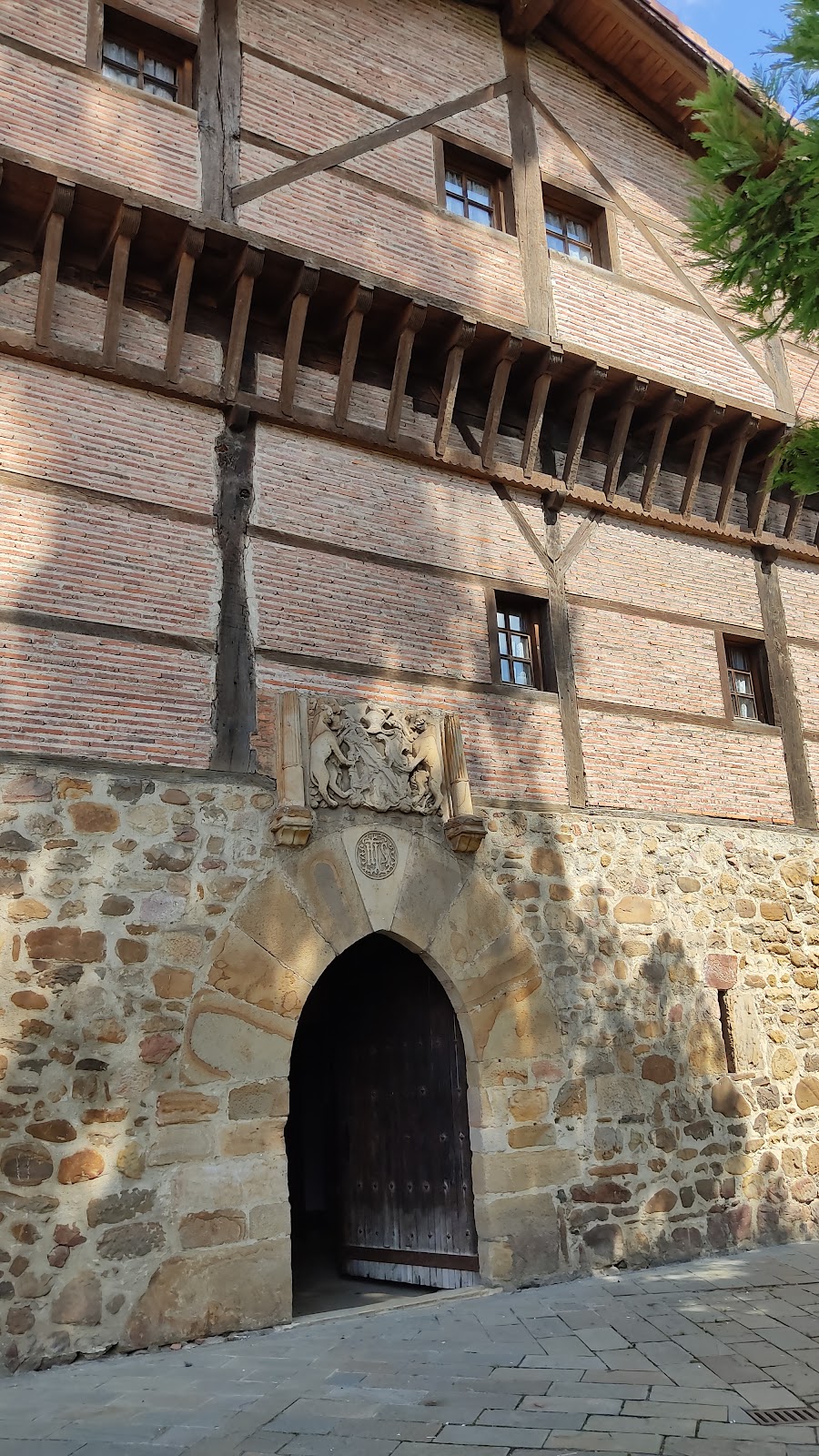
In the 15th century, following royal orders to dismantle fortifications, the tower underwent significant alteration. Its crenellations were removed, and the outer courtyard was integrated into the main building. During this reconstruction phase, builders introduced wooden and brick elements alongside the existing stone masonry, blending materials in a way that reflected both the structural needs and the changing function of the tower.
Today, the building sits directly across from the Zumarraga train station, highlighting its proximity to modern infrastructure while preserving a historical footprint. The tower has experienced various restoration efforts, especially after decades of deterioration prior to the mid-20th century. These restorations focused on stabilizing and preserving the masonry, wooden, and brick components that characterize the building’s long history.
No preserved inscriptions, mosaics, or decorative features have been documented at the site. While the tower’s association with Miguel Lopez de Legazpi lends it cultural significance, the surviving structure itself primarily reflects its defensive origins and later adaptations as a farmhouse.
Presently, the building stands restored and maintained, embodying centuries of architectural and historical evolution witnessed in Zumarraga.
Nearby sites