Aixita Castle: A Medieval Valley-Fortress in Navarre
Site at a Glance
- Rating
- 4.3
- Popularity
- Very Low
- Country
- Spain
- Primary era
- Medieval
- Eras represented
- Medieval
- Civilizations
- Kingdom of Navarre
- Site type
- Military
- Remains
- Castle
On this page11 sections
History
Aixita Castle is a medieval fortress in Spain, near Arakil in Navarre, whose construction is dated to the twelfth century. It belonged to the Kingdom of Navarre and occupied a strategic position within the defensive network of the Sakana, Imotz, and Larraun areas. Its name appears in several forms, including Aicitako, Aycita, Ayceta, Axita, and Agita. It certainly contains the Basque word haitz, meaning “rock,” and may mean “place of the rock.”
Foundation and defensive role
References to Aixita begin after 1210, during the reign of Sancho VII of Navarre, known as Sancho the Strong. The first explicit mention, dated 1210, lists officials connected with the castle, including wardens from Latasa, Arbizu, and other nearby settlements. It also refers to building work, soldiers stationed there, and stored supplies.
Aixita formed part of a local chain of fortifications with Orarregi, Garaño, and Sardea. Together, these castles controlled the Oskia and Biaizpe passes, while the wider defensive system extended toward Pamplona through Irulegi Castle. Aixita was a small control fortress rather than a feudal residence. Its duties were to defend and monitor the valley routes and to warn of approaching danger. No more than ten people lived there at one time.
The castle’s maintenance depended on local organization. When the king lacked funds, part of the fortress was abandoned, and its key was given to a responsible keeper who inspected it periodically. Repairs were modest and could involve women, children, and other local residents. The Fuero General, a body of Navarrese customary and legal provisions, regulated the organization and payment of this work. A master builder inspected the fortress and reported the repairs that were required.
Conflict, rebuilding, and destruction
During the fifteenth-century civil conflicts of Navarre, Johan Eraso of Latasa captured Aixita for the king. He belonged to the Agramont faction, one of the principal political sides in those conflicts. The castle was renovated during the same century, and its construction then used stone rather than being mainly wooden.
In 1512, troops led by the Duke of Alba entered Navarre during its conquest. Aixita was chosen for demolition at an early stage because a castle behind the advancing forces was considered a threat. The fortress was apparently burned for this purpose, since most of its structures were made of wood.
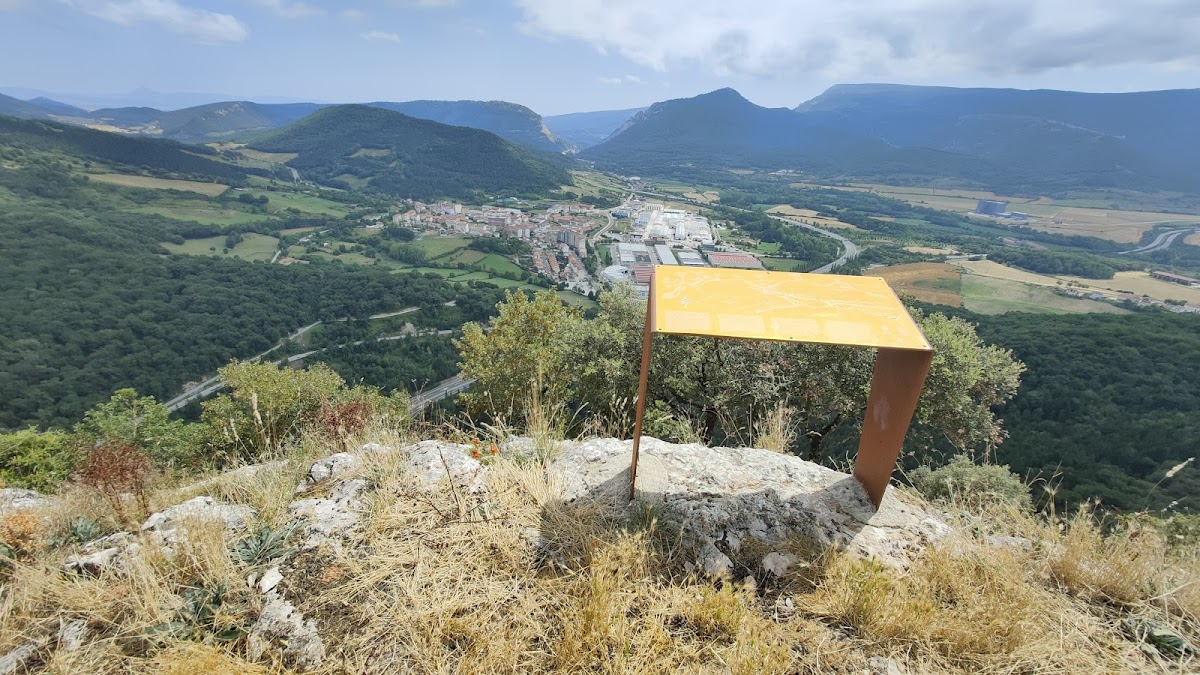
Archaeological excavations took place between 2010 and 2020 after a meeting with Arakil Municipality in 2010. The work was accompanied by consolidation to preserve the remains, and the finds were presented in the exhibition Aixita Castle: Guardian of Arakil. In 2013, the Nafarroa Bizirik Foundation placed a boundary marker, while Iñaki Sagredo’s team installed a metal information panel. The castle has consequently been examined both as an archaeological site and as part of the historical defensive system of the Kingdom of Navarre.
Remains
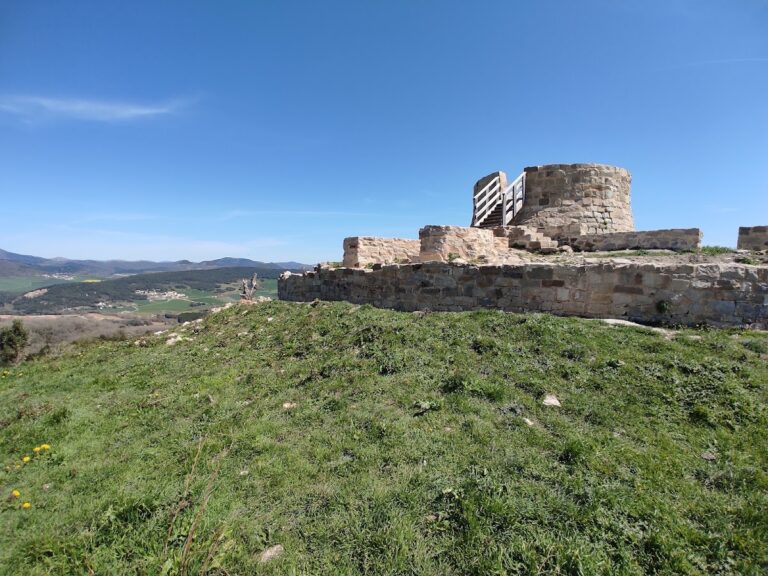
Aixita Castle stood at about 702 metres above sea level on the highest rock of Biaizpe. Its layout followed the steep terrain in three levels. Defensive features occupied the lowest section, guard accommodation lay on the intermediate level, and the uppermost area held a tower and a water cistern. This arrangement allowed the highest level to serve as a place of retreat if the lower defensive area was overrun.
Levels and principal structures
Lower defensive level
The lowest level occupied the steepest part of the rock and contained the castle’s defensive elements. It was reached through a single gate, concentrating access to the lower fortified area.
Guard accommodation
The intermediate level provided accommodation for the guards who maintained the small garrison and watched the surrounding passes. Its position between the lower defenses and the upper retreat area formed part of the castle’s three-level organization.
Upper tower and cistern
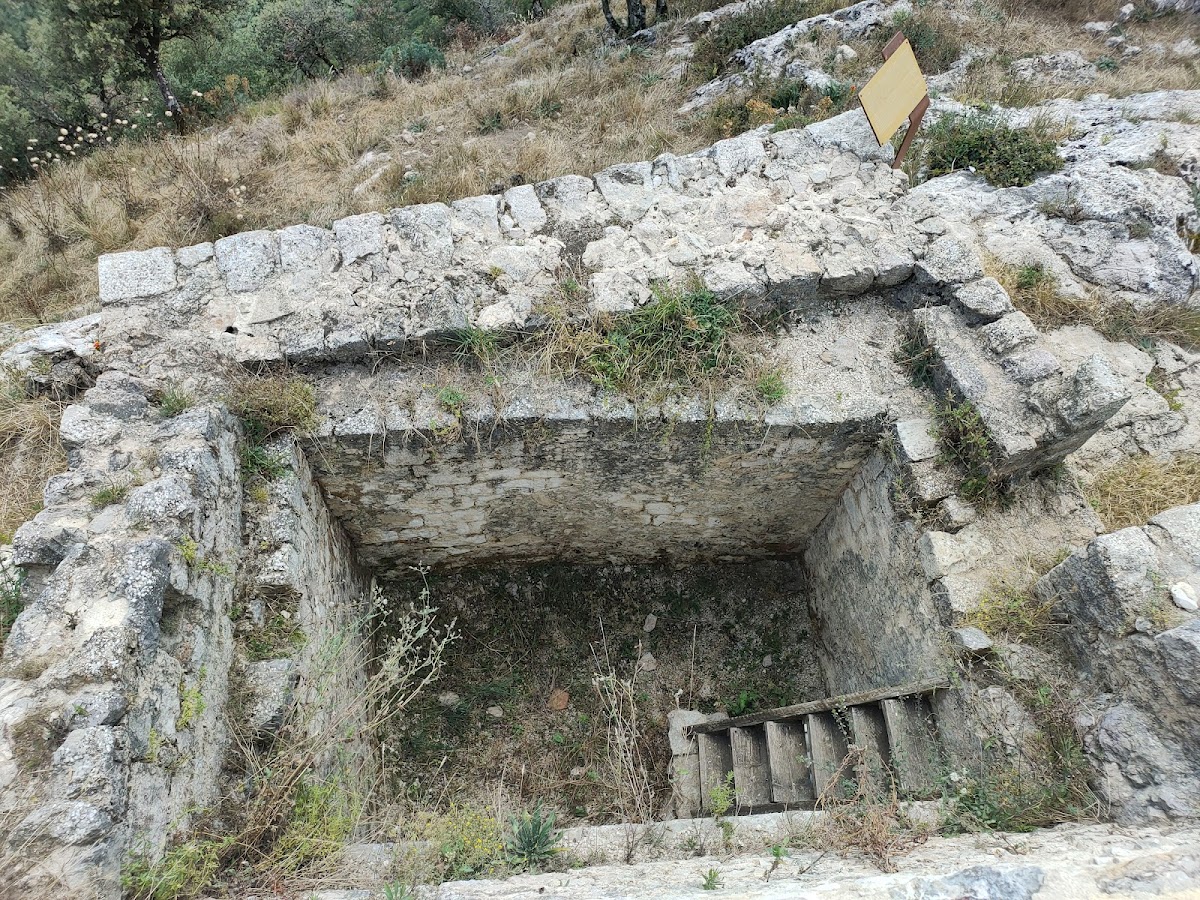
The highest level contained a tower and a cistern, or water reservoir. Excavation revealed the tower in an area where only a single row of masonry had previously been visible. The cistern had been covered before excavation, which exposed its stonework, including all the stones forming the structure. Its unusually complete survival provides an important physical feature within the small fortress.
Wooden construction and excavated finds
Palisade and wooden structures
Most of the castle was built from wood. A wooden palisade or fence formed part of the defenses, and the large quantity of excavated nails supports the presence of extensive wooden construction. This material helps explain why fire could destroy much of the fortress in 1512.
Objects and food remains
Excavated objects illustrate everyday activity at the castle. They include fragments of kitchen pottery, pieces of a jug used for water or wine, and a large fragment of a txanbil, a relatively large ceramic vessel for carrying and storing water. Food remains include goat, cattle, and numerous pig bones.
A sword was also recovered, together with two rings and many nails. An unusual bronze object, rare in Navarre, had been worn on a belt. It was used in shooting arrows with a bow and also served a crossbowman when pulling back the string to load the weapon.