Castello della Brina: A Medieval Defensive Settlement in Italy
Site at a Glance
- Rating
- 4.3
- Popularity
- Very Low
- Country
- Italy
- Primary era
- Medieval
- External website
- Open
- Eras represented
- Medieval
- Civilizations
- Holy Roman Empire
- Site type
- Military
- Remains
- Castle
On this page6 sections
History
Castello della Brina is a medieval defensive settlement in Italy, established by the Counts-Bishops of Luni during the second half of the eleventh century on a ridge above the lower Magra Valley near Sarzana. The Counts-Bishops were religious leaders who also exercised territorial authority in Lunigiana. The site controlled the road from Sarzana to Ponzano and the route across the Apennines toward the Po Valley, providing an alternative to the commercial road through Santo Stefano di Magra and Aulla.
Origins and medieval control
The name Brina appears in a sale contract dated 25 May 1055, which lists Giacomo Corradi of Brina as a witness. A later contract, dated 14 June 1078, refers to the houses, land, and walls of the castle of Brina. In that transaction, Pellegrino of Burcione transferred his possessions outside the castle walls to Guido II, also known as Guidone, Bishop of Luni. These references place the settlement within the territorial and political sphere of the Luni bishopric.
In 1279, the hill and castle became the scene of a violent struggle between the Malaspina, a powerful noble family with territories in Lunigiana and northern Italy, and Enrico da Fucecchio, Bishop of Luni. The castle’s position along an alternative route may have helped make possession of it contested. Its strategic function ended during the thirteenth century.
Archaeological rediscovery
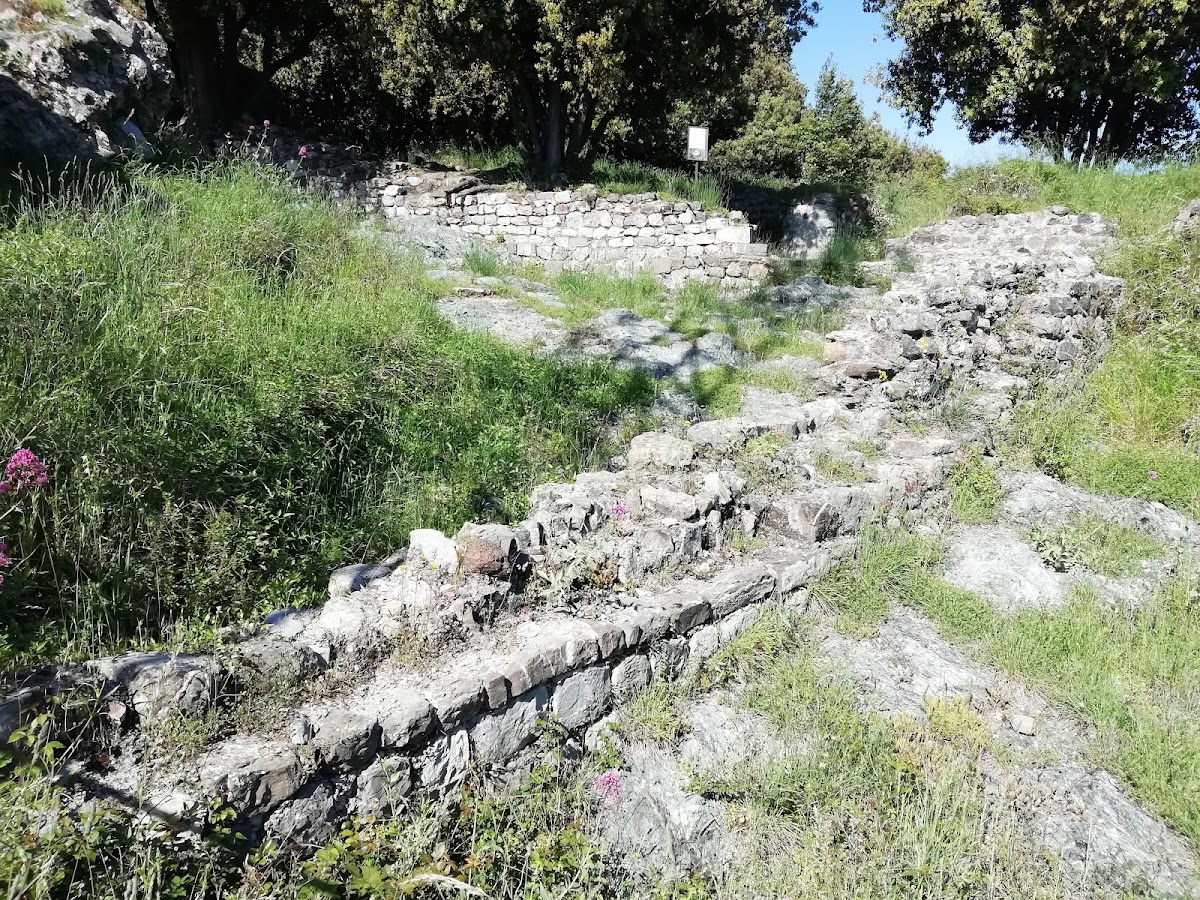
Archaeological campaigns carried out from 2000 through the summer of 2013 exposed rooms, two circuits of enclosing walls, and parts of a settlement. They also identified traces of a pre-Roman settlement, showing that human use of the ridge began many centuries earlier than the medieval castle. Castello della Brina has been recognized as Italian national heritage since 2015.
Remains
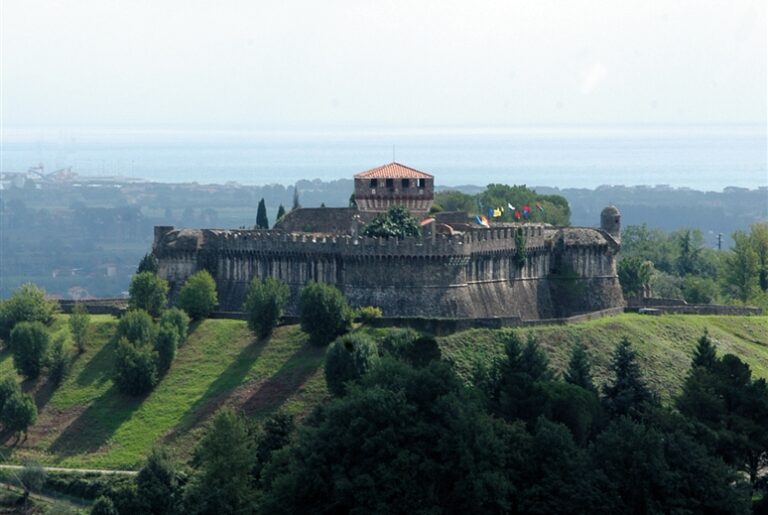
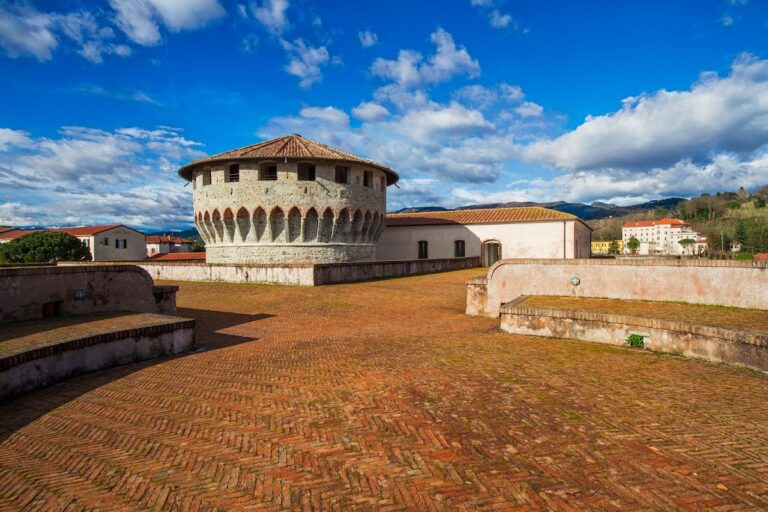
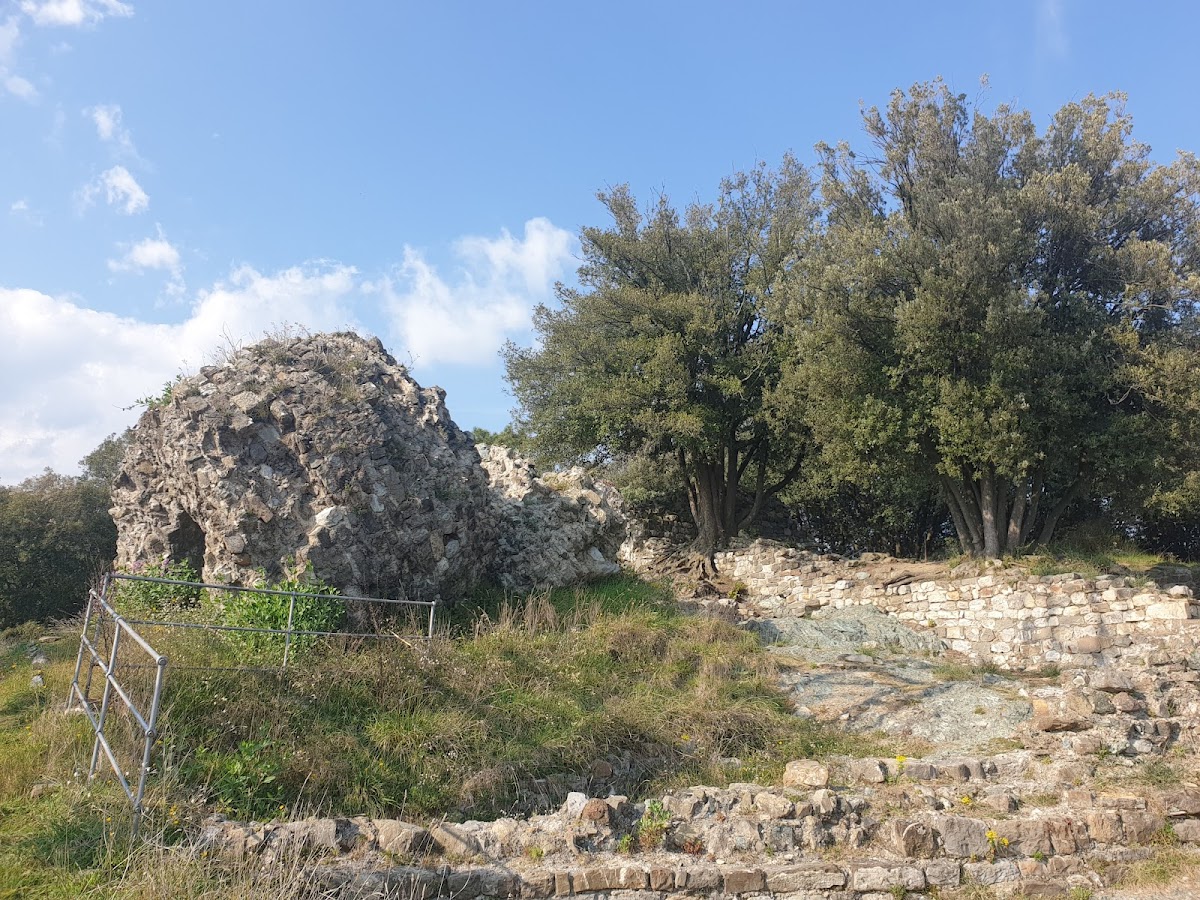
The ruins occupy a secondary ridge on the hillside overlooking the lower Magra Valley, between Falcinello and Ponzano Superiore, in the Torraccio locality of Sarzana near the boundary with Santo Stefano di Magra. The defensive installation was centered on a circular tower, a round defensive structure that reduced vulnerable corners and allowed wide fields of observation and defense. Built between the eleventh and thirteenth centuries, it formed the core of a settlement protected by two circuits of enclosing walls.
Defensive structures
Excavation has revealed the castle’s internal spaces and sections of both wall circuits. The principal tower and the surrounding defenses are now in a ruined condition, while the exposed remains show how the fortified area was organized on the ridge.
Settlement remains
Several sections of habitation survive within the archaeological area, alongside the castle rooms and enclosing walls. The excavation of these spaces has clarified that Castello della Brina was not only an isolated defensive installation but also included a settlement. Traces beneath the medieval remains belong to an earlier pre-Roman occupation of the ridge.