Hrušov Castle: A Gothic Medieval Fortress in Slovakia
Visitor Information
Google Rating: 4.9
Popularity: Low
Country: Slovakia
Civilization: Medieval European
Site type: Military
Remains: Castle
History
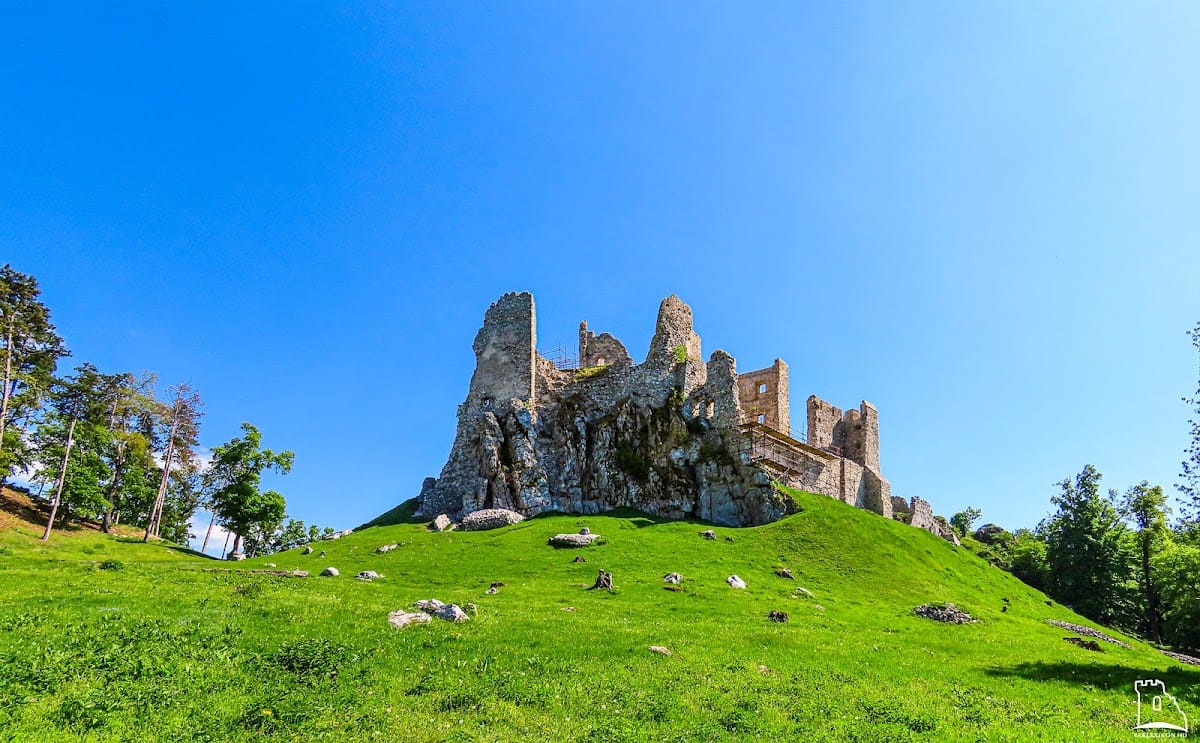
Hrušov Castle stands near the village of Hostie in Slovakia, proudly perched atop the quartzite hill known as Skalka. It was constructed by medieval European settlers in the Gothic style, with its origins linked to the period after the Mongol invasions that swept through the region in the mid-1200s. While the precise year of its founding remains uncertain, the first known written record mentioning the castle dates back to 1253, though some sources suggest 1293. Initially, the fortress played a strategic role by overseeing and safeguarding the vital trade route connecting the Požitavie and Ponitrie areas.
During the early 14th century, ownership of Hrušov Castle passed to the Lévai (Levických) family, who controlled it from 1321 to 1344. Shortly afterward, it reverted to royal hands, and in 1347, King Louis I granted the castle to Miklós (Nicholas) and his brother Ondrej, cousins of the regional governor (župan) Július of Topoľčianky. Over the following centuries, Hrušov saw numerous shifts in possession, passing through the hands of notable families such as the Perényi, Bebek, Kanizsai, and the Szapolyai. These transfers often mirrored broader regional political maneuvers and involved legal disputes, including conflicts over associated lands held by Knezsicz and Maholány.
The 15th century was marked by heightened regional tensions, during which Hrušov Castle became a focal point of power struggles. One notable dispute involved the nearby Saint-Benoît monastery, which initiated a lawsuit over territorial occupation near the castle. Ownership and control over the fortress continued to be contested amid these rivalries.
In the 17th century, Count László Rákóczi undertook significant renovations to strengthen the castle’s defenses, reflecting ongoing military concerns of the era. However, following the defeat of Prince Francis II Rákóczi’s kuruc uprising in 1708, imperial forces devastated Hrušov Castle. This devastation led to the fortress’s abandonment, and it gradually fell into ruin.
Efforts to preserve the remains began in the early 20th century. Between 1928 and 1930, Ing. K. Kühn of the National Heritage Institute in Prague led conservation work supported by then-President Tomáš Masaryk, who showed personal interest by visiting the site on several occasions. Restoration projects continued into the early 2000s, aiming to maintain the site’s historical legacy.
Remains
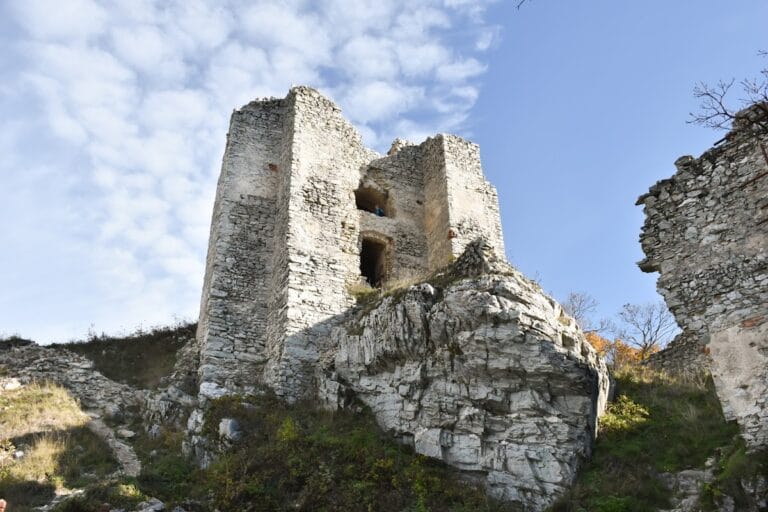
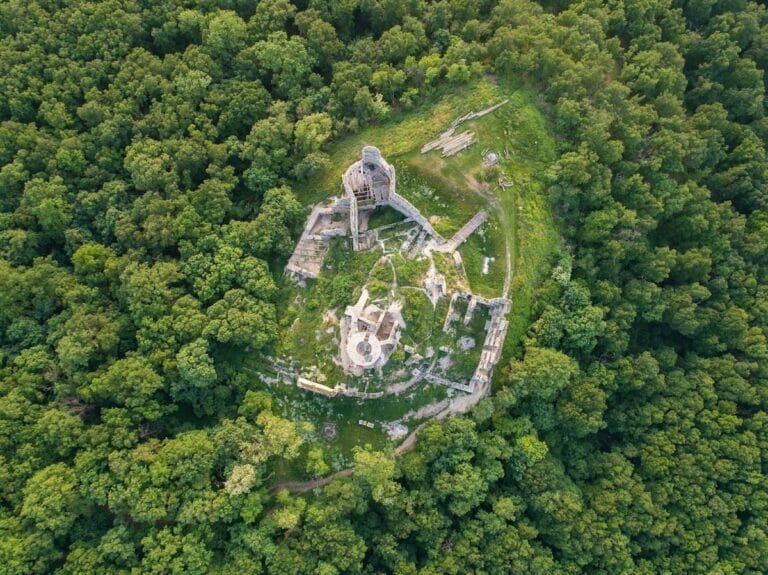
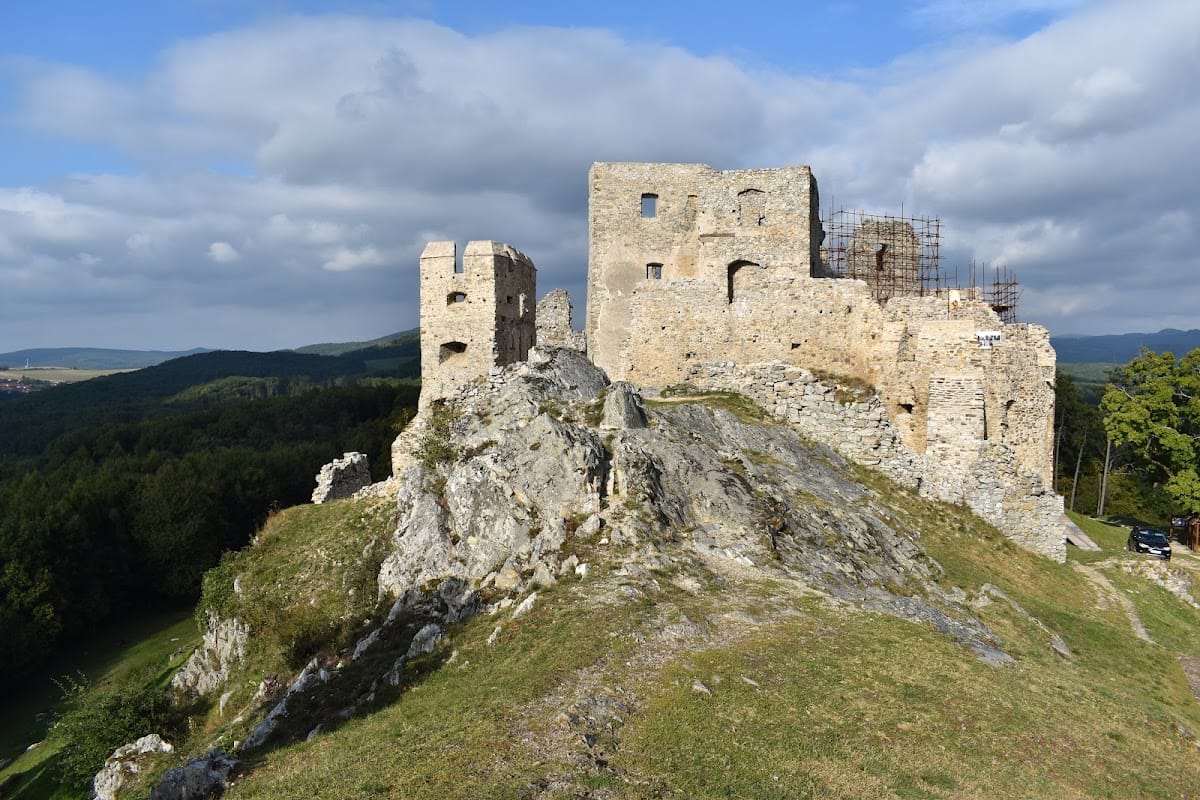
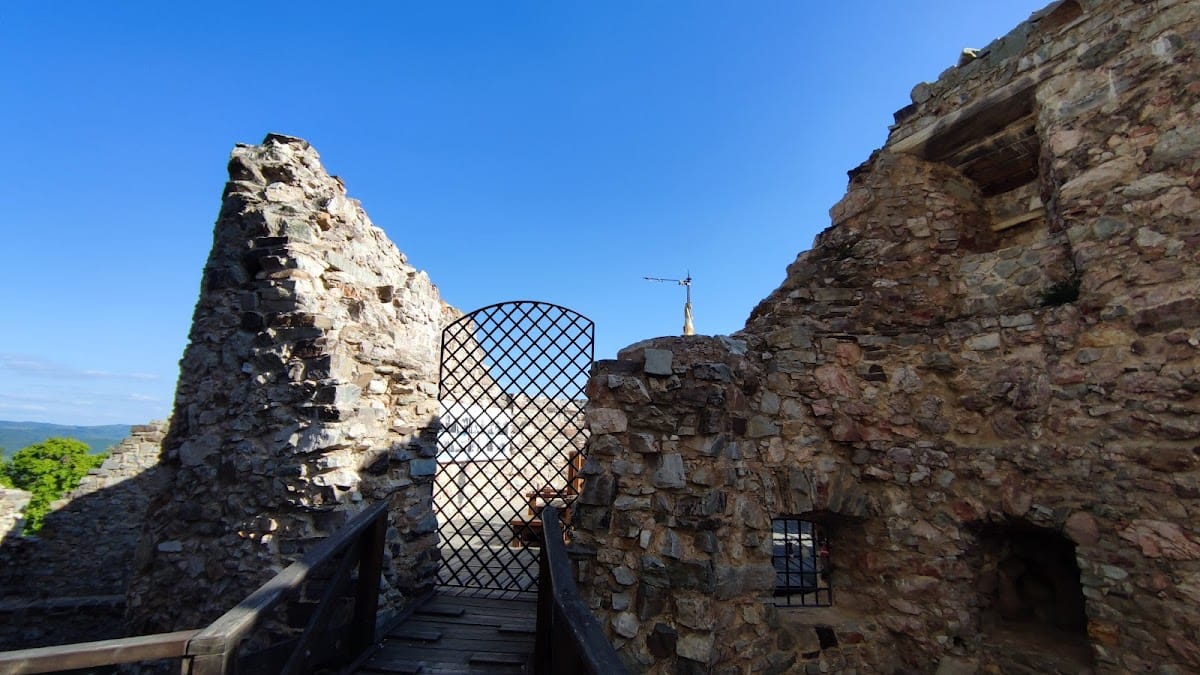
The castle ruins reveal the original layout of a Gothic fortress combining both residential and defensive features. At its core lies the main living area, surrounded by a first outer bailey—an enclosed courtyard that provided additional protection for inhabitants and their activities. This initial defensive enclosure reflects typical medieval fortification strategies designed to delay or repel attackers.
A second outer bailey once extended from the first, specifically constructed to serve as an artillery fortification. This addition indicates adaptation to evolving military technology, particularly the use of cannons and firearms. Although this second enclosure no longer survives, remnants attest to its former presence and purpose.
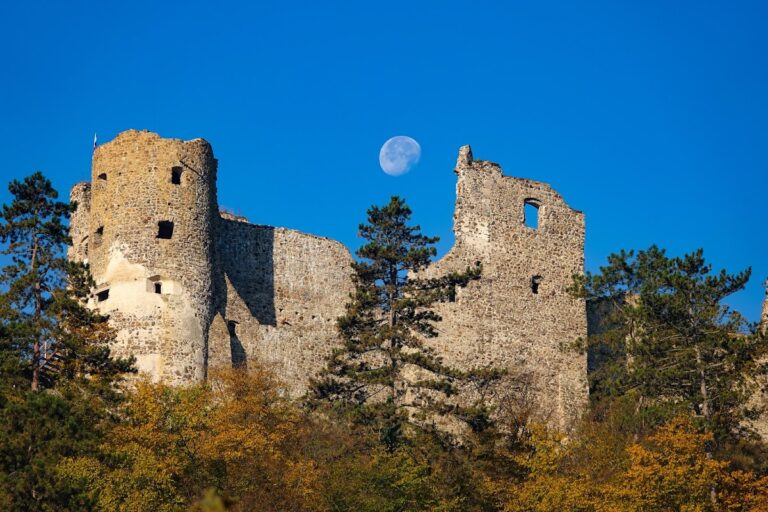
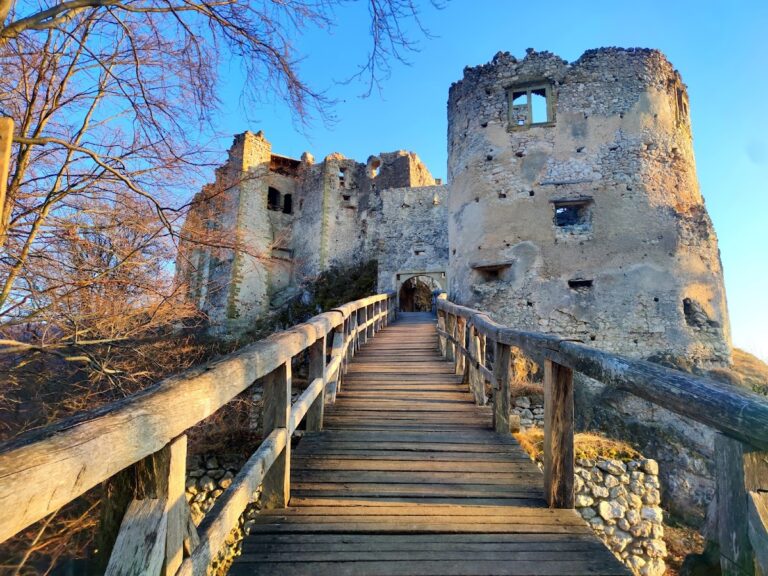
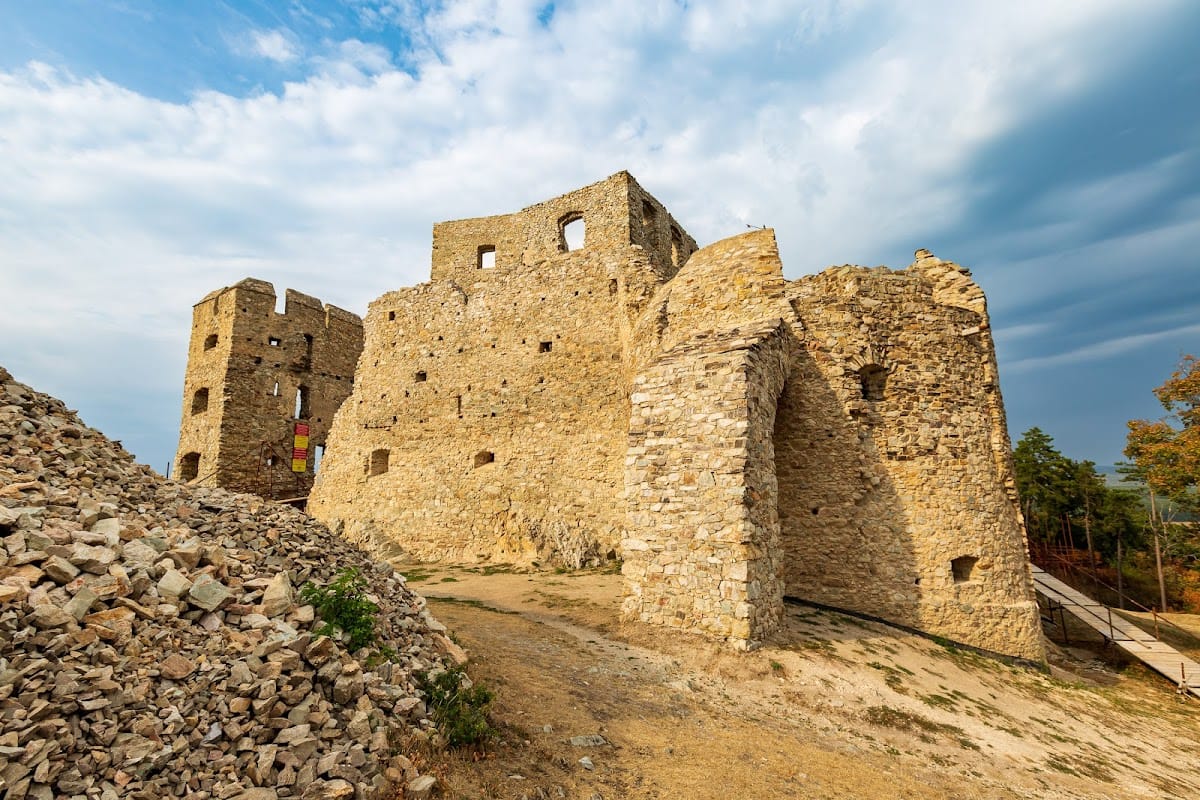
Among the best-preserved components are various towers and bastions, which once reinforced the castle’s defensive walls. One notable tower marks the entrance to what was the second outer bailey. This tower features rectangular windows alongside embrasures—narrow slits or openings through which defenders could observe or fire upon enemies while remaining protected. These architectural elements illustrate the careful integration of defensive design within the fortress.
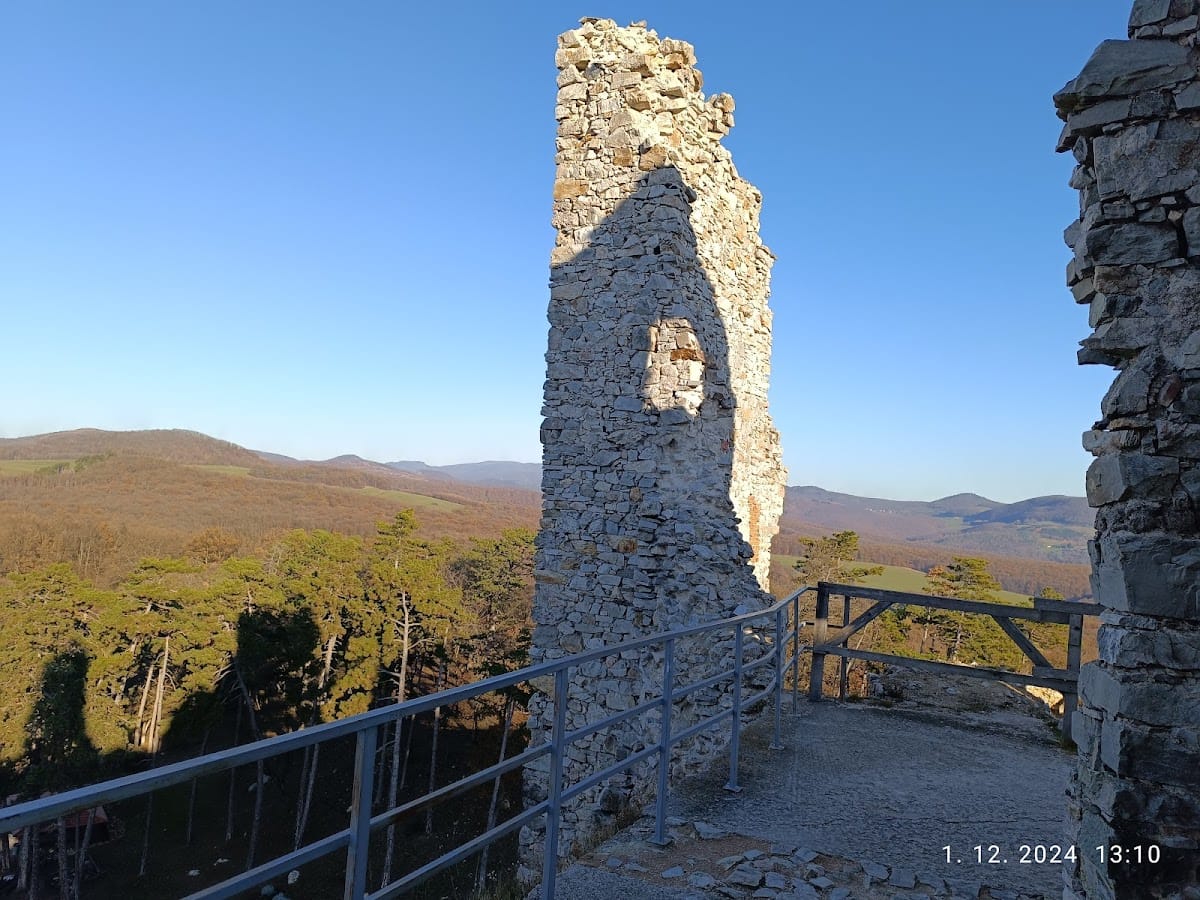
Positioned atop a quartzite hill, the castle utilized its natural elevation to command a wide view of the surrounding landscape, including the trade route it was meant to protect. This strategic siting enhanced both surveillance and defense.
Medieval records, such as a contract from 1504, list numerous villages and domains connected to the castle, highlighting its role not only as a military bastion but also as a center of regional administration and landholding.
Today, visitors can access the ruins via marked trails from nearby settlements. The site’s preserved features offer tangible insight into its historical functions and the layered history of ownership and conflict that shaped it.
Nearby sites