Château Montalembert: A Historic Renaissance Residence in Maîche, France
Visitor Information
Google Rating: 4.7
Popularity: Very Low
Official Website: montalembert.traveleto.com
Country: France
Civilization: Early Modern, Medieval European, Modern
Site type: Domestic
Remains: Palace
History
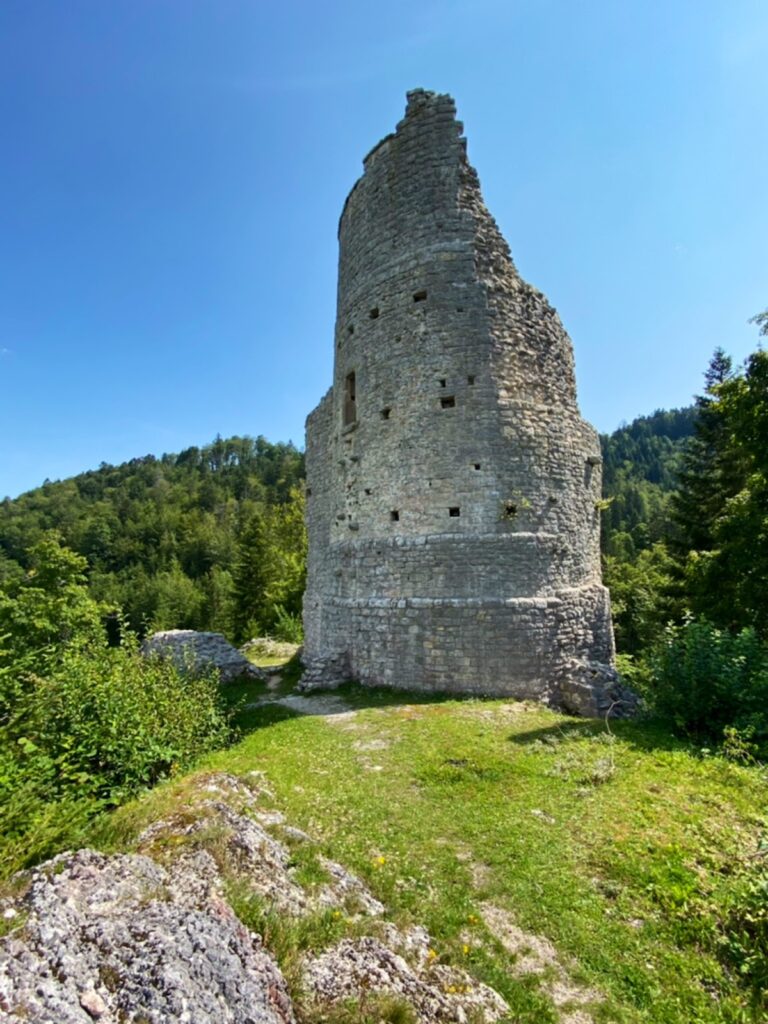
Château Montalembert is situated in the town of Maîche, France, and its origins link back to the medieval period under the influence of European feudal powers. The earliest known fortress bearing the Montalembert name stood on a nearby hill and served as a strategic stronghold during the late Middle Ages.
This original medieval castle, located just outside the current town center, was overtaken by forces loyal to the bishop of Basel during the War of the Two Burgundies, a conflict spanning from 1474 to 1477. This military confrontation marked a turning point, resulting in the loss of the hilltop fortress to ecclesiastical troops, reflecting the period’s turbulent regional power struggles.
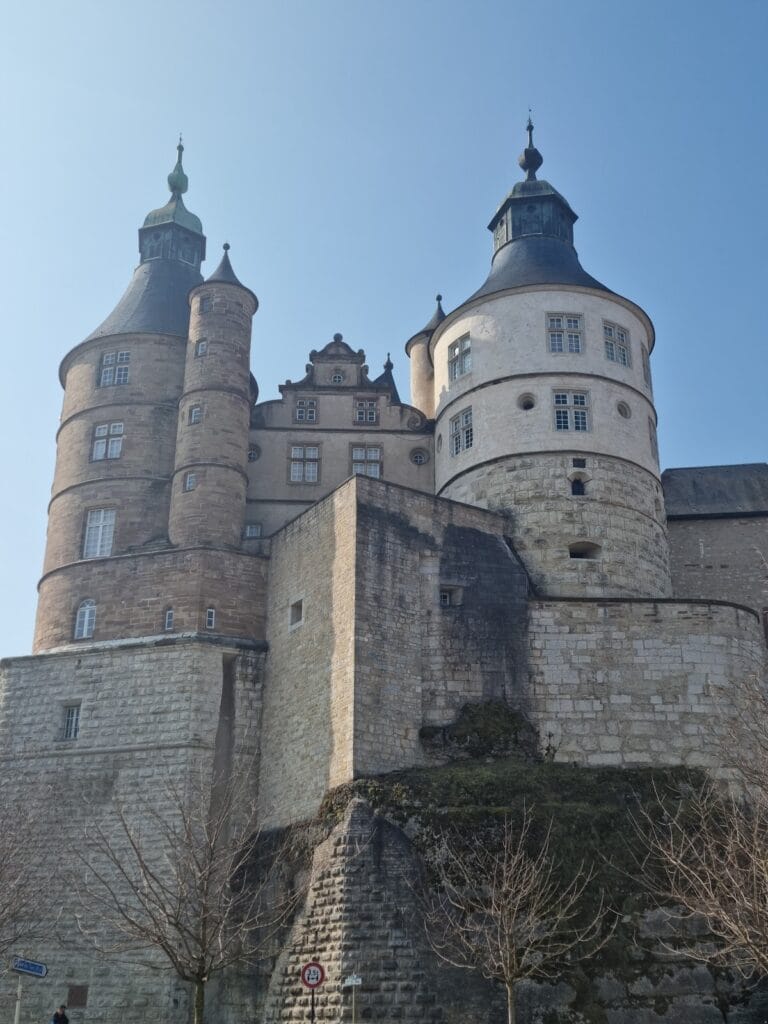
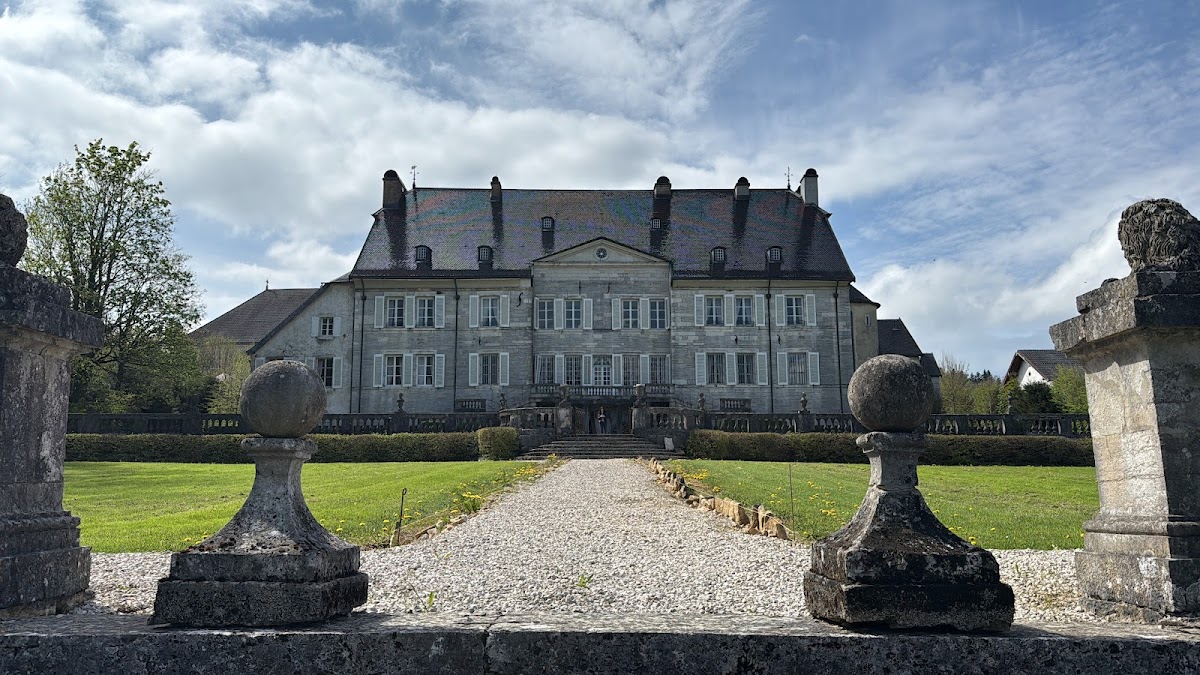
Following this event, the current château was erected in 1524 within Maîche itself, symbolizing a shift from a fortified hilltop castle to a residence integrated into the growing town. The date is carved in the lintel above the main entrance, emphasizing its early Renaissance origins. This new site replaced the earlier medieval fortification, indicating an evolution in architectural and social priorities over the decades.
In the 18th century, the château experienced significant renovations under the direction of the Guyot de Maîche family. Two marquises from this lineage, Alexandre-Nicolas-Joseph and later François-Xavier-Joseph, undertook substantial remodeling efforts that adapted and refined the building, aligning it with the stylistic preferences of their era.
The château also gained prominence through its association with Charles de Montalembert, a noted 19th-century figure recognized as a liberal royalist deputy. Having married into the family owning the property, Charles de Montalembert made the château his regular residence until his death in 1870, tying the site to political and intellectual currents of the time.
During the Second World War, Château Montalembert served as a strategic meeting location on November 13, 1944. It welcomed distinguished leaders including Winston Churchill, Charles de Gaulle, and Jean de Lattre de Tassigny, alongside their Allied military staff, to coordinate the final military operations planned for Alsace. Charles de Gaulle had visited the château earlier that September, underscoring its significance as a site for high-level wartime planning.
Ownership of the château has passed through several families over centuries, including the Guyot, Mérode, Montalembert, and d’Hemricourt de Grünne lineages. Its historical and cultural importance was formally recognized when it was designated a protected historic monument in 1950, ensuring its conservation for future generations.
Remains
Château Montalembert stands as a 16th-century residence constructed in the style associated with the classical revival of architecture that predominated in the Renaissance period, often referred to as neoclassical. Its position in the heart of Maîche replaces the earlier medieval fortress whose remnants remain visible on the surrounding hill.
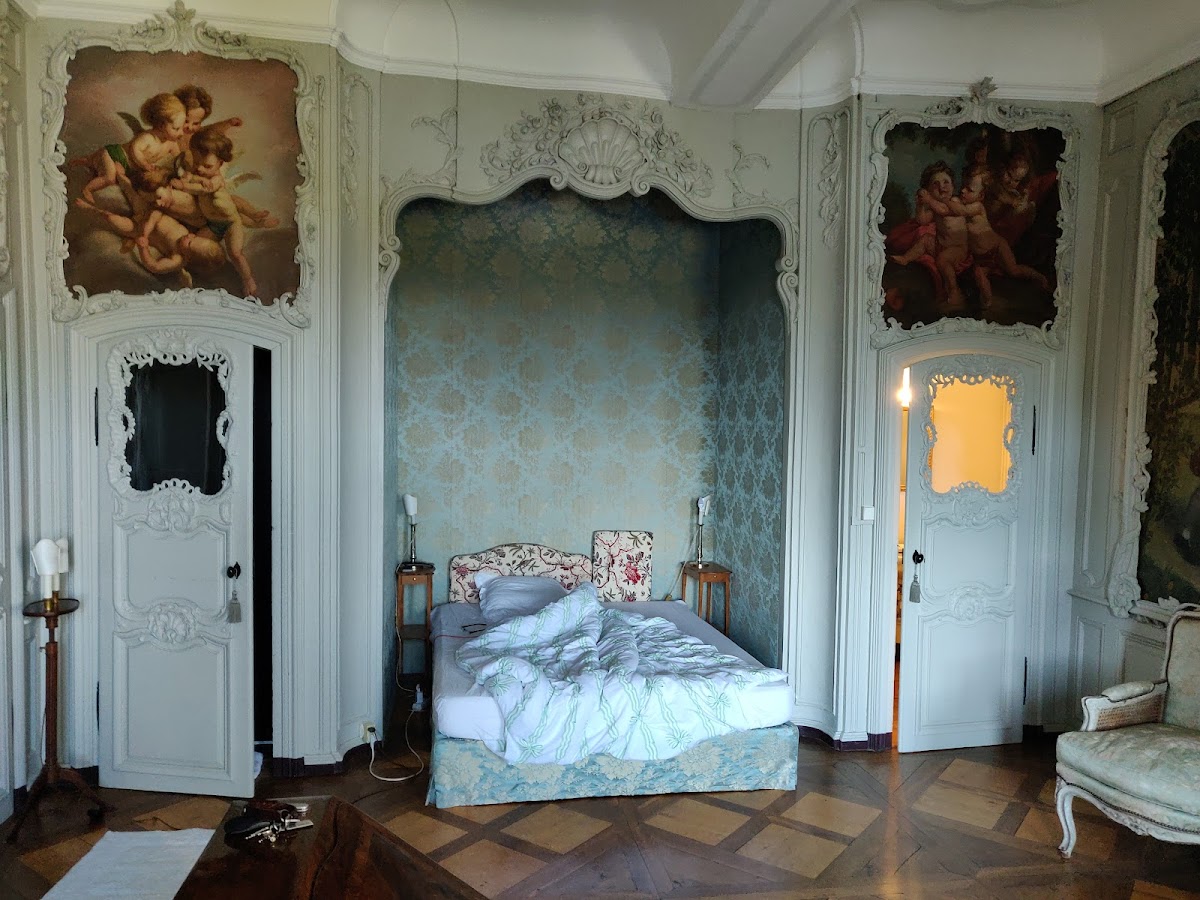
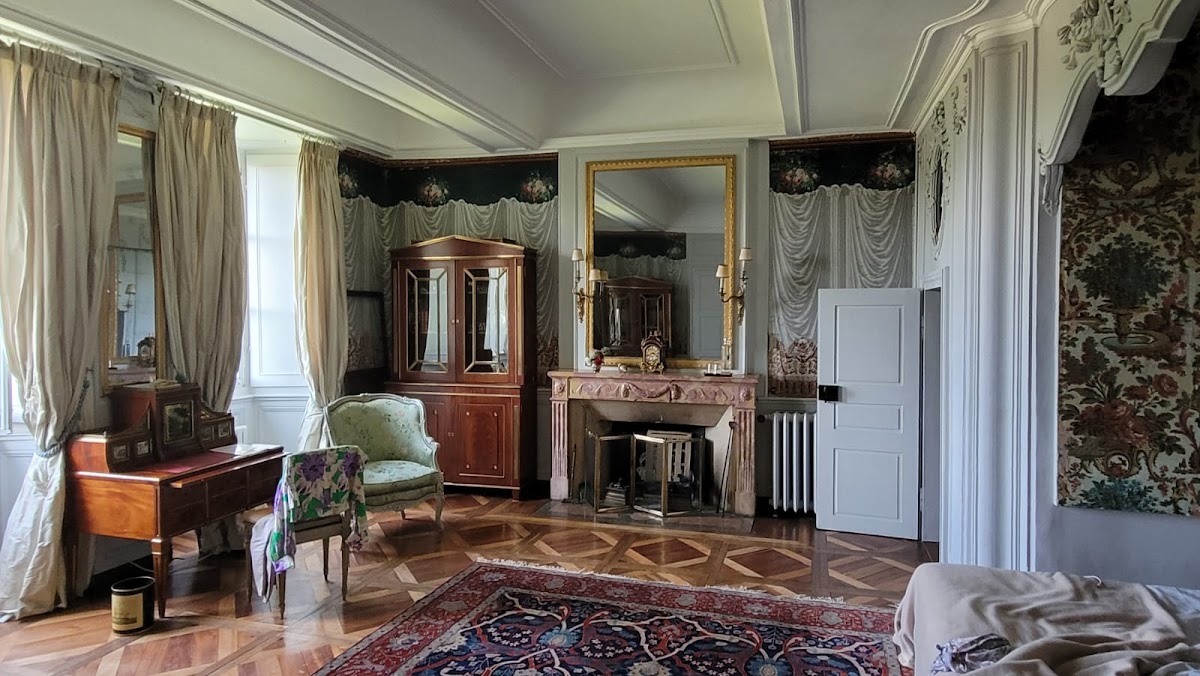
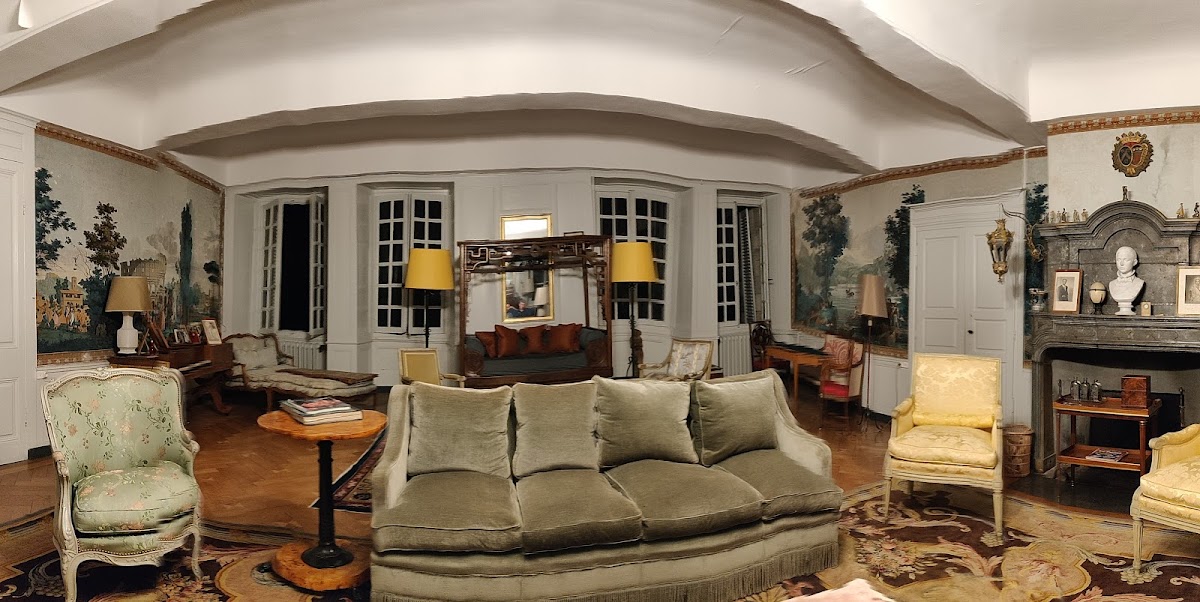
The building’s construction is confirmed by a dated lintel above the main entrance, marking the year 1524. This prominent feature attests to the château’s origins and provides a tangible link to its foundation period. Inside, the château preserves decorative elements such as a panoramic wallpaper adorning one of its rooms, offering a glimpse into the artistic tastes established during its history.
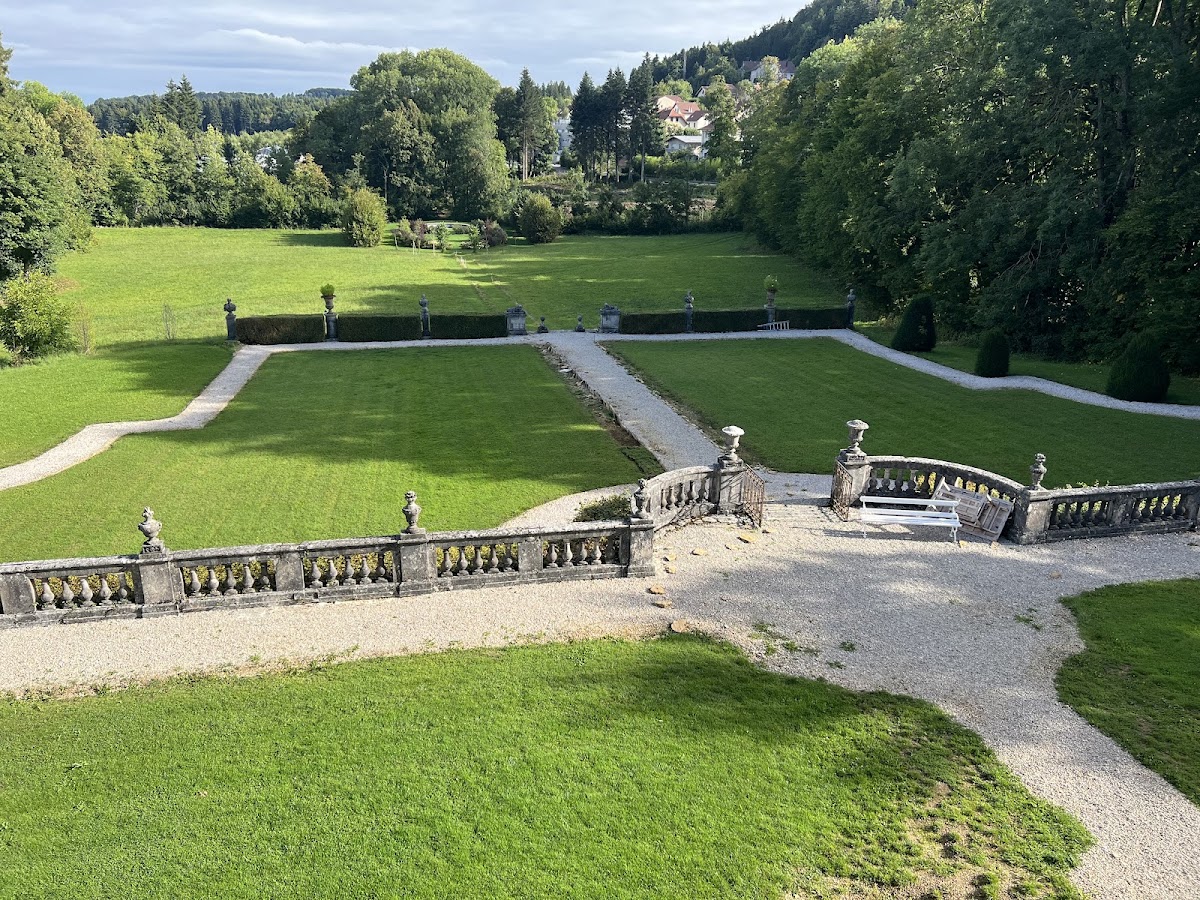
The château’s grounds include a French formal garden, which reflects the landscaping ideals adopted by the nobility in later centuries. Within this garden is a basin created by Count Guillaume d’Hemricourt de Grünne, a 20th-century owner, adding a layer of ornamental design consistent with its ongoing development and aesthetic refinement.
Today, the château remains privately owned and maintained in good condition. Its status as a protected monument helps safeguard both its architectural integrity and the heritage encapsulated within its walls. The original hilltop ruins, although separate from the current château site, provide an archaeological context to the estate’s medieval origins and evolution through time.
Nearby sites