Château les Bouysses: A Historic Estate in Mercuès, France
Visitor Information
Google Rating: 4.4
Popularity: Low
Official Website: www.chateaulesbouysses.fr
Country: France
Civilization: Early Modern, Medieval European, Modern
Site type: Domestic
Remains: Palace
History
Château les Bouysses is located in Mercuès, France, and its origins date back to the medieval period when it was established by the local society of that era. The estate first appears in historical records in the 13th century, when in 1232, under a royal directive, Raymond de Lard, the Lord of Rassiels, granted the land known as “les Bouysses” to Dame Guillemette, the second abbess of the Cistercian convent at Leyme. This donation allowed the founding of a priory inhabited by a small community of about twelve nuns.
During the turbulent years of the Hundred Years’ War (1337–1453), the priory endured significant hardship. The English occupation forced the expulsion of the nuns from the estate. Following the conclusion of the conflict, the nuns regained control of the property around 1600. They adapted part of the estate for viticulture, producing Cahors wine, a tradition which they furthered. Notably, in 1745, the nuns authorized the dismantling of their chapel to construct a wine cellar in its place, reflecting a shift in the estate’s function towards wine production.
The French Revolution brought dramatic change to Château les Bouysses when it was declared national property and sold in 1791. François Agar, then mayor of Mercuès and a wine merchant, acquired the estate and undertook the rebuilding of the château atop the original wine cellars. Following financial setbacks after a fire destroyed his Paris warehouses, François Agar transferred ownership in 1823 to his cousin Jean-Michel Agar, the Count of Mosbourg. The count had notable public roles including service as a finance minister under King Joachim Murat of Naples and later as deputy and president of the Lot departmental council.
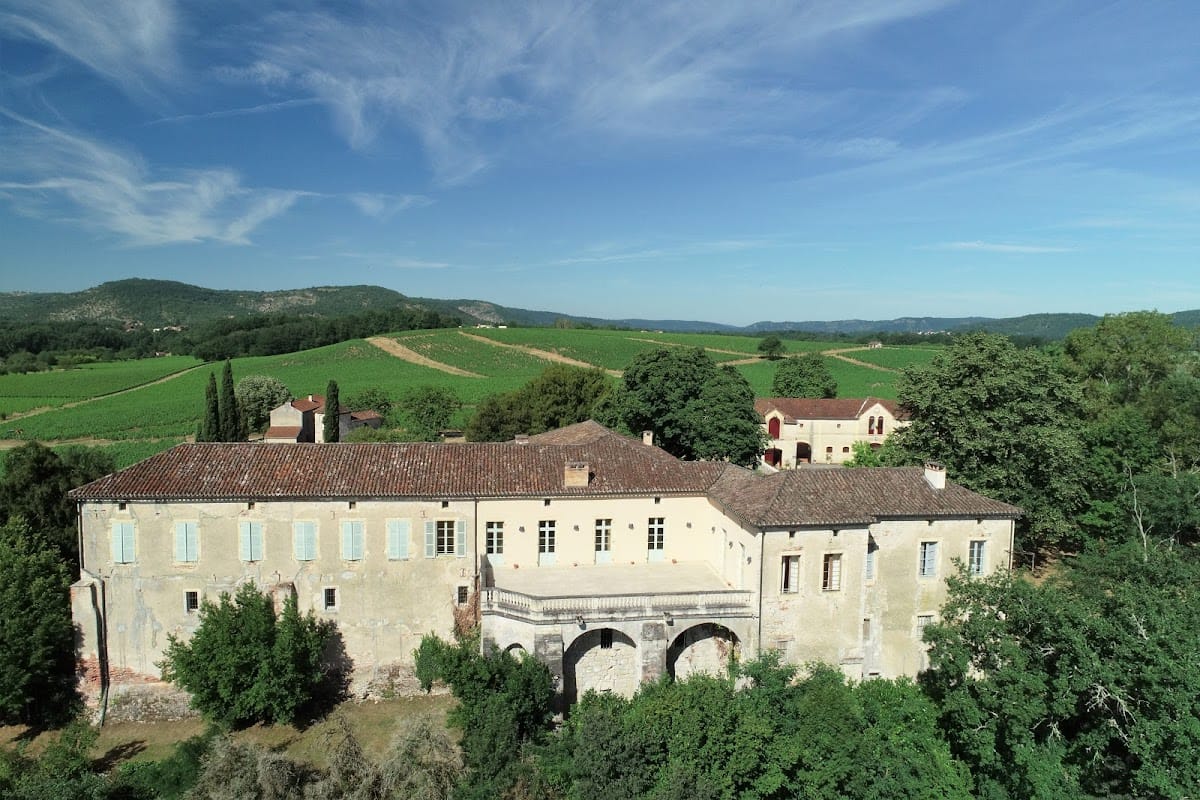
Under the Count of Mosbourg’s ownership, the château underwent considerable renovation and construction. He either built anew or reconstructed most of the existing buildings, including the addition of a prominent double-flight staircase and an Italianate perron (an ornate external staircase or platform). These enhancements reflected the count’s extensive travels and taste for Italian architectural elegance. Around 1820, the orangery and stables were also erected as part of the estate’s expanding facilities.
Towards the close of the 19th century, the property passed by inheritance to the Vicomtes de Rougé, a noble family with documented regional roots dating back to 1045 and established presence by 1375. During their tenure, the estate gradually changed hands through sales, eventually being acquired by the Marre family in 1933.
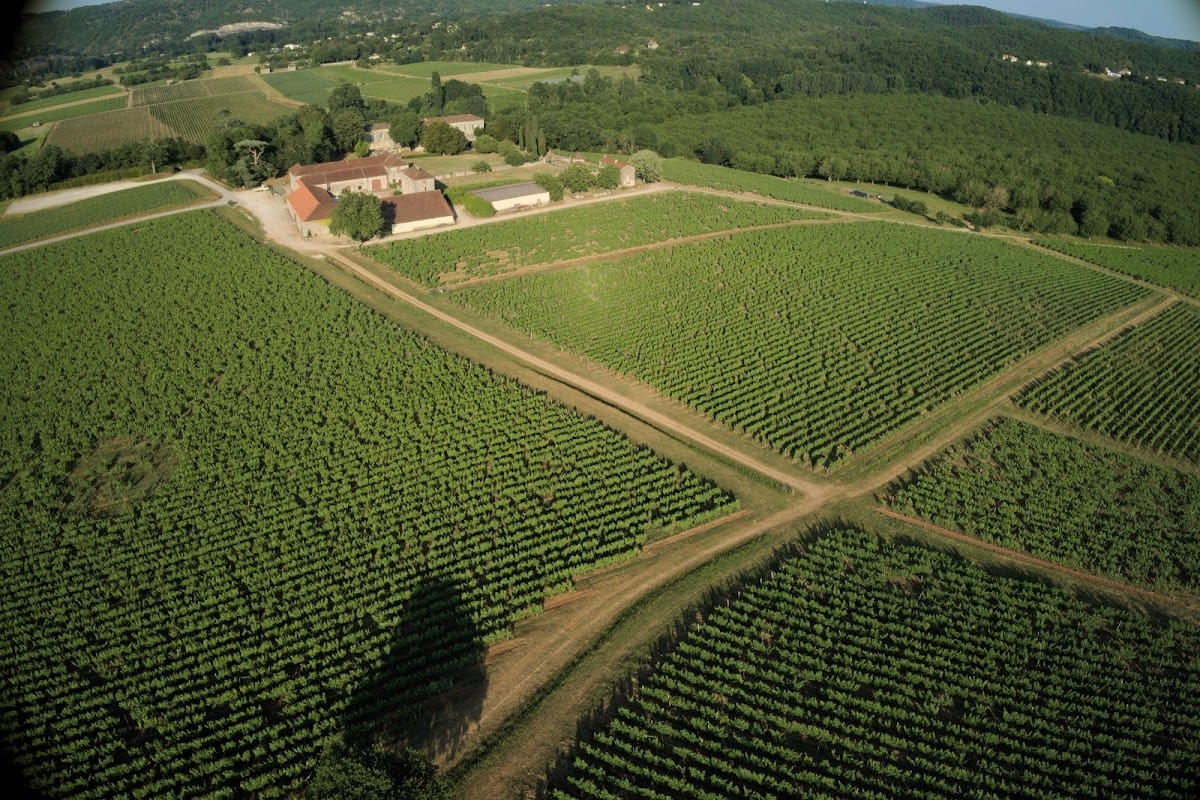
In the 20th century, Dr. Pierre Marre took ownership in 1963 and initiated agricultural developments, including planting Franquette walnut trees over 14 hectares in 1969 and establishing 24 hectares of vineyards featuring Malbec, Merlot, and Tannat grape varieties by 1973. After Dr. Marre’s accidental death in 1993, his descendants undertook extensive restoration work between 1996 and 2004. They focused on masonry, roofing, interior refurbishments, and rehabilitating outbuildings, carefully reusing original materials to honor the architectural vision of the Count of Mosbourg.
Since 1989, specific areas of Château les Bouysses, notably its vaulted cellars and exterior staircase, have been recognized and protected as historic monuments, affirming their cultural and architectural significance.
Remains
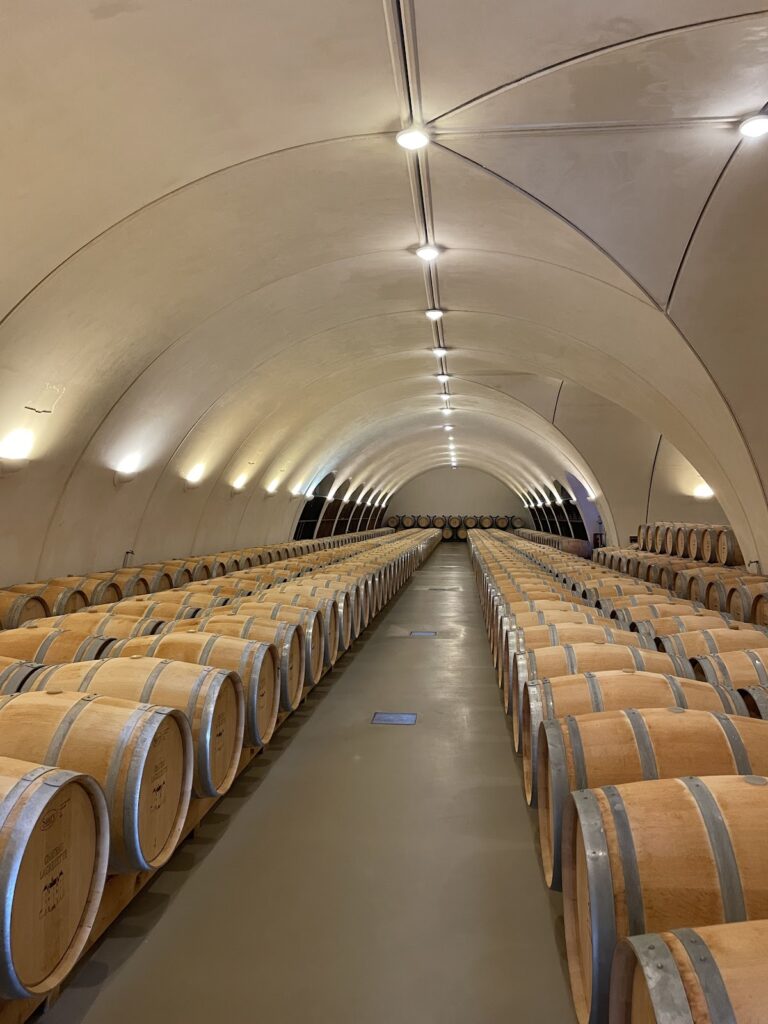
The layout of Château les Bouysses presents a combination of medieval and 19th-century features that illustrate its long history. Central to the site are its vaulted cellars, constructed in the 13th century as part of the original Cistercian priory. These cellars feature semicircular arches typical of the period and remain the sole surviving structural elements from the priory’s initial foundation. Their robust stone construction has endured through centuries, serving as the foundation for later developments at the estate.
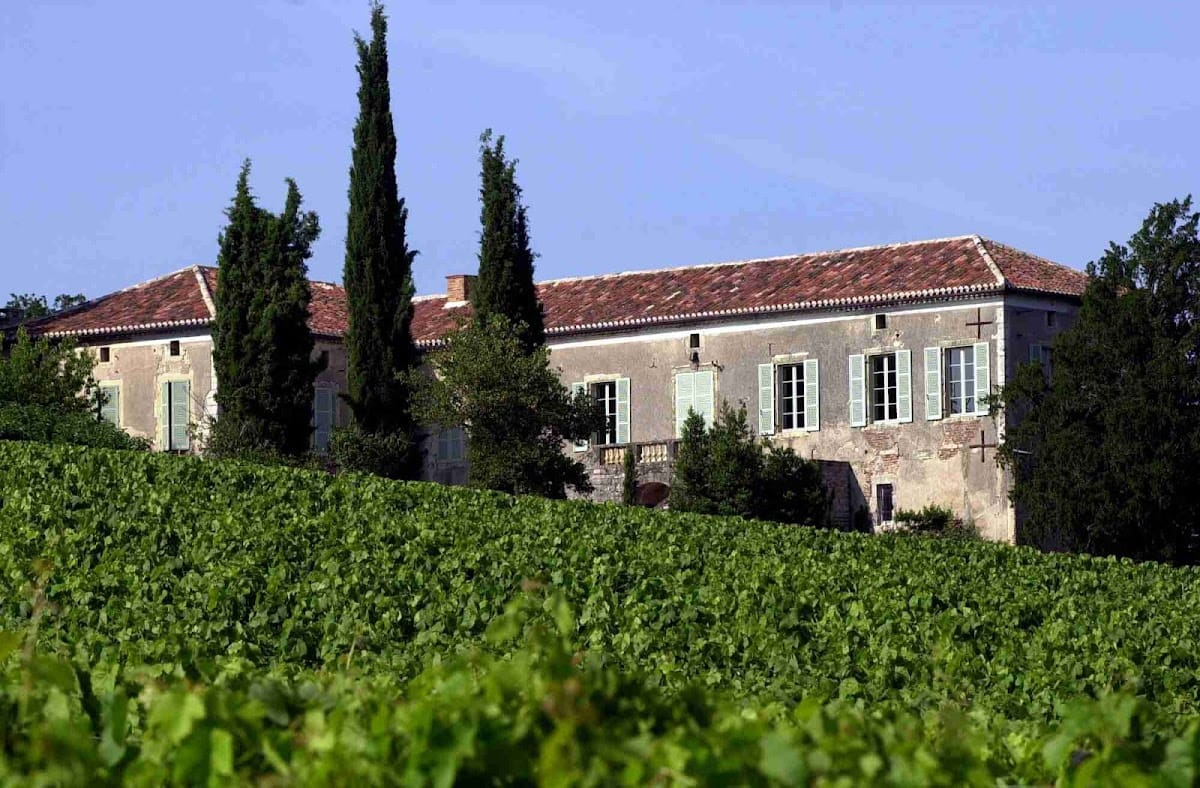
At the end of the 18th century, the main residence was erected atop these ancient cellars. Its design draws inspiration from Italian architecture, incorporating a wing set at right angles to the primary block. A striking decorative element is the double-flight staircase that adorns the façade. Complementing this, the Count of Mosbourg introduced an elegant Italian-style perron in the early 19th century. This external staircase, carefully crafted, serves as a notable architectural highlight reflecting influences from his travels.
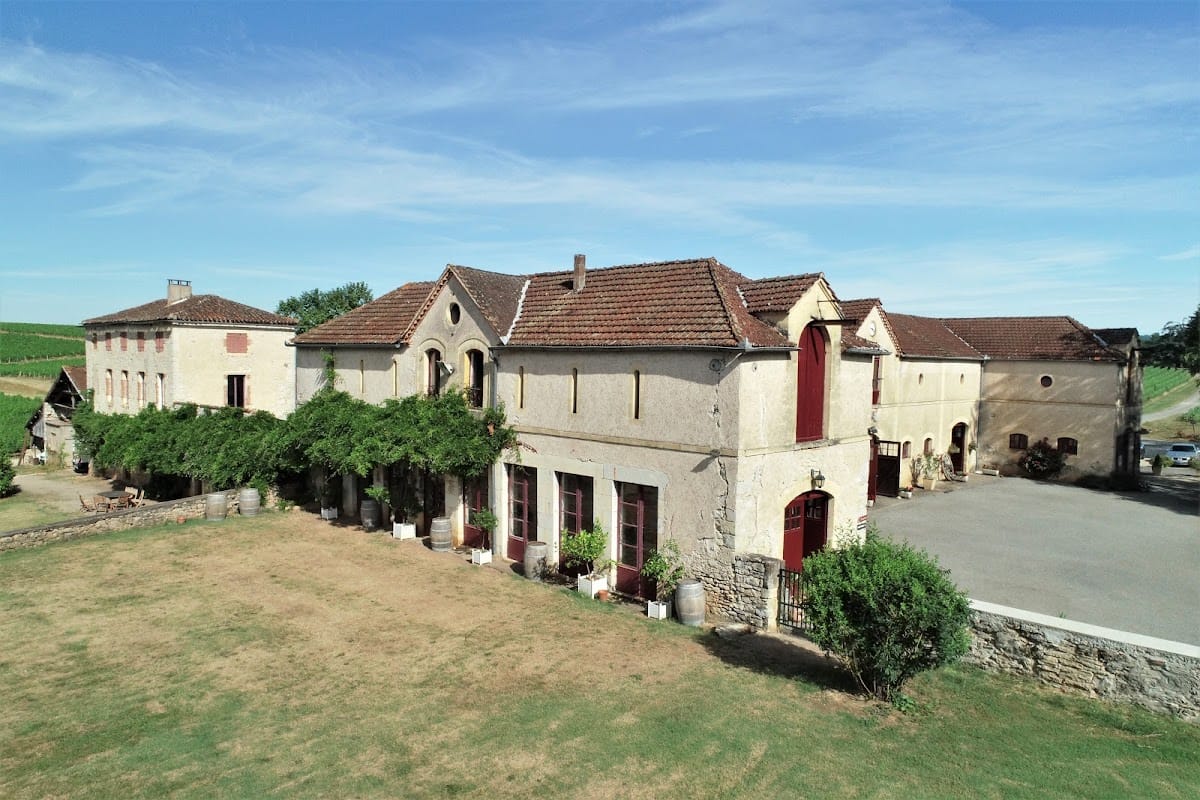
The estate’s ancillary buildings, such as the orangery and stables, were constructed around 1820. These outbuildings contribute to the overall ensemble of 19th-century additions, illustrating the evolving functional needs of the chateau during that era.
Between 1996 and 2004, restoration efforts concentrated on preserving the château’s historical character. Work involved repairing masonry and roofs, refurbishing interiors, and rehabilitating the secondary structures or dependencies. Restoration emphasized the reuse of original materials wherever possible, maintaining continuity with the Count of Mosbourg’s period aesthetics.
Presently, the site’s status as a historic monument safeguards particularly the vaulted cellars and the external staircase, ensuring their protection for future generations. These architectural elements stand as tangible links to the estate’s layered history, from its medieval origins as a religious site to its transformation into a refined noble residence.
Nearby sites