Château de Septème: A Historic Fortress in France
Visitor Information
Google Rating: 4.7
Popularity: Low
Official Website: www.chateau-septeme.com
Country: France
Civilization: Early Modern, Medieval European, Modern
Site type: Military
Remains: Castle
History
The Château de Septème is situated in the municipality of Septème in modern-day France. Its origins trace back to a Roman military camp established along the ancient road linking Vienne to Milan. This location was notably identified as the “seventh milestone,” a name reflecting its distance in Roman measurements, around the 11th century.
The earliest documented castle on this site dates from 1066. It was initially a square fortress constructed without corner towers and was under the ownership of the Beauvoir family. In 1239, the castle was pledged temporarily to Béatrice, Countess of Viennois and Albon, as well as her son Guigues, who later reinstated it as a fief. By 1249, the property was transferred through sale to an individual from the House of Savoy, either Philippe or Pierre de Savoie. The counts of Savoy then paid homage to the Archbishop of Lyon in acknowledgment of their tenure.
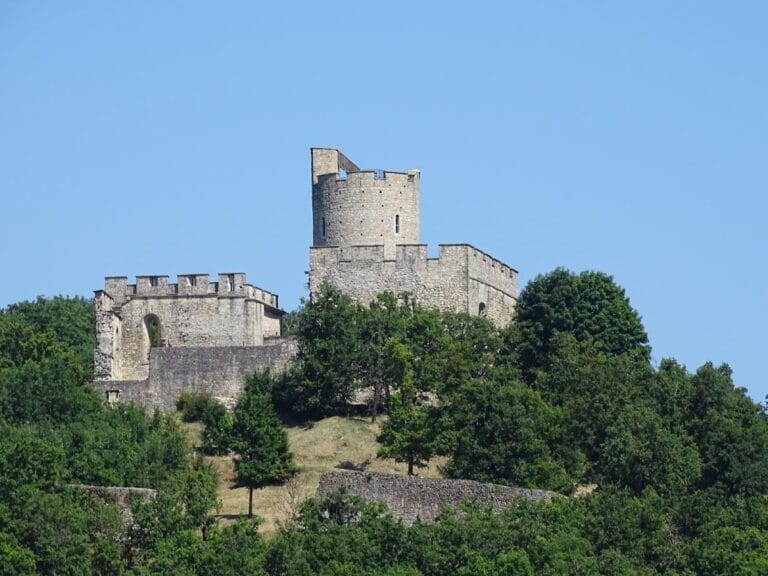
The mid-14th century saw the castle come under the control of the Dauphins of Viennois, confirmed under the Treaty of Paris in 1355. During the late 13th century, notable fortification efforts were undertaken under the rule of Counts Philippe I and Amédée V. These enhancements included surrounding the castle with a fortified wall (enceinte) extending about one kilometer, equipped with narrow openings for archers and a protected walkway known as a chemin de ronde. At this time, a second donjon (keep) was also constructed to strengthen the fortress.
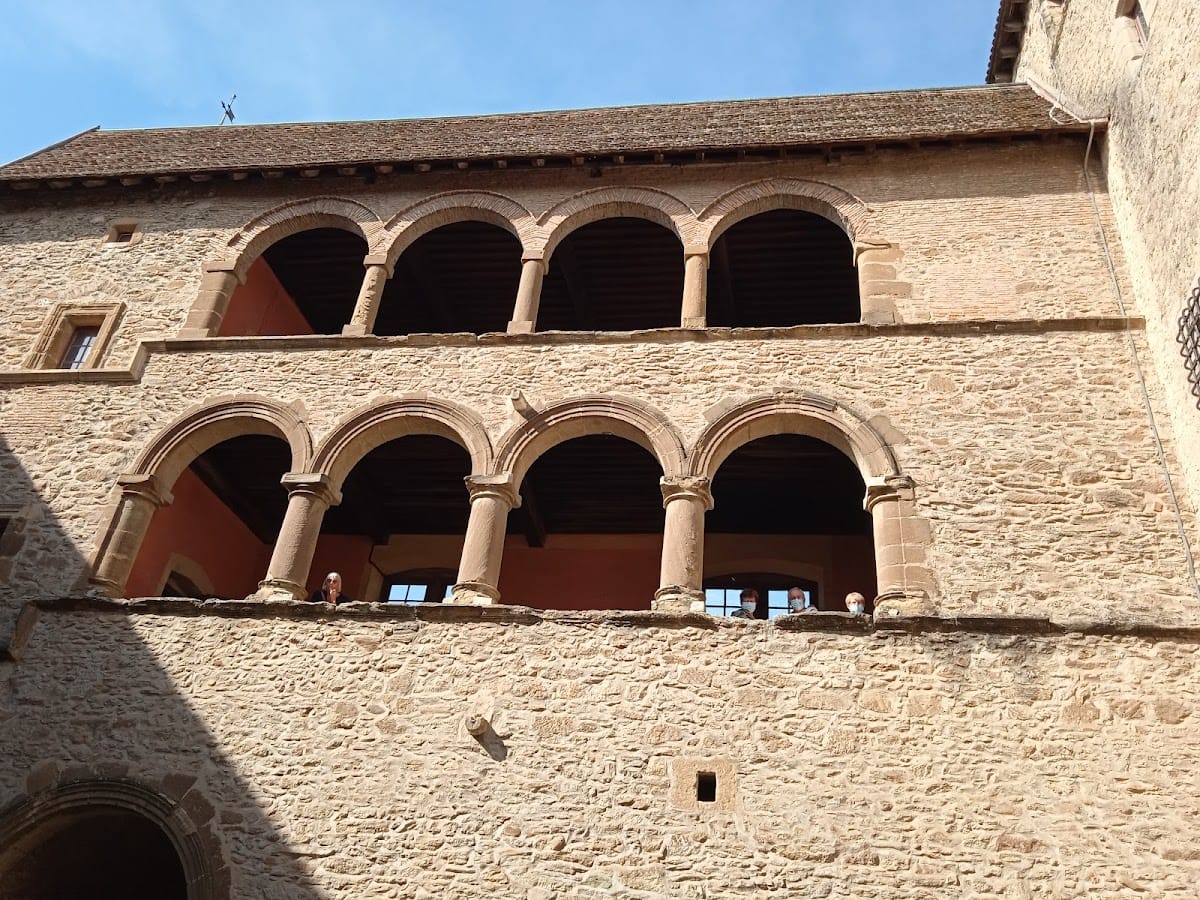
In the 16th century, the inner stronghouse originally built in the 12th century underwent significant remodeling overseen by Louis Adhémar de Grignan, the governor of Lyonnais. Among the changes, the donjon was raised in height, and an arcade gallery was added in 1535, reflecting Renaissance architectural influences. The château remained occupied through the mid-1500s but subsequently fell into decay. Historical records note that King Charles IX and his mother, Catherine de Médicis, spent a night within its walls in July 1564.
The ruinous state of the castle intensified during the French Revolution, when it was further damaged. Following this turbulent period, ownership passed to the d’Albon family during the French Empire. In the 20th century, through marriage, the property became part of the Kergorlay family’s holdings in 1917. Since 2014, current residents Blandine de Kergorlay and Benoît Deron have taken stewardship of the château, actively working to preserve and promote its heritage.
Remains
The Château de Septème occupies a complex site that reflects centuries of layered construction and fortification. The earliest surviving structures include ruins from the 11th-century original castle, which set the foundation for later expansions. Encircling the site is a 13th-century defensive wall known as an enceinte, which stretches approximately one kilometer. This substantial fortification features well-preserved gates and narrow vertical slits designed to accommodate archers, ensuring defensive coverage. Along the wall runs a chemin de ronde—a raised, protected walkway allowing defenders to patrol the perimeter.
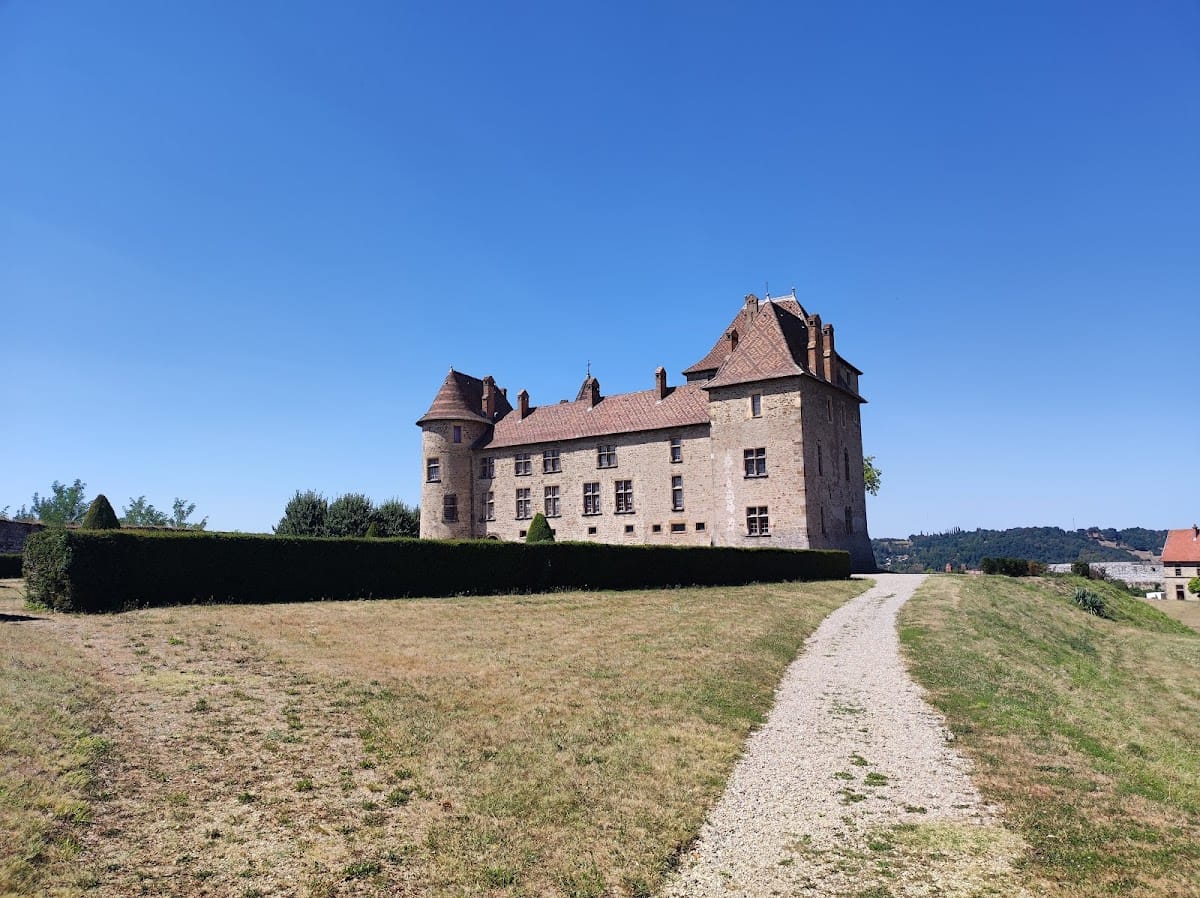
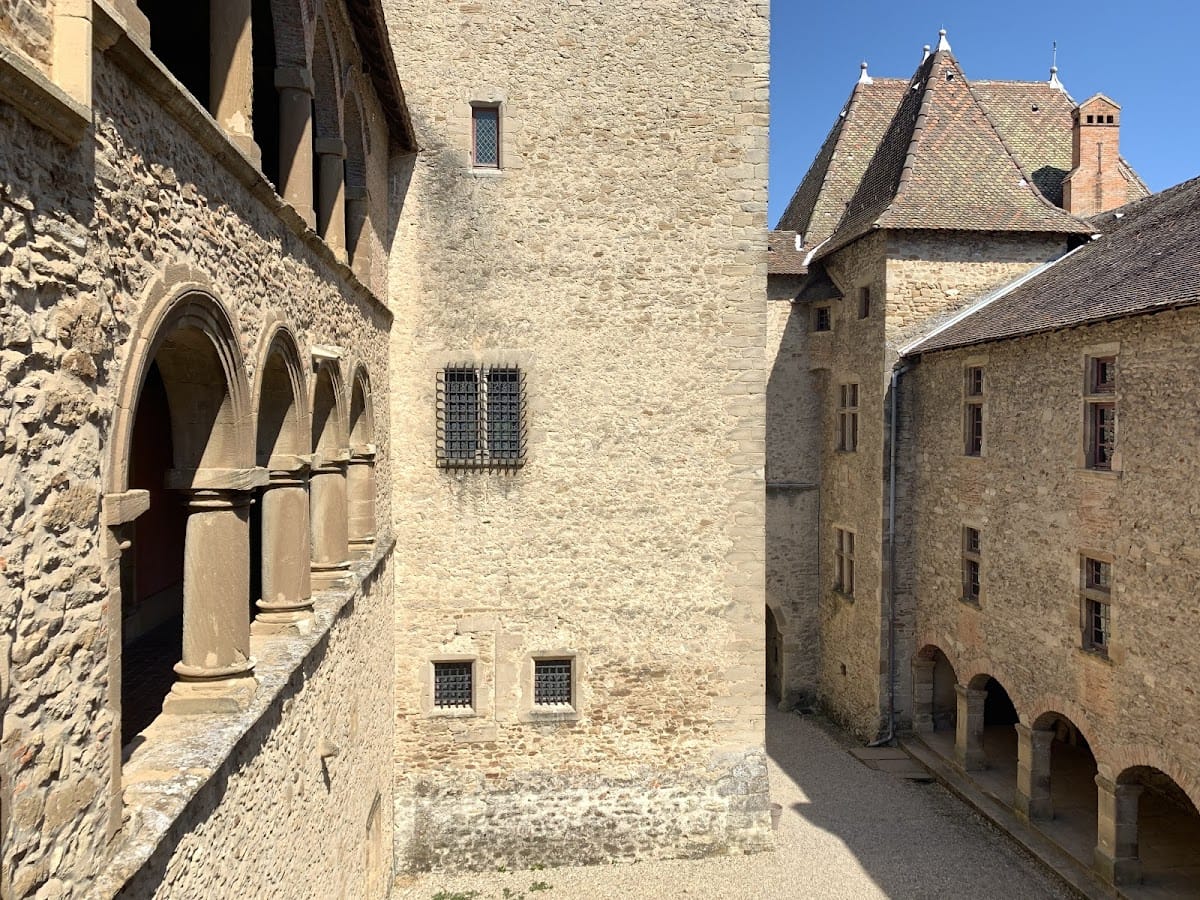
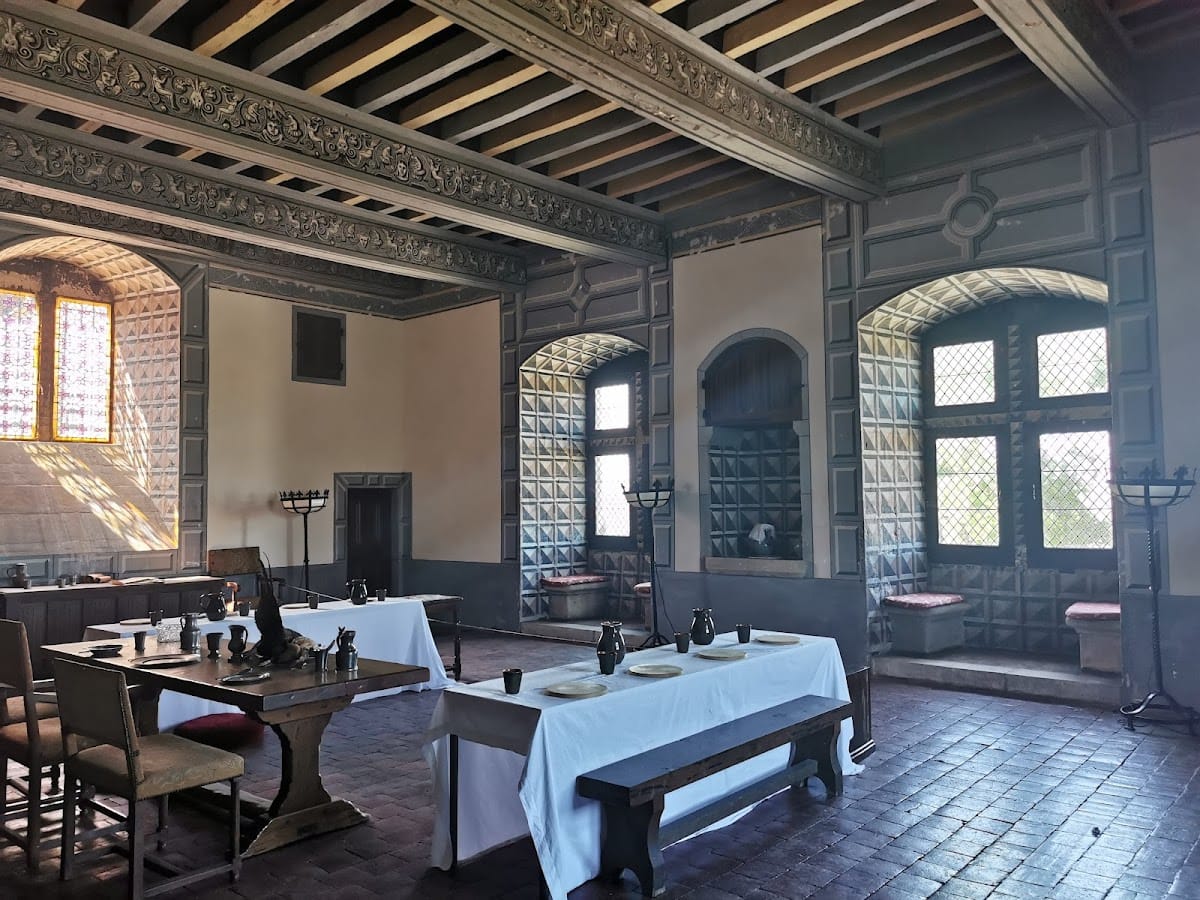
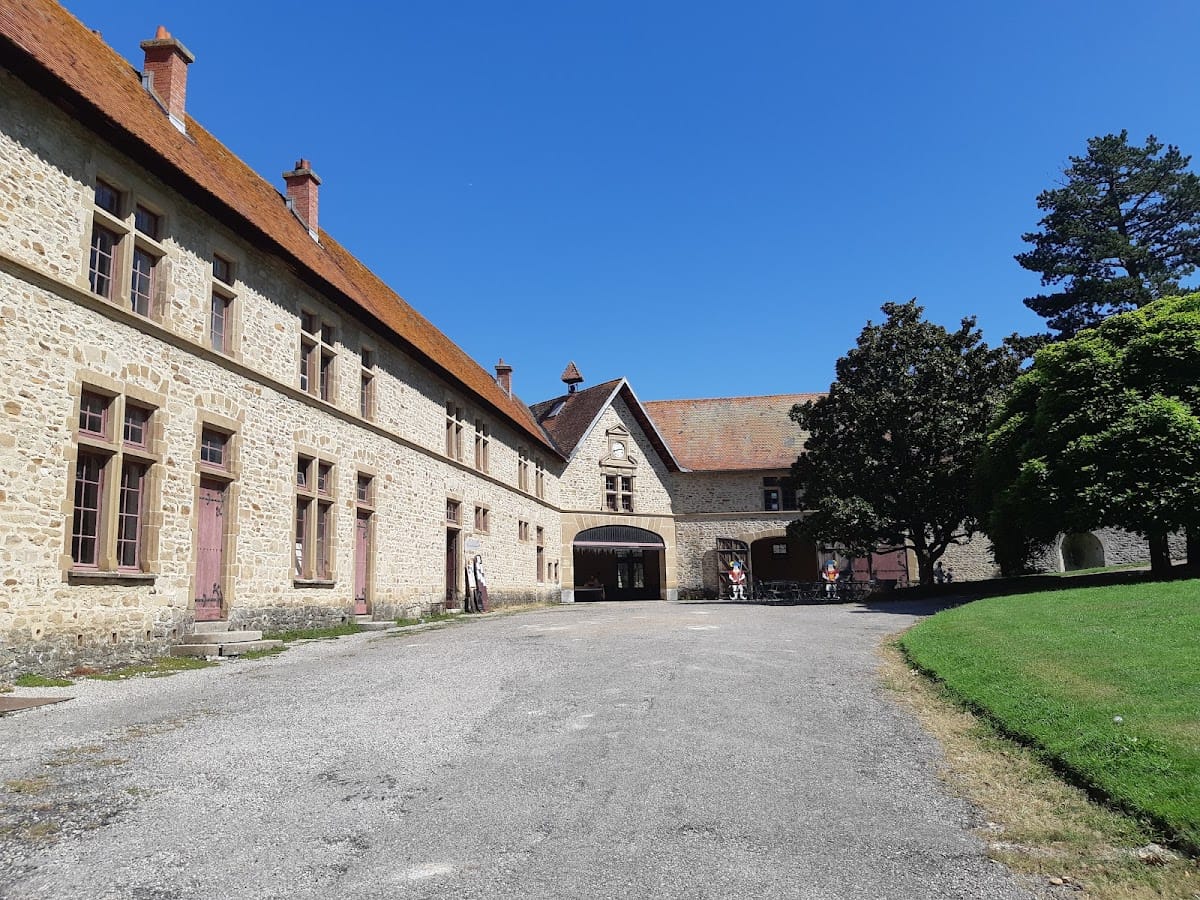
Inside this enceinte, the main castle takes the form of a large quadrangular fortress dating from the 15th century. Its irregular plan is dominated by both round and square towers positioned at the corners, including a prominent square donjon commanding the complex. The gate on the northern side grants entry through to what was once the adjoining village area, now occupied by castle outbuildings. Around an inner courtyard lie residential buildings that reflect transformations over centuries.
At the heart of the castle stands the 12th-century stronghouse, which forms the structural base for the later expansions. Its guardroom occupies the entire ground floor, showing how military and domestic functions were integrated. A round tower, added in the 14th century, was originally connected to this stronghouse by a wooden walkway. In the 16th century, this wooden bridge was replaced by two Renaissance-style loggias—open galleries with arches—that accompanied the vertical extension of the donjon by two additional floors, visually emphasizing the castle’s evolving architectural style.
Within the central courtyard, a deep well, exceeding sixty meters, provided a vital water source for the inhabitants. Surrounding the castle are gardens designed in the early 20th century by Gabriel Luizet for Count Jacques d’Albon. These gardens include a French formal garden to the south stretching toward the remnants of the first castle. Part of this area was intentionally filled with earth to form an orchard, indicating a blend of aesthetic landscaping and practical cultivation. Both the gardens and orchard have been recognized on a preliminary inventory of remarkable gardens, highlighting their cultural value.
The parkland and lawns enclosed by the enceinte offer a natural space where numerous peacocks roam freely, contributing to the historic ambiance of the château grounds. Together, these surviving remnants tell a story of the site’s continuous occupation, military significance, and adaptation over almost a millennium.
Nearby sites