Château de Mouans: A Historic Late Medieval Château in Mouans-Sartoux, France
Visitor Information
Google Rating: 4.6
Popularity: Low
Official Website: www.mouans-sartoux.net
Country: France
Civilization: Early Modern, Modern
Site type: Military
Remains: Castle
History
The Château de Mouans is located in the municipality of Mouans-Sartoux in modern-day France. It was constructed by the people of the late medieval period, specifically by members of the Grasse family, known local nobility in the region.
Construction of the château took place between 1504 and 1510. It was initiated by Jean de Grasse, although some sources also name Pierre de Grasse as the builder. The château remained in the Grasse family’s possession for nearly two and a half centuries, until 1750. After this time, ownership transferred to the Villeneuve family, who held the property leading up to the transformative events of the French Revolution.
During the late 18th century, the château suffered considerable damage amidst the upheaval and anti-feudal sentiment of the Revolution. The town of Grasse, along with revolutionary forces, targeted seigneurial residences such as this one, resulting in the destruction of key defensive features including its towers.
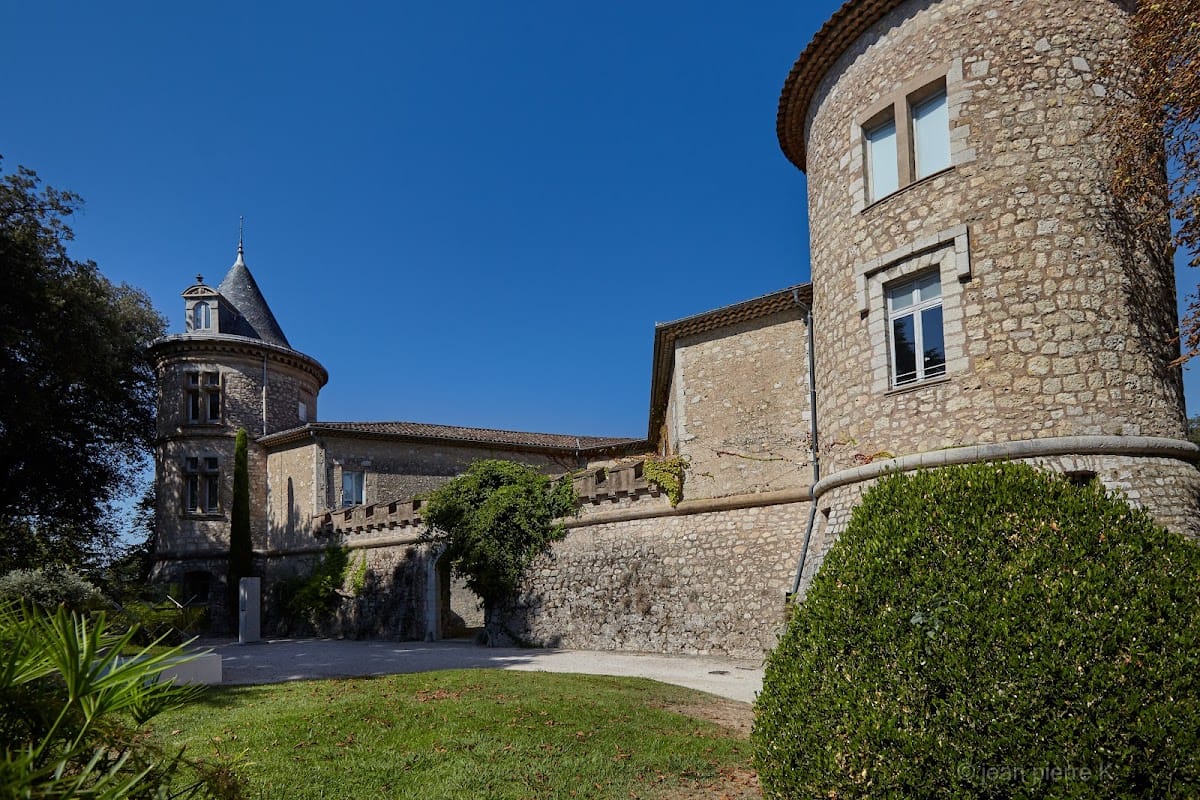
In the early 19th century, the château was acquired by the Durand de Sartoux family, who undertook significant restoration work. They rebuilt the damaged towers and other parts of the structure, faithfully following the original architectural designs. This effort returned the château to its former triangular layout with three corner towers enclosing a central courtyard.
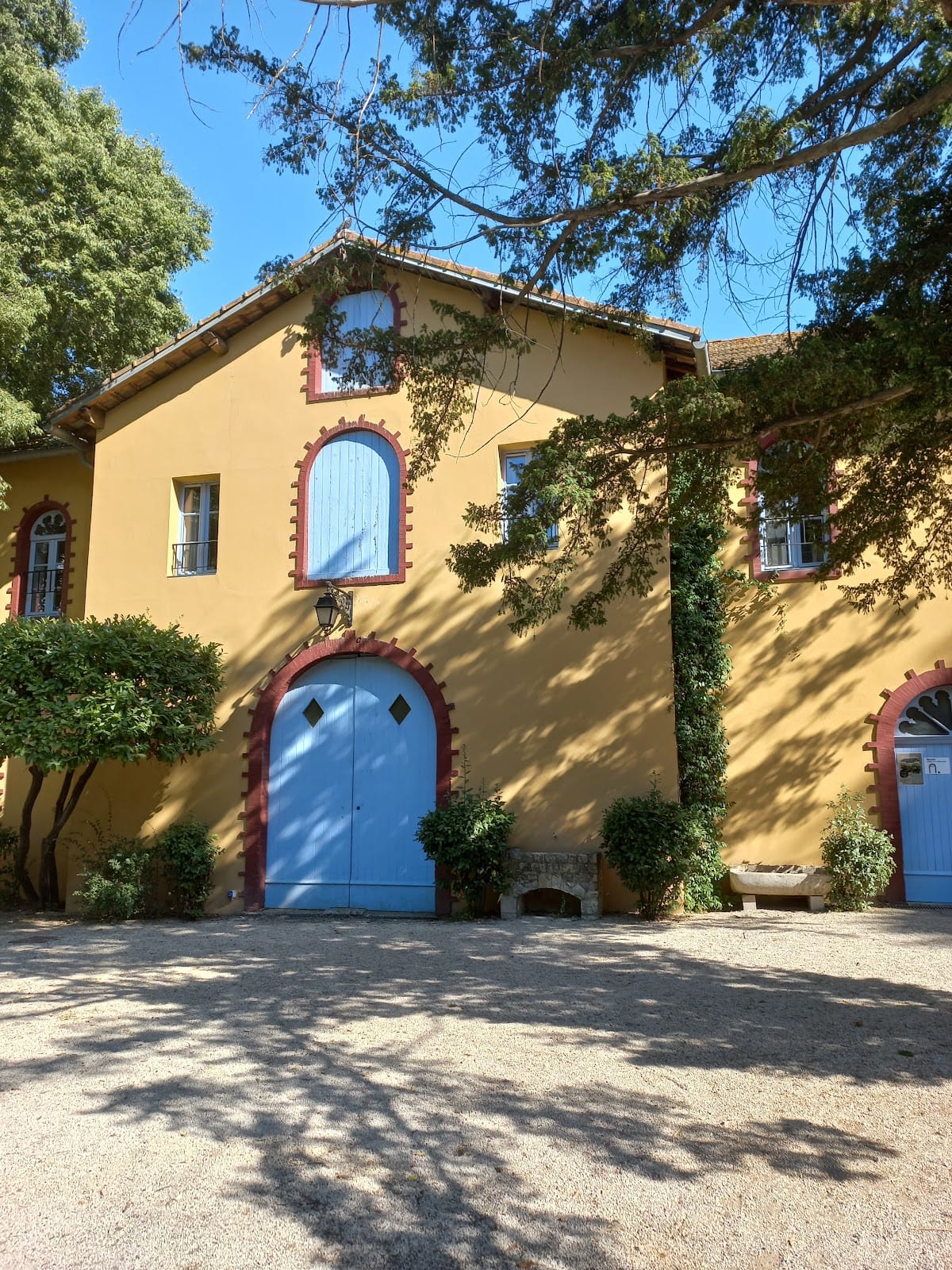
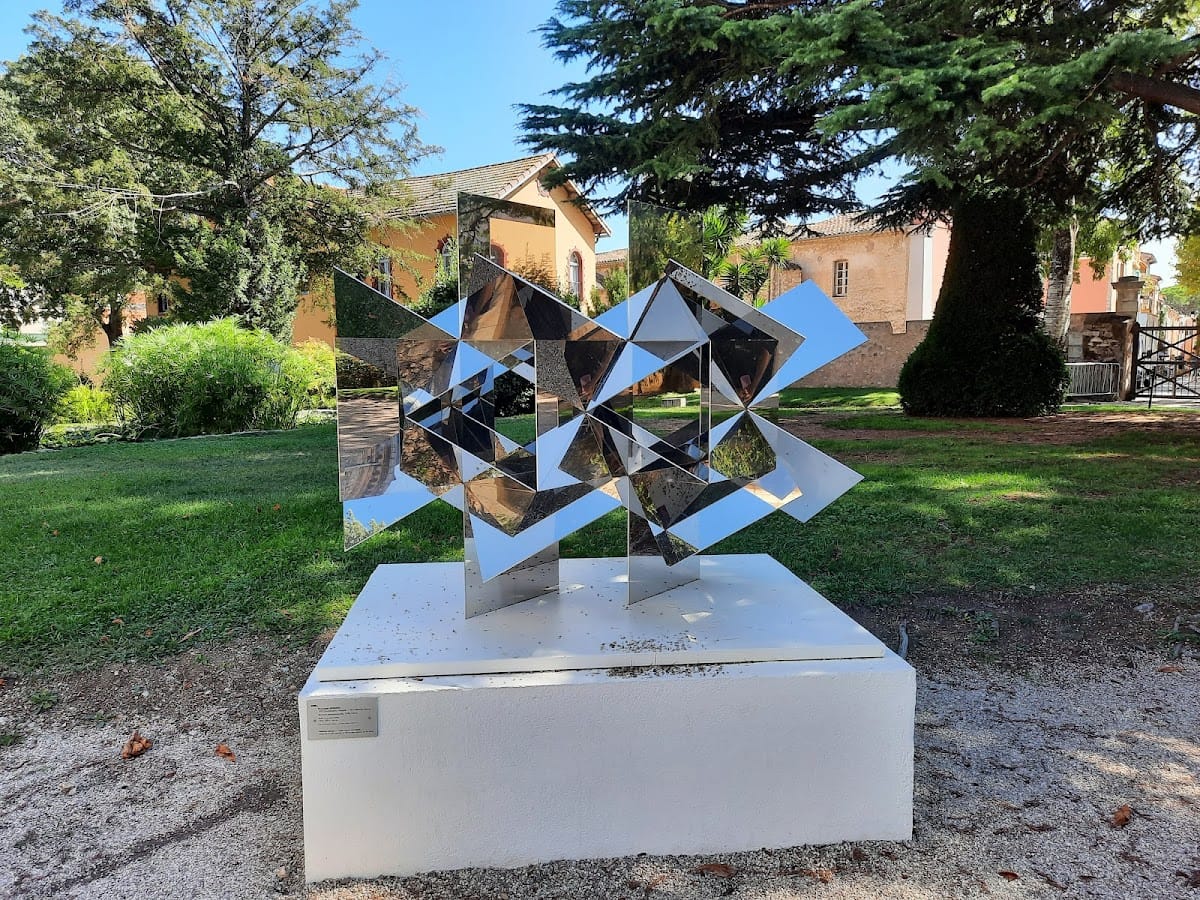
By the late 20th century, the château passed into municipal ownership when the commune of Mouans-Sartoux purchased the property in either 1988 or 1989. Since then, it has been repurposed as a center for contemporary art, recognized as the Espace de l’Art Concret. The outbuildings, particularly the former stables, were also adapted to house a rural museum highlighting traditional local life.
Acknowledging its historical and cultural value, the château and its surrounding park were officially registered as historic monuments by a governmental decree on January 4, 1989.
Remains
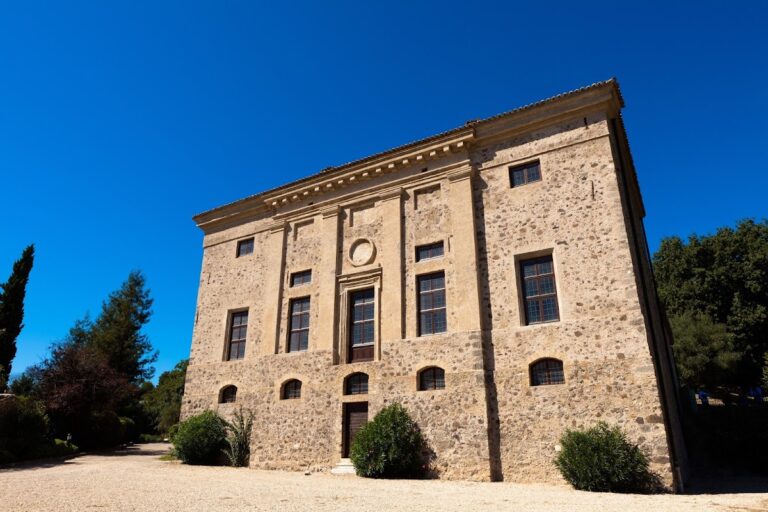
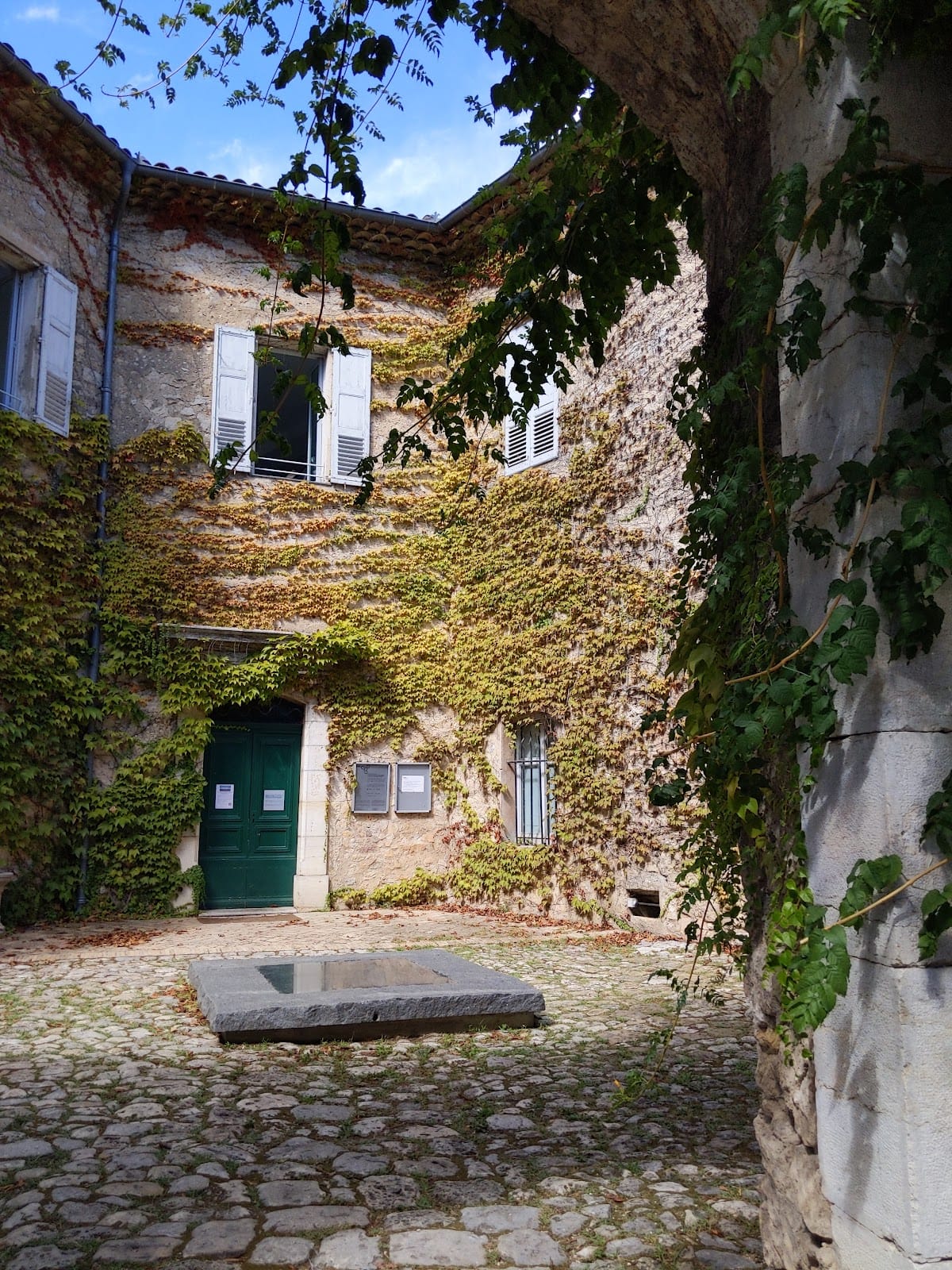
The Château de Mouans displays a distinctive triangular design formed by three towers arranged at each corner. These towers are interconnected by the main residential building, creating an enclosed courtyard at the center of the complex. This defensive plan reflects typical fortification styles from the late medieval and early Renaissance period.
Originally, the three towers featured prominently in the château’s silhouette. However, during the French Revolution, they were deliberately destroyed in an act meant to diminish the power of the local nobility. In the 19th century restoration, these towers were rebuilt in accordance with the château’s initial architectural drawings, restoring the original triangular footprint and preserving the intended appearance of the property.
The materials and construction techniques used during the original build and the 19th-century reconstruction align closely, ensuring continuity in the château’s external and structural character. Although specific details on materials or decorative elements are not recorded, the faithful restoration suggests a commitment to preserving the château’s historic authenticity.
Within the estate, the former stables have been creatively repurposed to serve as a rural museum. This conversion provides a connection to the traditional ways of life in the surrounding countryside and exemplifies adaptive reuse of secondary estate buildings.
The château, along with its adjacent parkland, remains well-preserved due to these restoration and maintenance efforts. Thanks to its status as a historic monument, both the building and the grounds are protected, allowing continued appreciation of their architectural and cultural significance.
Nearby sites