Arches Sénéquier: A Roman Aqueduct Bridge near Fréjus, France

Site at a Glance
- Rating
- 4.4
- Popularity
- Very Low
- Country
- France
- Primary era
- Classical
- External website
- Open
- Eras represented
- Classical
- Civilizations
- Roman
- Site type
- Infrastructure
- Remains
- Aqueduct
On this page6 sections
History
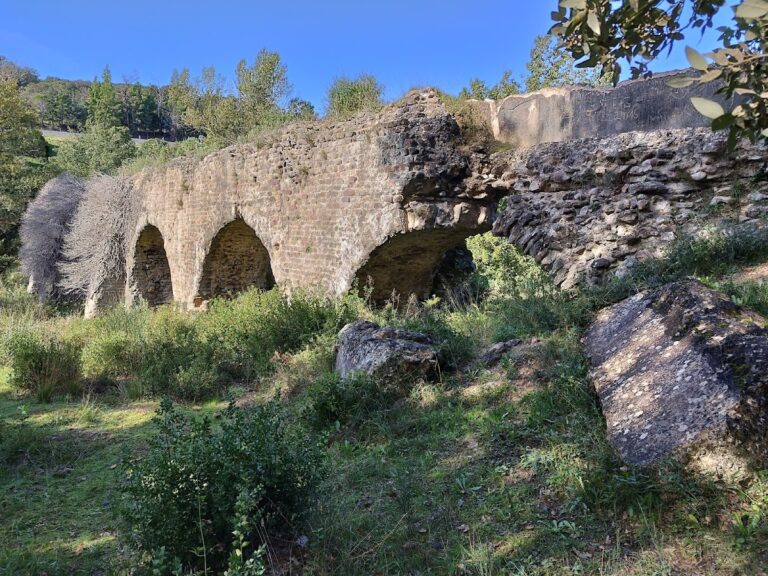
Arches Sénéquier are the surviving remains of a Roman aqueduct bridge near Fréjus, France, built during the Roman period to supply Forum Julii, the ancient Roman name for Fréjus. Construction is uncertain in date, but has been estimated to the middle of the first century. The aqueduct formed part of the water system that brought water from the Foux and Siagnole springs to the city.
Roman water supply
The aqueduct originally extended for approximately 41,567 metres. The Foux spring supplied it first, while the Siagnole spring, also called the Neissoun, was added about twenty years later. From that point, the system drew on two sources as it carried water toward Forum Julii.
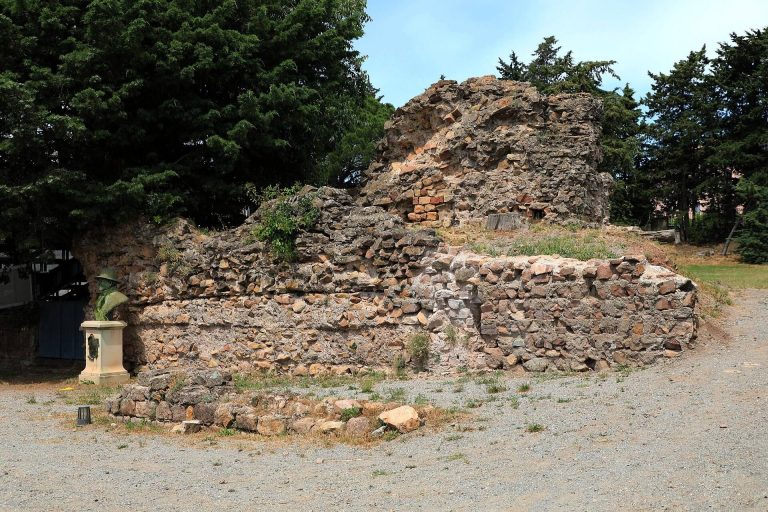
Its route followed the varied landscape between the springs and Fréjus. Ravines were crossed mainly by bridges or cuttings, allowing the water channel to continue through the valley country without relying chiefly on tunnels. The Arches Sénéquier were one of the elevated crossings on the approach to the ancient city.
Later use and protection
The aqueduct remained associated with water management long after the Roman period. Its last known date in general operation is the siege of Fréjus in 1590, during the Wars of Religion, a period of civil and political conflict in France. Bernard de La Valette, a French nobleman and military commander, is said to have put the aqueduct out of use to help bring the siege to an end before moving against Mons.
The upper quarter continued in use, apparently because the Villeneuve family maintained it to supply its dependent estates and territories. Other parts served irrigation and helped operate a mill and a sawmill. In 1794, sections were reused for a water conduit serving Fréjus. In 1892, a pipe made of asbestos cement and measuring 40 centimetres in diameter was installed to supply Fréjus and Saint-Raphaël.
The Arches Sénéquier are protected as a listed French historic monument, a legal designation providing heritage protection. This protection dates from 1886.
Remains
The Sénéquier bridge
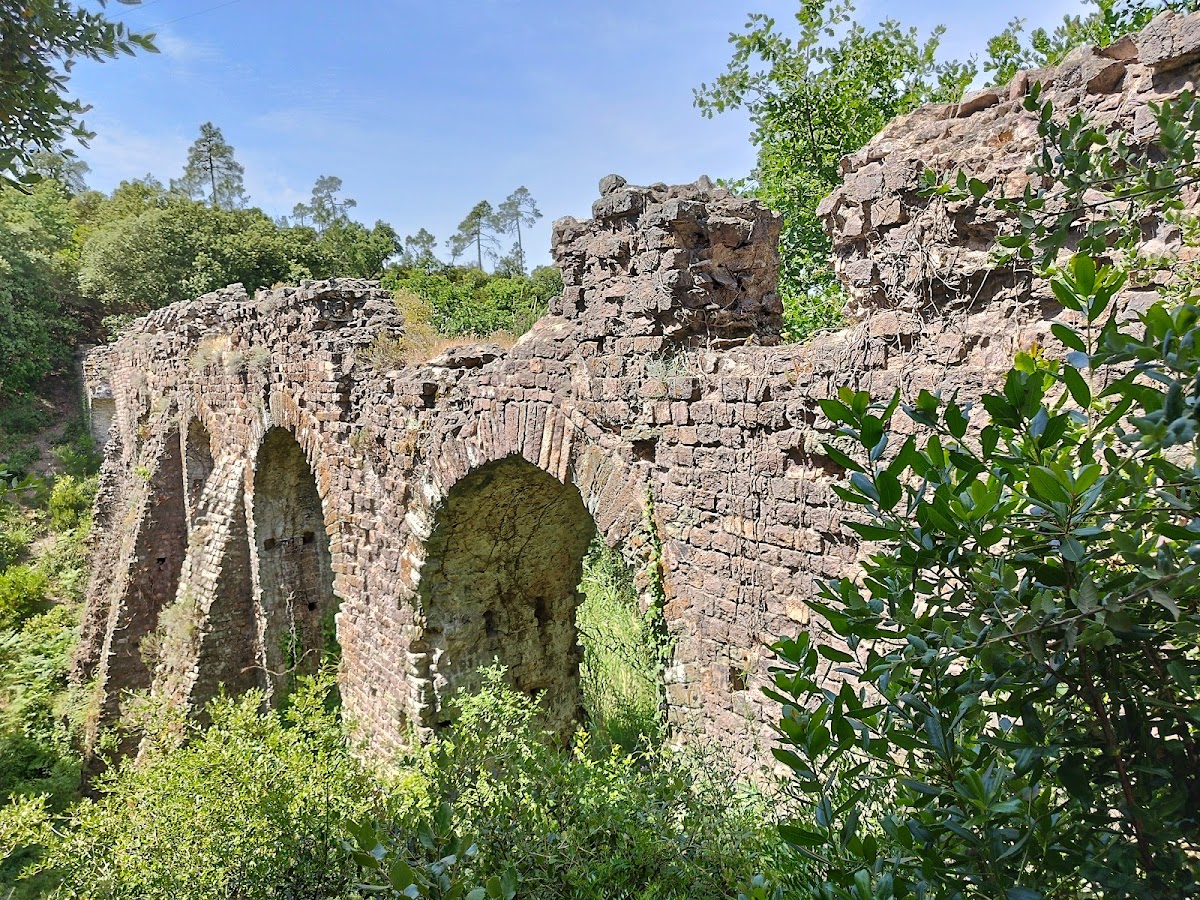
The Arches Sénéquier form a double aqueduct bridge with six arches on the route to Malpasset, about six kilometres from Fréjus. The structure crosses a valley containing a small stream that flows into the Reyran. It is one of the surviving bridge sections on the aqueduct’s approach to Fréjus, alongside the arches of Esquine, the Moutte bridge, and the Gargalon bridge.
The bridge stands in the Reyran valley among dense vegetation, rocky cliffs, and surrounding hills. Its position reflects the aqueduct’s adaptation to the landscape, where the watercourse crossed depressions and ravines by means of elevated bridges or cuttings. Only occasional arches of the wider aqueduct remain visible along its route.
Construction and water channel
The aqueduct was built mainly from stone using lime mortar containing aggregates about a centimetre in size. The water channel was sealed with waterproof tile mortar, a lime-based material mixed with crushed brick, roof-tile, and amphora fragments to reduce leakage. Materials were drawn locally along the route, which passed through areas with differing geology.
Inside the aqueduct, the channel measured approximately 1.6 metres high and 70 centimetres wide. It descended toward Fréjus at an average gradient of about 1.1 percent, with an estimated average flow of approximately 34 litres per second. Carbonate deposits formed within the channel at an estimated rate of about one millimetre each year. Their accumulation slowed the water and increased the weight carried by bridge sections, creating a need for periodic cleaning and, in some places, reconstruction.