Mladá Boleslav Castle: A Historic Fortress and Museum in Czechia
Visitor Information
Google Rating: 4.4
Popularity: Low
Official Website: www.muzeummb.cz
Country: Czechia
Civilization: Early Modern, Medieval European, Modern
Site type: Military
Remains: Castle
History
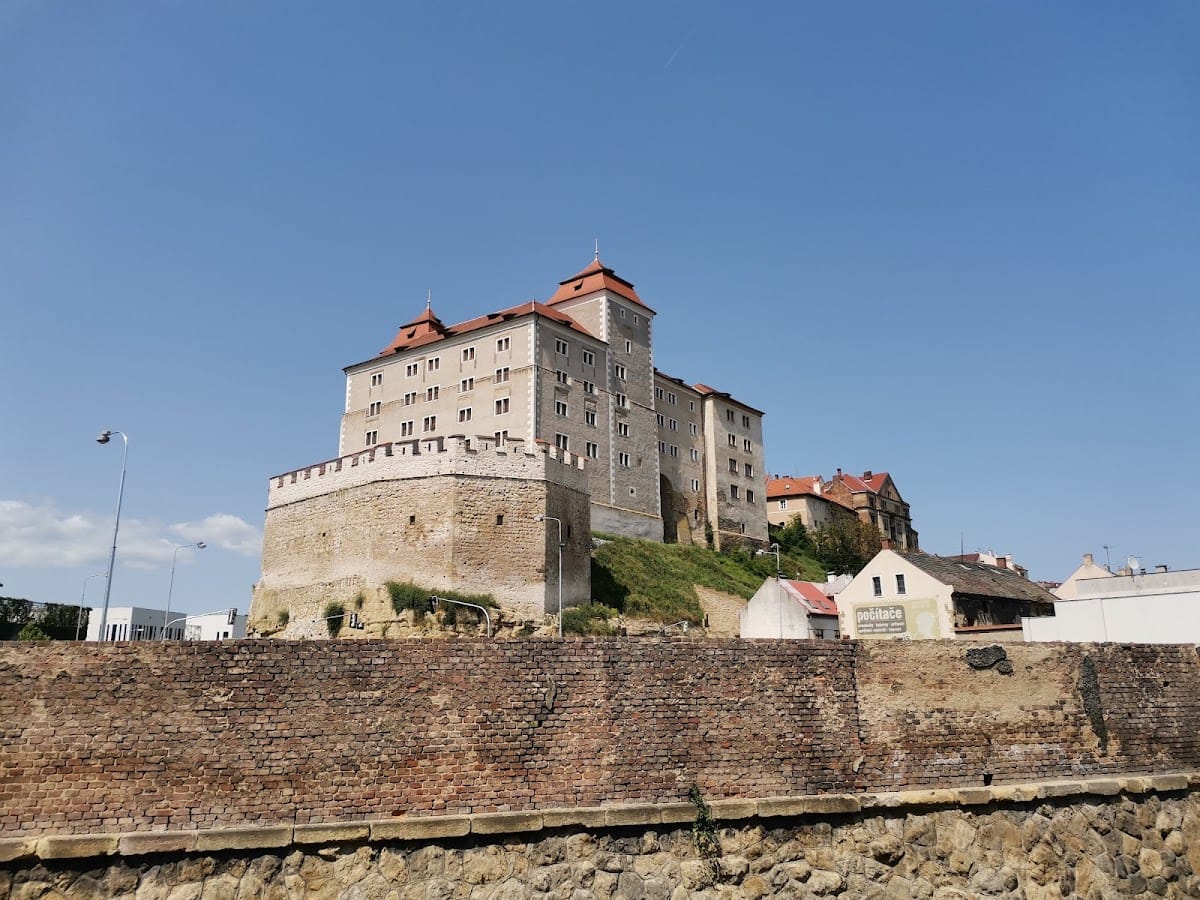
The Castle in Mladá Boleslav stands above the meeting point of the Klenice and Jizera rivers in the town of Mladá Boleslav, Czechia. Archaeological findings show that the location was first settled during prehistoric times by the Lusatian culture, who established a fortified settlement there long before the medieval period.
By the late 10th or early 11th century, a medieval fortified settlement known as a hradiště was built on this prominent hilltop. This early defensive site likely replaced the nearby Chlum fortification, which had been destroyed during the efforts of the Přemyslid dynasty to consolidate control over Bohemia. The stronghold served as an important political and administrative center for the Pojizeří region and the larger northeast area of Bohemia.
The name of the castle originates from a Přemyslid prince called Boleslav, distinguished as “young” or “small” to set it apart from another settlement named Boleslav on the Elbe River, today known as Stará Boleslav. In its earliest phase, the safest part of the southern hilltop housed the castellan’s residence, consisting mainly of wooden buildings and basic fortifications.
Following the mid-13th century, a royal castle was constructed on the site, emphasizing its strategic importance. However, over time, the administrative influence of the castle lessened as the noble family of Markvartici rose in prominence within the region. By 1334, ownership passed to the Michalovice family, descendants of the Markvartici, who transformed the castle into more of a town fortress.
After the last lord of the Michalovice line died, the castle changed hands first to the Tovačovský family and later, in the early 16th century, to the Krajíř family. The Krajířs implemented substantial Gothic-Renaissance renovations, turning the fortress into a representative chateau. This included building a main palace flanked by two towers. When Mladá Boleslav was liberated from serfdom in 1595, the castle gradually ceased to be the primary residence for local rulers.
The castle endured damage during the Thirty Years’ War (1618–1648), serving alternately as a military garrison for both imperial forces and Swedish troops. After the war, parts of the castle were dismantled, with materials repurposed for construction projects in the town.
In the mid-18th century, the state assumed control and converted the castle into barracks between 1752 and 1783. It was adapted to house six companies of soldiers, totaling 678 men, and remained a military installation for nearly two hundred years. The barracks continued in use by the Czechoslovak army until 1953.
During the Second World War, from 1940 to 1943, the castle’s barracks served as an internment center for Jewish residents of the area before their deportation to concentration camps. Following the end of military use, the castle was utilized as a textile warehouse until 1972. It was then transferred to the local museum, which began restoration efforts. Today, it serves as the Museum of the Mladá Boleslav Region and houses the State District Archive.
Remains
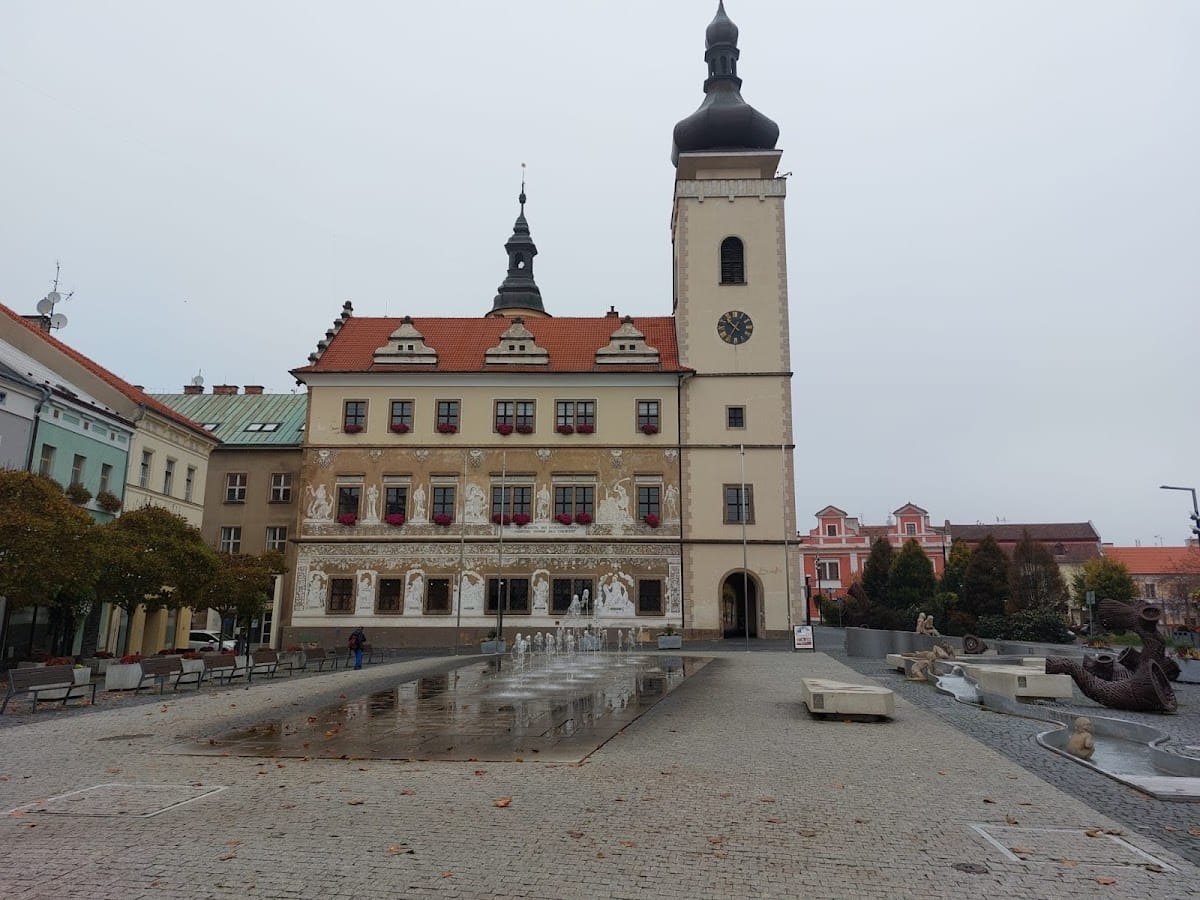
The castle’s present layout reflects a long history of construction, adaptation, and rebuilding, with its form shaped by medieval, Renaissance, and later military uses. While the earliest fortifications from prehistoric and early medieval times have been lost to later building and urban development, fragments dating from the 13th century remain visible. One significant remnant is a section of the defensive wall that once separated the castle from the adjacent settlement near the Old Town Square (Staroměstské náměstí).
By the late 15th century, a large bastion, or bollwerk—a type of fortified projection designed to strengthen defensive capabilities—was constructed to protect the castle from approaches along the Jizera river valley. This feature represents one of the medieval castle’s key defensive innovations.
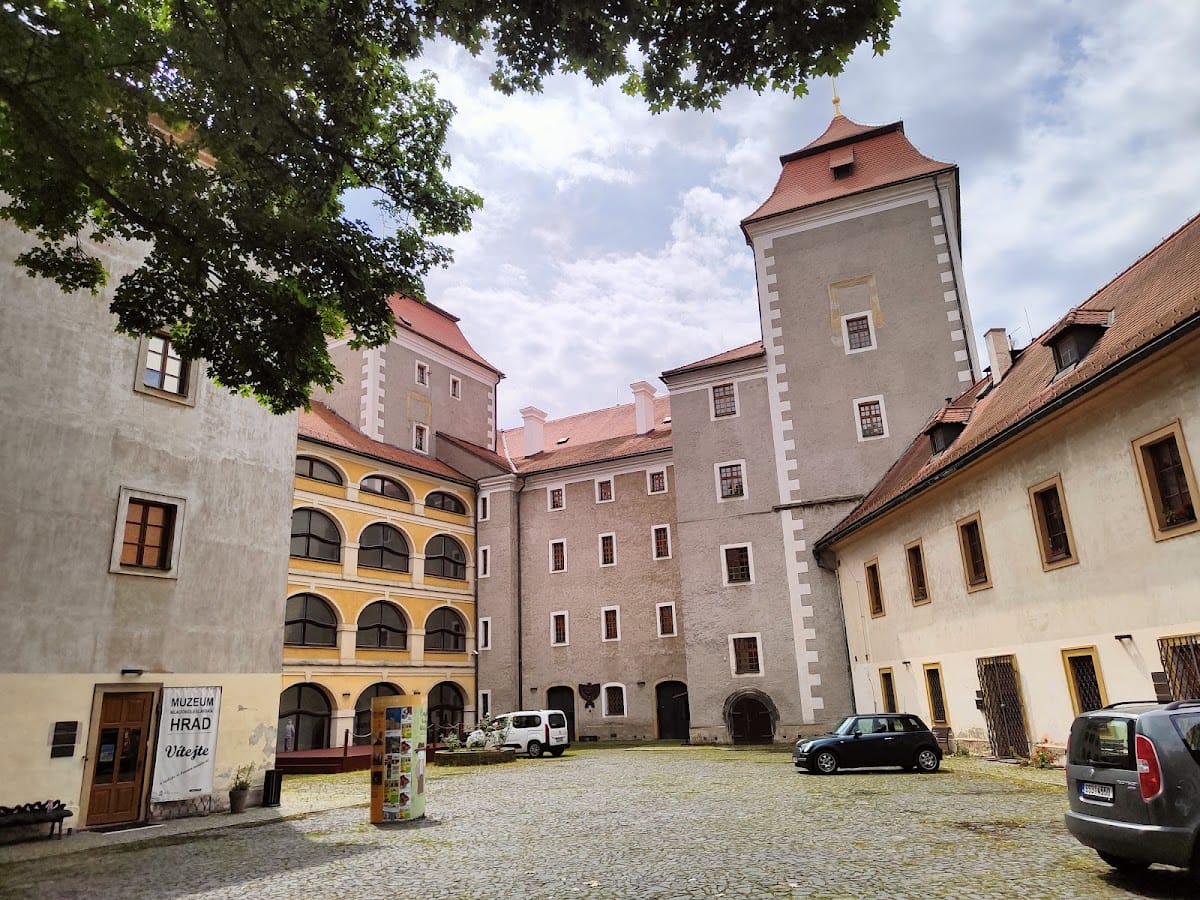
The castle’s current appearance primarily results from the work of Jan of Šelmberk and the Krajíř family during the Gothic-Renaissance period. The reconstruction incorporated Renaissance ideals, likely guided by architect Benedikt Rejt and certainly involving the Italian Matteo Borgorelli. This transformation produced a chateau with a principal palace section flanked by two distinctive towers, articulating the elegance of Renaissance design.
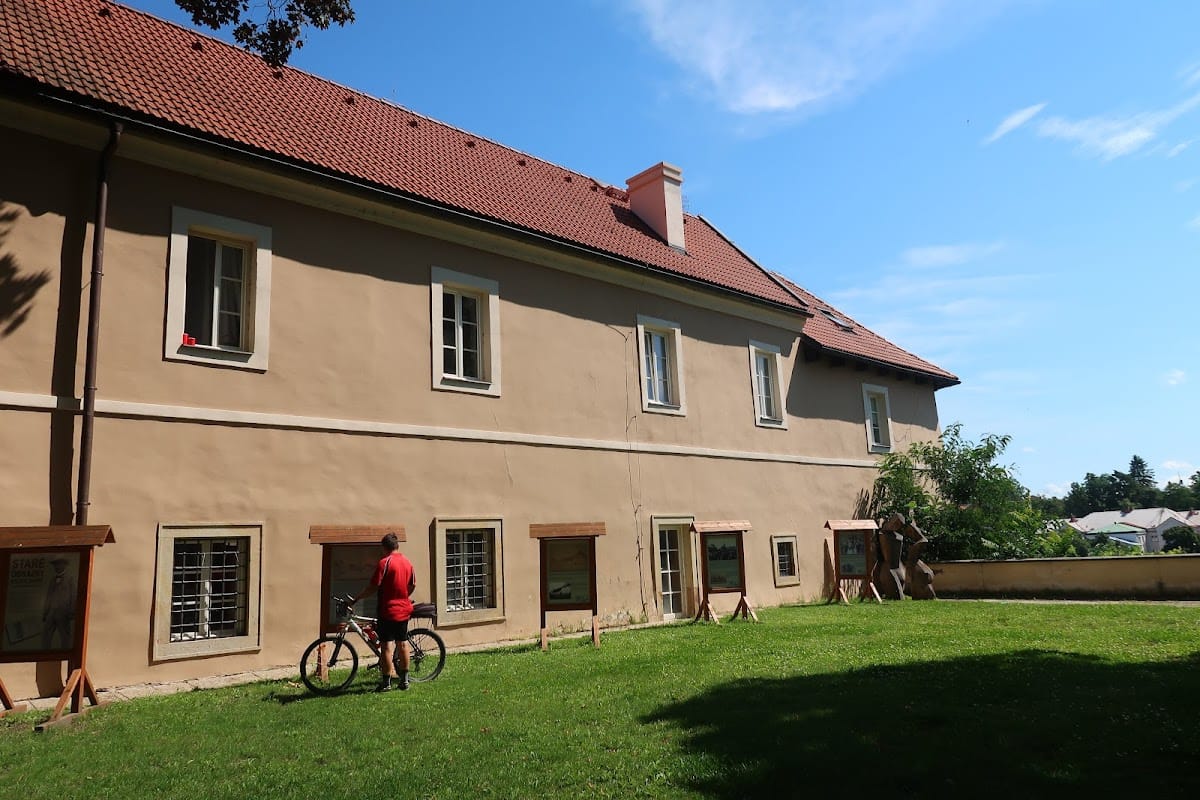
However, the 18th-century conversion into barracks altered many original architectural details. Vaulted ceilings were replaced by wooden beam ceilings, and large Renaissance windows were substituted with smaller, more practical openings. The roofs of the towers were lowered and reshaped into hipped roofs. The northern wing, which began as a freestanding building, was joined to the eastern wing and considerably extended to accommodate military needs. Later additions included a low, utilitarian economic wing forming the western side of the courtyard, constructed in 1890 and slightly enlarged in 1910.
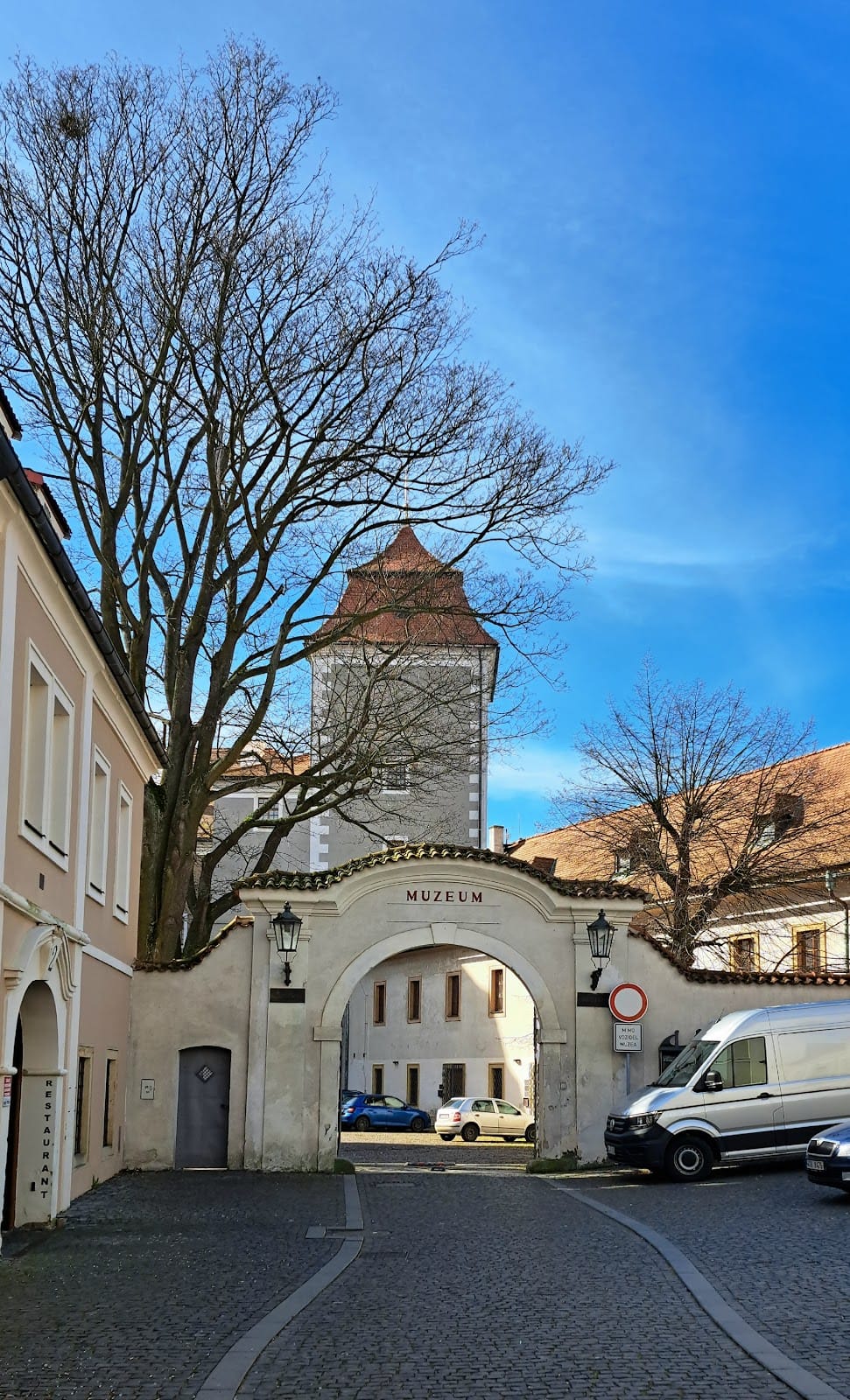
The castle’s external form today mainly reflects the austere style typical of barracks established by 1783. Internally, its oldest parts are used as an archive, preserving important documents, while newer sections display collections related to the history and culture of the Mladá Boleslav region.
Nearby sites