Castello di Santa Margherita Ligure: A 16th-Century Genoese Fortress in Italy


Visitor Information
Google Rating: 4.5
Popularity: Low
Country: Italy
Civilization: Early Modern
Site type: Military
Remains: Fort
History
The Castello di Santa Margherita Ligure is situated in the municipality of Santa Margherita Ligure, Italy, and was constructed by the Republic of Genoa in the mid-16th century. This fortress was part of Genoa’s defensive network along the Ligurian coast, specifically designed to guard against repeated Saracen pirate raids that threatened coastal settlements.
In 1550, following a Senate decision by the Republic of Genoa to bolster coastal defenses, construction of the castle began under the guidance of Antonio de Càrabo, an architect also responsible for the nearby Castello di Rapallo. Remarkably, the building process was swift, with the fortress completed by September of the same year. Over the following decades, particularly until the early 1600s, the structure underwent a series of improvements that reinforced its military capability, including upgrades to its armaments and changes to its defenses.
By the 18th century, the decline of pirate incursions reduced the fortress’s military importance significantly. The castle transitioned into a less active role, maintained only occasionally through minor repairs rather than continuous use or upgrades. During the 19th century, as Santa Margherita Ligure emerged as an independent municipality separate from Rapallo, the fortress confronted two separate demolition threats. The first proposed replacing it with a new municipal palace, while the second sought to enlarge the nearby Calata Vittorio Emanuele waterfront area. Both plans ultimately did not proceed.
After the First World War, the castle was restored and repurposed as a memorial honoring those who had died during the conflict. A commemorative plaque was placed within its walls to recognize the fallen soldiers of the Great War, cementing the fortress’s role not only as a military relic but also as a site of remembrance.
Remains
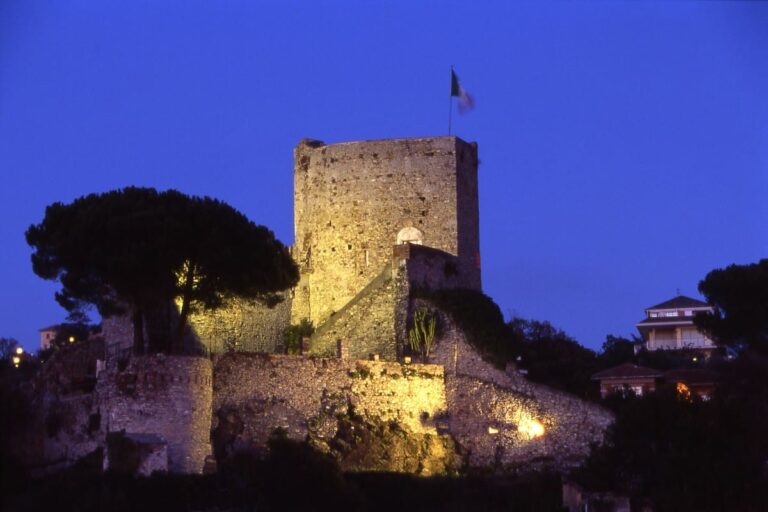
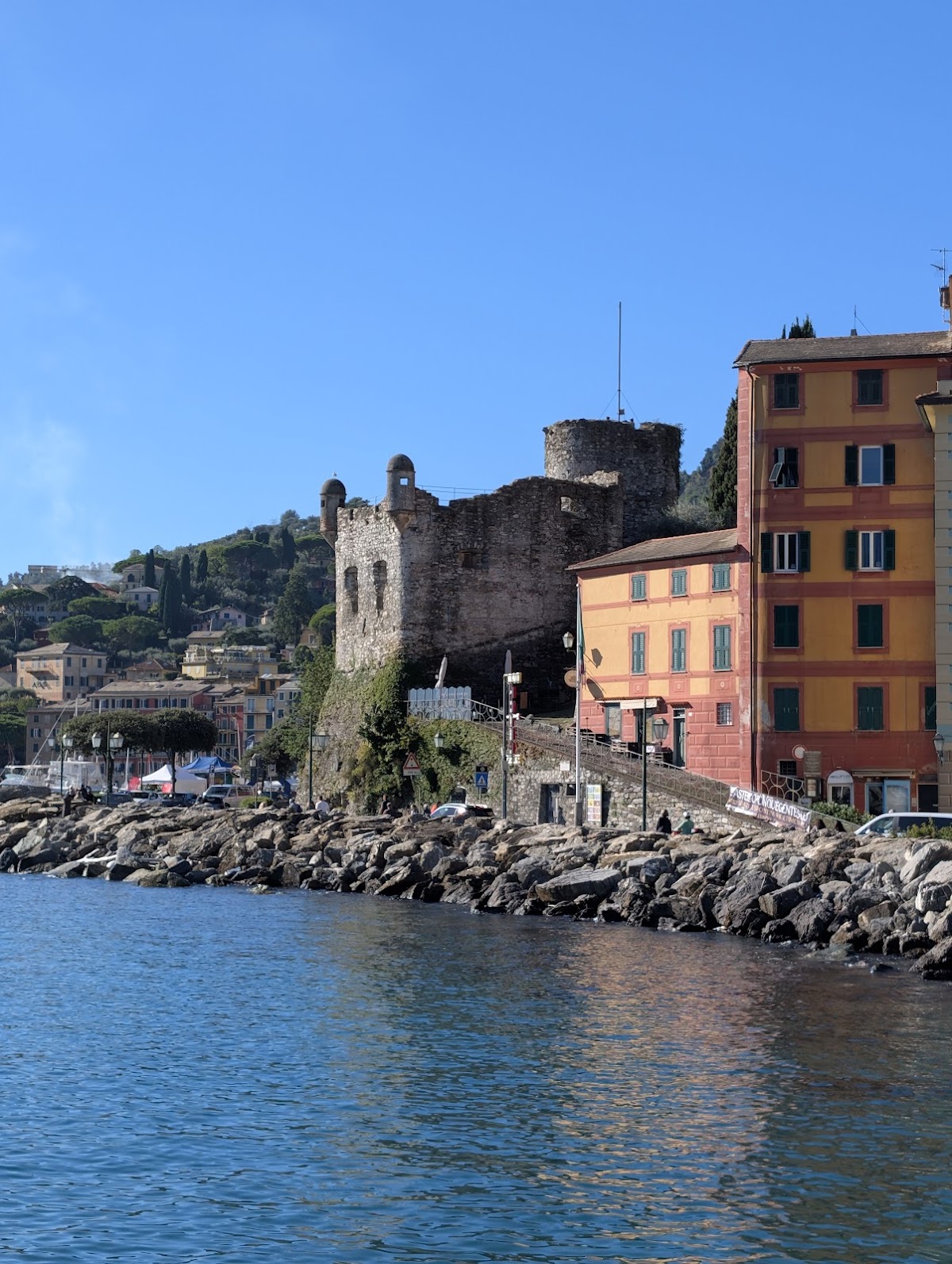
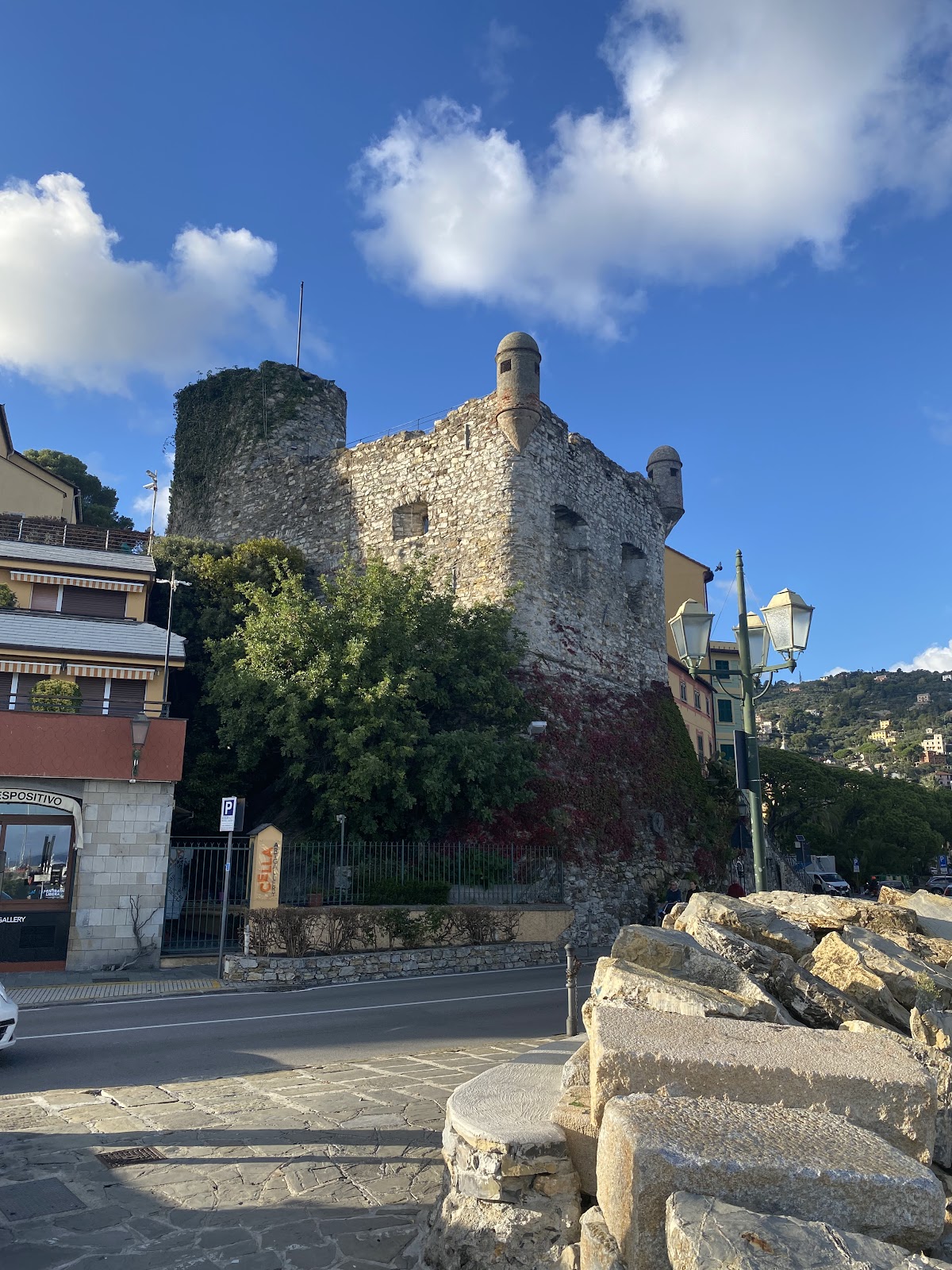
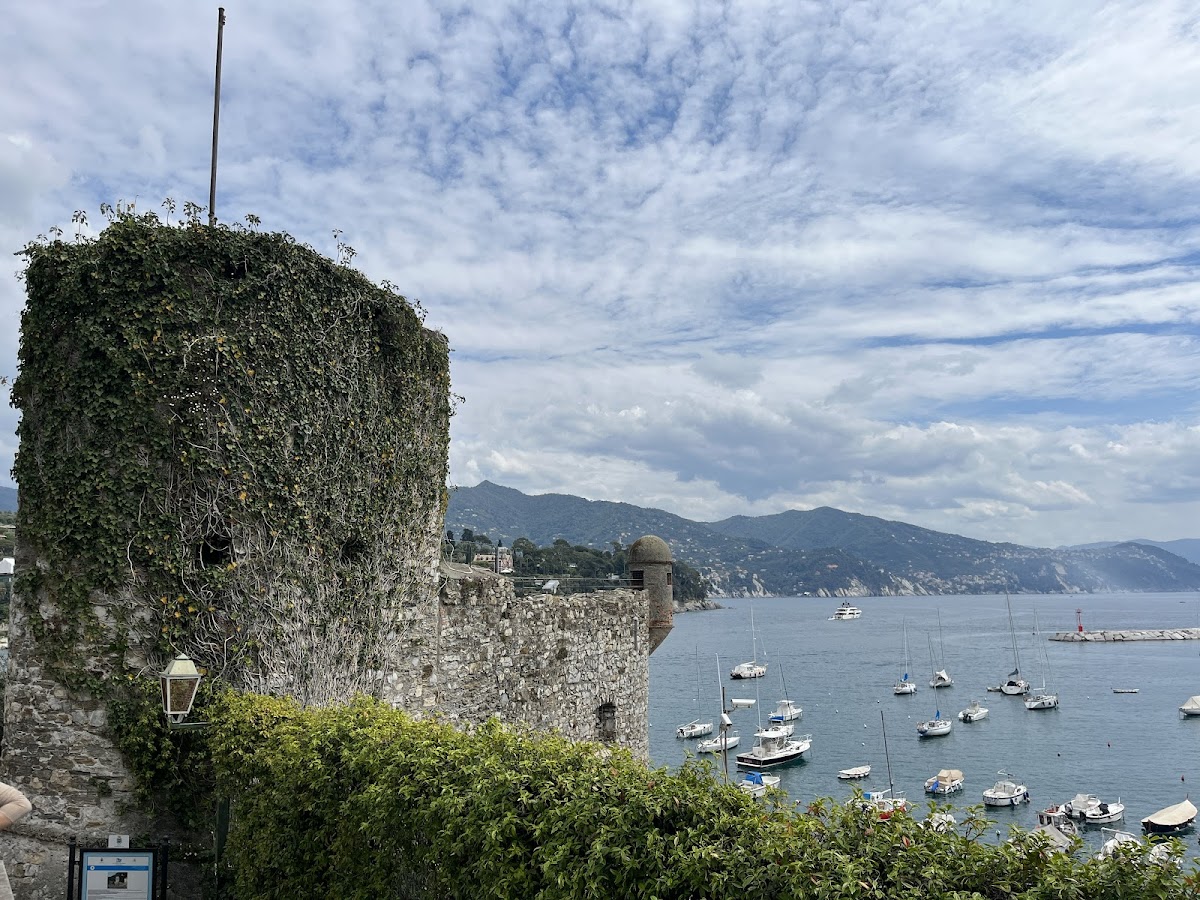
The Castello di Santa Margherita Ligure occupies a strategic position at the base of a hill now crowned by the Villa Durazzo-Centurione. Originally located close to the shore, the fortress’s setting underscores its historical defensive role. The castle’s layout centers around a robust tower known as a torrione, which served as a key lookout and defense point against seaborne threats.
In addition to the tower, the fortress includes a guardhouse or sentry post referred to as a garitta, designed to shelter soldiers on watch. Photographic records confirm that these defensive elements, including both the tower and garitta, remain preserved in a state that allows for their observation and maintenance today. The castle’s interior spaces, although not described in technical detail, retain sufficient structure to host commemorative features.
Among these, a plaque dedicated to the memory of World War I soldiers can be found inside the castle, reflecting its later use as a war memorial. The castle’s close proximity to both the hill on which Villa Durazzo-Centurione stands and the adjacent Calata Vittorio Emanuele highlights its integration into a historically rich urban landscape.
While the available information does not specify construction materials or decorative aspects, the well-maintained condition of the primary defensive architecture allows the site to serve as a visible link to the military history of the Republic of Genoa in the Ligurian region.
Nearby sites