Bobrowniki Castle: A Gothic Border Fortress in Poland

Site at a Glance
- Rating
- 4.5
- Popularity
- Low
- Country
- Poland
- Primary era
- Medieval
- Eras represented
- Medieval
- Civilizations
- Unclassified
- Site type
- Military
- Remains
- Castle
On this page6 sections
History
Bobrowniki Castle is a Gothic defensive complex in Poland, probably founded around the middle of the fourteenth century by Władysław Garbaty, a Piast duke of Dobrzyń. Built on the site of an earlier stronghold associated with the duke, it occupied an important border position and later served both military and administrative purposes.
Piast and Teutonic control
The castle’s ownership changed repeatedly during the political struggles of the late Middle Ages. In 1377, Louis of Hungary granted it to Władysław Opolczyk, who sold it to the Teutonic Order in 1392. Władysław Jagiełło, king of Poland from 1386 to 1434, purchased the Dobrzyń region, including Bobrowniki, in 1405. On 28 August 1409, the Teutonic Knights attacked the castle and damaged part of its walls with artillery. The fortress then passed into Teutonic control and probably returned to Polish rule in the summer of 1410.
Over time, Bobrowniki served as a ducal residence, the seat of ducal starosts, and a center for Teutonic and royal administration. A starosta was an official responsible for governing a district, with judicial and military duties, while a Teutonic vogt held local administrative and judicial authority. Teutonic inventories also mention a nearby folwark, a large agricultural estate connected with a residence or institution.
Military decline and ruin
Its position near a border led to repeated modernization of the fortifications. During the Thirteen Years’ War, the conflict between Poland and the Teutonic Order from 1454 to 1466, and again during the fighting against the Order in 1519–1521, the castle was used to imprison captured Teutonic knights. Later changes in the national border reduced its strategic value, and the complex continued mainly as a local administrative seat after losing its military role.
Swedish forces burned the castle and the archive of its district court during the war of 1655–1660. The complex remained in limited use at the beginning of the eighteenth century, but by the second half of that century it was severely ruined. A formal decision to demolish the remains was made in the nineteenth century.
Archaeology and preservation
Archaeological investigations took place between 1976 and 1984 under Tadeusz J. Horbacz and a team from the Department of Archaeology of the University of Lodz. The ruins entered the heritage register on 16 October 1957 under registration number 47/382. They have remained without an owner and continue to face deterioration and vandalism. Flooding by the Vistula presents an additional threat. Until the 1980s, the ruins stood on an island separated from the river’s right bank by a side channel, while efforts have been made for the Bobrowniki municipality to take them over.
Remains
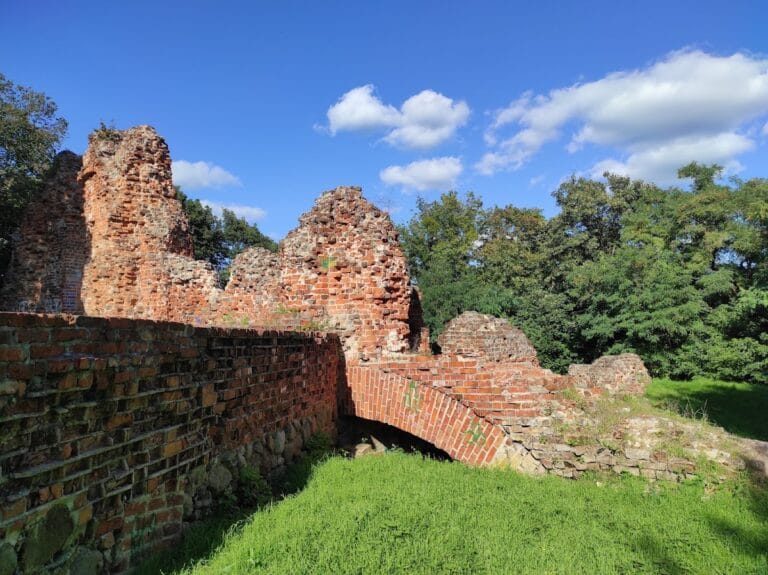
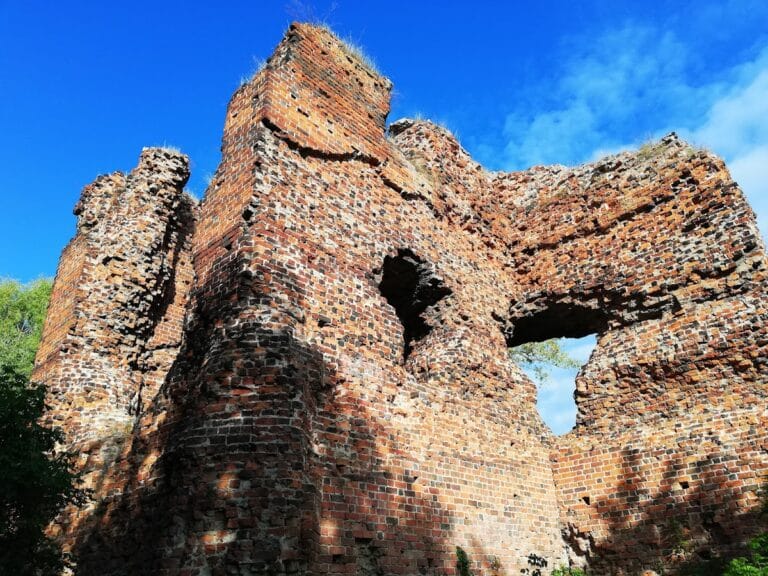
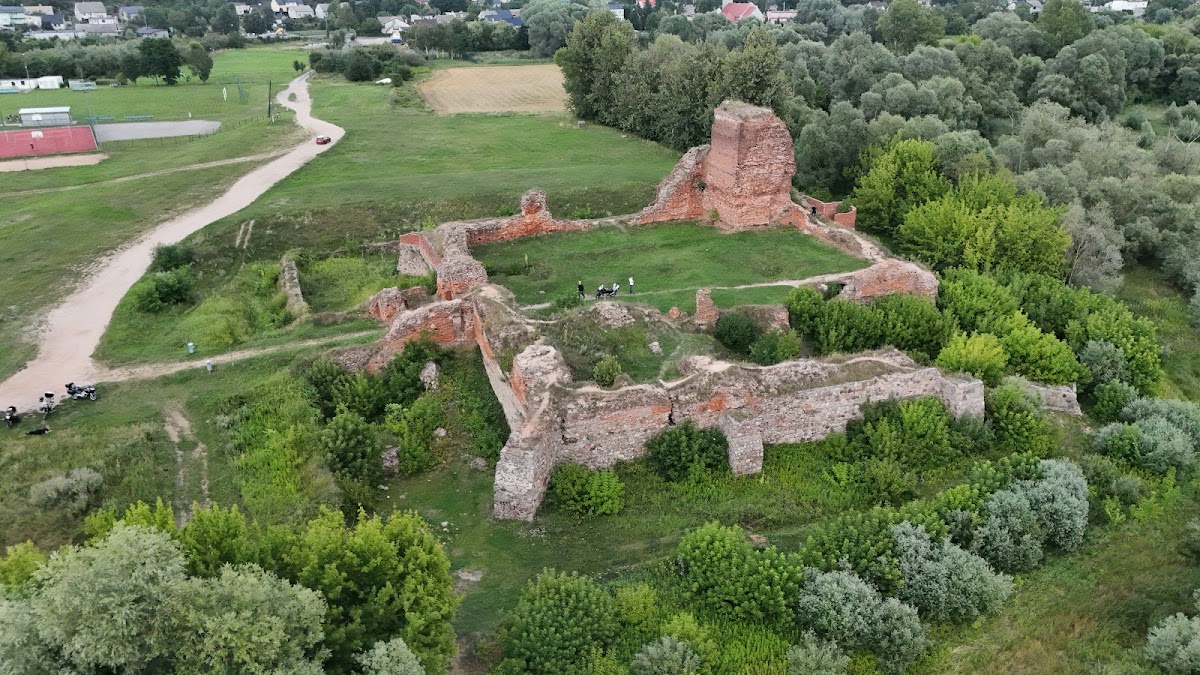
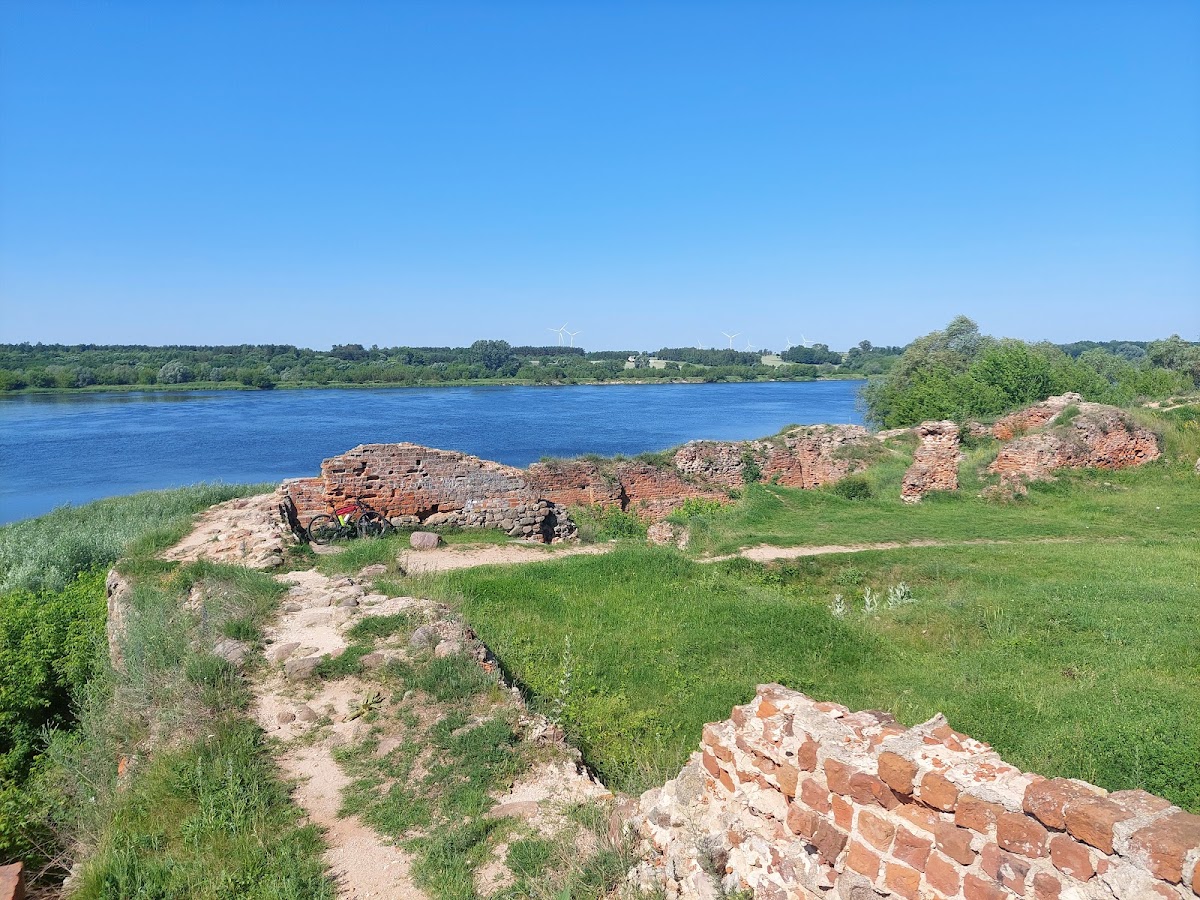
Bobrowniki Castle survives as the remains of a Gothic defensive complex organized around fortified walls and a moat. Its original plan is uncertain, with descriptions presenting it either as a two-winged structure or as a building on a square plan. A single entrance gate controlled access, and a defensive and signaling tower formed part of the fortifications.
Fortifications and surviving fabric
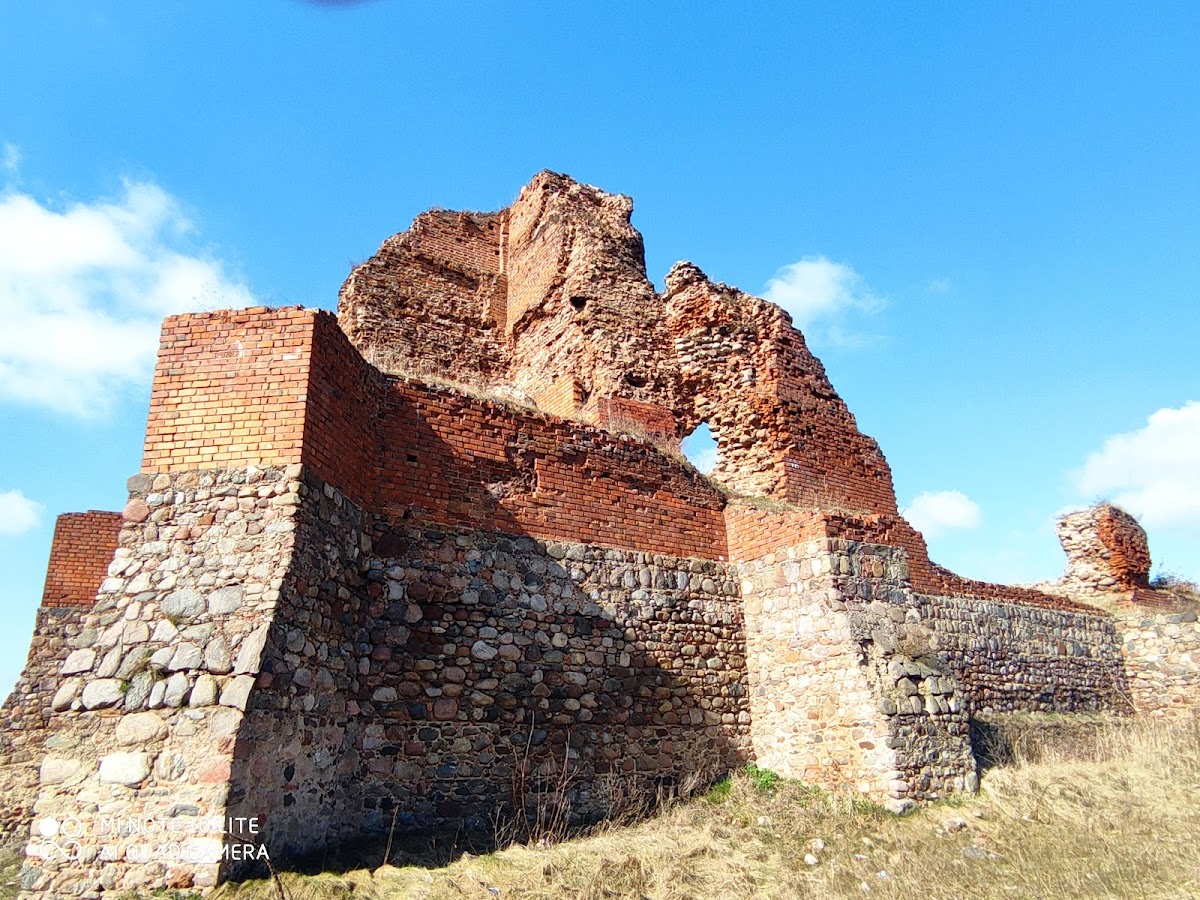
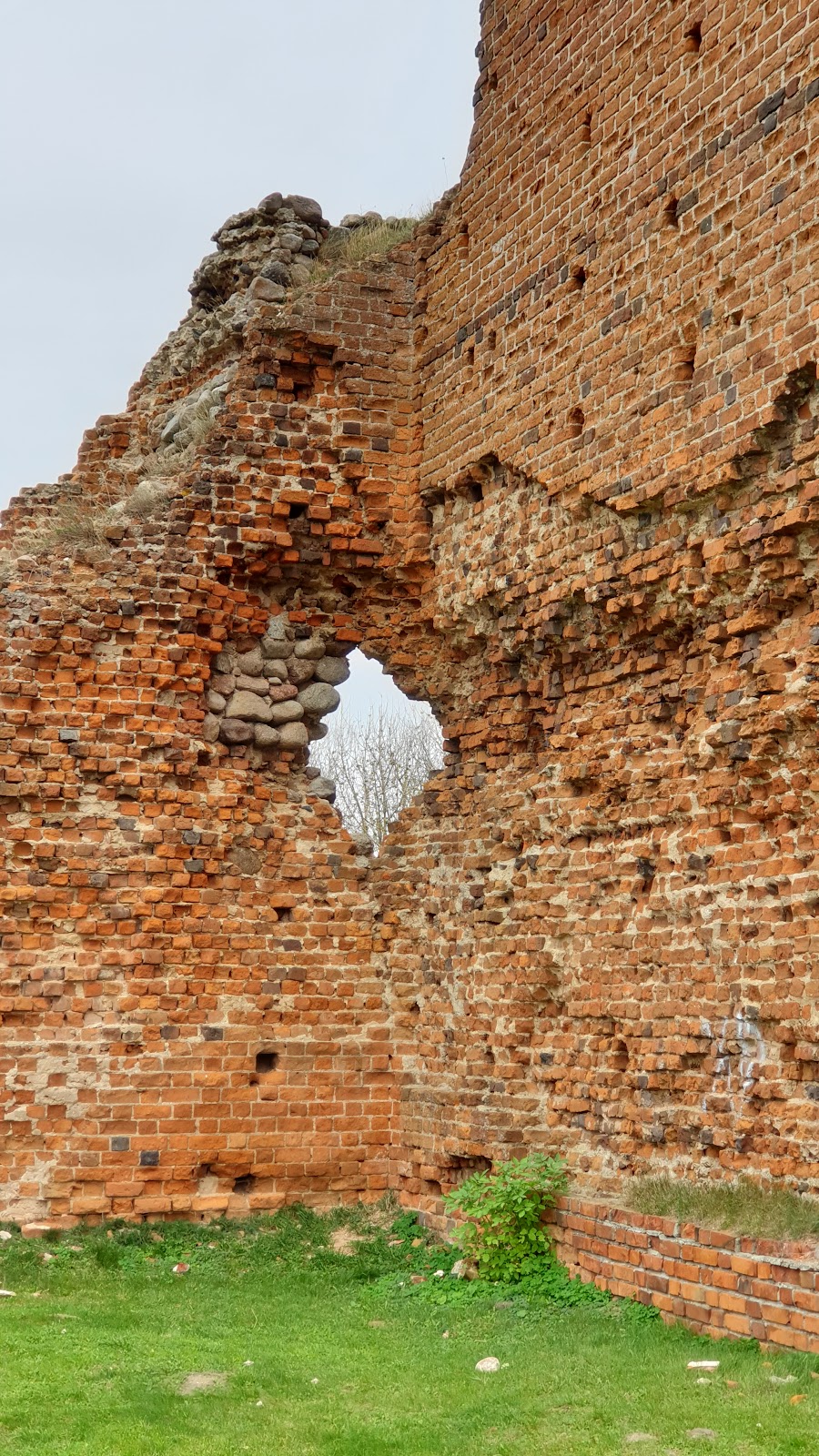
The castle enclosure was protected by defensive walls, a moat, and the entrance gate, with the tower contributing both to defense and signaling. Farm and service buildings were arranged around the main complex, reflecting the castle’s administrative and agricultural functions. Visible remains consist of sections of the defensive walls and the tower, preserving elements of the former fortified layout.