Castell Dinas: A Historic Fortified Site in Wales
Visitor Information
Google Rating: 4.5
Popularity: Very Low
Official Website: www.breconbeacons.org
Country: United Kingdom
Civilization: Celtic, Medieval European
Site type: Military
Remains: Fort
History
Castell Dinas is situated near Talgarth in Wales, and its earliest known origins lie with Iron Age communities who constructed the site as a fortified settlement. This hillfort, dating from around 600 BC to 50 AD, was designed with multiple defensive ditches to control the surrounding landscape and protect its inhabitants.
Centuries later, around the Norman Conquest, a stone castle was established on the same location between 1070 and 1075 AD. It is believed this stronghold was built by either William FitzOsbern, a prominent Norman lord, or his son Roger de Breteuil. Alternatively, some evidence suggests the de Braose family may have been responsible for its construction before 1180. Positioned to guard the vital mountain pass linking the Rhiangoll and Llynfi valleys, the castle held significant military and strategic value during this period.
After 1207, the castle became the administrative center (known as the caput) of the lordship of Talgarth following a grant by King John of England to Peter Fitz Herbert. This elevated the site’s importance within the feudal landscape of medieval Wales. However, the castle also became a focal point in regional conflicts. In 1233, it was attacked and destroyed by Llywelyn ab Iorwerth, a Welsh prince asserting his authority. The English crown responded by ordering King Henry III to rebuild the fortress, which was restored to Peter Fitz Herbert.
Throughout the 13th century, control of Castell Dinas fluctuated amid ongoing Welsh-English struggles. Between 1263 and 1268, it was seized by Llywelyn ap Gruffudd along with allied Welsh lords, reflecting continued resistance to Anglo-Norman dominance. The castle’s fortunes declined over the next two centuries, culminating in its final destruction by the forces of Owain Glyndŵr during his uprising in the mid-1400s.
Today, Castell Dinas stands as a monument to several eras of Welsh and Norman history, embodying transitions from Iron Age defence through medieval lordship and conflict.
Remains
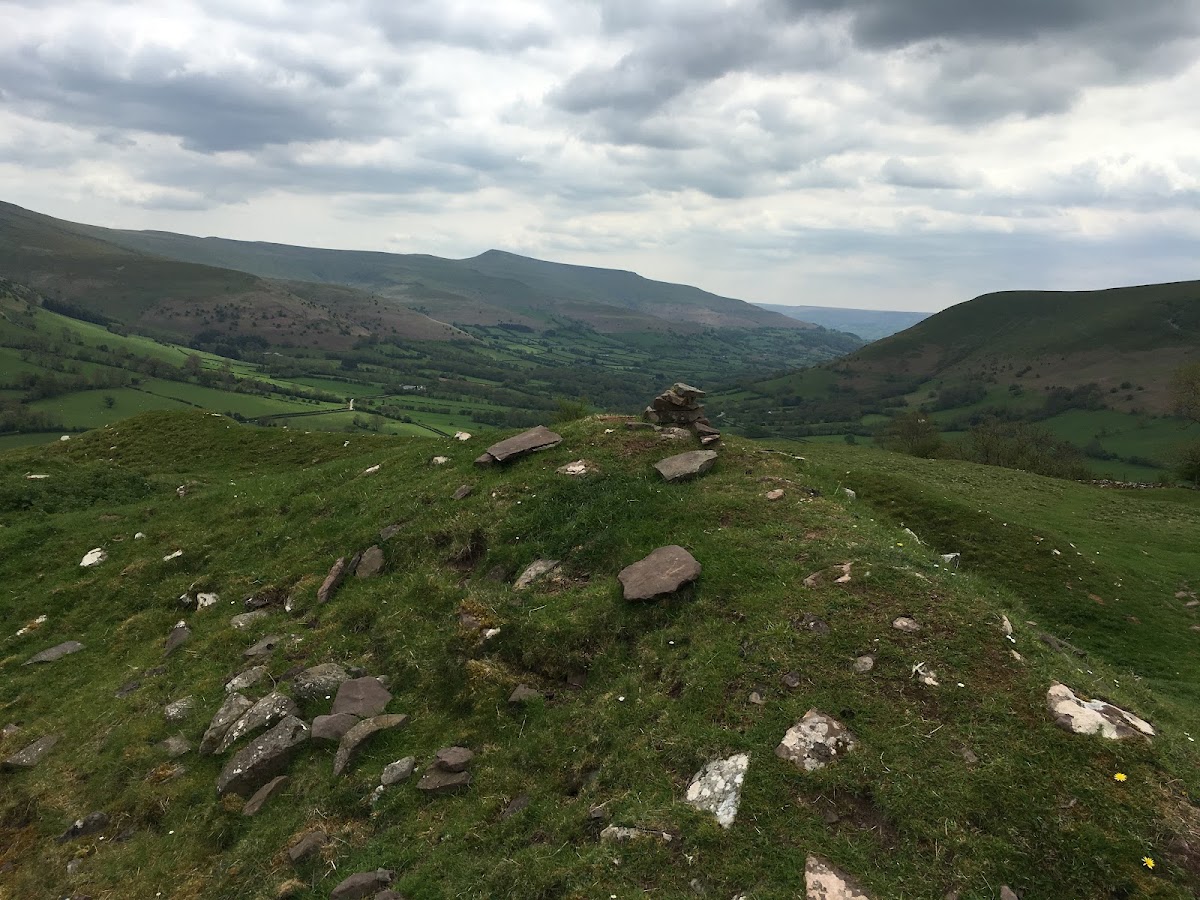
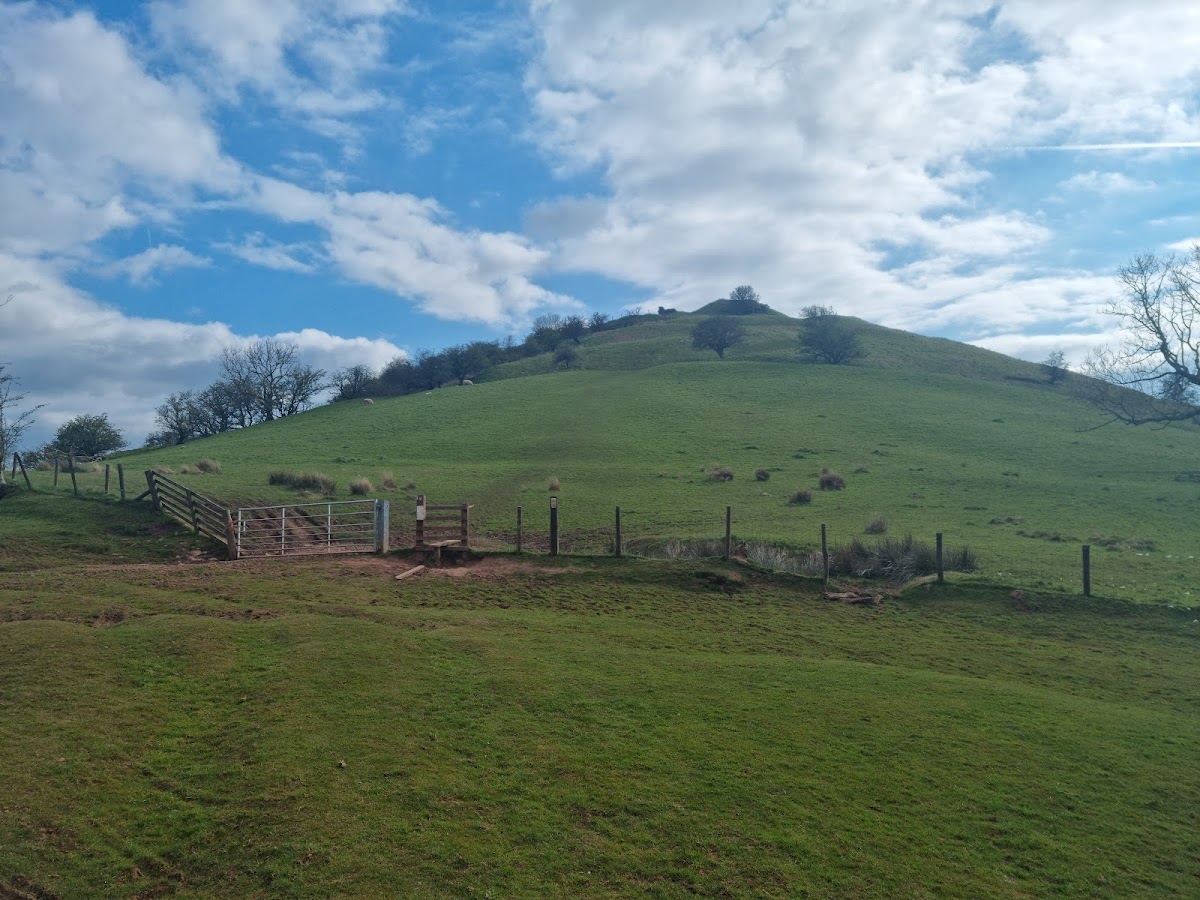
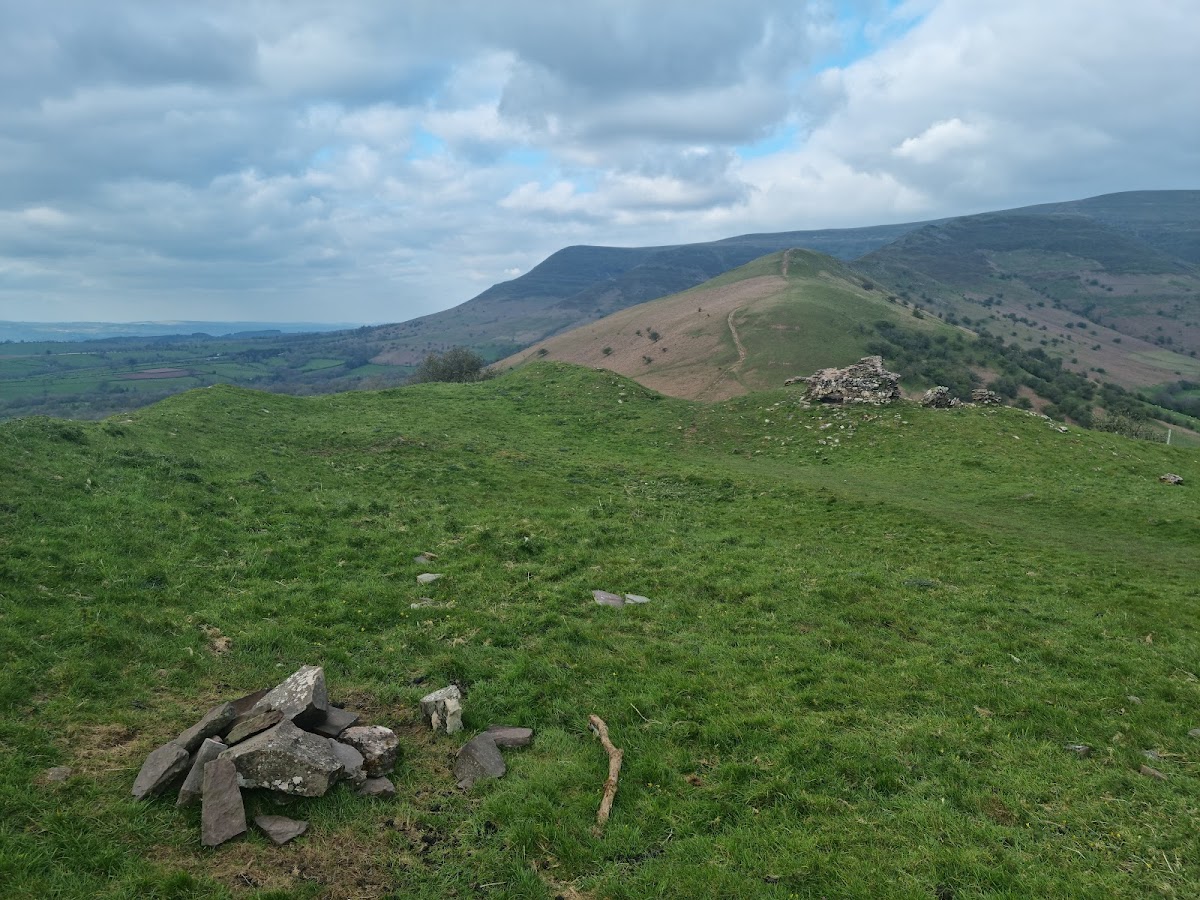
The layout of Castell Dinas reveals its long history of occupation, starting with an Iron Age hillfort characterized by multiple ditches and a defensive annex attached to the western side. These earthworks, constructed to form concentric barriers, remain visible on the site, offering insight into prehistoric defensive strategies. The ditches and ramparts survive as remnants of formidable ancient fortifications set amid the hilltop terrain.
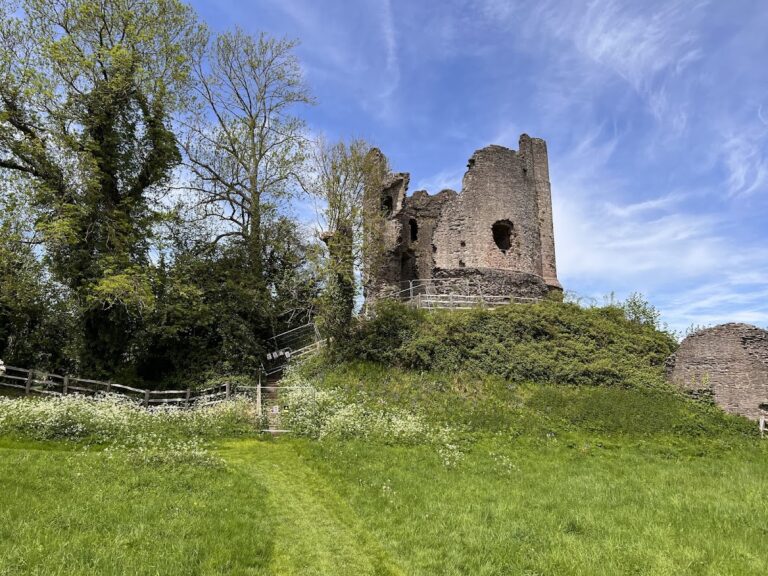
The Norman castle introduced a more permanent use of building stone rather than earth, distinguishing it from the typical motte-and-bailey castles of the time. Constructed with stone curtain walls, the castle featured several square towers that provided strong points for defense. A gatehouse or hall formed an essential element of the complex, controlling access for both military and administrative purposes. Surrounding the core was a bailey, an enclosed courtyard that supplemented the castle’s function.
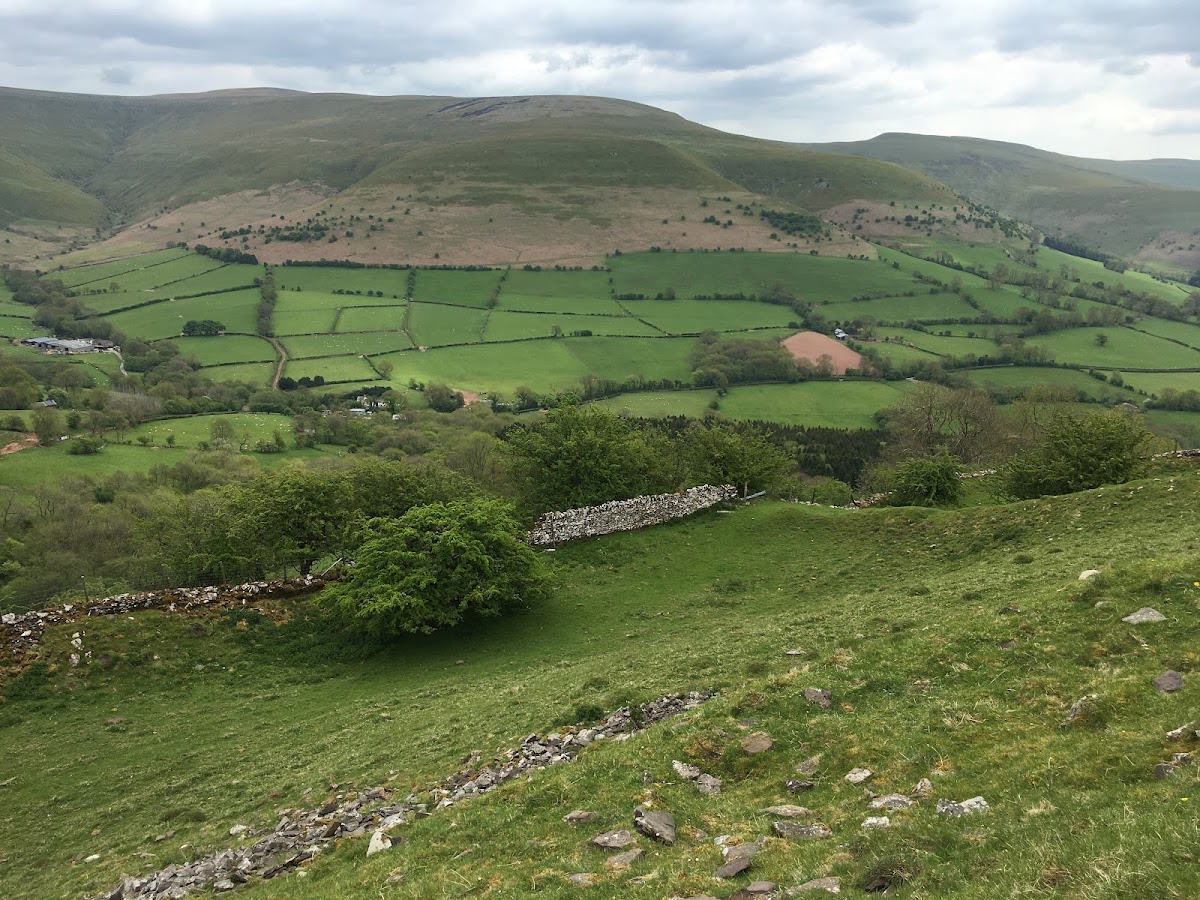
Although the stone walls now stand in ruins and are partly covered with soil, key features such as the original well remain clearly identifiable. This well would have been vital for sustaining occupants during sieges and long-term residence. The castle is located high above the valleys at roughly 450 meters (1,476 feet) elevation, making it the highest castle south of the Scottish Highlands in Britain. This commanding position allowed it to dominate the mountain pass between the Rhiangoll and Llynfi valleys, an essential route through the landscape.
Together, the surviving earthworks of the hillfort and the stone ruins of the castle illustrate the continued strategic use and transformation of this site through the Iron Age into the medieval period. The complex nature of these features highlights Castell Dinas’s role as both a fortified settlement and a medieval stronghold.
Nearby sites