Château d’Aulnois d’Aulnois-sur-Seille: A Historic Château and Community School


Site at a Glance
- Rating
- 4.2
- Popularity
- Very Low
- Country
- France
- Primary era
- Early Modern
- Eras represented
- Medieval, Early Modern
- Civilizations
- Duchy of Lorraine, Holy Roman Empire
- Site type
- Domestic
- Remains
- Castle
On this page7 sections
History
Château d’Aulnois d’Aulnois-sur-Seille is an eighteenth-century château in France, rebuilt in the classical style on the site of a medieval fortified stronghold. Its surviving medieval elements and later history reflect the changing political, military, and civic uses of the estate.
Medieval Stronghold and Eighteenth-Century Rebuilding
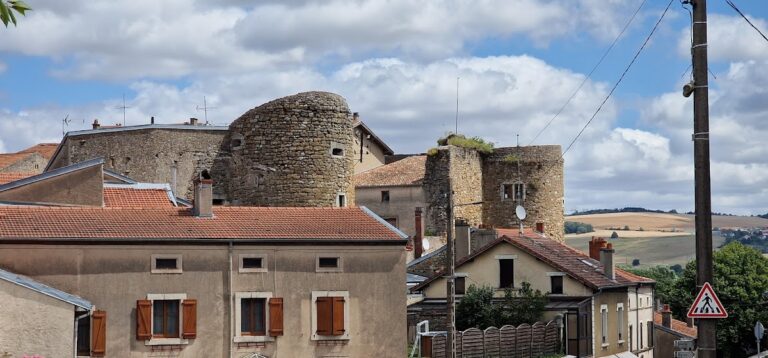
The site originally belonged to the Bishopric of Metz and served as a fortified medieval stronghold. Its defensive history continued through the survival of towers dating from the fourteenth and fifteenth centuries.
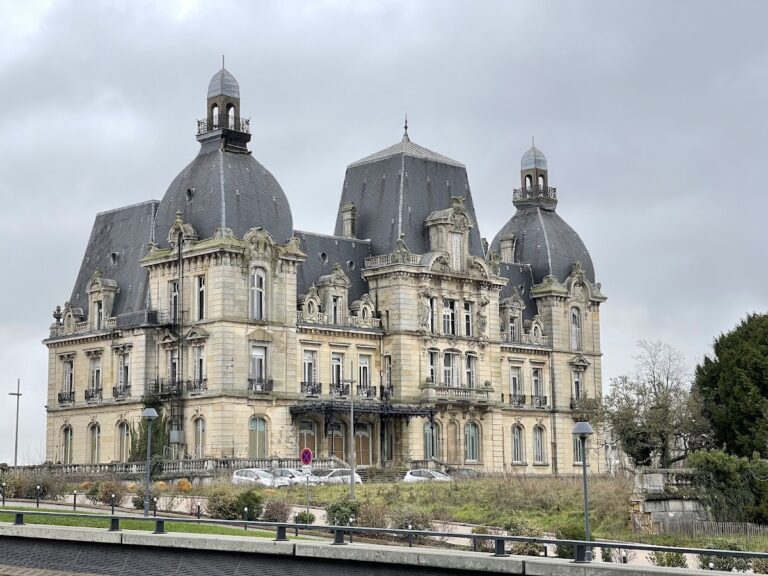
In the eighteenth century, the château was rebuilt in the classical style. Germain Boffrand, an architect associated with court and aristocratic commissions who served as the duke’s first architect, was commissioned to carry out the work. He designed the façade in 1726, using the natural terrace above the Seille as part of the château’s setting.
That same year, the Count of Armoises, who governed the children of Duke Leopold I of Lorraine and owned the château, was made Marquis of Aunoy by the duke. On 7 March 1772, Michel-Joseph de Cœurderoy, first president of the Parliament of Nancy, acquired the property. It remained with his descendants until the beginning of the twentieth century.
War Damage, School Use, and Rehabilitation
Because it stood near the combat zone of the First World War, the château suffered serious damage. Reconstruction proceeded gradually from 1920. In 1934, the Marist Brothers purchased the building and established a school and boarding school there.
During the Second World War, the château was occupied by the Hitler Youth and sustained additional damage during the battles of the Liberation. Works carried out between 1946 and 1979 restored parts of the building, after which it was abandoned.
In 1993, the SIVOM between the Seille and Nied acquired the château for rehabilitation. A SIVOM is a French intercommunal public body through which communes jointly manage services or property. The project received support from European institutions, the French state, and the Moselle departmental council. The rehabilitated château welcomed its first school year in 1999, when ownership and management passed to the SIVU of the Seille Valley, a similar grouping of nine rural communes.
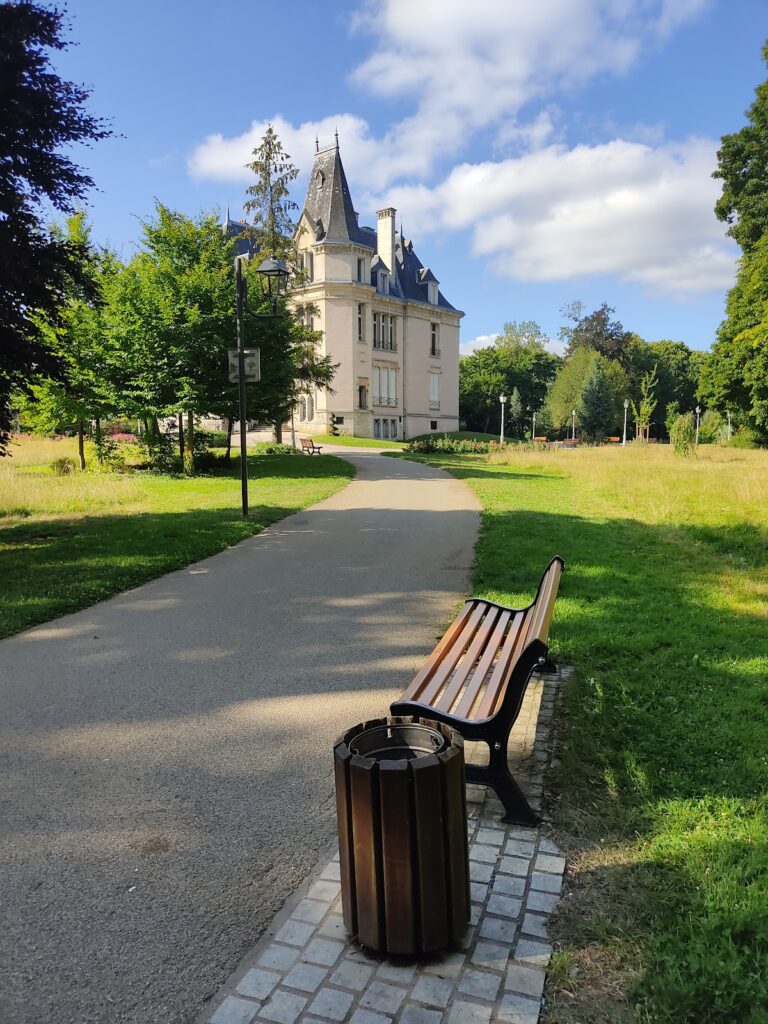
The château has been classified as a French historic monument since 1963 and additionally inscribed since 2013. It now accommodates the public École des Armoises primary school, attended by more than 150 pupils, as well as the Foyer Rural des Armoises association, which organizes cultural, sporting, and other community events.
Remains
Château d’Aulnois stands in the village of Aulnois-sur-Seille above the Seille. Its physical form combines an eighteenth-century classical residence with medieval defensive structures retained at the rear, while the building’s design incorporates the natural terrace overlooking the river.
Classical and Medieval Fabric
Eighteenth-Century Château
The principal building is the classical château rebuilt in the eighteenth century. Its façade, designed in 1726 by Germain Boffrand, forms the main expression of the later architectural phase. The building’s position on the natural terrace above the Seille was incorporated into its design, linking the residence to the site’s elevated setting.
Medieval Towers
At the rear of the château, towers dating from the fourteenth and fifteenth centuries survive from the earlier fortified stronghold. These medieval defensive elements remain integrated into the later classical building, giving the château a physical form that combines residential architecture with remnants of its fortified past.
Nearby sites