Casa de Juntas de Avellaneda: Historic Assembly Site in Sopuerta, Spain
Visitor Information
Google Rating: 4.5
Popularity: Low
Official Website: www.enkarterrimuseoa.eus
Country: Spain
Civilization: Early Modern, Modern
Site type: Civic
Remains: Palace
History
The Casa de Juntas de Avellaneda is located in the municipality of Sopuerta, Spain. This site was established by the local Basque communities as the central assembly place for the councils and valleys within the merindad of Las Encartaciones, a historic district with its own legal and administrative traditions.
The earliest reference to the site dates to 1394 when assemblies convened outdoors beneath a large oak tree in the Avellaneda fields. Noble families originally gathered here, later joined by representatives from commoner groups. These meetings were led by the Teniente Corregidor, an official appointed by the crown to oversee the region. Until the early 15th century, justice and administration in Las Encartaciones were managed by an official called the Prestamero Mayor of Vizcaya. From 1401 onward, a Teniente General or Alcalde Mayor, residing in Avellaneda, took over these judicial and administrative duties.
Las Encartaciones was structured into ten distinct republics, each governed by local customs codified in the Fuero de Uso y Costumbres of 1394. This legal code designated the Casa de Juntas de Avellaneda as the place responsible for interpreting and applying these laws. Initially, gatherings were open-air, but around the beginning of the 16th century, a dedicated building was constructed to house the meetings. By 1535, this structure featured two floors: a jail on the lower level and an assembly hall above.
The building deteriorated over time and was replaced in 1635 by a new structure, which remained in use until 1806. That year marked the dissolution of the Juntas de Avellaneda following the incorporation of Las Encartaciones into the broader Juntas Generales of Guernica, ending its regional autonomy.
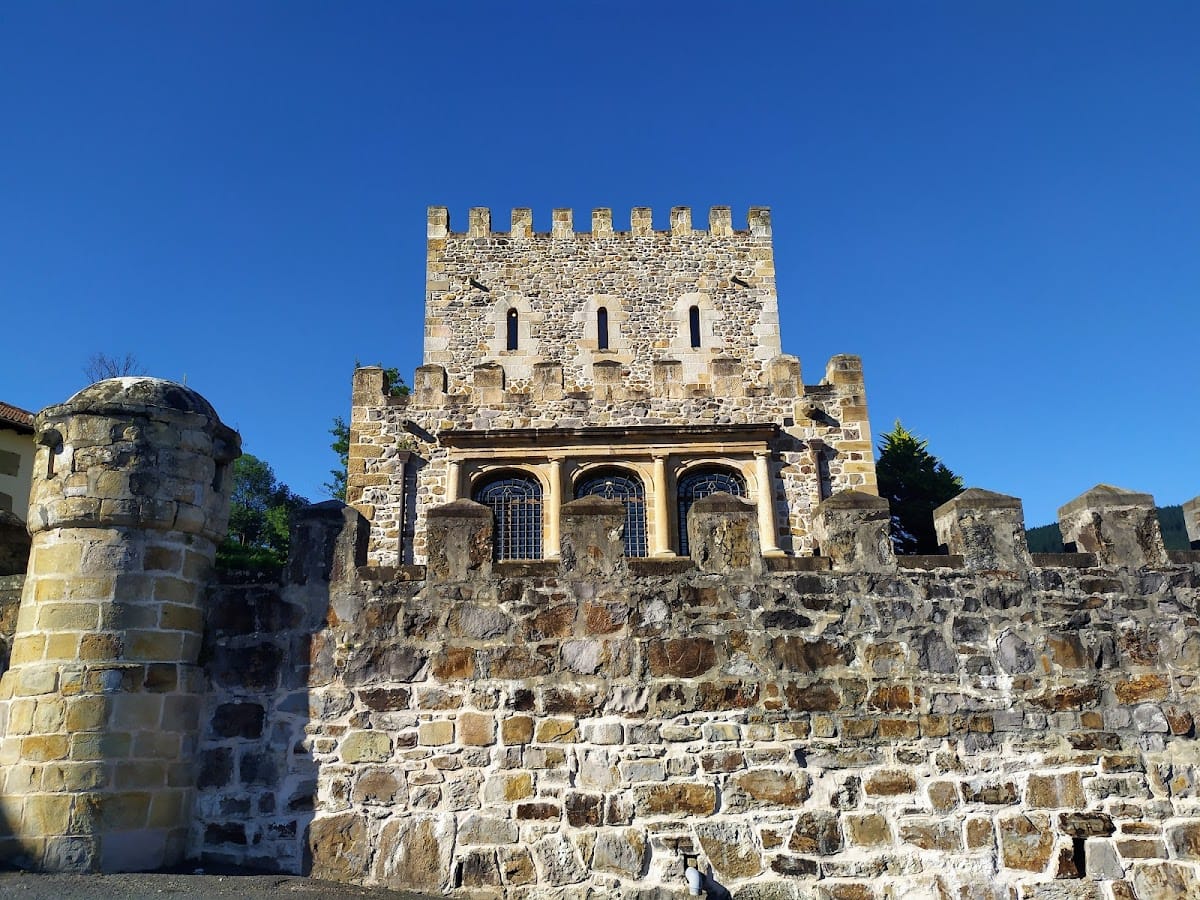
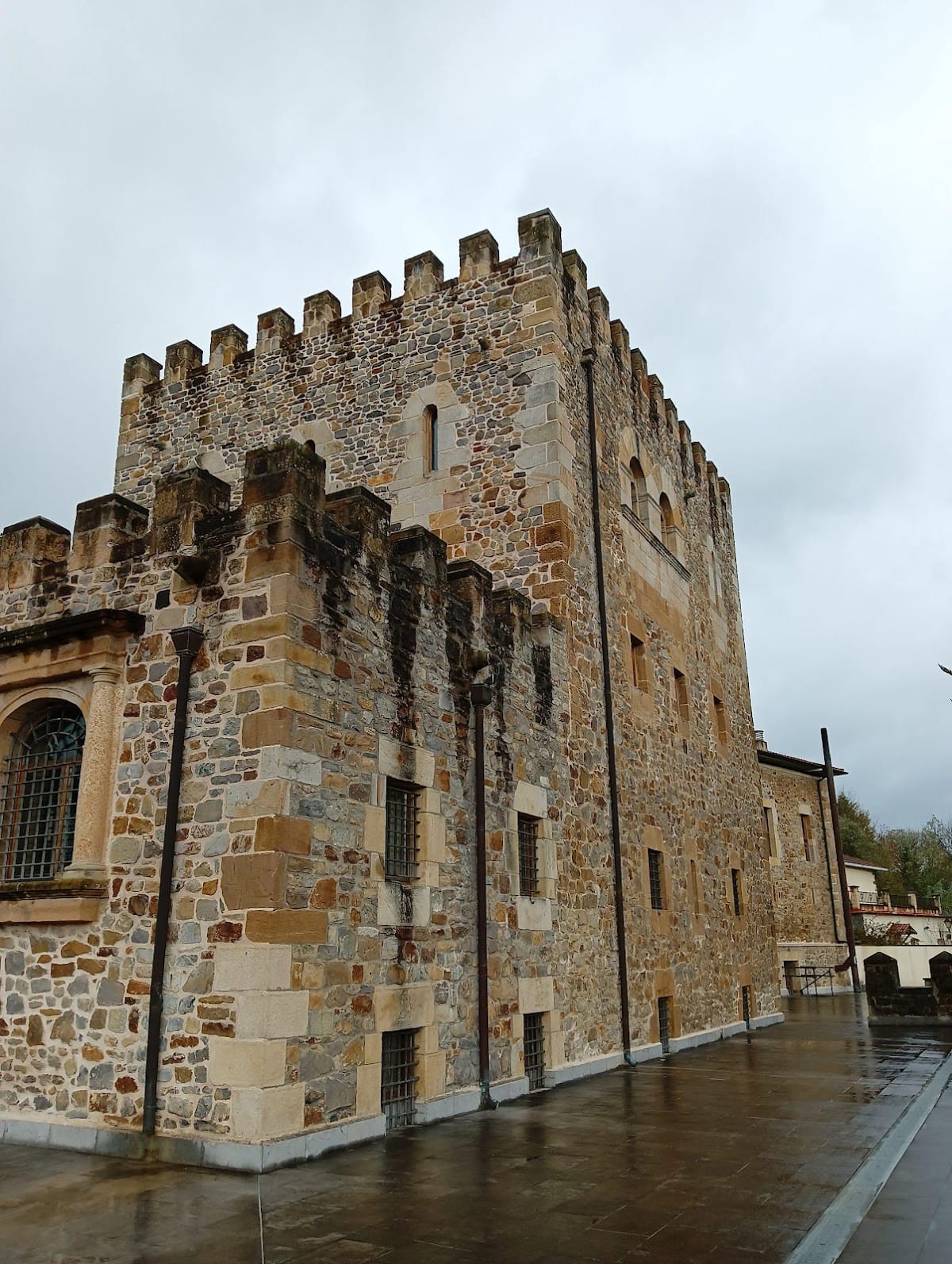
In the 20th century, the Casa de Juntas underwent several important restorations. The first, carried out in 1901 by Antonio Carlevaris, focused on preserving the building’s historic appearance. Subsequently, in 1931, Diego de Basterra adapted the space for use as a museum. A more extensive restoration took place between 1942 and 1957 under Eugenio de Aginaga, who added a third floor, battlements, and windows inspired by Romanesque and Renaissance styles. This renovation also connected the Casa de Juntas with the nearby residence of the Corregidor through a cantilevered passage.
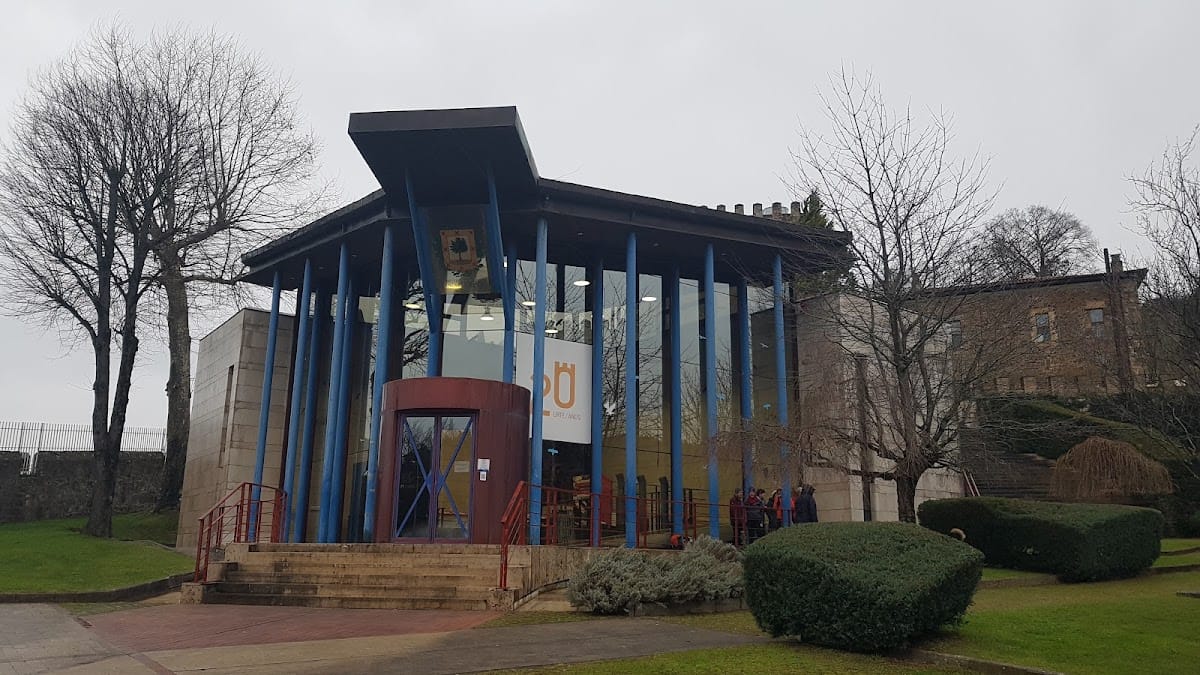
In 1989, architects Javier Muñoz and Josu Urriolabeitia added a modern extension to the site, featuring new museum galleries, administrative offices, a garden, and an auditorium. This expansion supported the opening of the Museo de Las Encartaciones in 1994, dedicated to promoting the cultural heritage and history of the region.
Remains
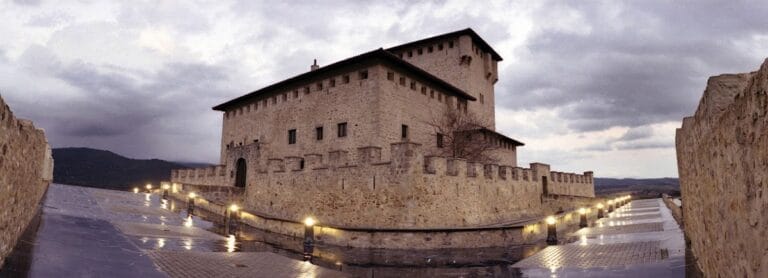
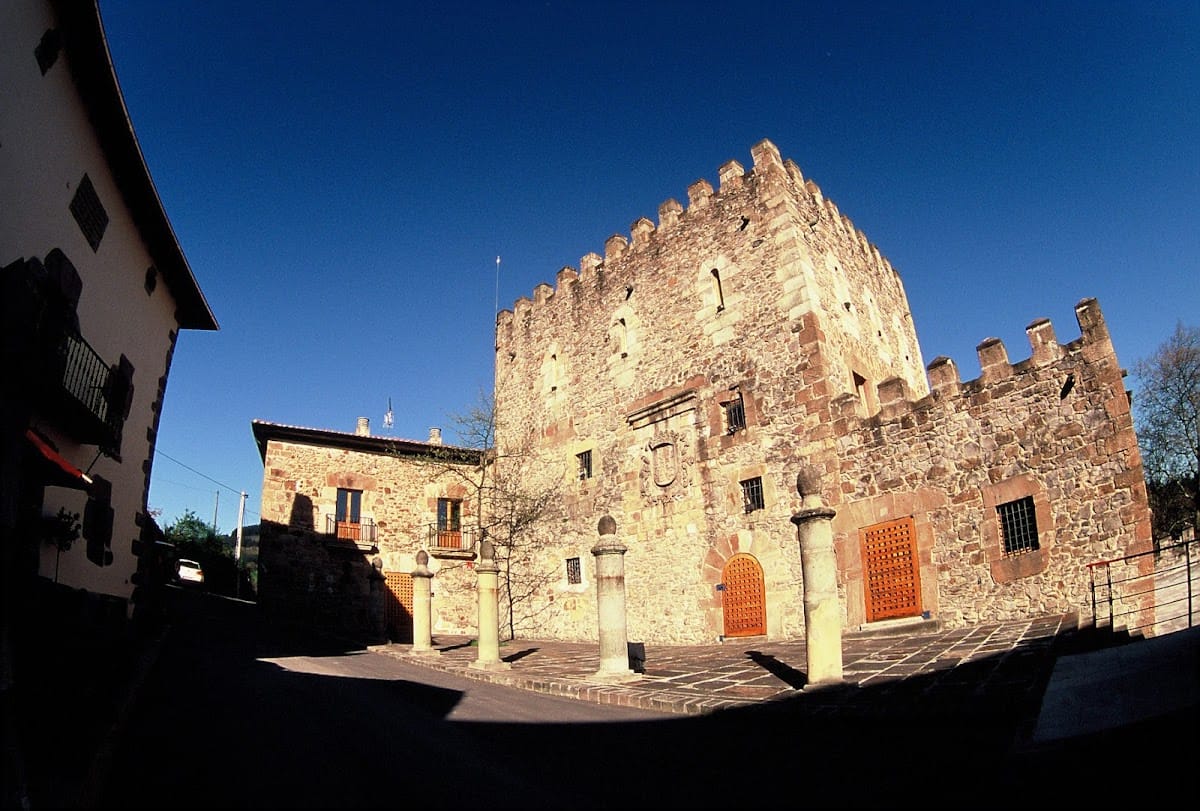
The historic complex of the Casa de Juntas de Avellaneda presents a well-preserved architectural ensemble that reflects its centuries of political and social importance. The primary building, rebuilt in 1635, follows a square layout topped with a four-sided sloping roof. Its main entrance showcases an arch topped by a coat of arms, denoting its official status.
Originally, the assembly’s first dedicated structure, completed in the early 16th century, was a two-story building featuring a jail on the ground floor with the assembly hall above. The mid-17th-century reconstruction retained a similar function but expanded the building’s form and features.
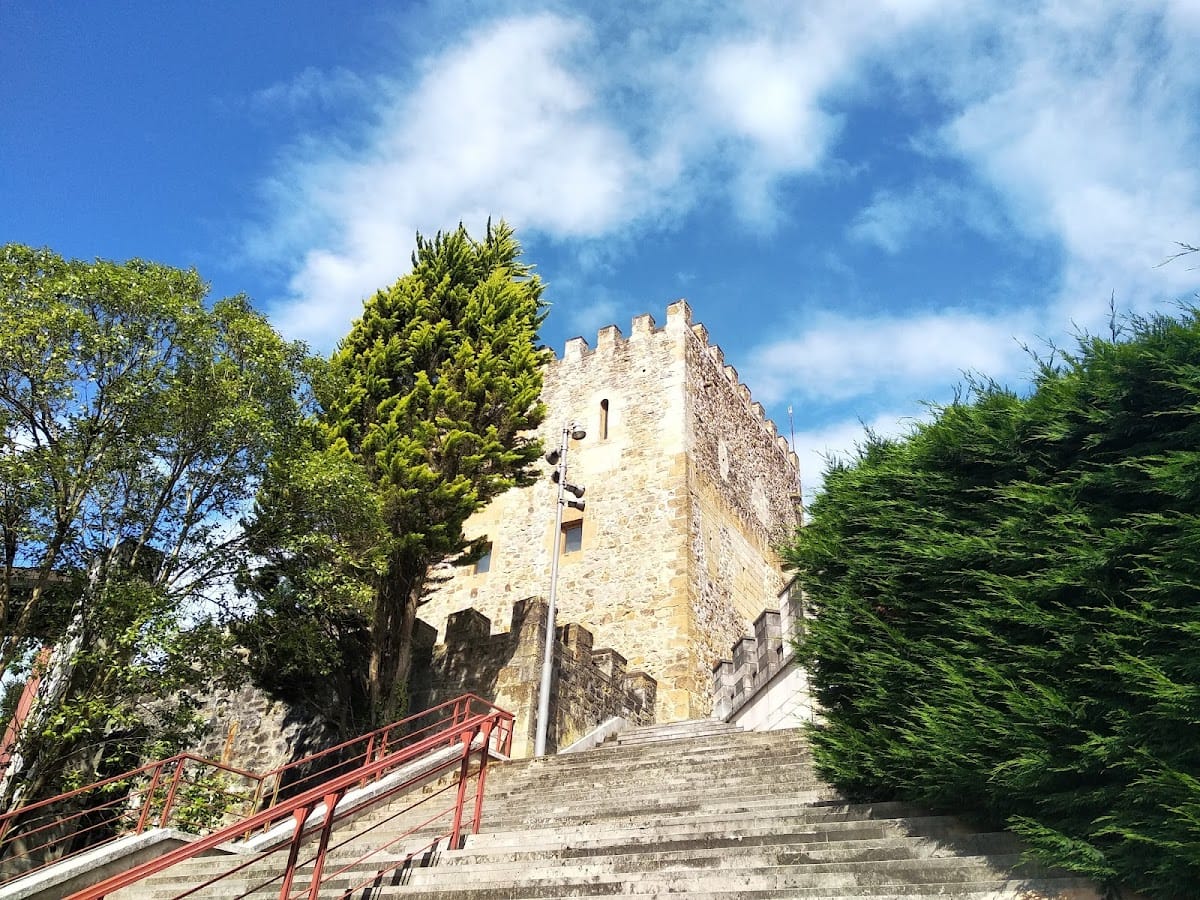
In the 20th century, restoration work preserved the exterior historic look while introducing interiors designed to evoke medieval atmospheres. This included decorations such as a spiral staircase, shields, lances, and tapestries, emphasizing the building’s historical character. Additionally, a third floor was added, and architectural elements resembling Romanesque and Renaissance windows enhanced the façade. The upper floor, battlements along the roofline, and a connecting cantilevered passage link the Casa de Juntas with the adjoining Corregidor’s house, forming a unified complex.
Nearby, the posada de junteros, built in 1771 in Baroque style, served as lodging for assembly participants. This building features a four-sloped roof and stands as a historic complement to the Casa de Juntas’ function. The hermitage of the Ángel Custodio, originally close to the site, was demolished in the same year to make way for a chapel later rebuilt in the 1960s.
The 1989 expansion introduced a modern building in front of the historic structures. This addition provides exhibition spaces for the museum, administrative offices, a garden area, and a conference hall, all designed to support the Casa de Juntas’ role as a cultural center. Today, the site preserves its monumental character as the home of the Museo de Las Encartaciones, with displays and collections that present the rich history and traditions of the Las Encartaciones region.
Nearby sites