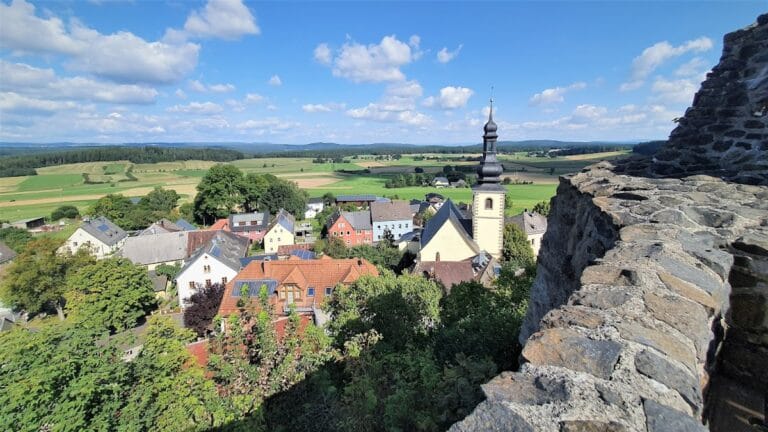
Burg Falkenberg: A Historic Hill Castle in Falkenberg, Germany
Visitor Information
Google Rating: 4.6
Popularity: Low
Official Website: www.burg-falkenberg.bayern
Country: Germany
Civilization: Early Modern, Medieval European
Site type: Military
Remains: Castle
History
Burg Falkenberg is a hill castle situated in the municipality of Falkenberg, Germany. Constructed by medieval builders, its earliest masonry traces date back to the 11th century, indicating a long-standing fortified presence in the region.
The castle was first indirectly referenced in a 1154 document mentioning a person named “Pilegrin de Valkenberch,” suggesting the existence of the fortress or settlement at that time. Originally, Burg Falkenberg was owned by the Falkenberger family, the local noble line associated with the castle’s name. In 1280, ownership transferred to the Leuchtenberg family, a prominent noble house in the area. Approximately twenty years later, around 1300, control passed to the Cistercian Waldsassen Abbey, reflecting a period when religious institutions gained influence over regional estates.
After 1486, Abbot Udalrich II Birker, a leader of the Cistercian community, chose Burg Falkenberg as his retirement residence, highlighting the castle’s use beyond military or administrative functions. By the late 16th century, specifically in 1571, the Electorate of the Palatinate assumed ownership, marking another administrative shift.
During the final phases of the Thirty Years’ War, the castle experienced military action; it was besieged and captured by Swedish forces led by General Königsmarck. This event places Burg Falkenberg within the broader context of 17th-century European conflicts.
In the early 19th century, the castle came into the possession of the Kingdom of Bavaria following secularization policies that transferred church properties to state control in 1803. Subsequently, some structural changes occurred in 1809 when a portion of the main tower, or bergfried—a tall fighting tower typical of medieval castles—was dismantled to provide building material for the local parsonage.
Decades later, Burg Falkenberg was recognized for its historical value and placed under monument protection. Between 1936 and 1939, Friedrich-Werner Graf von der Schulenburg, a former German ambassador to Moscow and notable participant in the July 20, 1944, plot to assassinate Adolf Hitler, meticulously restored the castle to reflect its historical character. Schulenburg had intended to retire there, but he was executed in 1944 for his resistance activities.
In 2008, the municipality of Falkenberg acquired the site from Schulenburg’s heirs. Following comprehensive modernization efforts, the castle officially reopened in 2015 and has been accessible for cultural use since early 2016. It is managed by the nonprofit organization Forum Falkenberg.
Remains
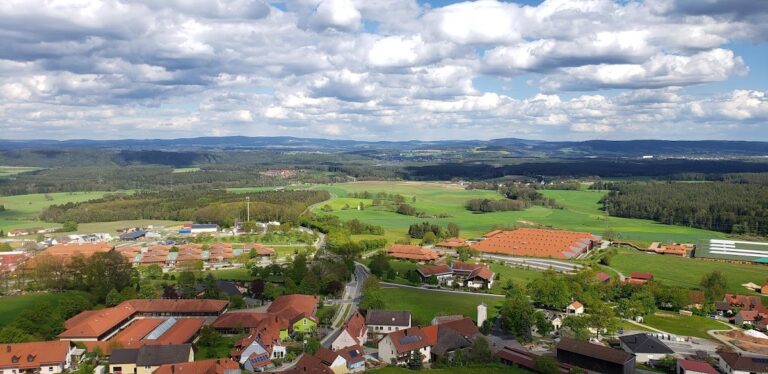
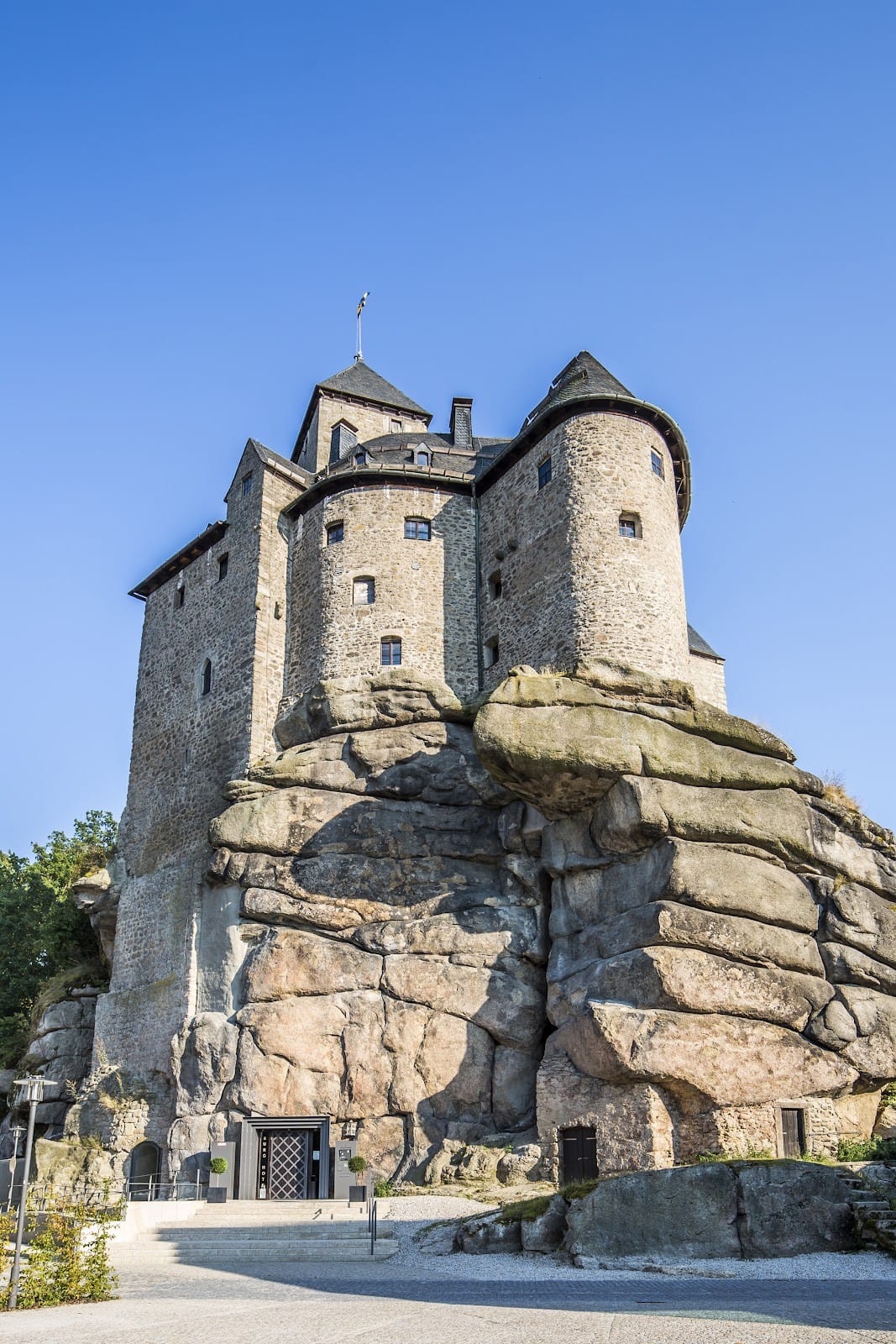
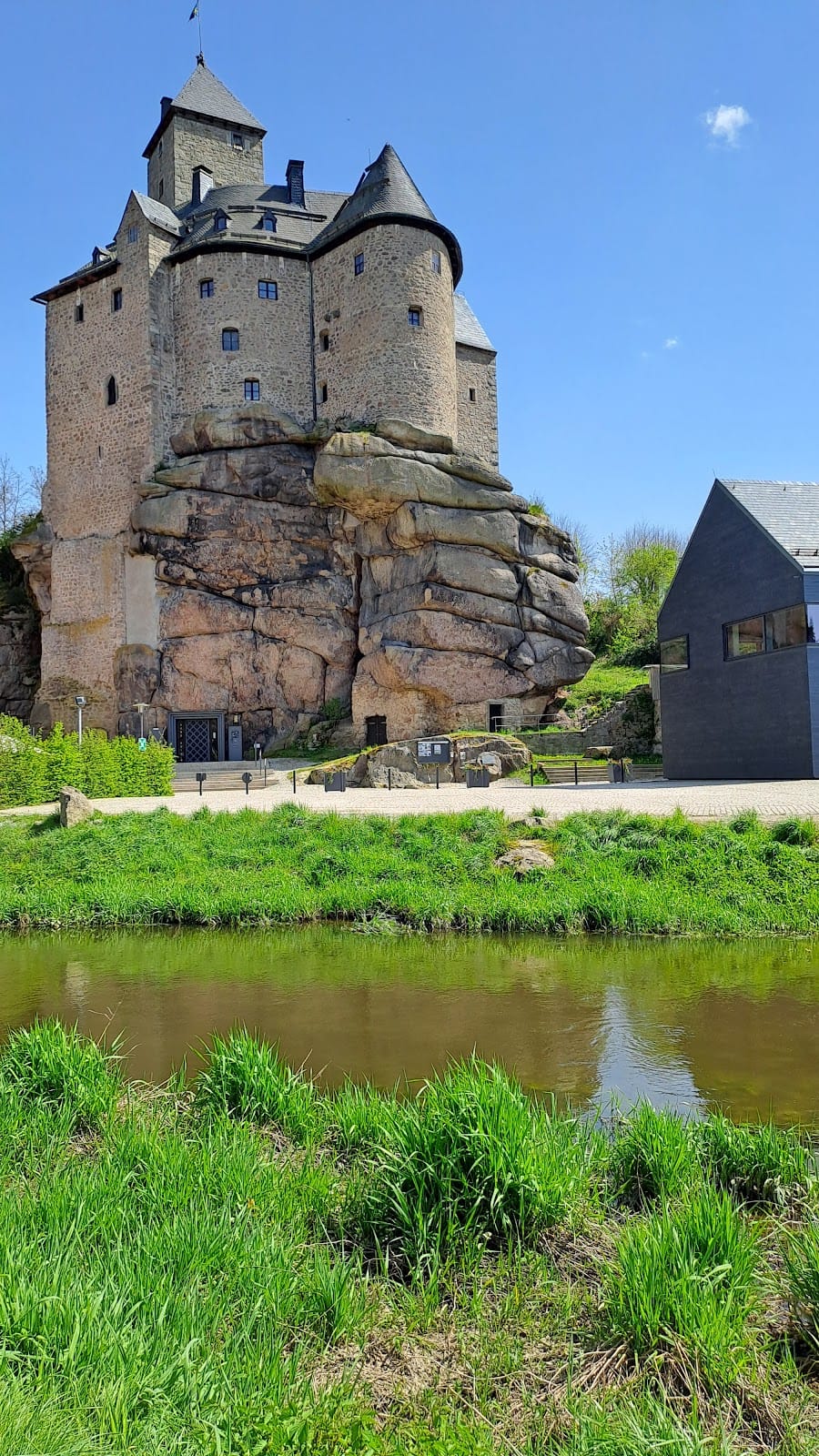
Burg Falkenberg crowns a granite hill, its structures built directly on the unique Falkenberger granite formation, renowned for its distinctive rounded weathering known as “Wollsackverwitterung,” which shapes the appearance of the natural rock foundation. This geological feature contributes both to the castle’s impressive hilltop position and its recognition as a valuable natural monument.
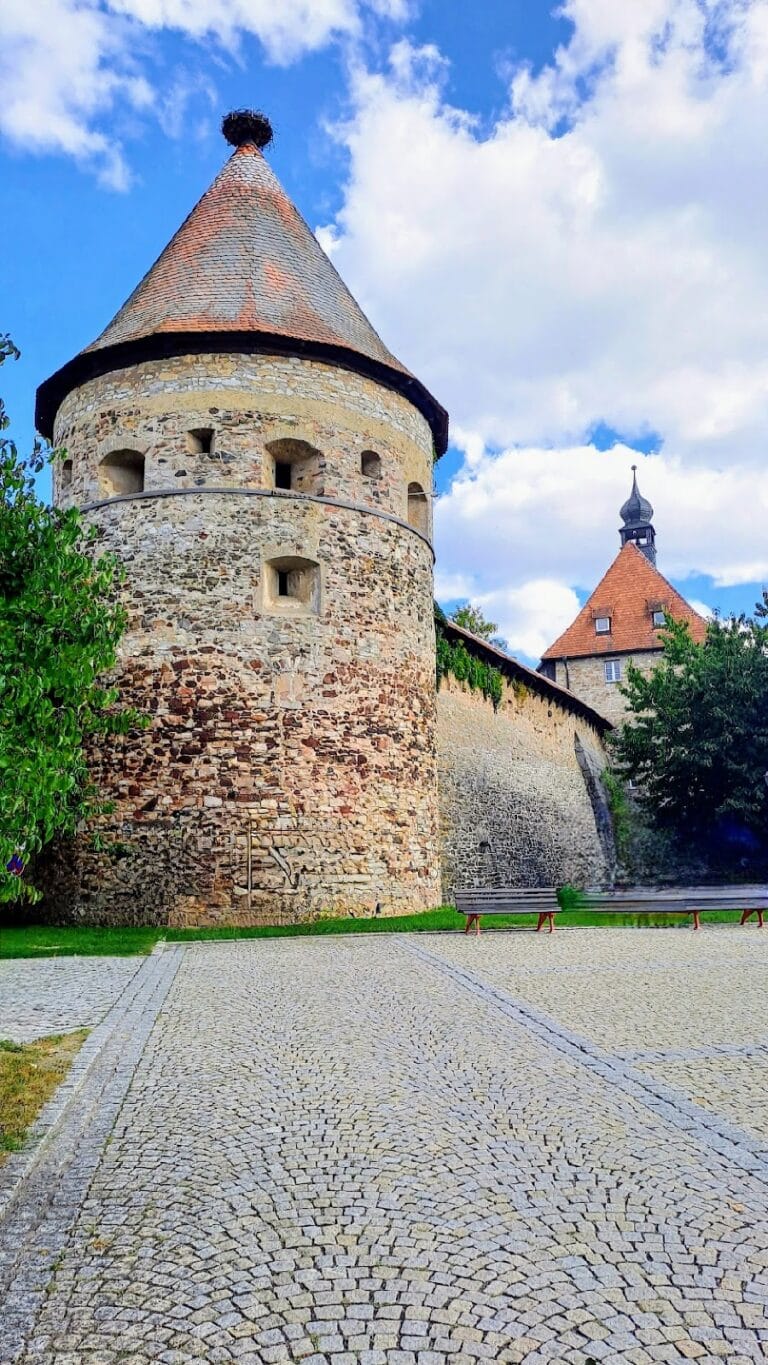
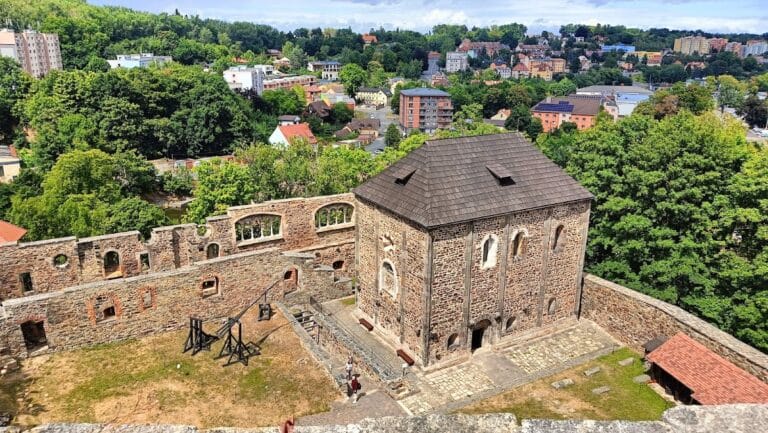
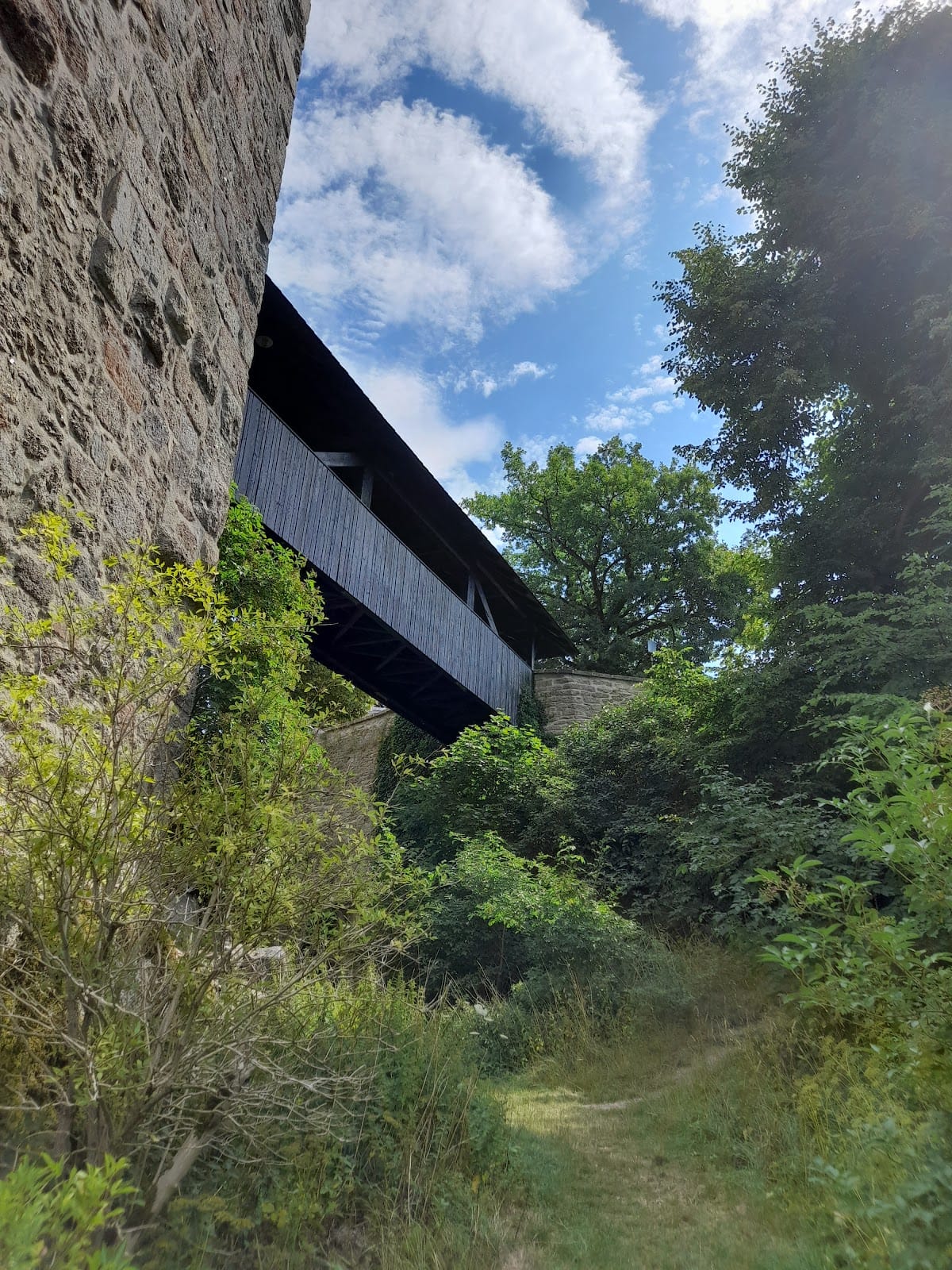
The castle complex retains fragments of medieval defensive walls and buildings, presenting evidence of multiple construction phases extending from the medieval era into the early modern period. These remains reveal the castle’s evolution over centuries and hint at earlier structures that once stood on the site.
Central to the fortress is the bergfried, originally a tall tower serving defensive and lookout purposes. In 1809, about one-third of this tower was carefully dismantled, with the stones repurposed locally, notably in the construction of the nearby parsonage. Today, the reduced tower remains in situ as a testament to the castle’s changing fortunes.
Archaeological investigations have uncovered traces of a former outer bailey—a courtyard or outer enclosure associated with additional defense or service functions—that is no longer extant above ground. This lost element underscores the castle’s original complexity and layout beyond the main fortified area.
The site has been officially recognized for its combined cultural and geological significance. It bears a heritage protection code ensuring preservation of both archaeological remains and the natural granite outcrop. In recent years, restoration efforts have adapted parts of the castle’s upper floor into eight uniquely designed rooms offering views of the surrounding landscape, along with a modern event and conference facility positioned nearby. A museum within the castle is dedicated to Friedrich-Werner Graf von der Schulenburg, interpreting his life and the castle’s role in 20th-century history.
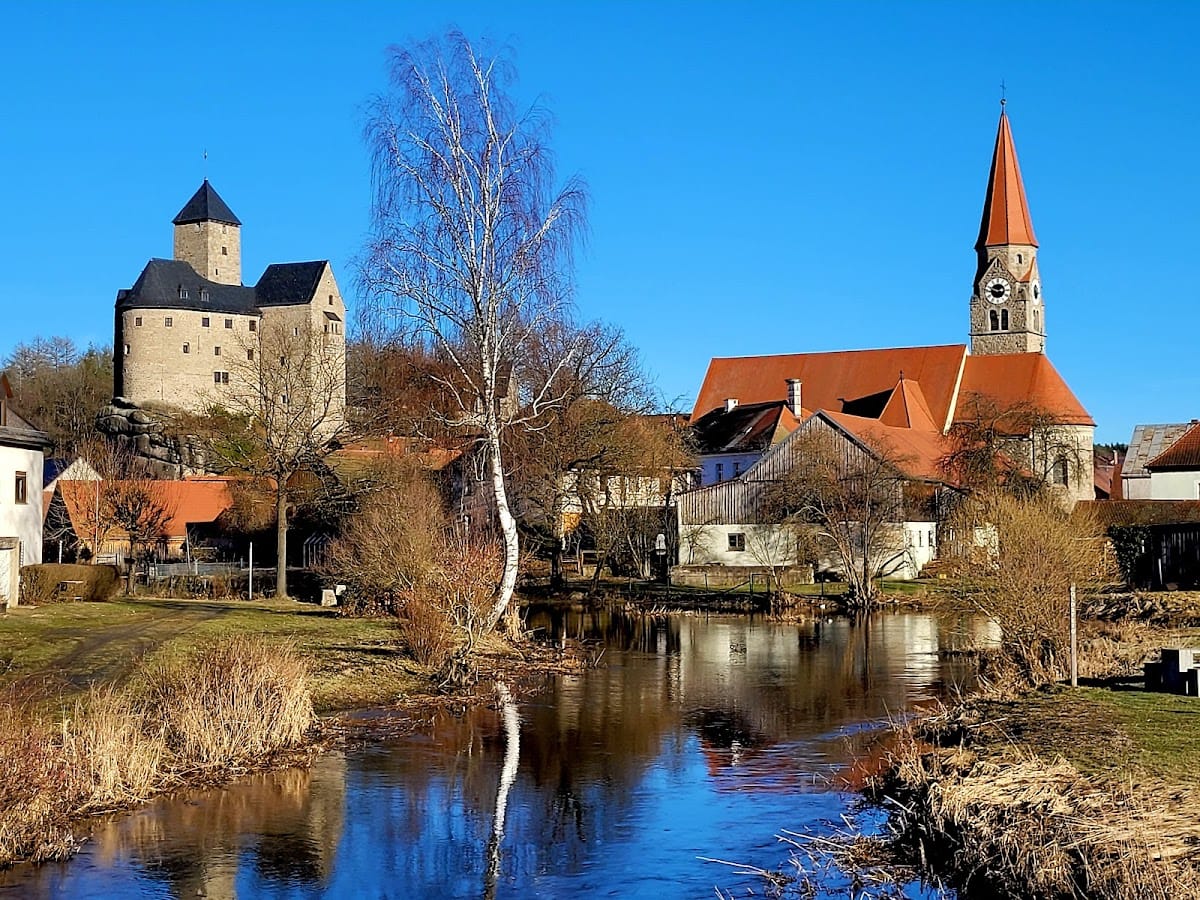
Burg Falkenberg stands registered as a protected architectural monument, highlighting its value as both a historic fortress and a cultural site. The surviving elements convey a narrative of medieval construction, ecclesiastical use, military conflict, and modern restoration within a striking natural setting.
Nearby sites