Burg Parkstein: A Medieval Hilltop Fortress in Germany


Site at a Glance
- Rating
- 4.6
- Popularity
- Very Low
- Country
- Germany
- Primary era
- Medieval
- Eras represented
- Medieval
- Civilizations
- Holy Roman Empire
- Site type
- Military
- Remains
- Castle
On this page10 sections
History
Burg Parkstein is a medieval hilltop fortress in Germany, established around 1000 on the summit of the Parkstein basalt cone. It developed into one of the largest castles in the Upper Palatinate and occupied a prominent position within the settlement of Parkstein.
Foundation and Medieval Lords
A local legend connects the castle’s foundation with an imperial hunting party. According to the tradition, one of its members noticed the striking hill while pursuing a boar and chose the site for a fortress. This story is separate from the historical evidence for the castle’s establishment.
The fortress was destroyed by fire in 1052 and then rebuilt. After this reconstruction, ministeriales, members of the medieval service nobility who carried out administrative and military duties for powerful lords, lived there as the Lords of Parkstein under the Counts of Sulzbach. Later holders included Frederick Barbarossa in the twelfth century and Duke Otto II of Bavaria from 1251. The castle subsequently came under the control of the Imperial City of Nuremberg, the Kingdom of Bohemia, the Leuchtenbergers, and finally the Wittelsbach dynasty, whose branches ruled Bavaria and associated territories.
The Parkstein-Weiden Condominium
After the Bavarian War, Parkstein became part of the condominium of Parkstein-Weiden from 1421 to 1714. A condominium was a territory governed jointly by two political authorities. The Electorate of Brandenburg and the Electoral Palatinate shared administration, although the balance of ownership changed over time.
In 1505, Brandenburg’s portion passed to the Duchy of Palatinate-Neuburg, and in 1615 it became part of Palatinate-Sulzbach. Wolfgang Wilhelm of Palatinate-Neuburg acquired the Electoral Palatinate’s share in 1623. During the Thirty Years’ War, the major European conflict fought from 1618 to 1648, the castle increasingly fell into disrepair. The condominium ended in 1714, when Palatinate-Neuburg sold its share to Palatinate-Sulzbach.
Demolition and Later Use
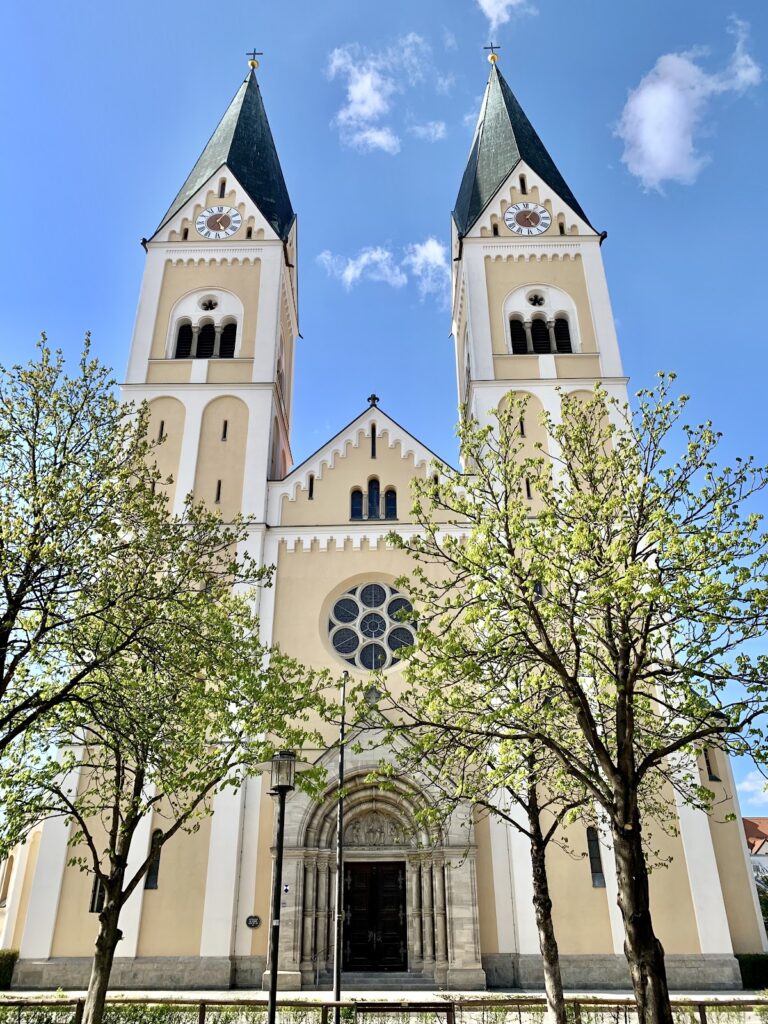
Demolition of the fortified castle began in the middle of the eighteenth century. In 1756, dressed stone blocks from the powder tower were reused in the construction of the tower of the parish church at Weiden. After a fire destroyed the town of Parkstein shortly before 1835, the settlement was rebuilt with substantial material taken from the surviving fortress remains.
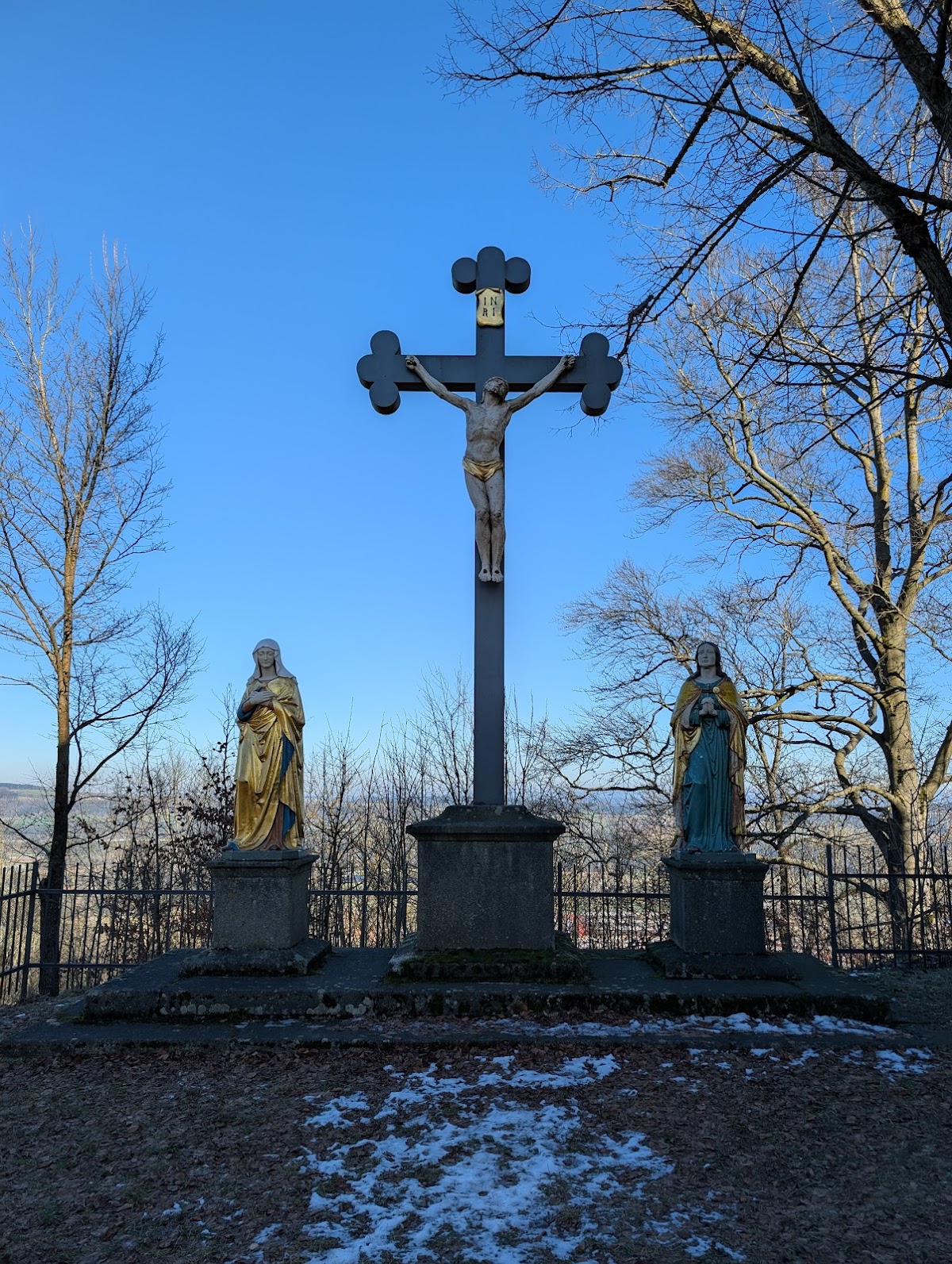
A chapel was erected on the summit in 1851, replacing the former castle there. Burg Parkstein is protected as a Bavarian architectural monument. Archaeological remains from the medieval castle area, together with a hilltop settlement from the Urnfield period, a later Bronze Age period associated with cremation burials in urns, are listed as an archaeological monument.
Remains
Hilltop Setting and Construction
Burg Parkstein was a spur castle built on the summit of the Parkstein basalt cone, within the settlement of Parkstein, at about 595 metres above sea level. Its walls were constructed from rough basalt stone. The steep slopes of the cone formed the setting for the fortress, whose surviving remains occupy the elevated former castle area.
A seventeenth-century copper engraving by Matthäus Merian shows the castle together with the settlement of Parkstein. The image provides a historical view of the fortress before the later dismantling and reuse of its building material.
Surviving Fortress Features
Wall Fragments and Lower Courtyard
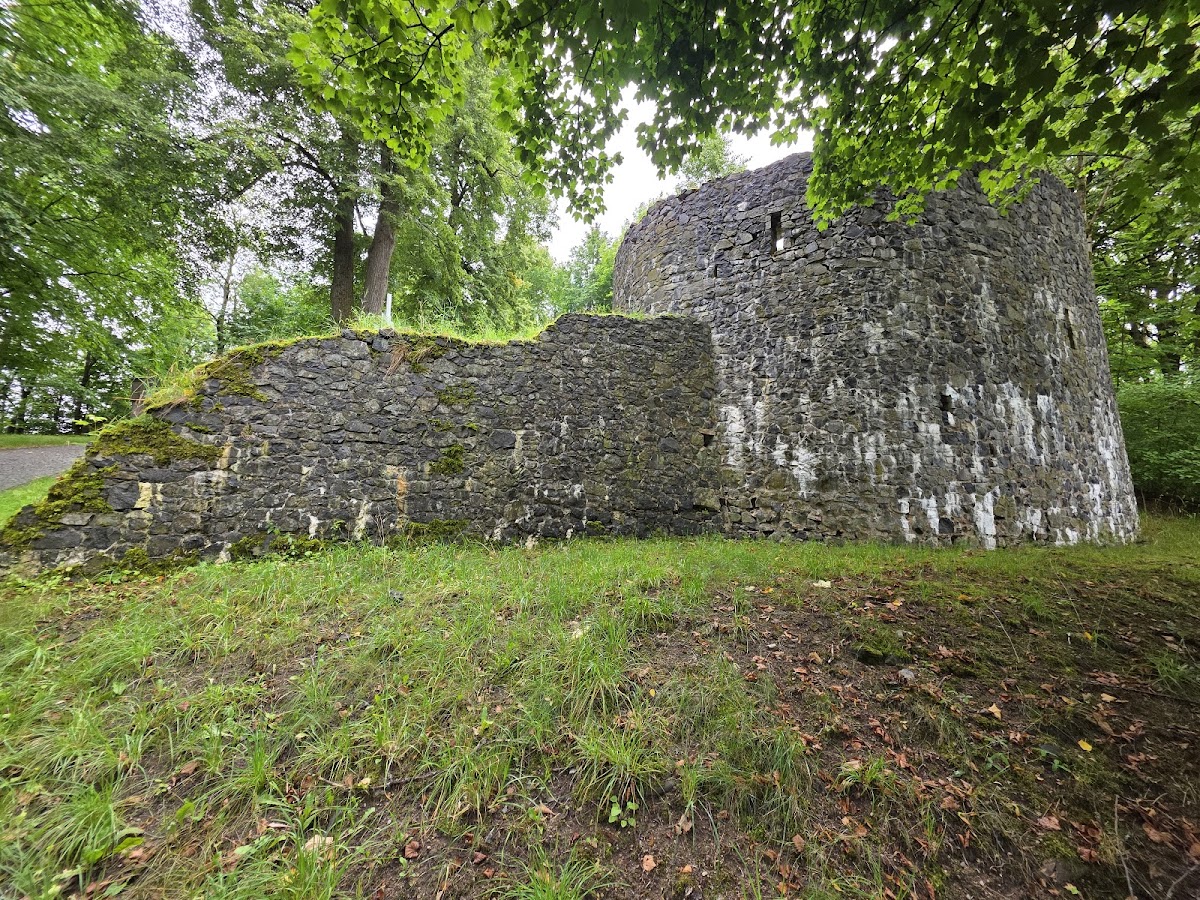
The physical remains include sparse fragments of the castle walls and the remains of two rondels, round projecting defensive structures, in the former lower fortified courtyard. These remnants stand on the steep slope of the basalt cone and represent parts of the fortress’s defensive arrangement.
Powder Tower Masonry
The former powder tower supplied dressed stone blocks for the tower of Weiden’s parish church in 1756. This reuse links the surviving architectural history of Burg Parkstein with a later building in the surrounding region.
Summit Chapel
The chapel built on the summit in 1851 occupies the place of the former castle. It forms part of the later physical history of the hilltop, where the fortress remains are preserved alongside the post-castle structure.