Arnstein Castle Ruins: A Medieval Fortress near Maria Raisenmarkt, Austria
Visitor Information
Google Rating: 4.7
Popularity: Very Low
Country: Austria
Civilization: Medieval European
Site type: Military
Remains: Castle
History
The Arnstein ruins stand near the municipality of Maria Raisenmarkt in Austria, originally constructed by medieval Austrian nobility. The castle was first recorded in 1170 when Wichard von Arnstein, who held local fiefs, founded and owned it. For several centuries, the Arnstein family maintained control over the fortress, establishing it as a notable stronghold in the region until the 14th century.
Beginning in 1329, ownership transferred through various hands, reflecting the shifting dynamics of regional power. The castle most likely met its destruction during the First Siege of Vienna in 1529, when Ottoman forces laid siege to the city, after which the castle was never rebuilt. During the 17th century, the noble Wolzogen family acquired the property and subsequently sold it to Emperor Ferdinand II. Later, in the 19th century, the estate passed to the Sima family and then to the Counts of Wimpffen.
Local traditions tell of a harsh Mistress of the castle, a figure associated with a legend that links her punishment to the founding of the nearby Maria Raisenmarkt church. Over time, residents repurposed stones from the ruined castle to build this church, embedding the castle’s remains into the community’s religious heritage. In the late 1800s, archaeological interest arose after human bones were uncovered in the castle’s dungeon and ancient animal bones were discovered in a nearby cave, suggesting long-term historical significance at the site.
Remains
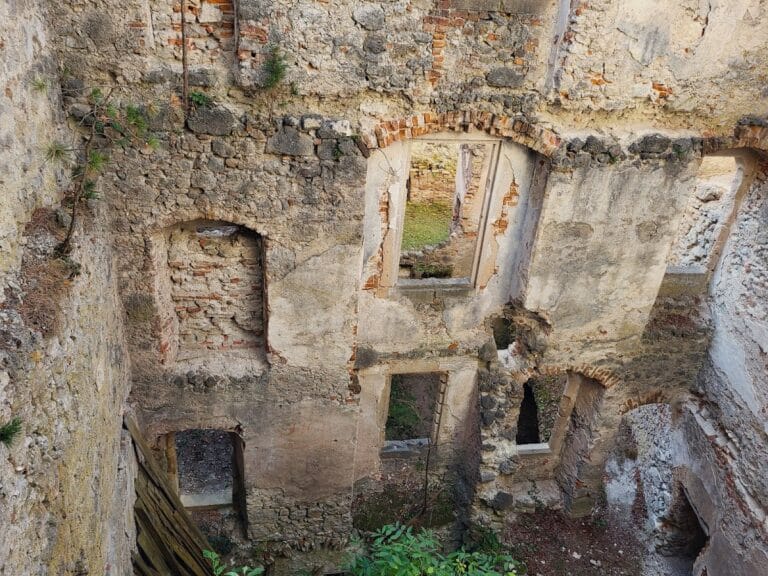
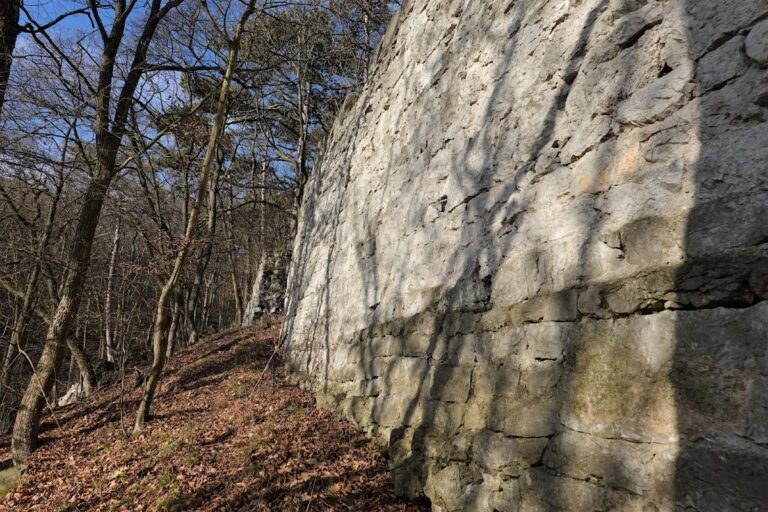
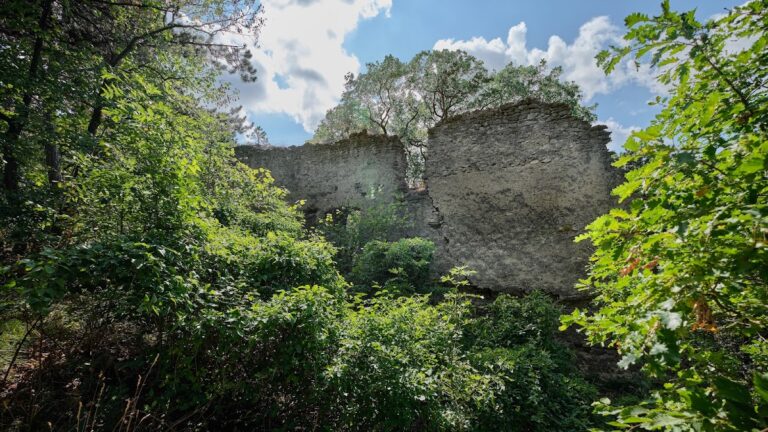
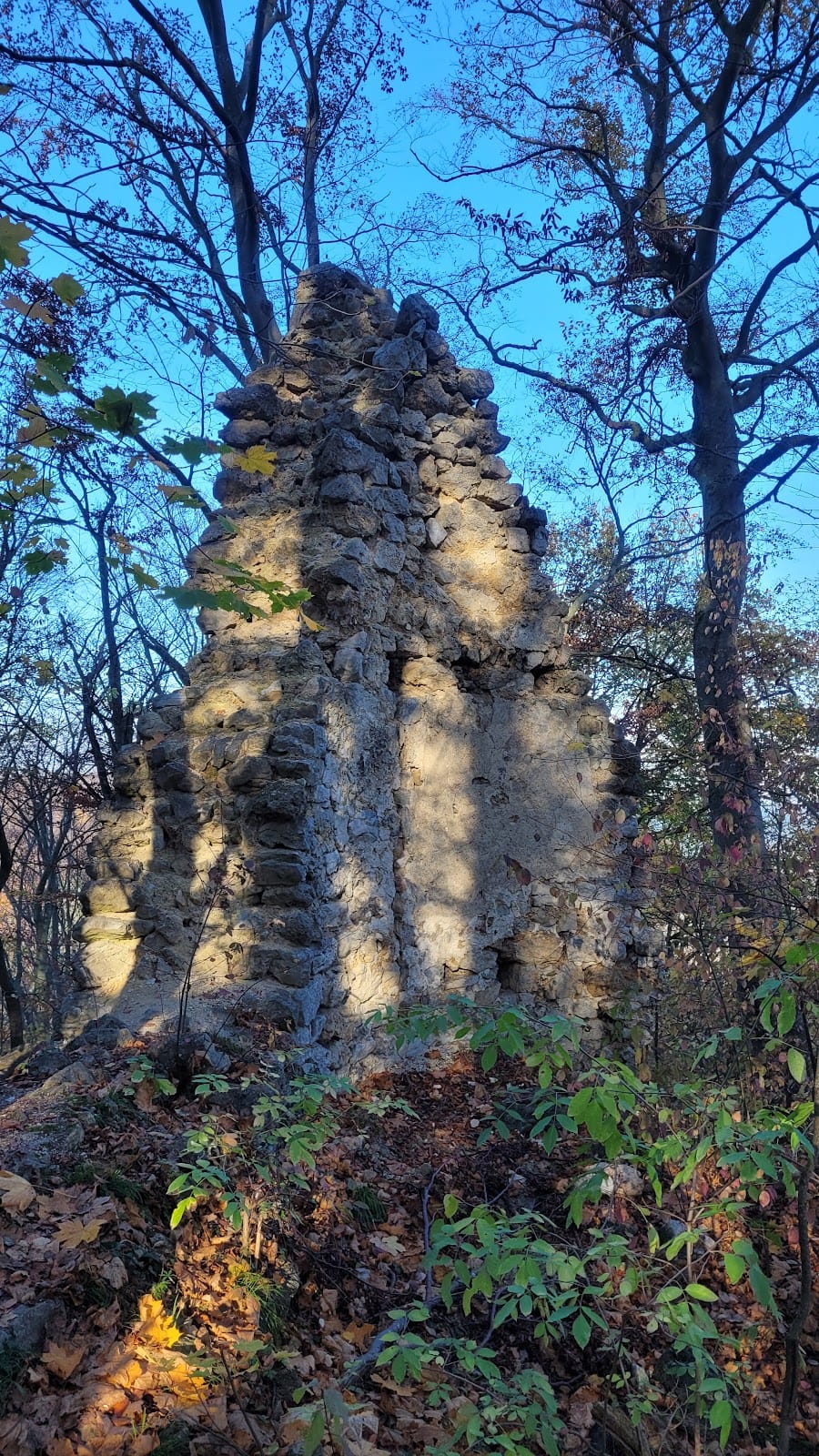
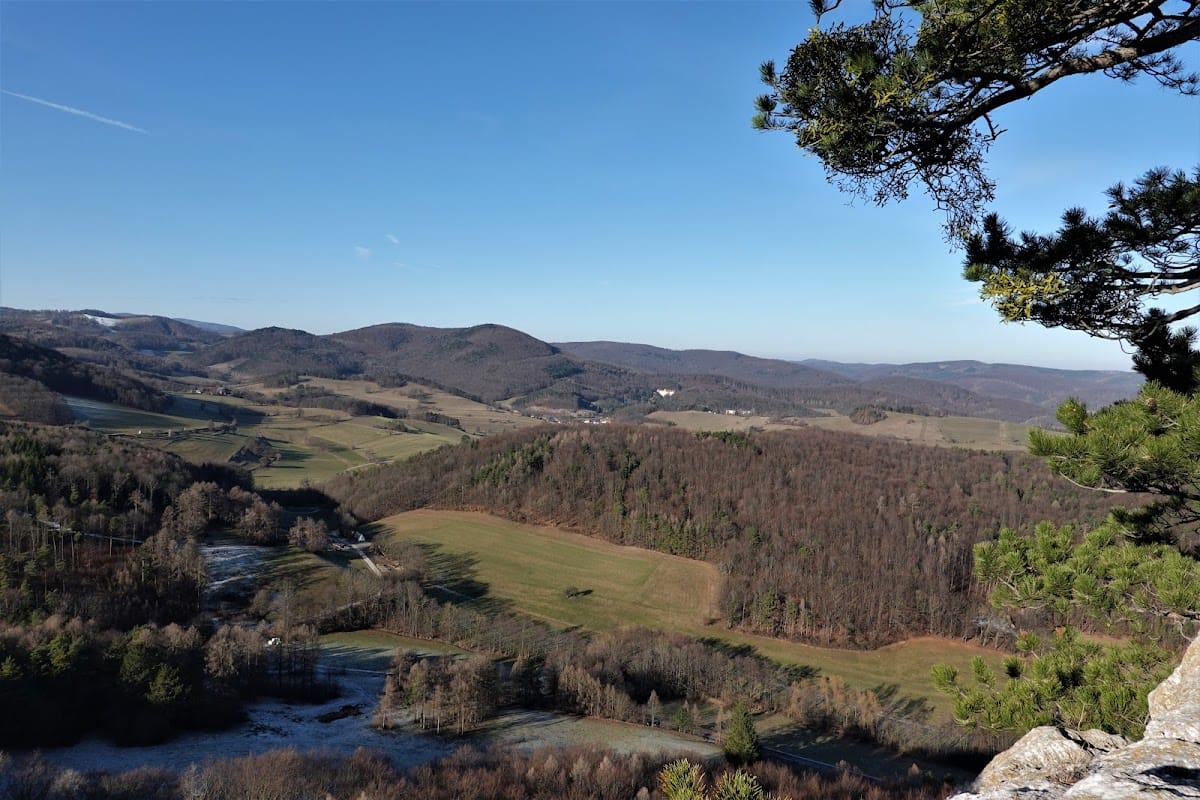
The castle ruins occupy a prominent rocky spur on Peilstein mountain near Maria Raisenmarkt, with construction dating mainly from the medieval period. The preserved sections include the fragments of a round defensive tower, the main entrance gate, and the palas, which served as the principal living quarters for the castle’s inhabitants. These stone structures reveal typical medieval masonry techniques and stand partially covered by vegetation, attesting to centuries of exposure to the elements.
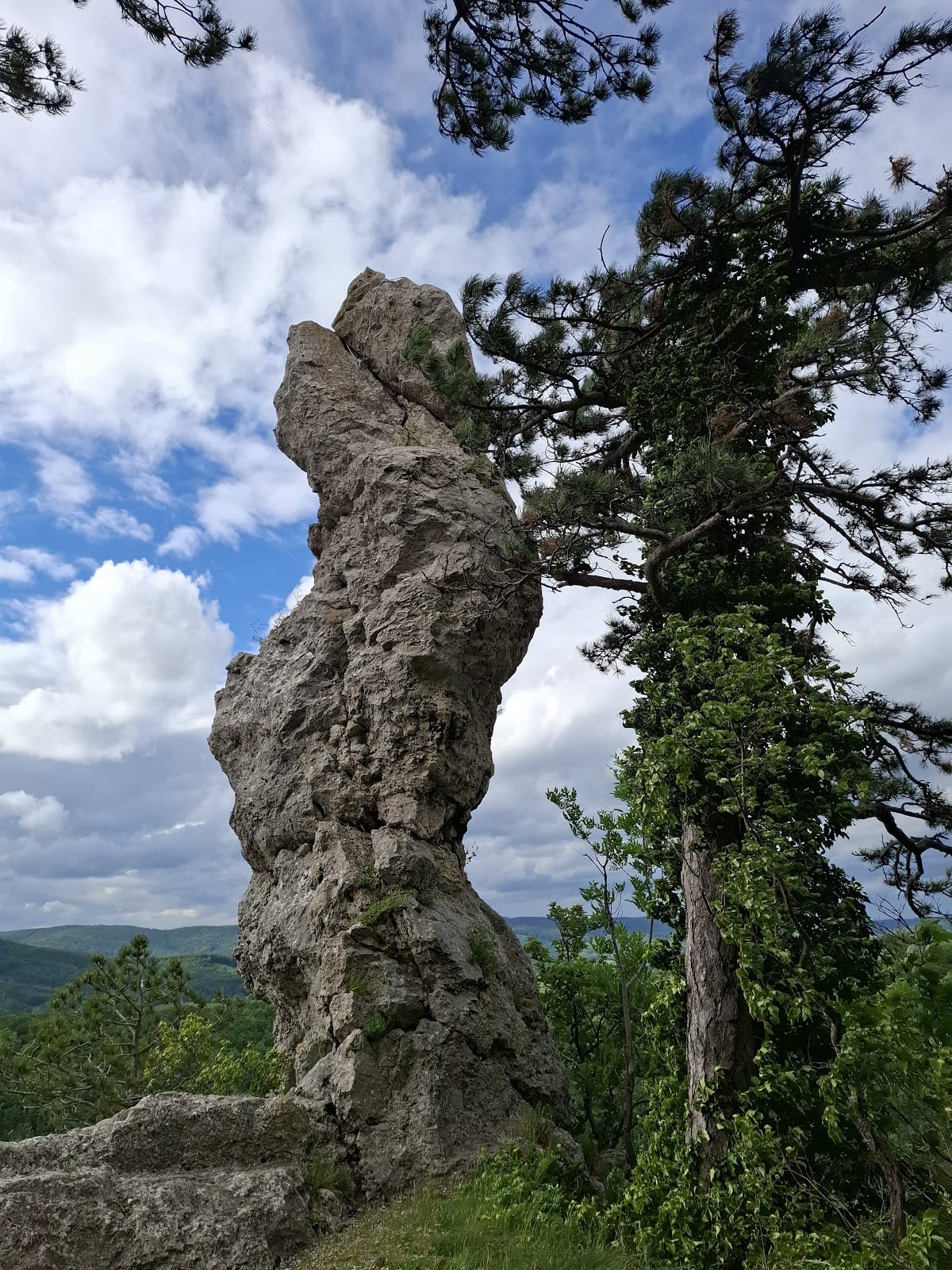
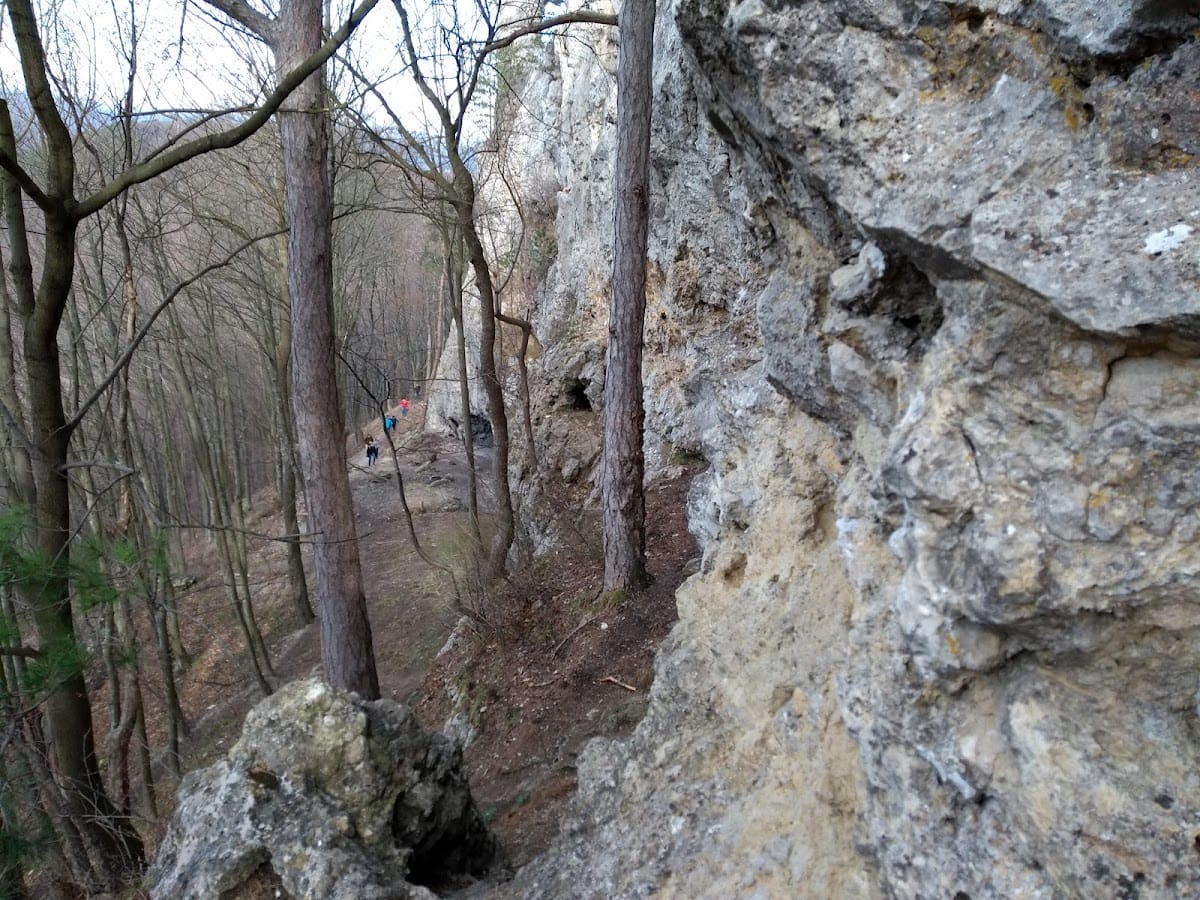
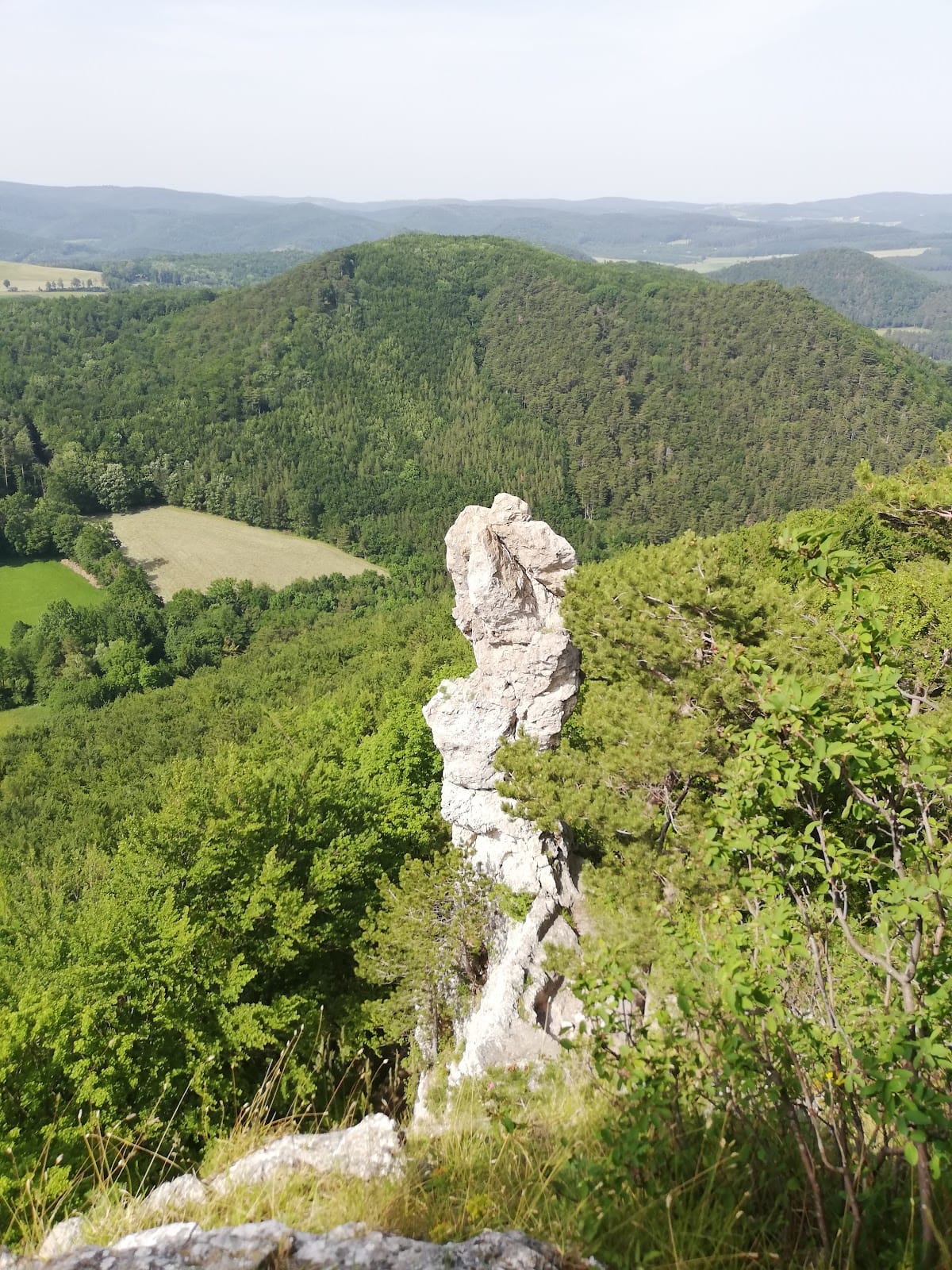
Beneath the castle lies the Arnsteinhöhle cave, extending approximately 128 meters. Traces of masonry at its entrance demonstrate that the cave was adapted for use as a stable by the castle’s residents. This underground space adds a unique dimension to the site, combining natural and human-made features. Surrounding the ruins are several other caves and notable rock formations, including the Arnsteinnadel, a striking natural pinnacle originally higher than it is today. This 13-meter-high rock formation is protected as a natural monument, although part of it was removed carefully to ensure safety.
The site has yielded archaeological finds including human skeletal remains within the castle dungeon area, confirming its use as a place of confinement or imprisonment in the past. Prehistoric bones from animals found in the nearby cave further enrich the historical importance of the location. Over time, locals extracted stones from the ruins for building materials, particularly for the nearby church, contributing to the fragmentary state of the surviving structures. This reuse reflects the close connection between the ruined castle and the surrounding community through the centuries.
Nearby sites