Serbian Historic Sites: Explore Monasteries, Domed Churches and Fortresses
Explore more than 100 historic sites connected with Serbian history, including monasteries, domed churches, castles and fortified towns. The collection covers Serbia and other parts of the Balkans where surviving buildings have relevant foundations, patronage or construction phases. These associations can overlap with the histories of neighbouring states and religious communities.
Religious architecture provides many of the most substantial examples. Some churches remain within compact monasteries, while others stand behind extensive walls and residential ranges. Fortifications add a separate group of remains, with successive enclosures recording changes in the size and defence of a settlement.
Primary Function: All
Type: All
Country: All
Popularity: All
Rating: All
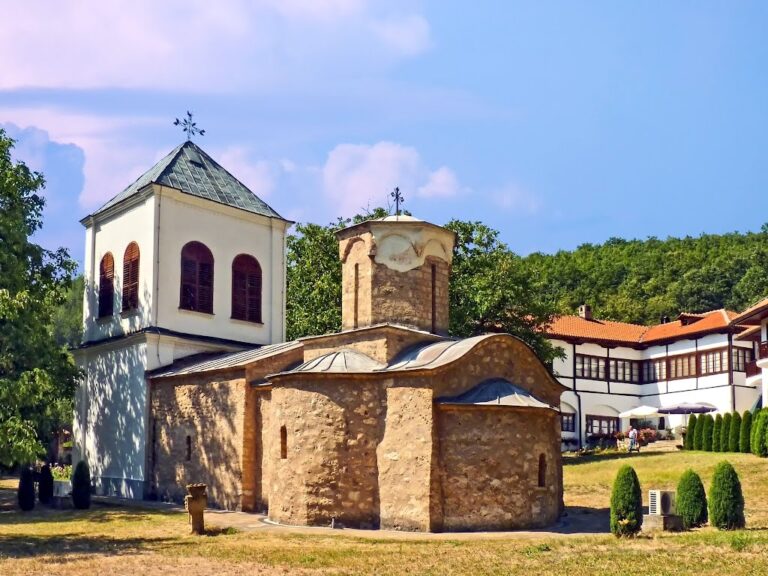
Lipovac Monastery near Aleksinac preserves a fourteenth-century church, later monastic buildings, medieval frescoes, and evidence of the complex’s…
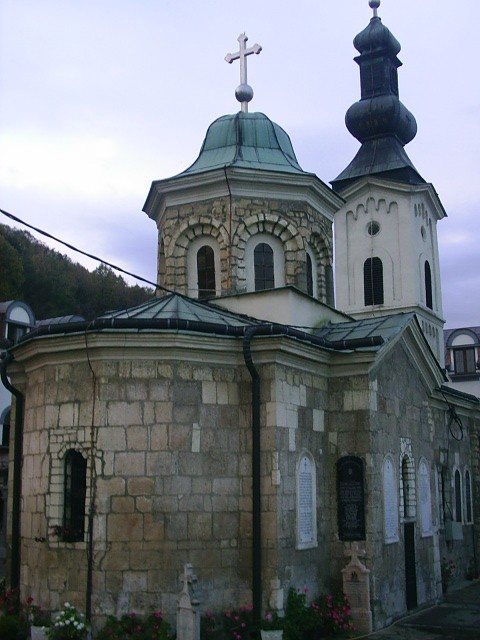
Tavna Monastery in Banjica is a Serbian Orthodox monastery dedicated to the Holy Trinity, with medieval origins, a church shaped by several building…
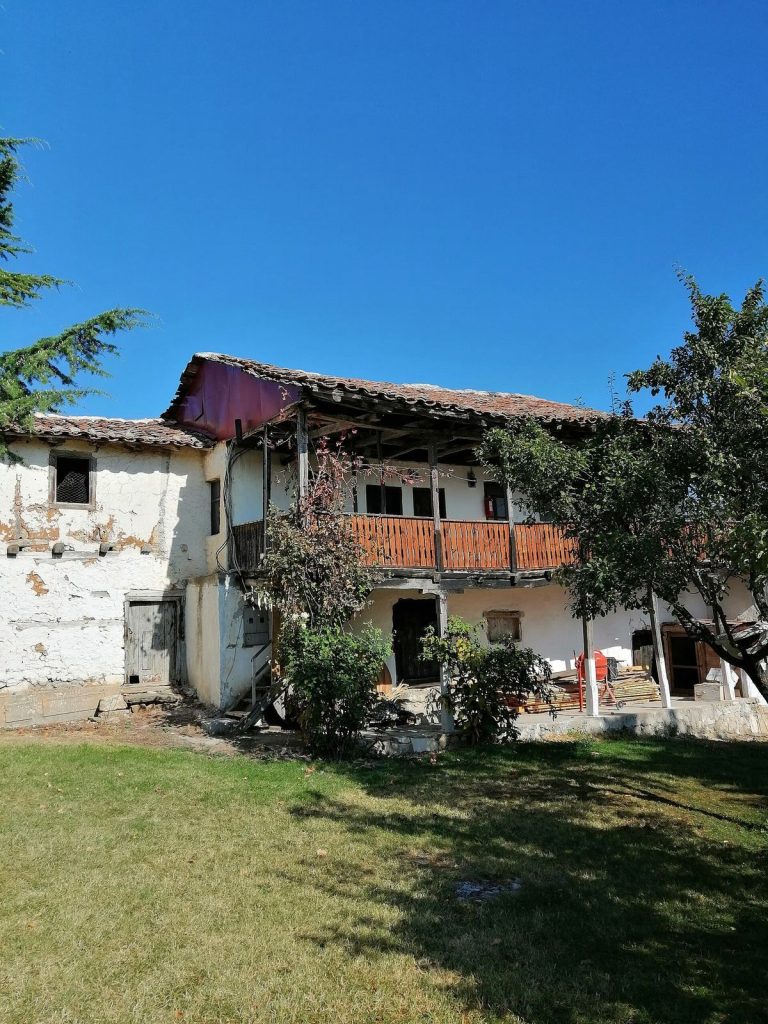
Associated with Serbian king Stefan Uroš II Milutin, Gornjane Monastery was rebuilt in the early 14th century and endowed with land and revenue. Its…
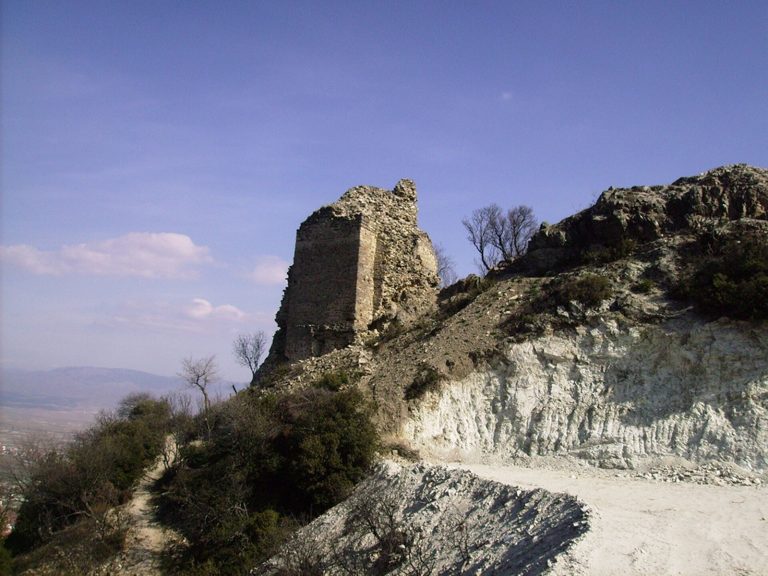
Strumica Fortress developed from a long-used hilltop into a medieval fortified center, with archaeological remains spanning prehistoric, ancient,…
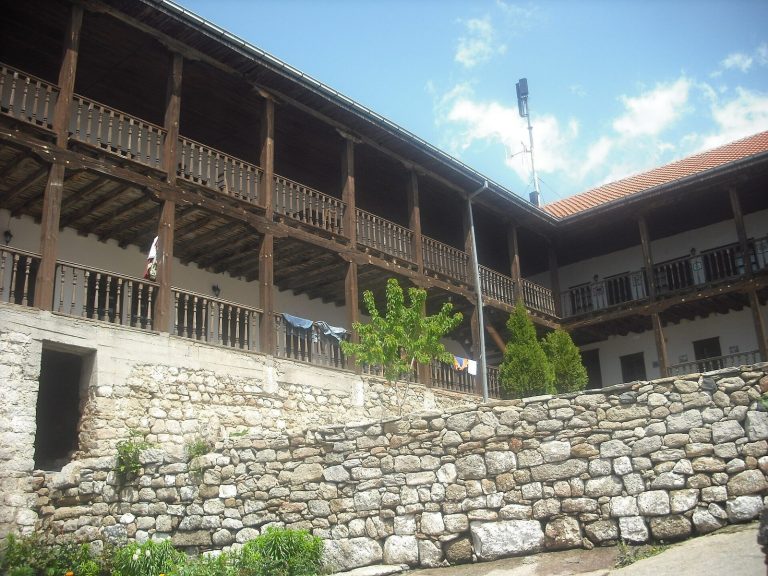
Near Prilep, Treskavec Monastery developed from an ancient sanctuary into a medieval Orthodox center of pilgrimage, monastic life, and manuscript…
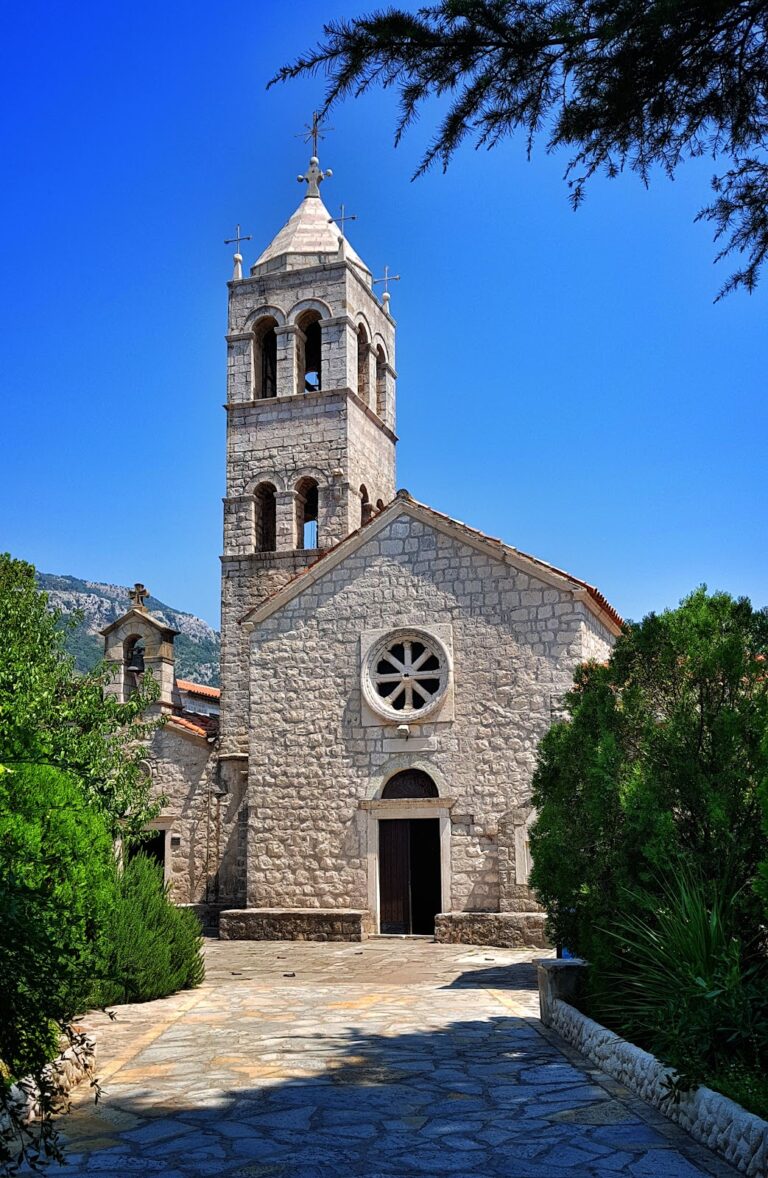
Reževići Monastery is an active Serbian Orthodox foundation in Montenegro, associated with Paštrovići communal traditions and a group of churches…
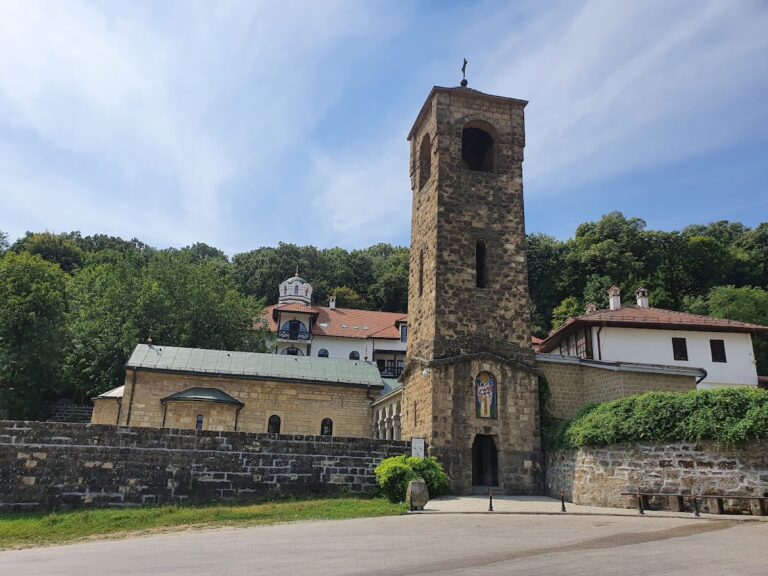
Bukovo Monastery near Negotin is a Serbian Orthodox foundation with an uncertain medieval origin, a church shaped by Morava-school architecture,…
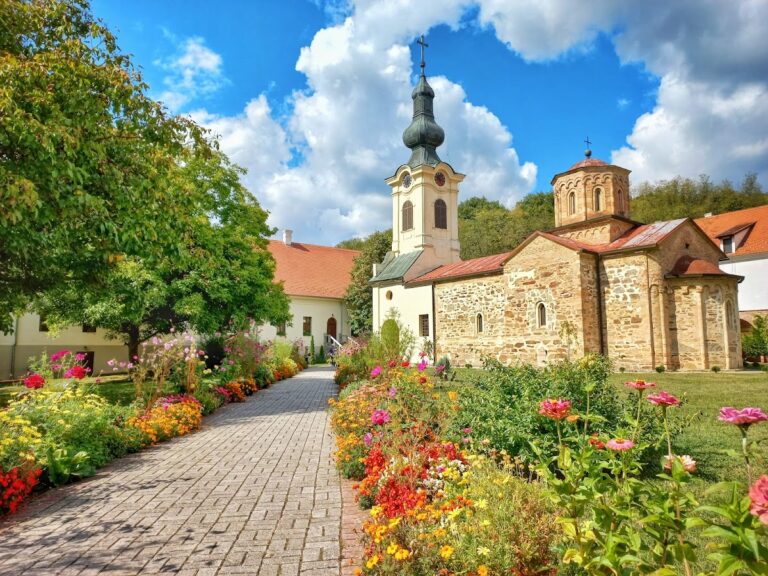
Mesić Monastery is a Serbian Orthodox institution in southeastern Banat, with origins traditionally linked to the late fifteenth century. Its church,…
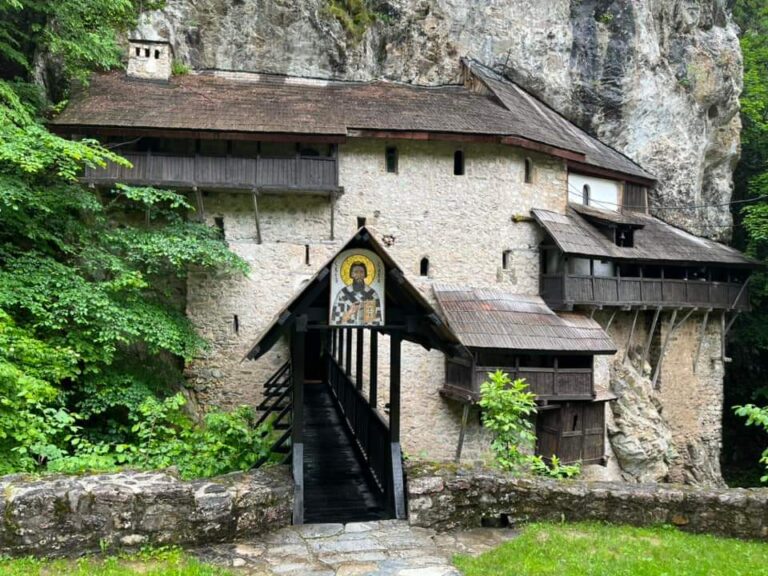
Crna Reka Monastery is an active Serbian Orthodox monastery near Ribariće, known for its cave architecture, medieval ascetic tradition,…
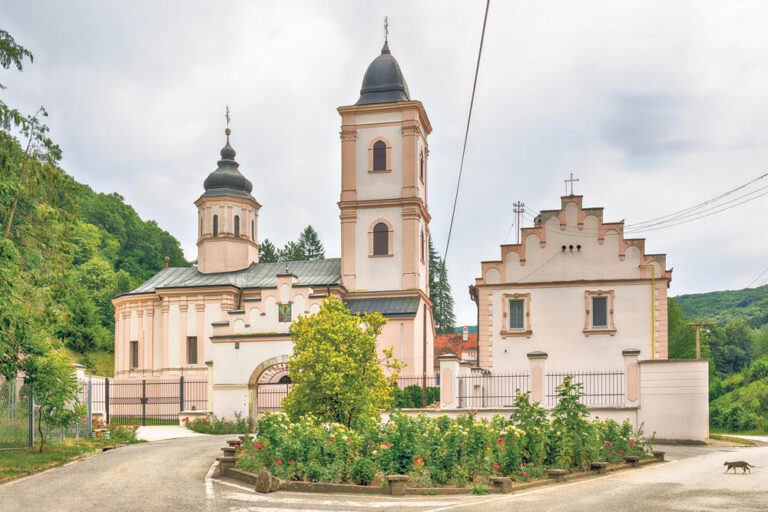
Beočin Monastery is one of the 16 active monasteries within the historic Fruška Gora monastic complex, a cultural heritage ensemble of exceptional…
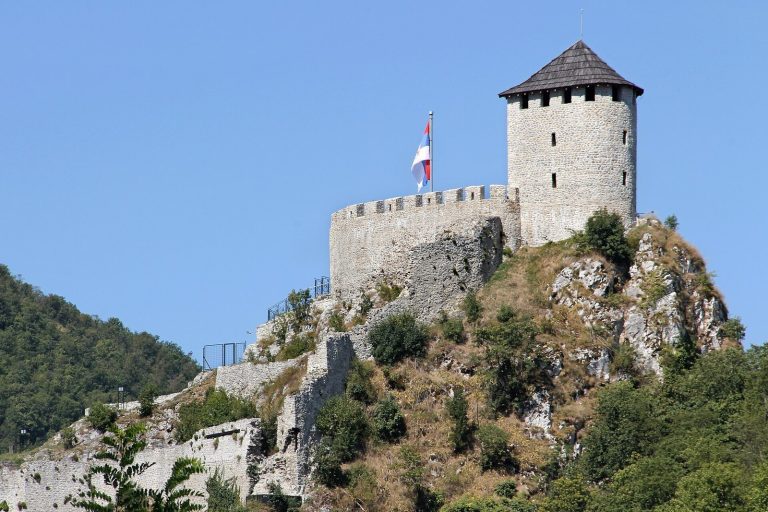
Užice Castle, also known as Stari Grad, was a medieval Serbian stronghold controlling Užice and an important caravan route. Conquered and enlarged by…
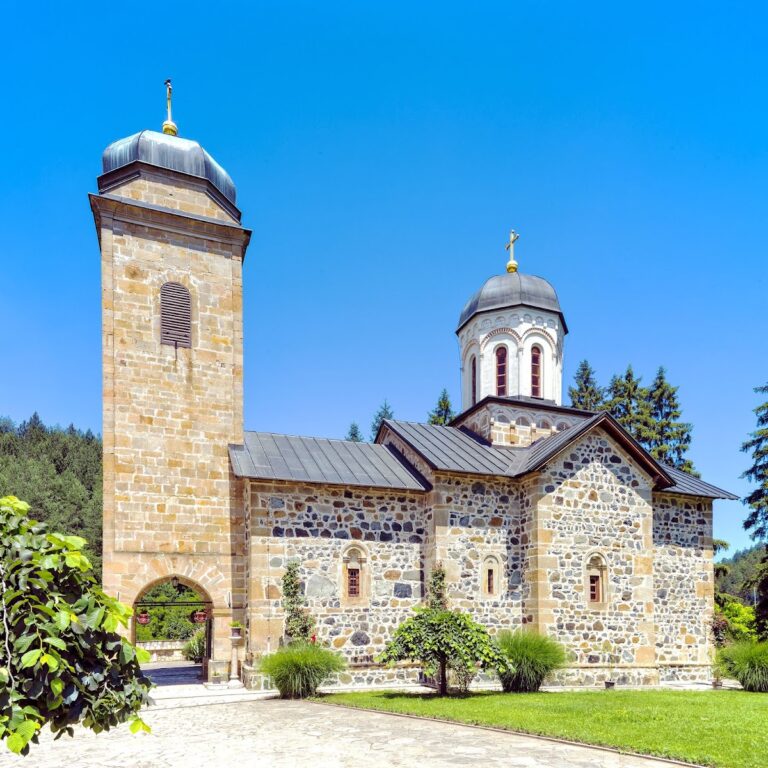
Ozren Monastery near Petrovo developed through medieval traditions, a major rebuilding after 1557, repeated destruction and restoration, and a rich…
For details on how to use the maps, which sites are included, how popularity and ratings are determined, and how sites are classified, see the help page.
On this page6 sections
Monasteries with defensive enclosures
Hilandar, on Mount Athos in Greece, was refounded and endowed by Stefan Nemanja and Saint Sava at the end of the twelfth century. Its monastic buildings form a strongly enclosed complex in a wooded valley inland from the coast.
Tall outer walls, towers and residential ranges give the monastery a fortified appearance. Few openings interrupt the lower external walls, while cells occupy the upper storeys. This arrangement combined communal life with protection against attack. The complex developed over many centuries, and rebuilding and fire damage are part of its history; the entire enclosure should not be attributed to the original Serbian foundation.
Compact churches and regional patronage
Koporin Monastery, in Serbia, preserves a compact church built during the reign of Despot Stefan Lazarević. A single dome rises on a slender octagonal drum, with narrow openings bringing light into the interior. Sandstone forms most of the building, with brick used sparingly.
Zemen Monastery, in Bulgaria, has a small, almost cubic church with a tall cylindrical drum. Carefully dressed tuff blocks form its walls, and blind arches decorate the drum. Its history includes fourteenth-century restoration and patronage by Dejan and Doya, alongside its earlier foundation and Bulgarian Orthodox identity.
These churches offer a close comparison of compact domed forms without treating regional patronage as exclusive national ownership. Their proportions, stonework and dome supports provide specific architectural features to examine.
Fortresses with successive enclosures
Pirot Fortress consists of upper, middle and lower fortified areas. The upper enclosure has an elongated polygonal plan, the middle area follows an oval outline, and the much larger lower area spreads across flatter ground.
The site’s history includes Roman, Byzantine, Bulgarian and Serbian phases. Its position beside the historic route through the region helps explain repeated military use, but that long chronology does not date every surviving wall. The linked article distinguishes the successive parts of the complex and the historical phases associated with them.
Monastic churches enlarged over time
Krka Monastery, in Croatia’s Dalmatian hinterland, stands in the Krka valley. Its Church of Saint Michael has a rectangular body, dome and long, irregular entrance space. The altar area was enlarged, and the adjoining monastic buildings accumulated through numerous additions.
Architectural research identifies late medieval remains alongside substantial sixteenth-century and later construction. The lower walls of the entrance area preserve evidence of an earlier structure, while later campaigns changed the church and surrounding ranges. The standing monastery therefore offers a sequence of building phases rather than an intact monument from a single founding date.
Domed churches in Fruška Gora
Novo Hopovo Monastery stands on the southern slopes of Fruška Gora. Its main church combines a cross-shaped interior with three projecting apses and a central dome. An additional eastern bay separates the domed space from the altar area, giving the sanctuary a particularly developed arrangement.
The large rectangular entrance hall contrasts with the more complex main church. A later bell tower contains an upper chapel, adding another period to the complex. Damage during wars and subsequent rebuilding also affected the monastery. These distinctions make it possible to follow the church’s spatial arrangement without assuming that all surrounding buildings share its date.
Explore the collection
Explore sites on the map or in the grid. Map icons reflect each site’s primary function, helping you identify different kinds of places at a glance. Narrow the results by country, primary function, site type or era, with additional filters for popularity and rating. Select a map marker to view the site’s details and open its article, or open the article from its grid entry.