Rus’ and Russian Historic Sites: Explore Churches, Palaces and Fortresses
Explore more than 500 sites associated with Rus’ principalities, the Novgorod Republic and later Russian history. The collection includes domed churches, fortified monasteries, palaces, town buildings and artillery fortresses across eastern and northern Europe. Medieval Rus’ belongs to the shared heritage of Ukraine, Belarus and Russia; later Russian building campaigns form a separate part of this wider history.
The map follows those historical associations across present-day borders. A cathedral in Ukraine or Belarus is described through its own patrons and architectural tradition, while an imperial fortress in Poland belongs to a different period and political setting. The examples below distinguish those contributions through the structures that survive.
Primary Function: All
Type: All
Civilization: All
Country: All
Popularity: All
Rating: All
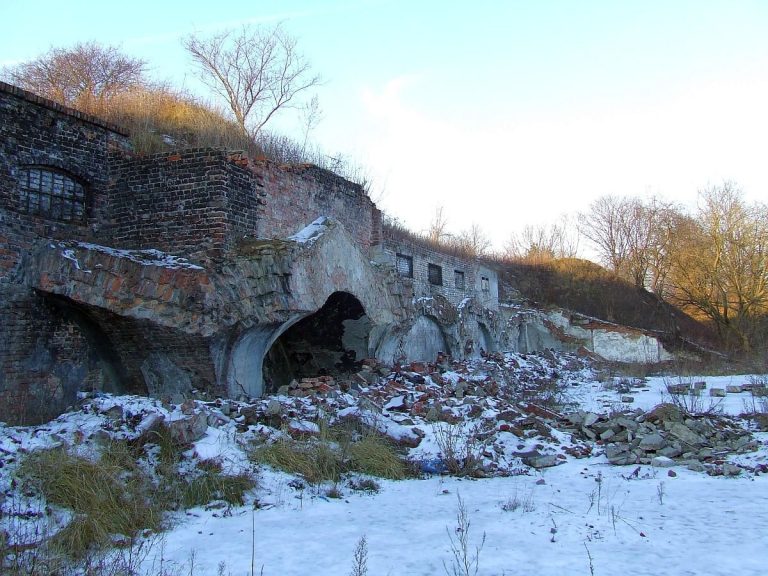
Warsaw Fortress was a Russian imperial military complex centered on the Alexander Citadel. Built and expanded between 1832 and the early twentieth…
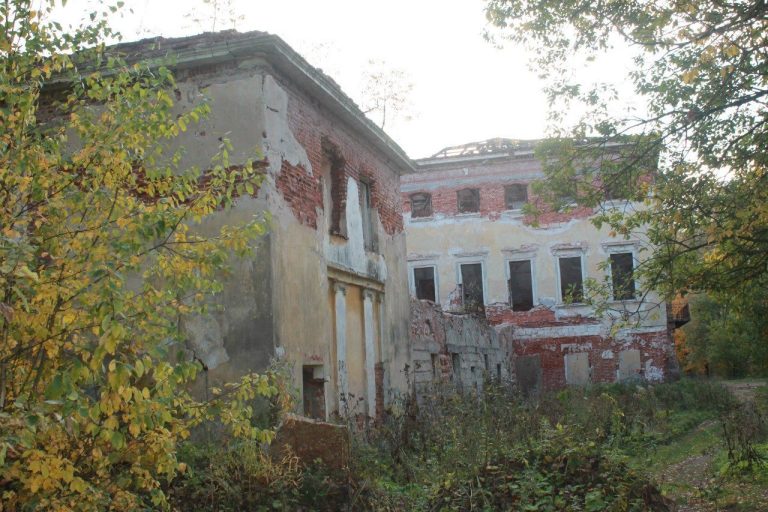
Grebnevo Estate developed from a sixteenth-century village into a major Russian country estate, cultural center, textile-production area, and…
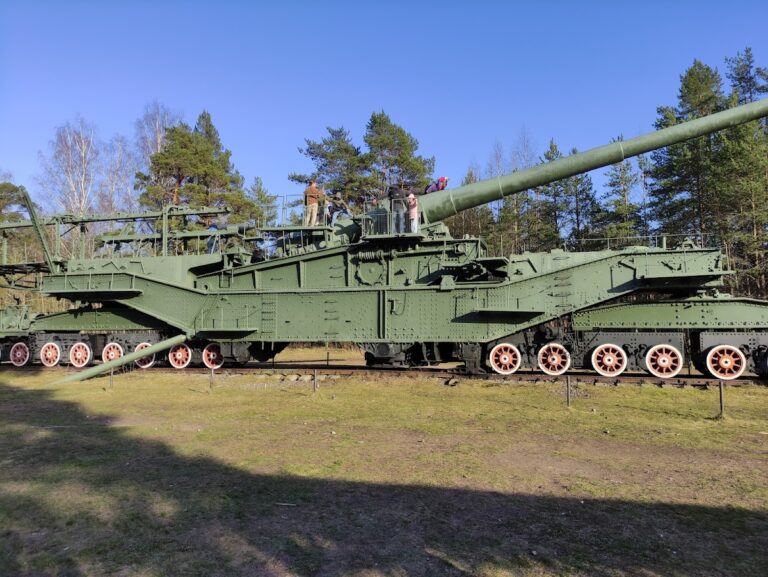
Krasnaya Gorka Fort was a major coastal artillery position on the Gulf of Finland, serving in the defence of Kronstadt, Petrograd, and Leningrad from…
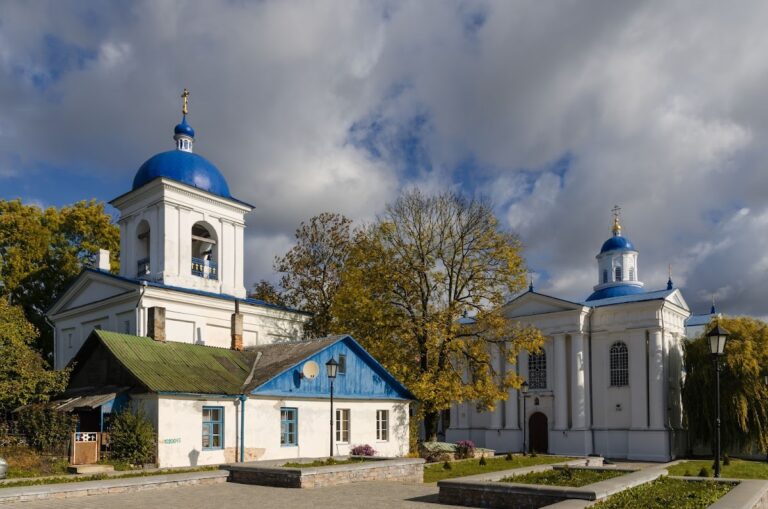
Zhyrovichy Monastery in Belarus developed around the revered Zhyrovichy Icon and became an important Orthodox and Eastern Catholic religious,…
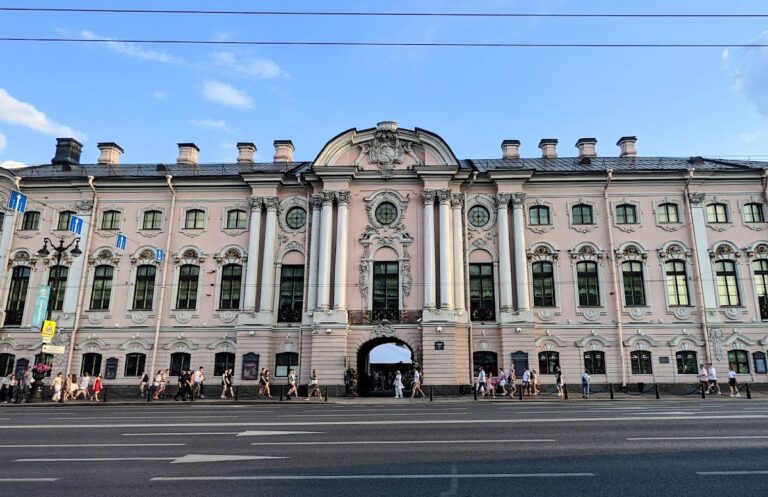
Stroganov Palace in Saint Petersburg was built by Bartolomeo Francesco Rastrelli in 1753–1754 for the Stroganov family. Its Baroque-Rocaille facades,…
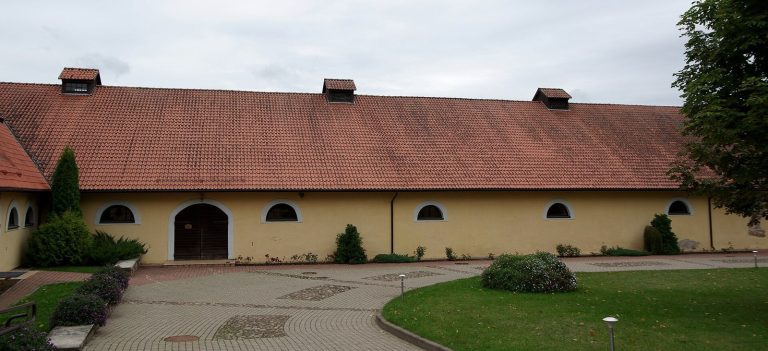
Šlokenbeka Castle is a fifteenth-century fortified manor complex in Latvia that developed from a Livonian Order road fortress into an agricultural…
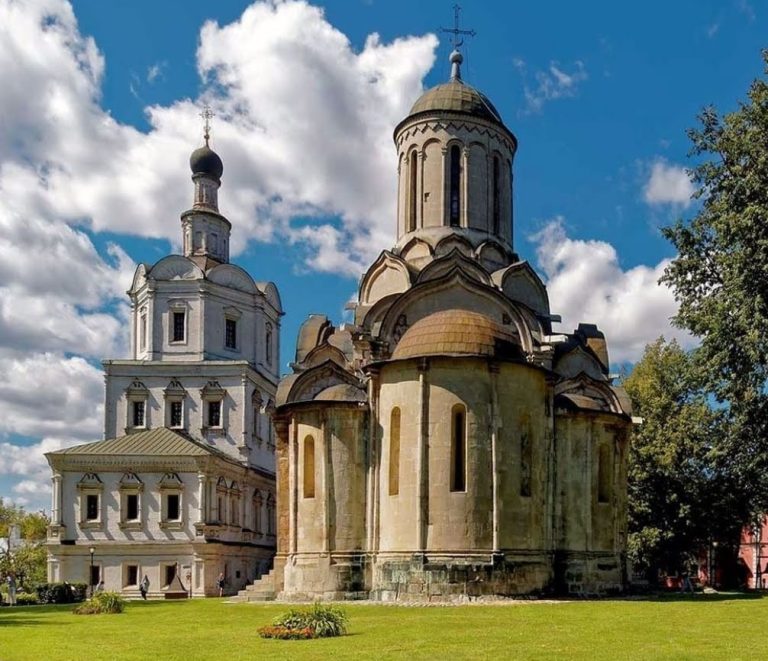
Founded in 1357 by Metropolitan Alexis, Andronikov Monastery developed into a major centre of Orthodox religious life, manuscript copying, and…
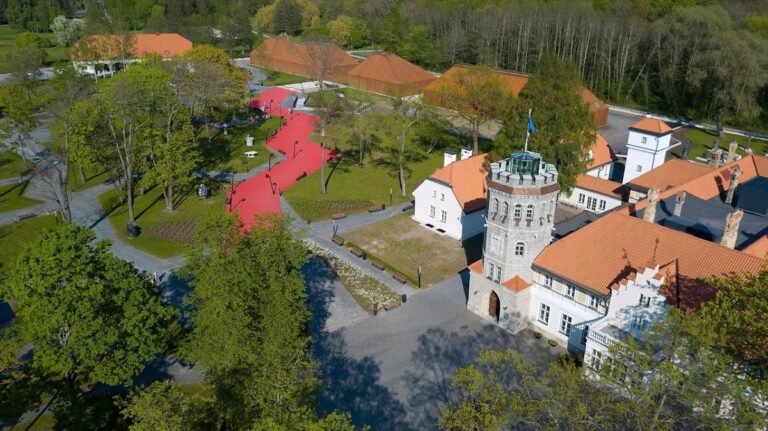
Maarjamäe Palace, formerly known as Marienberg, was built as a nineteenth-century summer residence and now houses a branch of the Estonian History…
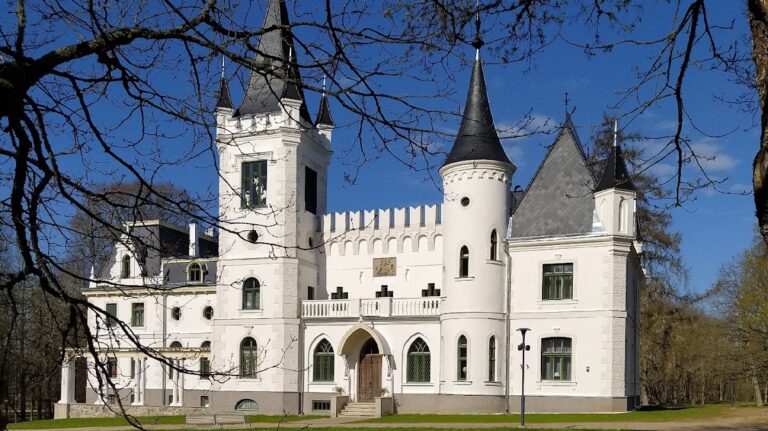
Stāmeriena Palace in Latvia developed from a nineteenth-century manor estate into a rebuilt historic residence, later serving Soviet agricultural…
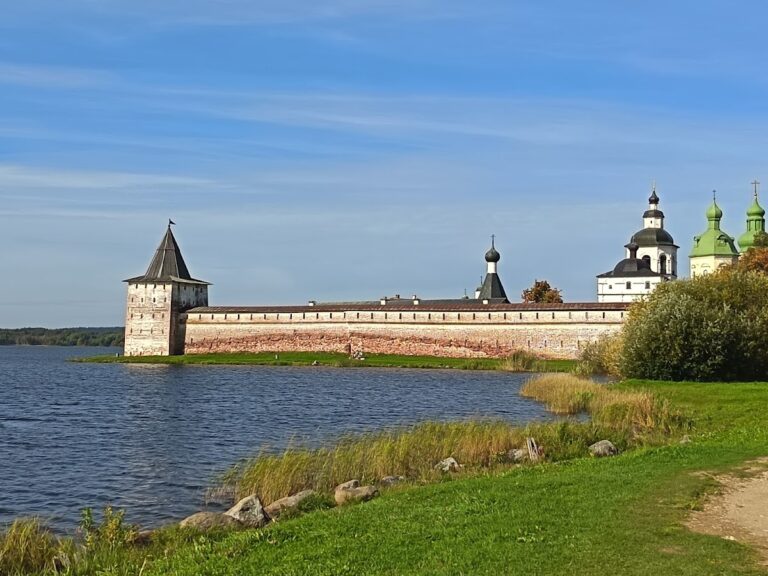
Founded in 1397 beside Lake Siverskoye, Kirillo-Belozersky Monastery became a major religious, political, cultural, economic, and military center in…
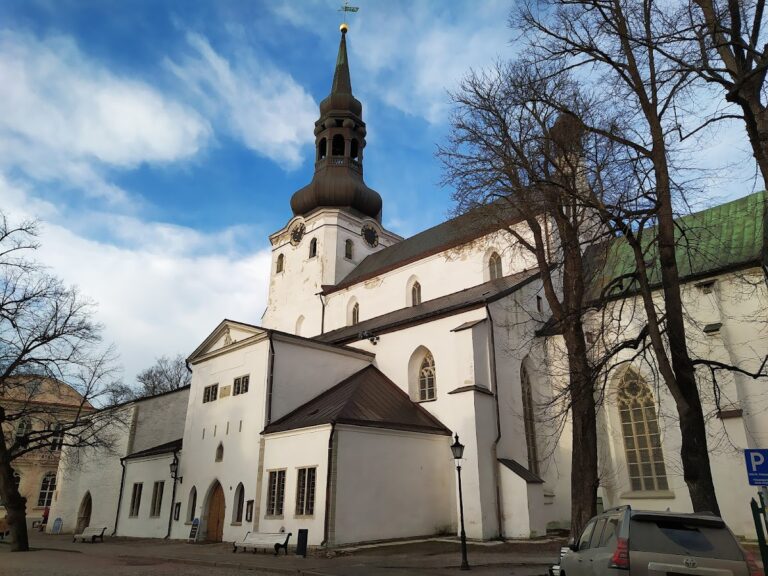
St. Mary's Cathedral in Tallinn is Estonia's oldest church on the mainland and the episcopal church of the Estonian Evangelical Lutheran Church,…
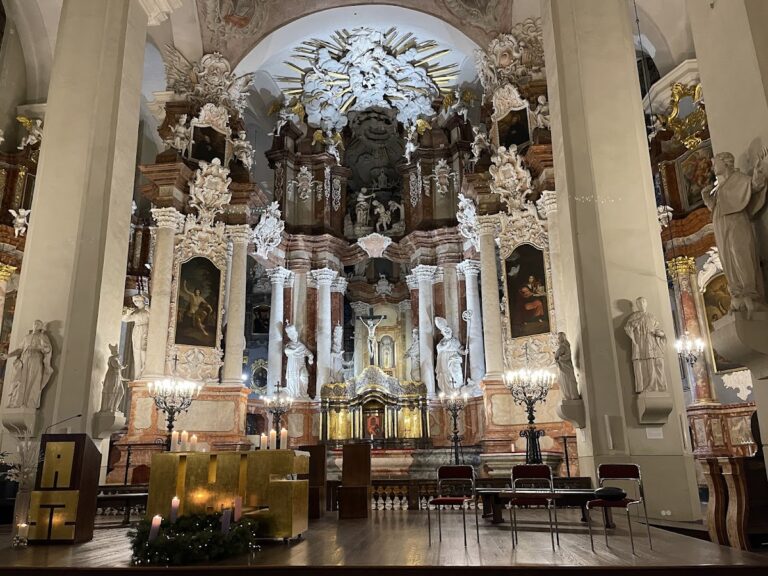
Church of St. Johns in Vilnius developed from a medieval parish church into a Jesuit, university, and ceremonial center. Its surviving Gothic fabric,…
For details on how to use the maps, which sites are included, how popularity and ratings are determined, and how sites are classified, see the help page.
On this page6 sections
Princely churches in Chernihiv and Polotsk
The Transfiguration Cathedral in Chernihiv, Ukraine, was begun under Prince Mstislav in the eleventh century. Its three aisles terminate in three eastern apses, with a central domed space rising above the surrounding volumes. The cathedral also served as a burial church for the ruling dynasty, joining princely commemoration to regular worship.
Much of the medieval building survives, but its familiar outline includes substantial later work. Damage, fires and rebuilding changed the roof and western end; the tall spires belong to those subsequent alterations. In Belarus, the twelfth-century Transfiguration Church in Polotsk presents a smaller, strongly vertical arrangement. Founded by Euphrosyne of Polotsk, it combines a single apse with six internal supports and a raised central volume. Later roof construction altered its silhouette while preserving the medieval core beneath.
Saint Nicholas Cathedral and Novgorod’s trading quarter
Saint Nicholas Cathedral in Novgorod, Russia, stands at Yaroslav’s Court on the trading side of the Volkhov, outside the kremlin walls. Founded in 1113, it is a broad, five-domed church divided internally by six cross-shaped piers. Each of its three aisles ends in an apse.
The restrained exterior differs from the emphatic upward movement at Polotsk. Broad wall surfaces and simple divisions make the cathedral’s main volumes easy to read. Its setting also matters: this was a major church within a commercial and civic quarter, rather than a sanctuary enclosed inside the fortified citadel. Restoration after wartime damage forms part of the building’s subsequent history.
Izborsk’s stone walls and towers
At Izborsk Fortress, Russia, the surviving defensive complex belongs to successive stages of medieval rebuilding. It should be distinguished from the earlier settlement on the nearby promontory. The later fortress combines stone curtain walls with projecting towers, following the shape of its elevated site.
The Lukovka tower records an alteration within the defensive plan: originally attached to the eastern wall, it became enclosed within the expanded fortress. Lower openings were subsequently blocked. Changes of this kind explain how a fortress could retain an older tower while reorganising the line that actually defended the settlement.
Ceremonial rooms at Catherine Palace
Catherine Palace, near Saint Petersburg, introduces the later imperial court. Rastrelli’s eighteenth-century rebuilding arranged long sequences of ceremonial rooms along a richly articulated blue-and-white façade. The Great Hall and adjoining state rooms formed part of an interior designed around processional movement and royal reception.
Projecting sections, columns and pilasters divide the palace’s long exterior. Inside, aligned doorways connect the rooms into extended views. The present interiors also reflect extensive restoration following wartime destruction; they should not be understood as an untouched survival of the eighteenth-century decoration.
Artillery defences at Modlin
Modlin Fortress, Poland, preserves a different form of imperial construction. Russian expansion enlarged an earlier French defensive system with barracks, magazines and successive outer forts. The main barracks circuit itself formed a defended enclosure, incorporating firing openings and projecting works protecting its approaches.
The scale of the complex required more than a single perimeter wall. Bridgeheads, detached forts and storage buildings were arranged around the river crossings and central citadel. Its remaining brick and earth structures allow the different tasks of accommodation, supply and defence to be considered separately.
Explore the collection
Explore sites on the map or in the grid. Map icons reflect each site’s primary function, helping you identify different kinds of places at a glance. Narrow the results by country, primary function, site type or era, or filter by civilization within this collection, with additional filters for popularity and rating. Select a map marker to view the site’s details and open its article, or open the article from its grid entry.