Mycenaean Sites: Explore Citadel Walls, Palaces and a Bronze Age Bridge
Mycenaean construction survives most visibly in the massive walls of mainland Greek citadels. The collection also includes palace remains, a stone bridge and museums holding Bronze Age material. These places preserve different parts of the world of the later second millennium BC, often beneath buildings and settlements of subsequent periods.
Primary Function: All
Type: All
Country: All
Popularity: All
Rating: All
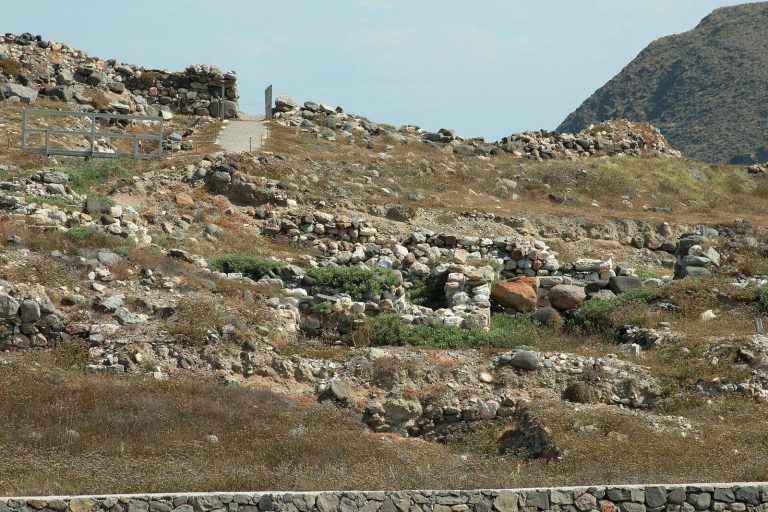
Occupied from about 3000 to the 12th century BCE, Phylakopi preserves a long sequence of Aegean Bronze Age settlement and remains a key site for…
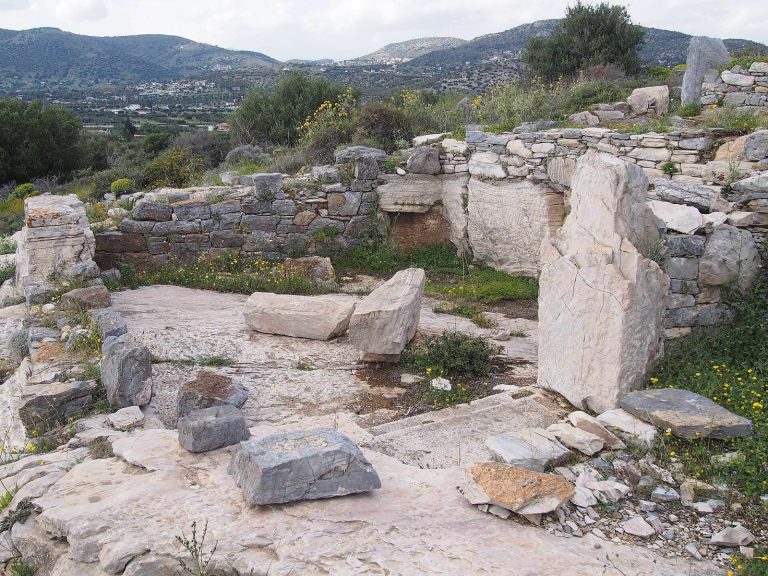
Thoricus was a coastal settlement and Athenian deme connected to the Laurion mining district, with a long history of habitation, metalworking, harbor…

Founded in 1863, the National Archaeological Museum of the Marches preserves archaeological evidence from the Marches, from the Paleolithic period…
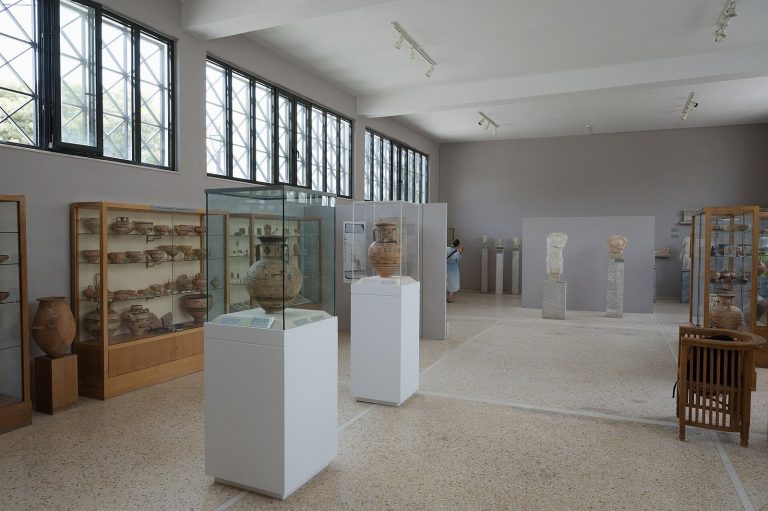
The Archaeological Museum of Paros in Parikia preserves finds from the Neolithic period through the Roman period, including original sculptures from…
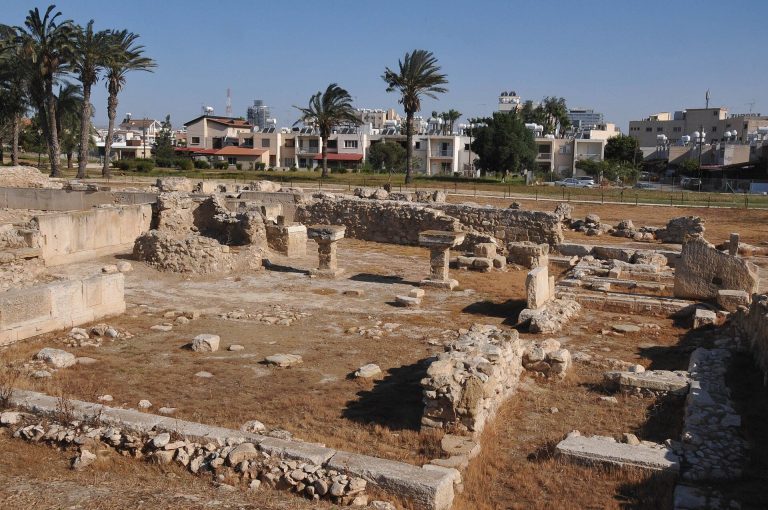
Kition was an ancient city-kingdom within modern Larnaca, shaped by Greek, Phoenician, Egyptian, Persian, Hellenistic, and Roman rule. Its…
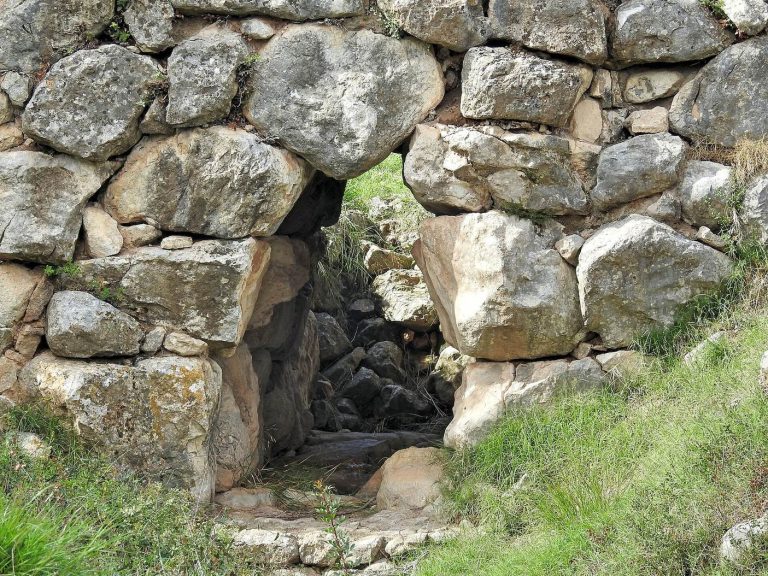
Kazarma Mycenaean Bridge, also known as the Arkadiko Bridge, is a Late Helladic structure built around 1300–1190 BC as part of a Mycenaean military…
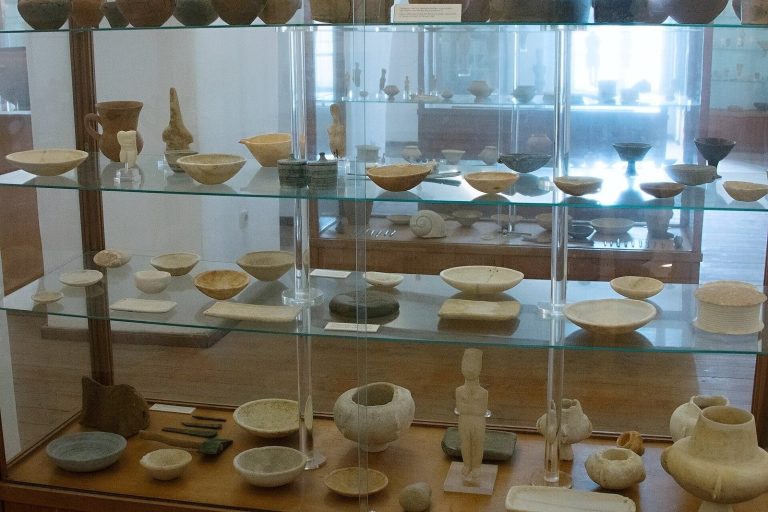
Established in 1972 within the Venetian castle of Chora, the Archaeological Museum of Naxos preserves archaeological material from Naxos and the…
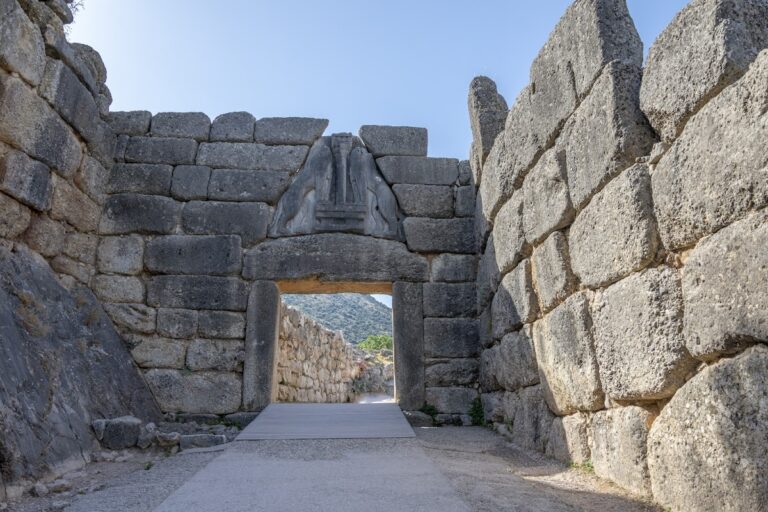
The Fortifications of Mycenae enclosed a major Bronze Age center in the Argolid, protecting its palace, royal tombs, entrances, and water supply…
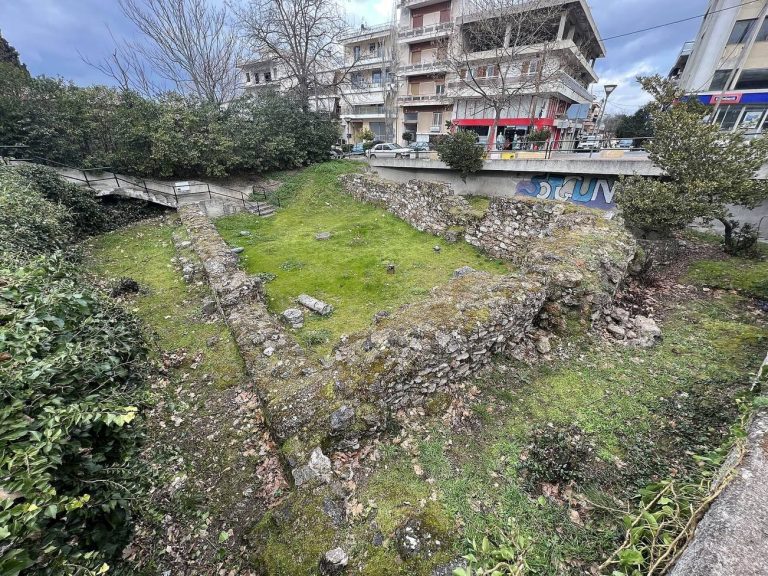
The Cadmea was the fortified citadel of ancient Thebes, with settlement reaching back to the Mycenaean period and a central role in the city’s…
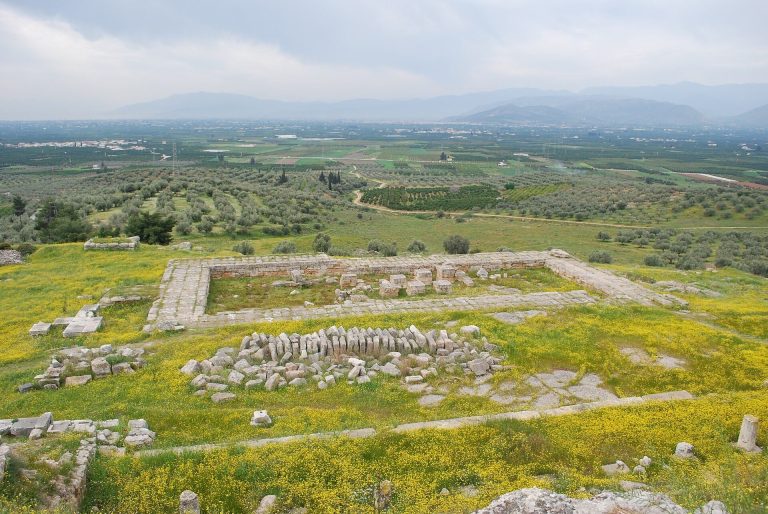
The Heraion of Argos was the principal sanctuary of Hera for Argos and a regional religious center in the Argolid. Used from the 3rd millennium BCE,…
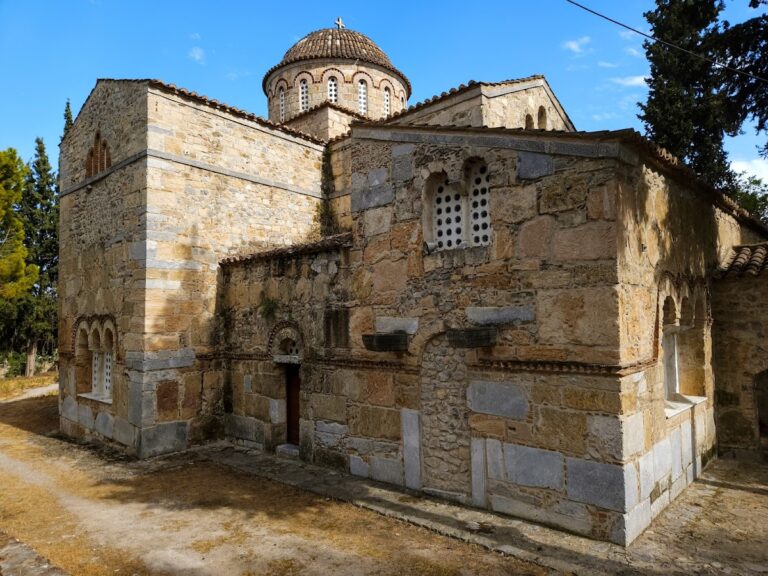
Panaghia Skripou is a ninth-century Byzantine monastery church at Orchomenus in Boeotia, founded in 874 by the court official Leo. Its cruciform…
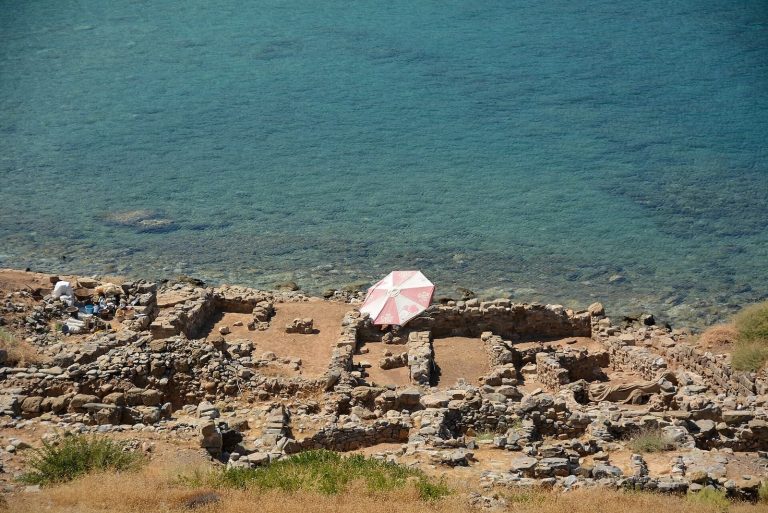
Mochlos was a harbor settlement in eastern Crete, occupied in intermittent phases from the Early Bronze Age into Byzantine times. Its remains on…
For details on how to use the maps, which sites are included, how popularity and ratings are determined, and how sites are classified, see the help page.
On this page5 sections
Mycenae’s gateways and defensive circuit
The Fortifications of Mycenae follow the rocky outline of the citadel above the Argolid plain. Large limestone blocks form much of the circuit, with smaller stones packed into the gaps. The term Cyclopean masonry describes this exceptionally large-block construction, named through later Greek tradition.
The Lion Gate became the principal entrance during a thirteenth-century BC enlargement. Projecting walls protected the approach, while other entrances served different parts of the enclosure. Much of the circuit remains, although the upper courses and sections affected by collapse have been lost. Following its changes explains how the citadel expanded around buildings and burial places already present on the hill.
Teichos Dymaion above the coastal lagoons
Teichos Dymaion occupies a hill near Cape Araxos in the western Peloponnese. Its Mycenaean wall protected the exposed approaches, while steep ground and the adjacent lagoon gave protection on another side. Large blocks, gateways and surviving stretches of the circuit remain prominent.
The fortress was reused in later Greek, Byzantine and medieval periods. Its Bronze Age enclosure therefore needs to be distinguished from subsequent repairs and occupation. Compared with Mycenae’s inland setting, the hill overlooks coastal waters and lagoons as well as agricultural land.
A stone bridge on a Bronze Age road
The Kazarma Mycenaean Bridge, also called the Arkadiko Bridge, carried a road across a small watercourse. Its limestone blocks form a compact crossing with a narrow opening below the roadway. Projecting courses bring the sides together over the channel, while large masses of masonry support the approach.
The surviving bridge belongs to a wider Bronze Age road network in the Argolid. Its purpose was practical: maintain a crossing while allowing water to pass beneath. The structure offers a different application of large-block masonry from the fortifications, using the weight and arrangement of stone to support a route.
Palace remains beneath Thebes
The Cadmea of Thebes was a Mycenaean palatial center beneath the later and modern city. Excavated remains are dispersed rather than forming an open citadel on the scale of Mycenae. Palace structures and fragments of fortification establish its Bronze Age phase.
Thebes continued to develop long afterward. Some surviving gates and walls belong to later Greek periods, including Hellenistic work, and should not be presented as Mycenaean simply because they occupy the same citadel. The individual article separates these layers of the urban site.
Explore Mycenaean remains
Use the map and grid to locate the archaeological sites and museum entries. Open each article for its surviving Bronze Age features, the evidence for their function and the later history of the place.