Mongol Sites: Explore the Buildings of the Successor States
The architecture associated with Mongol rule includes domed mausoleums in Iran, religious schools in Anatolia, Buddhist monuments in China and excavated towns of the Golden Horde. These buildings belong to distinct regional states and traditions. The combined map allows them to be explored together while retaining their particular historical identities.
Primary Function: All
Type: All
Civilization: All
Country: All
Popularity: All
Rating: All
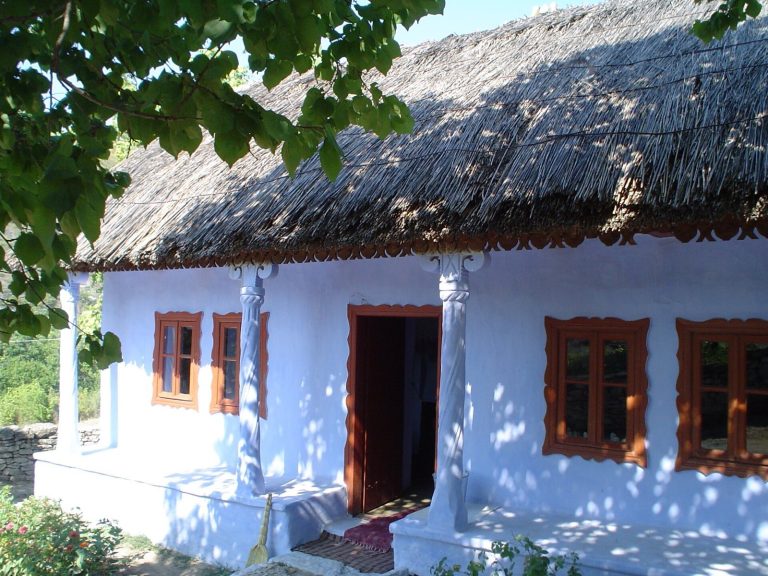
Old Orhei preserves evidence of prehistoric settlements, Getic and medieval fortifications, a Golden Horde city, Moldavian Orhei, and centuries of…
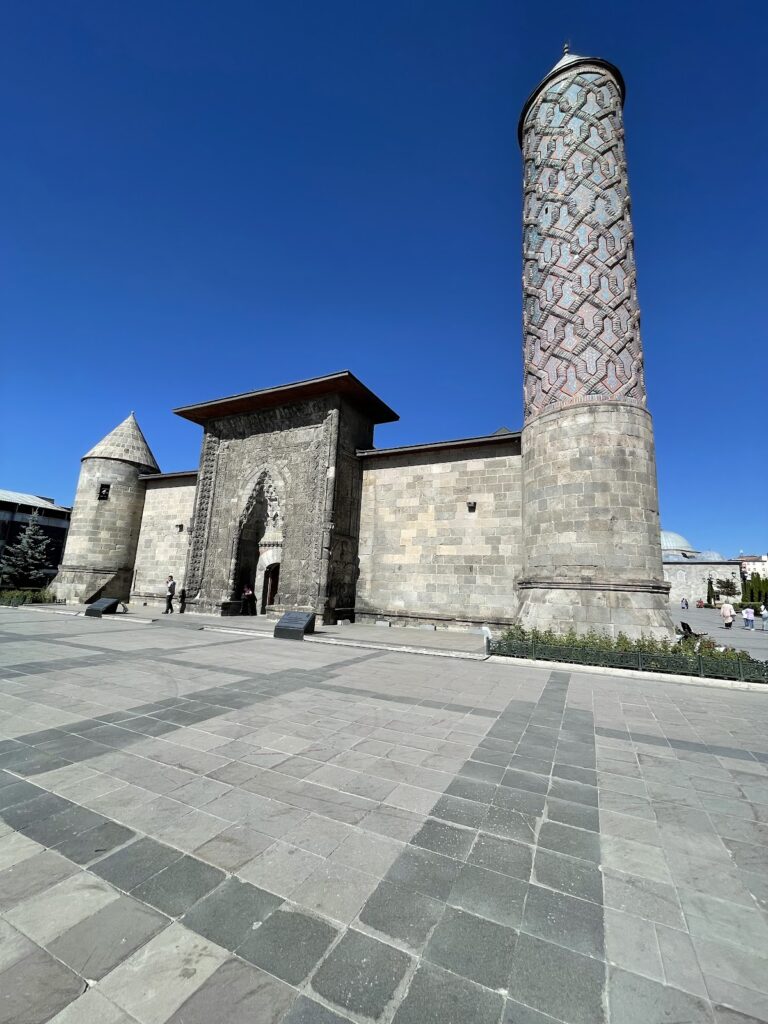
Yakutiye Medrese is a 1310 Ilkhanid madrasa in Erzurum, known for its enclosed courtyard, carved portal, decorated minaret, and survival as the…
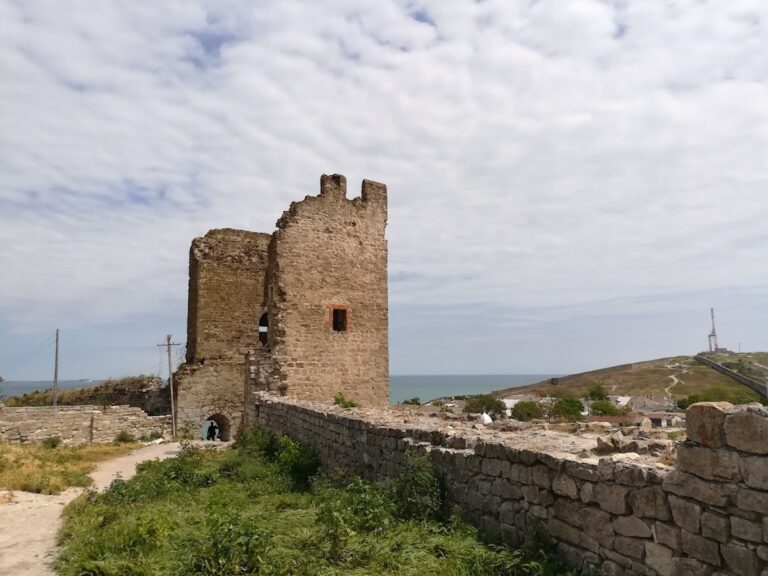
Kaffa Genoese Fortress preserves parts of the citadel and urban defenses of Caffa, the Genoese commercial center now known as Feodosia. Built in the…
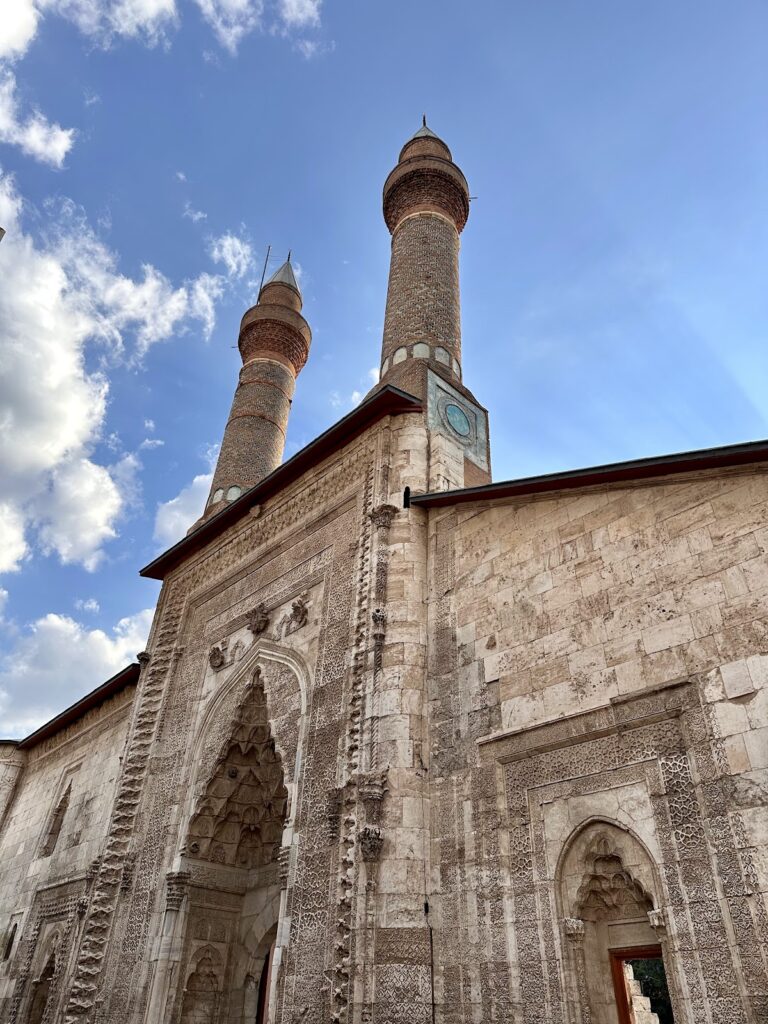
Çifte Minareli Madrasa is a 1271–1272 Ilkhanid-era Islamic school in Sivas, Türkiye, known for its decorated stone facade and twin minarets.
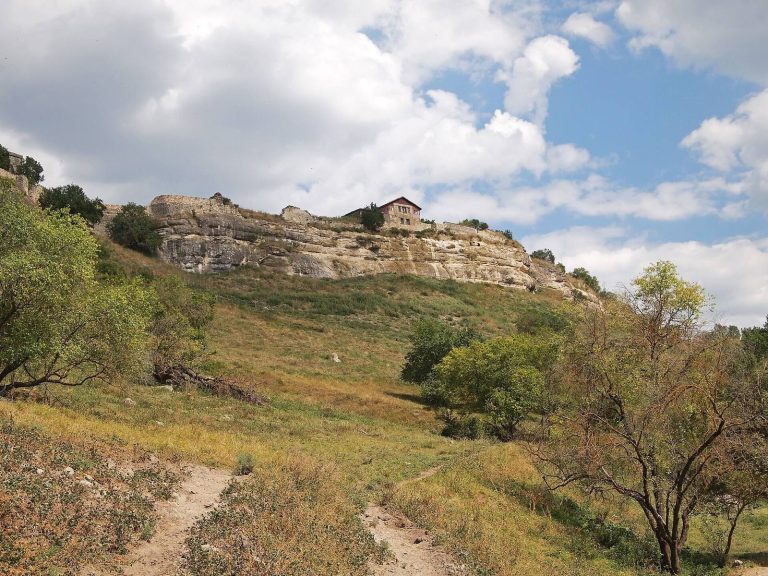
Chufut-Kale is a medieval fortified settlement in the Crimean Mountains that served as a capital of the early Crimean Khanate and became a major…
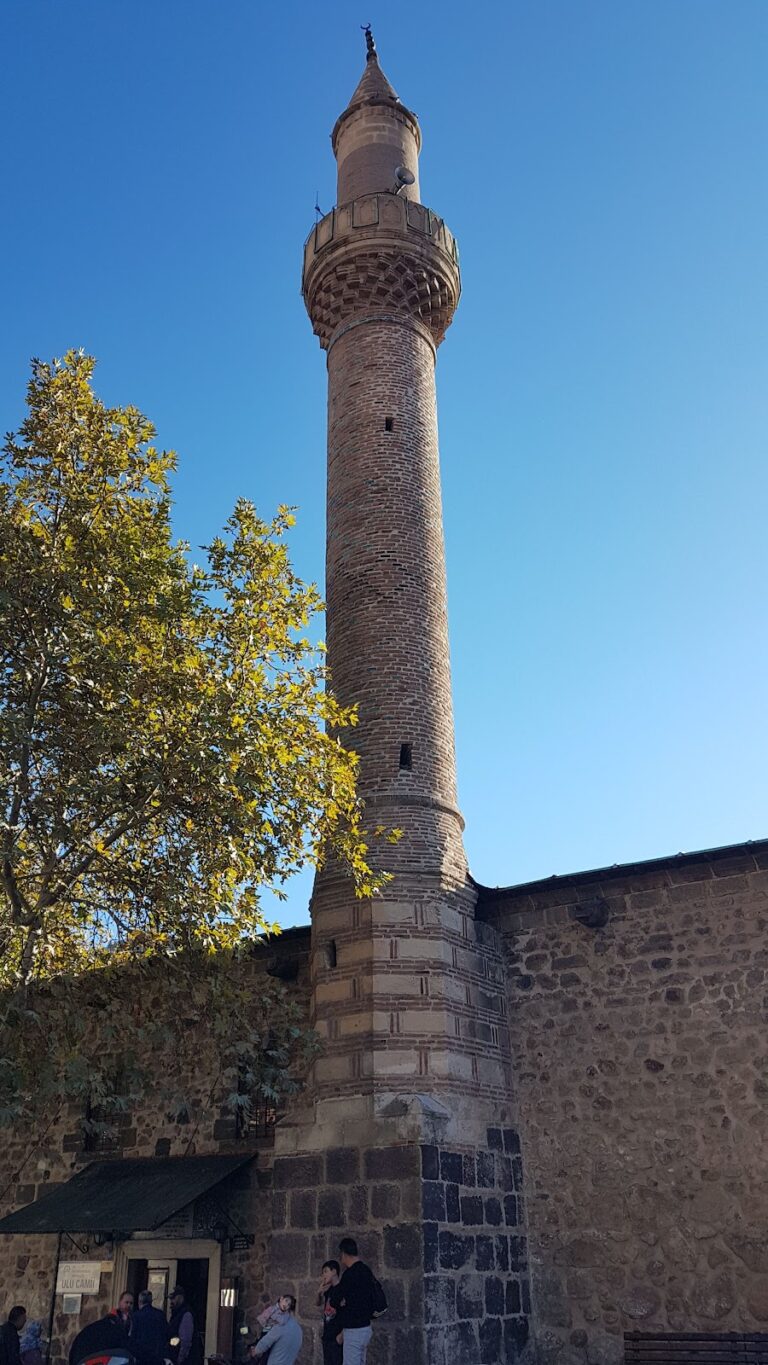
Afyonkarahisar Grand Mosque is a thirteenth-century mosque associated with the Sahib Ataoğulları principality. Its wooden roof, rows of columns,…
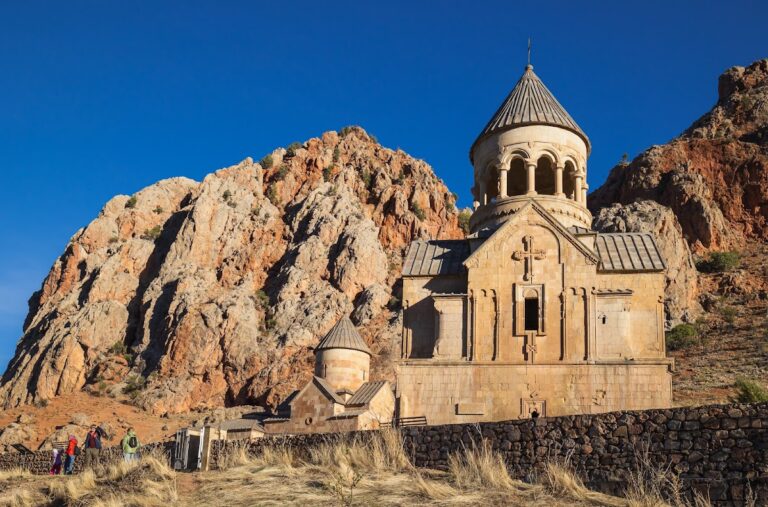
Noravank is a medieval Armenian monastery in the Amaghu Valley, developed under the Orbelian princes as a religious, educational, cultural, and…
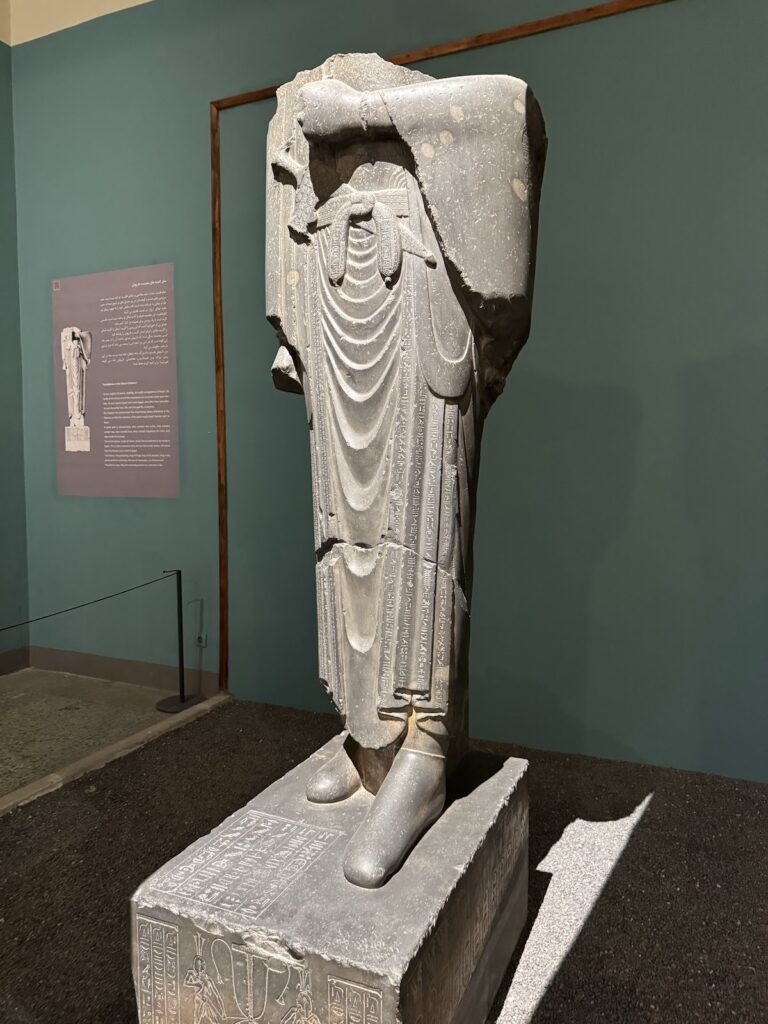
Established in Tehran in 1937, the National Museum of Iran preserves and displays archaeological finds and material culture from Iran’s ancient and…
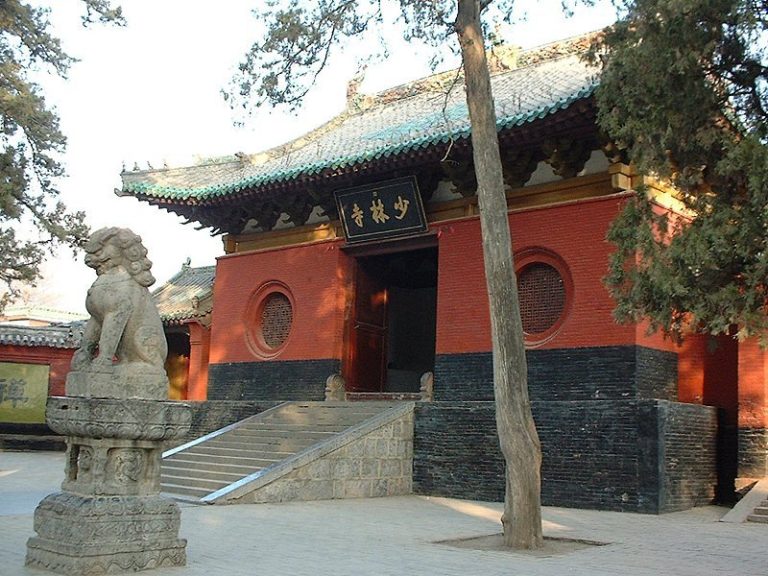
Shaolin Monastery in Dengfeng, Henan, was founded in 495 during the Northern Wei dynasty and became a major center of Buddhist learning, Chan…
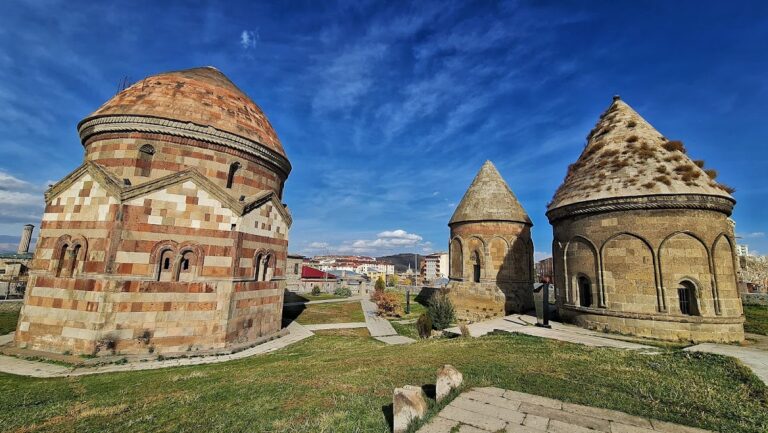
Karanlik Kümbet is a stone-and-brick Islamic mausoleum in Erzurum, completed in 1308 near the end of Seljuk rule and later associated with an…
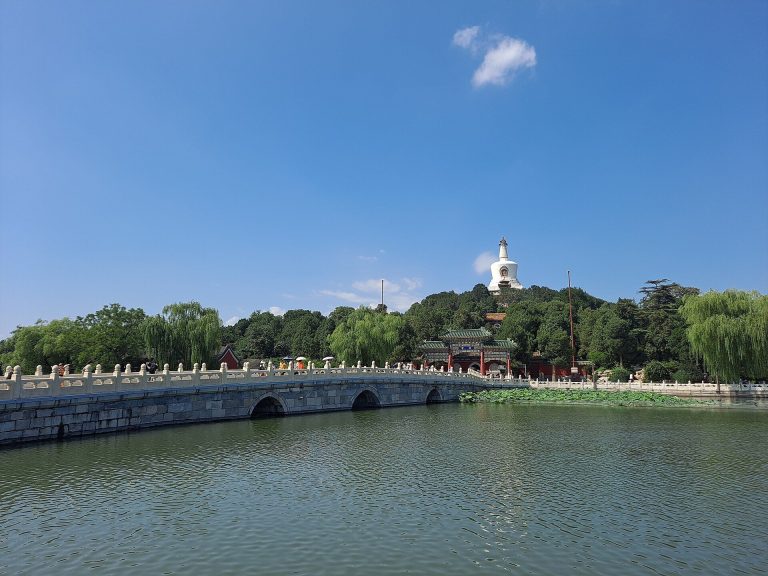
Beihai Park is a former imperial garden in Beijing whose lakes, islands, temples, pavilions, and palaces developed from the Liao period through the…
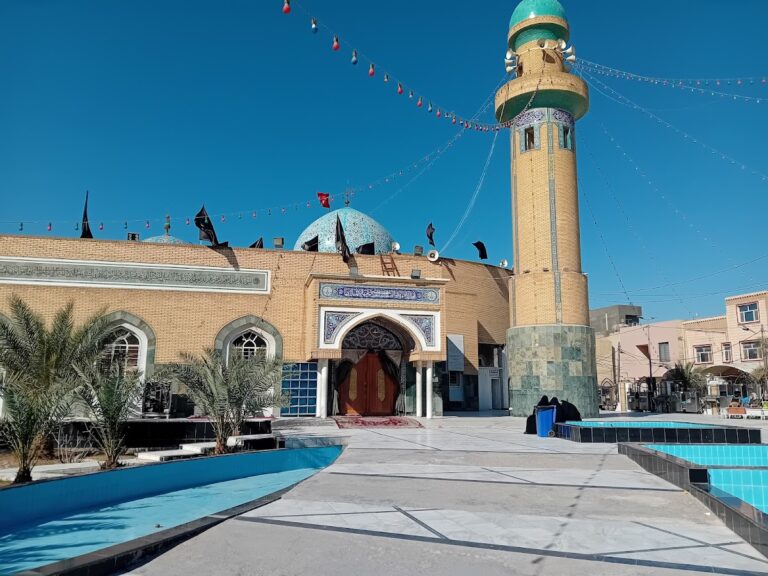
Al-Hannanah Mosque in Najaf is an active Shiite place of worship associated with traditions concerning Ali ibn Abi Talib, Husayn ibn Ali, and Ja'far…
For details on how to use the maps, which sites are included, how popularity and ratings are determined, and how sites are classified, see the help page.
On this page5 sections
Soltaniyeh’s domed royal mausoleum
The Dome of Soltaniyeh in Iran was built for the Ilkhanid ruler Oljeitu in the early fourteenth century. An octagonal body supports a great brick dome, with slender minarets rising around its upper level. Turquoise tiles cover the dome, while the interior retains different campaigns of tile and plaster decoration.
Galleries and openings around the upper walls give the building a complex interior beyond the central burial space. Its size and double-shell dome belong to a royal foundation in the former Ilkhanid capital. The standing monument preserves a much clearer architectural form than the archaeological remains of much of the surrounding city.
Astronomy and religious teaching
At Maragheh Observatory, Hulagu’s patronage supported the work of the scholar Nasir al-Din al-Tusi from 1259. Excavation has revealed foundations of the central circular building and associated units, together with part of a stone astronomical instrument. The modern covering protects these remains; it is not the observatory’s medieval dome.
The Yakutiye Medrese in Erzurum was built in 1310 under Ilkhanid rule. Student rooms surround an enclosed central space, with vaulted halls opening around it. Its projecting portal carries elaborate stone carving, including animal and tree motifs, while glazed bricks form geometric patterns on the minaret. The building preserves the spaces of a religious school as well as its decorated public entrance.
A Yuan Buddhist foundation in Beijing
The White Pagoda at Miaoying Temple was commissioned by Kublai Khan and completed in 1279 under the Nepalese artist and architect Araniko. The large white stupa became the focal monument of an imperial Buddhist foundation in the Yuan capital.
The temple around it contains substantial later rebuilding, including a Ming arrangement of halls and modern reconstructed gates. The Yuan monument and those surrounding phases therefore need to be distinguished. The site provides a particular example of Buddhist patronage under Mongol rule, with craftsmen and religious connections extending between China, Tibet and Nepal.
Golden Horde mosques and towns
The Ozbek Han Mosque at Staryi Krym belongs to the period when the town was a center of the Golden Horde. Pointed arches divide its prayer hall into three aisles, while a carved entrance and prayer niche concentrate its decoration. The inscription names Ozbek Khan and records the foundation in the early fourteenth century. Later Crimean history forms a separate part of the building’s continued use.
Saray-Jük, beside the lower Ural in Kazakhstan, survives as an archaeological city. Excavated houses had several rooms and raised platforms used for sitting and sleeping. Some incorporated heating flues beneath those platforms. Streets and residential quarters reveal an urban settlement whose history continued beyond the Golden Horde into later regional states. Its excavated domestic remains complement the standing religious monuments elsewhere in the collection.
Explore the regional groups
Use the civilization filter to select the Yuan, Ilkhanate, Golden Horde or another included group. Map markers and grid entries open articles explaining the specific patron, building tradition and surviving phase, rather than assigning one architectural style to the whole Mongol world.