Medieval European Sites: Explore Castles, Abbeys and Town Halls
Explore more than 14,500 medieval sites across Europe, including castles, abbeys, cathedrals, town halls, hospitals and bridges. Fortifications, religious buildings and historic residences form the largest groups in the collection. The examples below introduce moated courtyards, municipal market halls, monastic rooms and stone river crossings, distinguishing medieval construction from later additions and restoration.
Primary Function: All
Type: All
Civilization: All
Country: All
Popularity: All
Rating: All
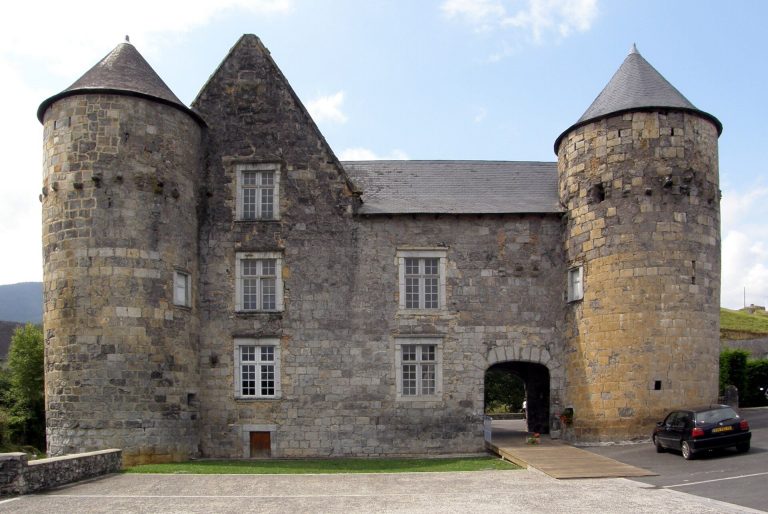
Castle Ruthie, also known as the Urrutia Palace, is a multi-phase historic castle in Aussurucq, France. Associated with the Urrutia family, it has…
Charvensod Castle in Italy’s Aosta Valley was a medieval summer residence and retreat for bishops of Aosta. Its surviving fourteenth-century corner…
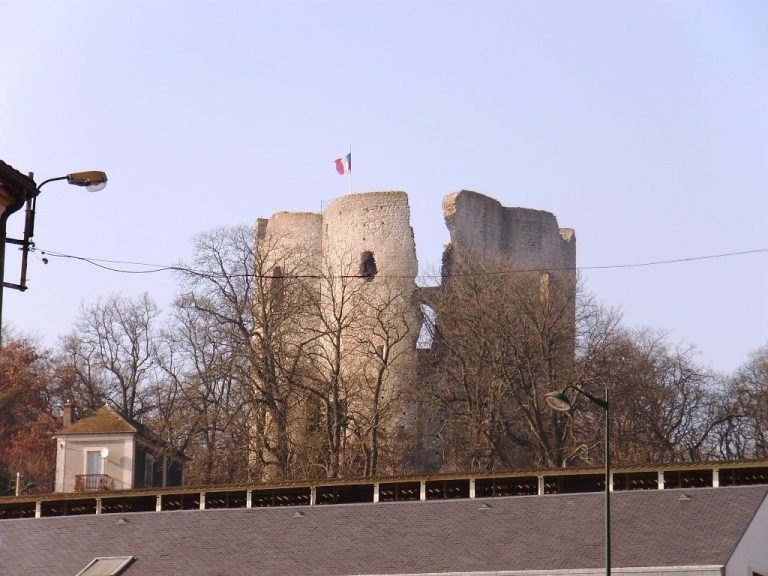
Château d'Étampes was a royal fortress in France, developed from the twelfth century around the Tour de Guinette. Its donjon, enclosures, sieges,…
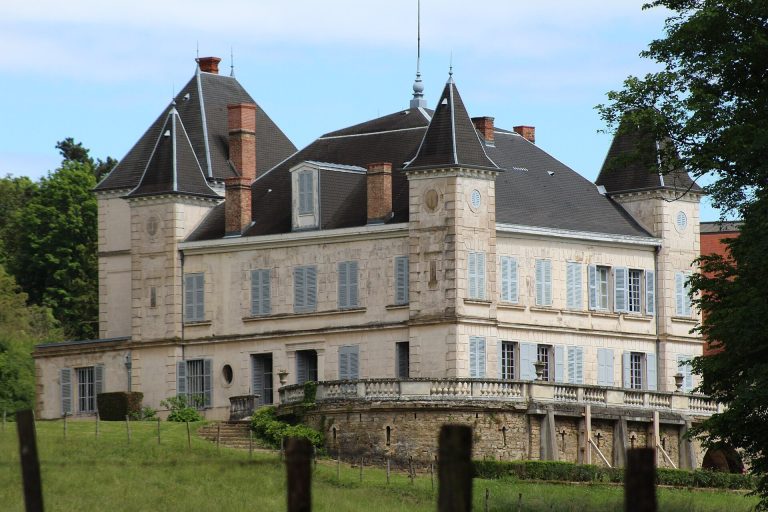
Château de Beaumont in Saint-Étienne-sur-Chalaronne replaced a medieval fortified castle and preserves elements of both the earlier motte and the…
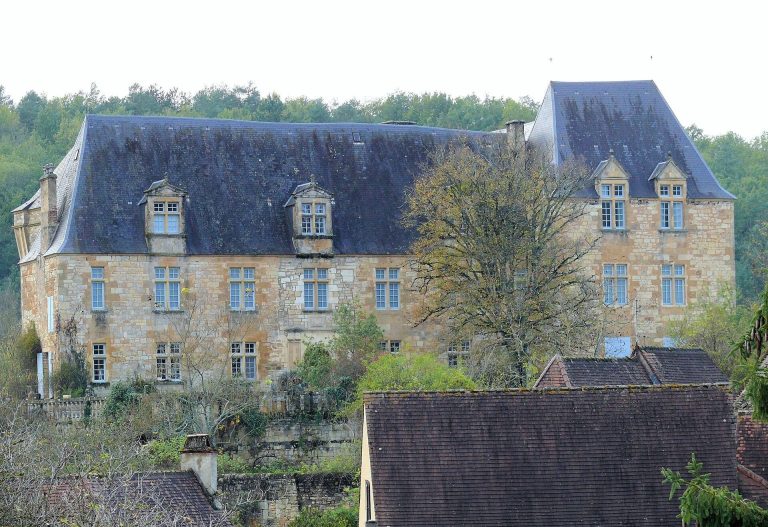
Château de Berbiguières is a medieval castle in the Dordogne’s Périgord Noir, associated with the Castelnau and Caumont families and developed over…
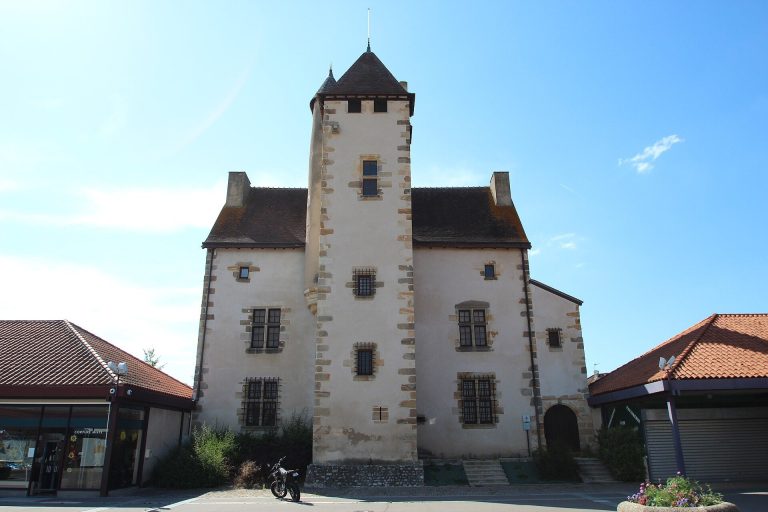
Château de Bien-Assis is a fifteenth-century fortified house in Montluçon, France. Its history includes successive noble owners, a rescue from…
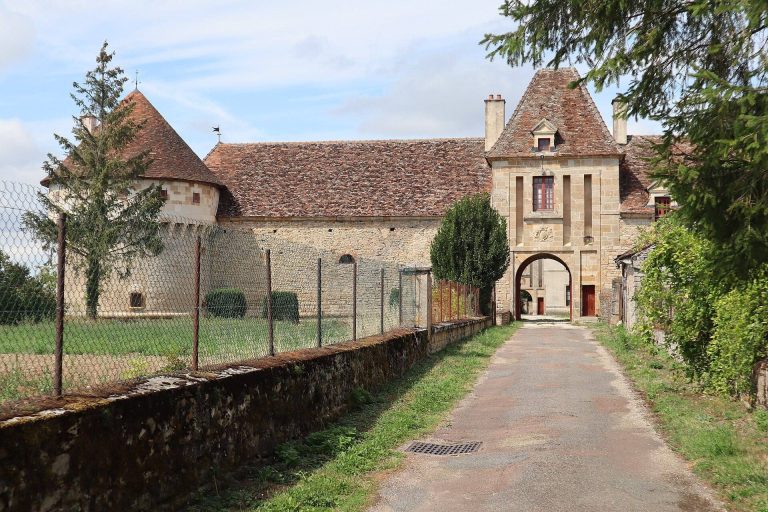
Château de Blaisy-Haut is a former medieval fortress in Burgundy, rebuilt in the late fifteenth century and altered after warfare, fire, and later…
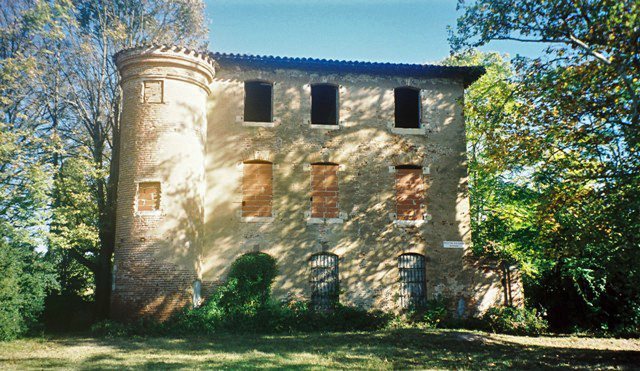
Château de Cantepau is an eighteenth-century brick château in Albi, shaped by the Delecouls family, later urban development, looting, and ongoing…
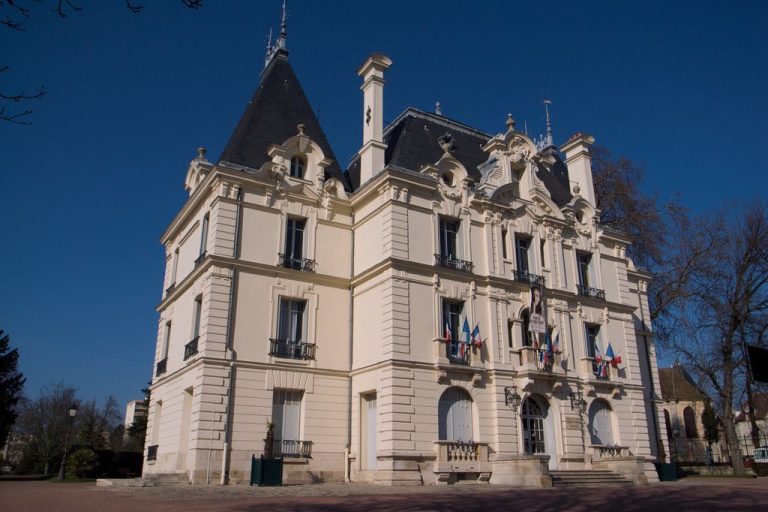
Château de Chilly-Mazarin developed from a thirteenth-century château into a seventeenth-century estate, later altered and partly rebuilt. Its…
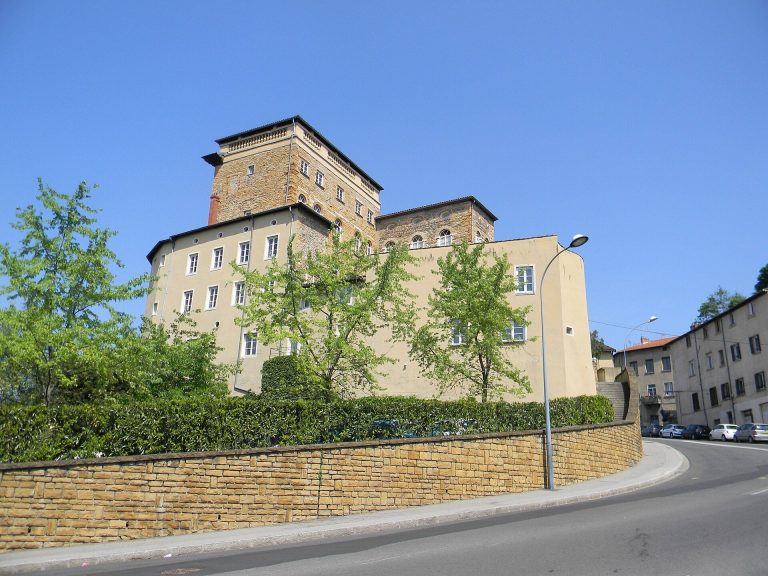
Château de Cuire is a former fourteenth-century fortified residence overlooking the Saône at Caluire-et-Cuire. Its history includes medieval…
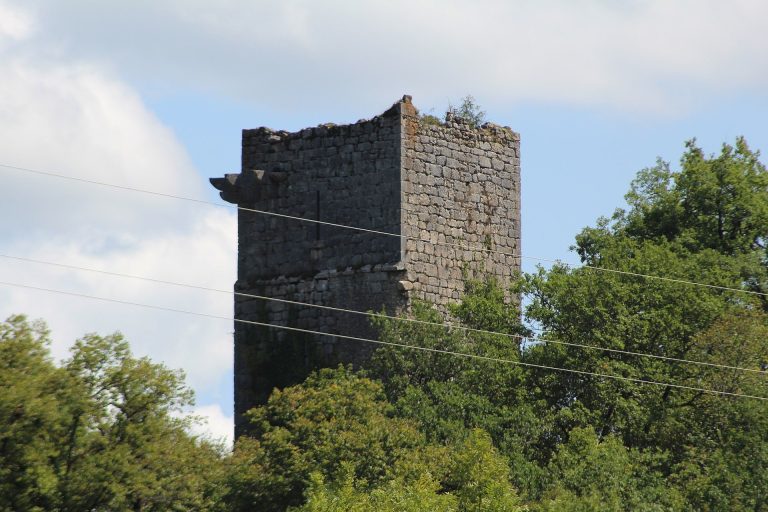
Château de Dorches in Chanay developed from a twelfth-century fortified residence into the administrative center of a lordship and châtellenie linked…
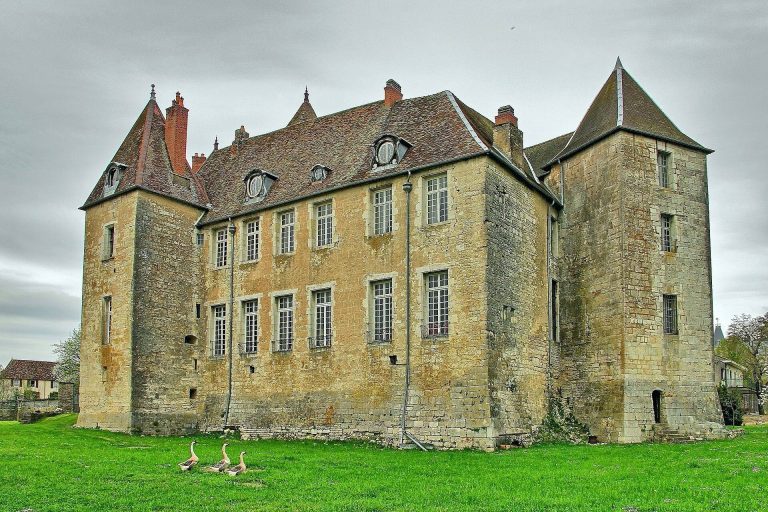
Château de Gy in Franche-Comté served as a residence of the archbishops of Besançon for nearly seven centuries and developed through medieval…
For details on how to use the maps, which sites are included, how popularity and ratings are determined, and how sites are classified, see the help page.
On this page7 sections
Moated castles and fortified residences
Bodiam Castle in England has round corner towers, a fortified gatehouse and a roughly square enclosure surrounded by water. Its principal buildings stood against the inside of the walls, leaving a central courtyard. The arrangement brought accommodation, a great hall and service rooms into a single compact residence without a separate keep.
Much of the interior is ruined, but the outer walls and towers preserve the building’s form. The moat and remains of the approach show how access was controlled and how the castle was presented across the water. The present bridge differs from the medieval approach, which passed through an intermediate island and defended entrances.
Town halls, market halls and council rooms
The Old Town Hall in Toruń, Poland, combined commerce with municipal government. Its four brick wings surround a courtyard reached by passageways from the market square. The ground floor contained a cloth hall, stalls, bread-selling spaces and a courtroom, while representative rooms occupied the floor above. Vaulted cellars and the civic tower remain part of the complex, alongside later rebuilding.
Aachen Town Hall in Germany incorporates parts of Charlemagne’s palace into a fourteenth-century civic building. Carolingian masonry survives in the southern side and lower structures, while the medieval town hall reused the site of the royal assembly hall. Its ceremonial upper hall served coronation banquets. The elaborate market façade and historical paintings largely reflect nineteenth-century restoration, rather than the appearance of the medieval building.
Abbeys, cloisters and chapter houses
At Fontfroide Abbey near Narbonne, France, the cloister connects the church with rooms used for meetings, dining and communal life. Paired columns and rounded arches support the lower cloister arcades, while Gothic rib vaults replaced the earlier timber roofs above them.
The chapter house opens widely onto the eastern gallery. Four central columns divide it into vaulted bays, and benches run around the walls where the community assembled. Separate parts of the wider complex accommodated monks and lay brothers. Modern restoration added decorative features, but the arrangement of the monastic rooms remains clear.
Gothic cathedrals and vaulted interiors
Reims Cathedral in France has a long nave, a broad transept and chapels arranged around the choir. Clusters of slender shafts rise from the piers into the rib vaults. Outside, flying buttresses carry the vaults’ thrust towards substantial supports and also contain channels for draining rainwater.
The window design pairs tall pointed openings beneath a circular rose, with stone tracery separating the glass. Sculpture fills the entrances and the upper façade. The cathedral’s medieval structure underwent major repair after the destruction of the First World War, including replacement of its roof structure.
Hospitals and courtyard institutions
The Ca’ Granda in Milan began as a hospital founded by Francesco Sforza in 1456. Wards and courtyards formed an ordered plan intended to bring patients from scattered hospices into one institution. The southern wing preserves the earliest principal building campaign, with arcades and decorated terracotta window surrounds.
The complex combines late Gothic details with early Renaissance design. Its much larger central court and other wings belong to later expansion, and wartime damage required extensive rebuilding.
Stone bridges and town approaches
The Capuchin Bridge in Slovenia spans the Selška Sora beside Škofja Loka’s old town with a single stone arch. Built in the fourteenth century, it formed part of an approach formerly associated with a town gate and watchtower.
The arch preserves the medieval crossing, while ironwork along its edges and the statue at its centre were added during nineteenth-century alterations. A later roadway deck sits above the older stone structure.
Explore the collection
Explore sites on the map or in the grid. Map icons indicate each site’s primary function, helping you identify different kinds of places at a glance. Narrow the results by country within this collection, primary function, site type or civilization, with additional filters for popularity and rating. Select a map marker to view the site’s details and open its article, or open the article from its grid entry.