Mamluk Historic Sites: Explore Mosques, Madrasas and Fortresses
Explore Mamluk historic sites across Egypt and the Levant, including mosques, madrasas, mausoleums, commercial buildings and fortresses. The collection brings together purpose-built Mamluk complexes and substantial additions to earlier sites. Cairo supplies many of the religious examples, while cities and defensive positions farther north show different settings for Mamluk construction.
Several buildings combined functions within a small urban footprint. Teaching rooms, prayer halls, tombs, shops and water fountains could form parts of the same foundation. Elsewhere, towers and enclosed courtyards accommodated garrisons and controlled routes through the surrounding country.
Primary Function: All
Type: All
Country: All
Popularity: All
Rating: All
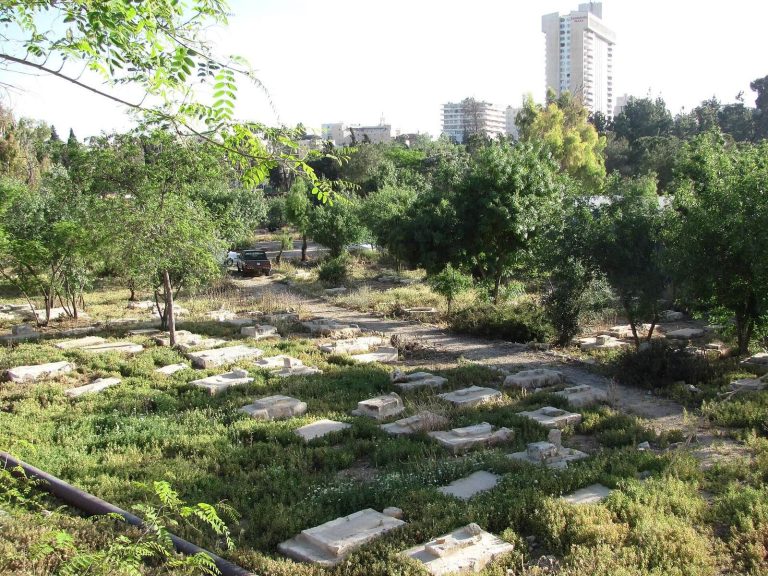
Mamilla Cemetery is a historic Muslim burial ground west of Jerusalem’s Old City, with burial traditions reaching back to the Byzantine period. Its…
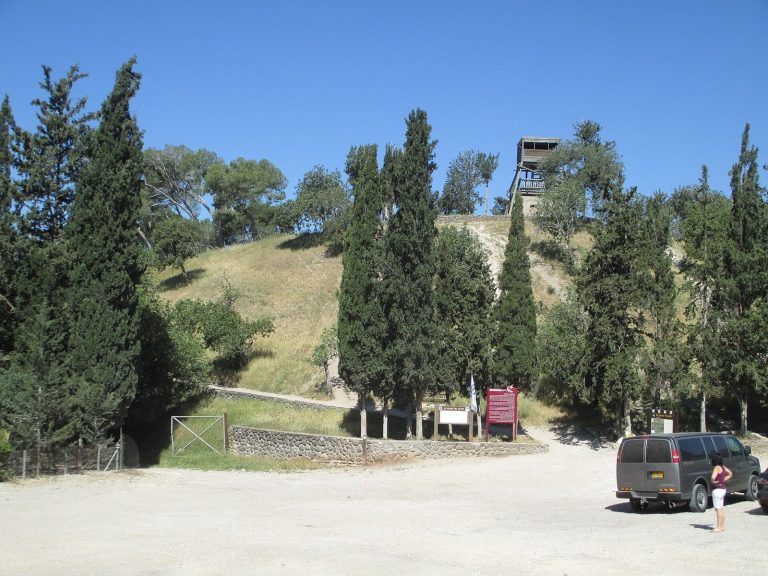
Shimron developed from an Early Bronze Age settlement into a fortified Middle Bronze Age city-state. Its remains trace settlement and changing use…
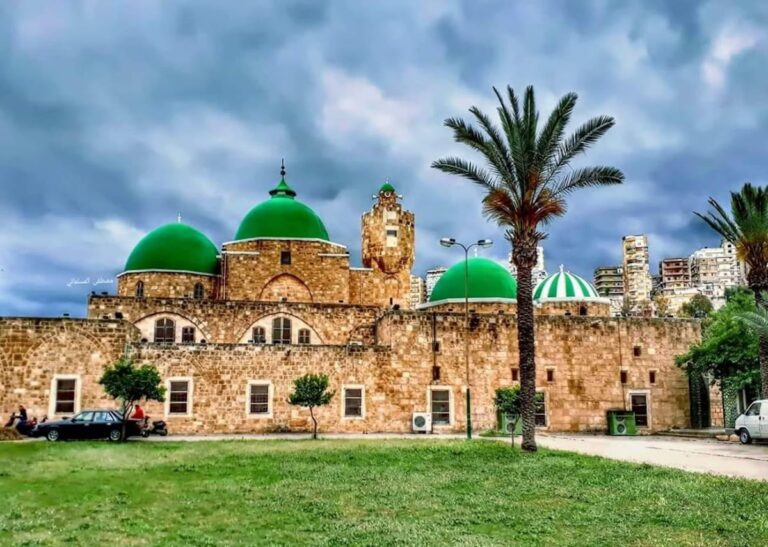
Taynal Mosque is a historic Sunni institution in Tripoli, Lebanon, completed in 1336 under the Mamluk governor Sayf al-Din Taynal al-Nasiri. Its…
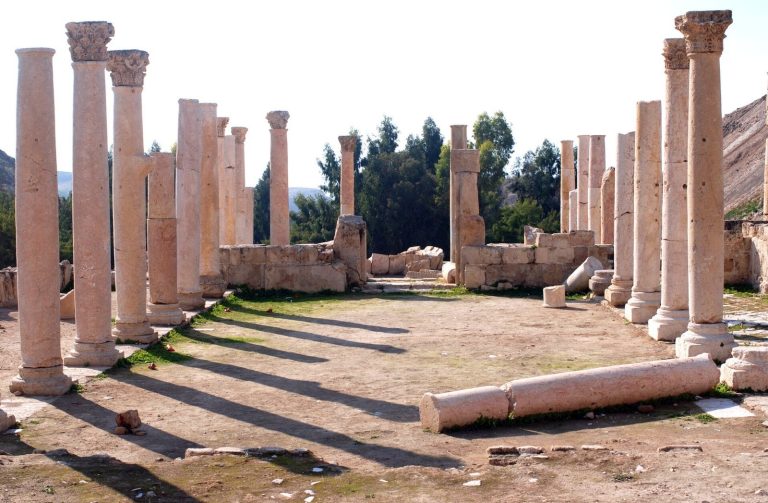
Pella in northern Jordan preserves evidence of occupation from the Neolithic period through the Islamic era, including Bronze Age fortifications,…
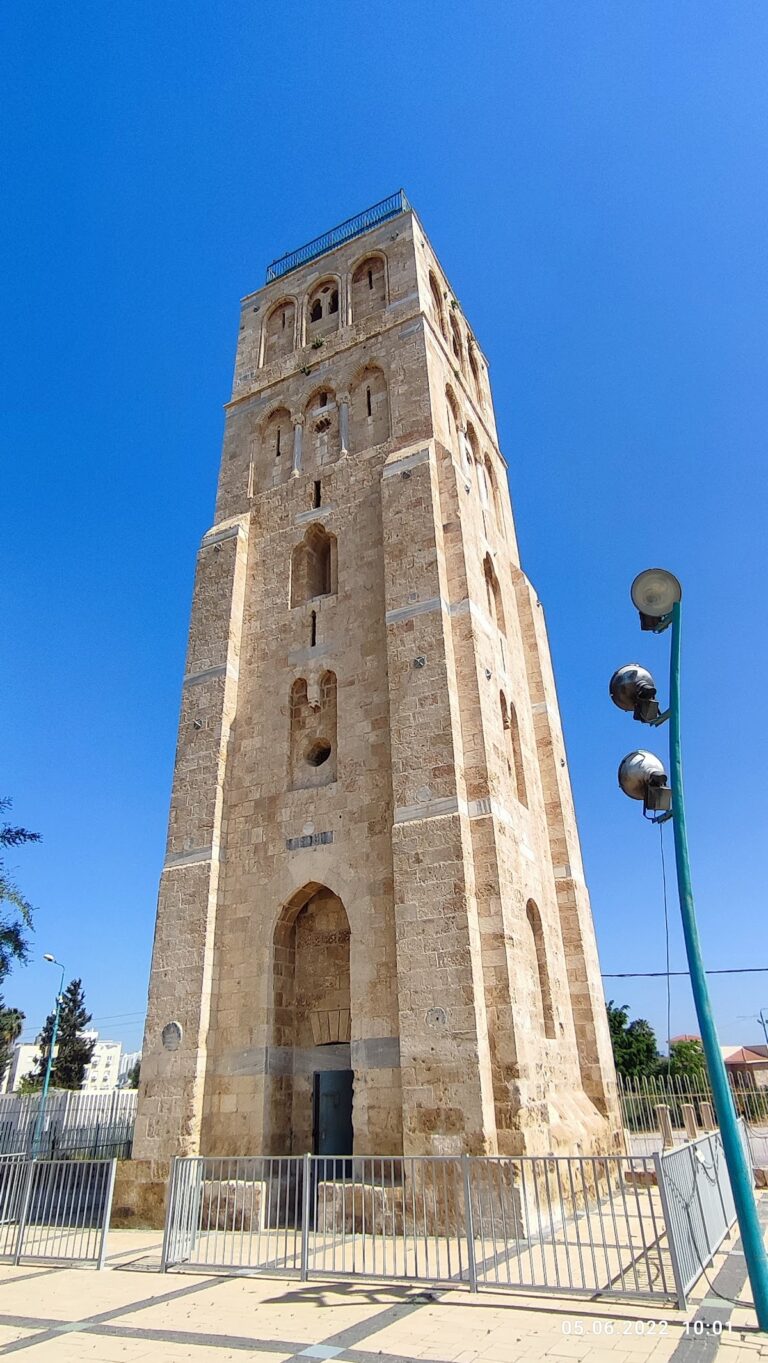
The White Mosque in Ramla preserves the remains of an Umayyad mosque repeatedly rebuilt after earthquakes, Crusader-era damage, and Mamluk…
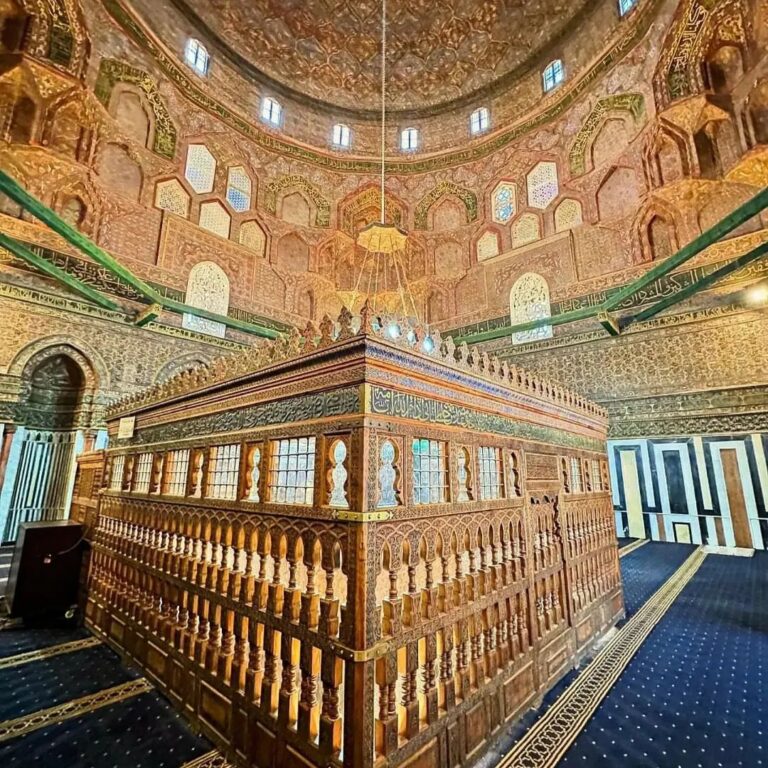
The Mausoleum of Imam al-Shafi'i in Cairo preserves the burial place of the Sunni jurist and the principal Ayyubid building raised over his grave,…

The Great Mosque of Aleppo is one of the city’s oldest and largest congregational mosques. Founded during the Umayyad period, it developed through…
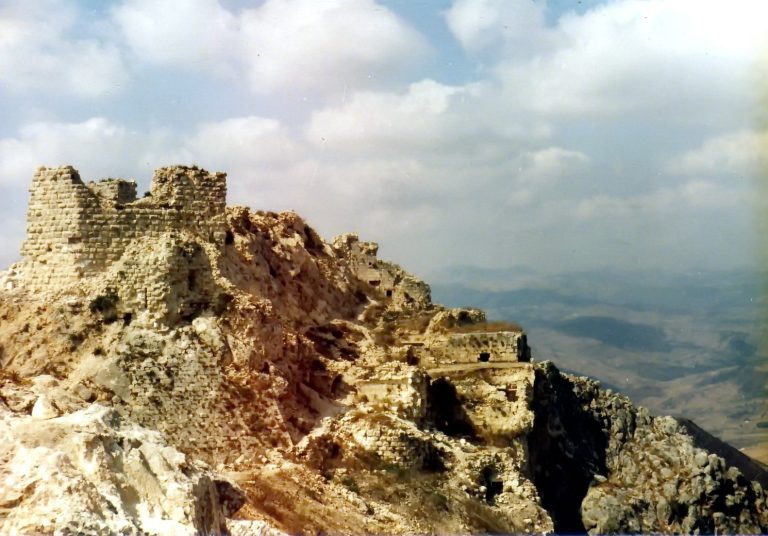
Beaufort Castle is a strategic medieval fortress in southern Lebanon whose history spans the Crusader, Ayyubid, Mamluk, Ottoman, and modern conflict…
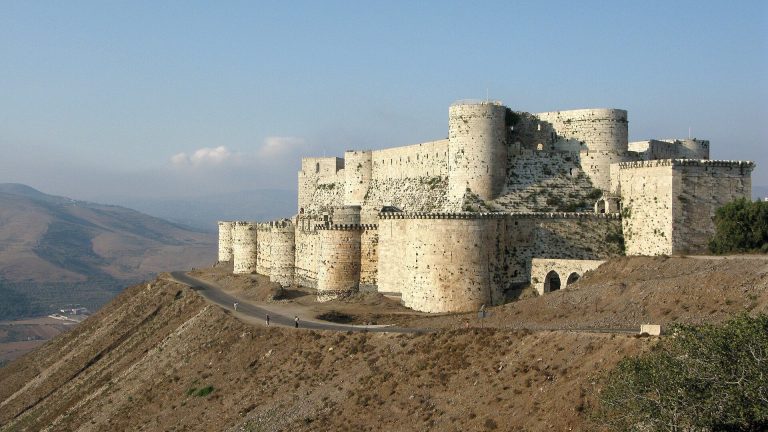
Krak des Chevaliers is a medieval fortress overlooking the Homs Gap in Syria. Developed by the Knights Hospitaller from an earlier Kurdish garrison,…
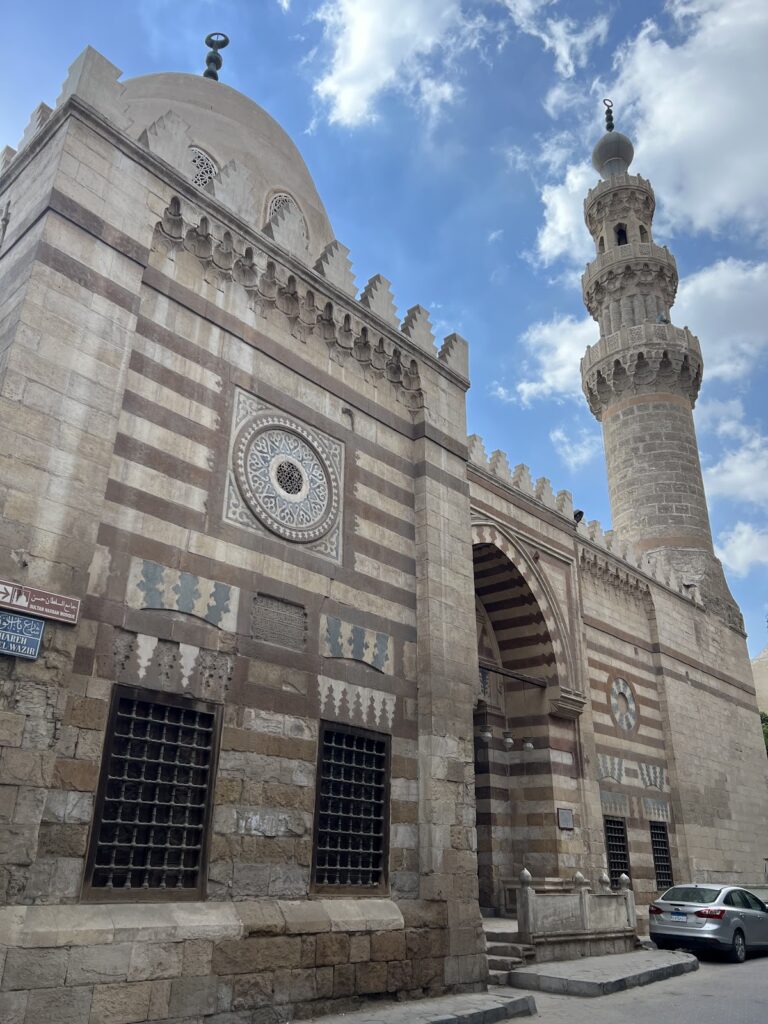
Aqsunqur Mosque in Cairo is a Mamluk-period mosque and funerary complex known for its unusual plan, Syrian architectural influences, Ottoman-era…
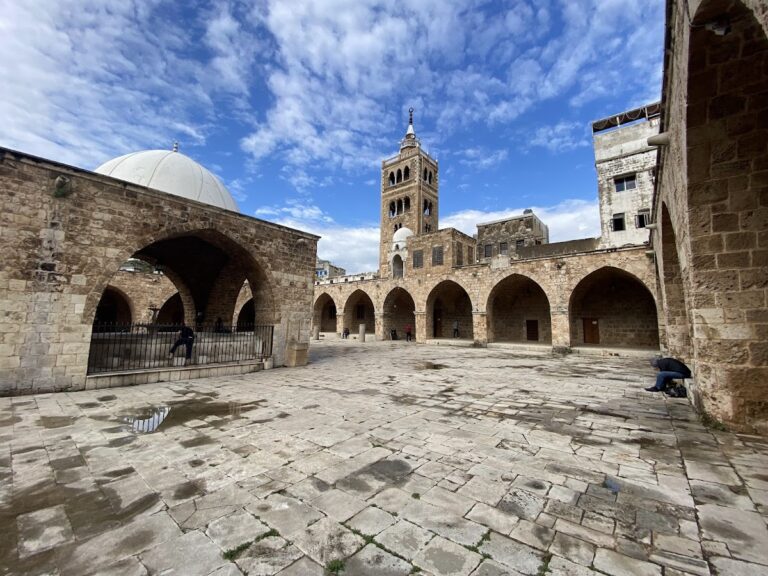
Built between 1294 and 1298, the Mansouri Great Mosque was the first Mamluk building in Tripoli. Its courtyard, prayer hall, inscriptions, minaret,…
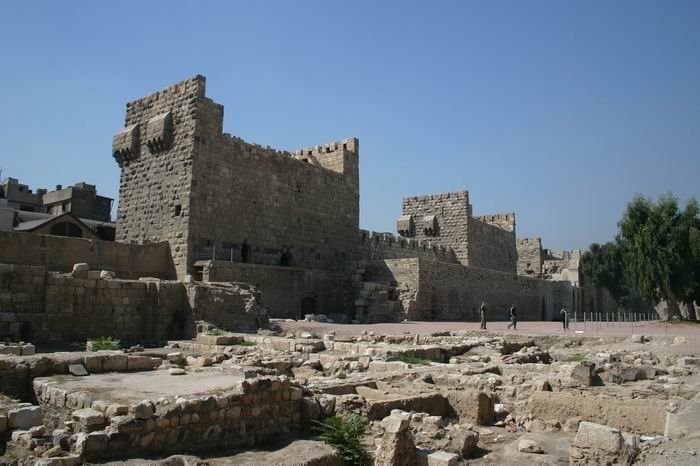
The Citadel of Damascus is a medieval fortified palace and fortress at the northwestern corner of Damascus’s walled old city. Begun in 1076, it was…
For details on how to use the maps, which sites are included, how popularity and ratings are determined, and how sites are classified, see the help page.
On this page6 sections
Mosque and funerary complexes across Cairo’s streets
The Sultan al-Ghuri Complex occupies two facing blocks on al-Muizz Street in Cairo. One contains the mosque and madrasa; the other incorporates a mausoleum, accommodation for a religious community, a public fountain and a school. Shops beneath the principal buildings connected the foundation to the surrounding markets.
The dome and minaret were designed to be seen together across the intervening street. The covered passage between the blocks has a modern replacement roof, but the opposed buildings still preserve the foundation’s unusual urban arrangement. Religious, educational and commercial spaces were organized around an existing thoroughfare.
Courtyard madrasas and street-facing tombs
The Madrasa of Sarghatmish stands beside the Mosque of Ibn Tulun in Cairo. Four large vaulted halls, or iwans, open towards its central courtyard. The mosque’s prayer orientation differs from the alignment of the street frontage, requiring the building to accommodate both within one plan.
Its domed mausoleum projects towards the street, while an octagonal minaret rises from the façade. These elements gave public visibility to the patron’s foundation and burial place. Modern conservation repaired stonework, decoration and courtyard paving; the surviving plan remains a useful example of a religious school fitted into a dense city.
Prayer halls in Cairo and Tripoli
Aqsunqur Mosque in Cairo has an open courtyard surrounded by arcades, with a deeper prayer hall on the qibla side. Its Mamluk fabric includes the portal, prayer spaces and associated tombs. The blue and green tiles that give it the name Blue Mosque were added during Ibrahim Agha’s seventeenth-century Ottoman renovation.
The Mansouri Great Mosque in Tripoli, Lebanon, also surrounds a courtyard with vaulted porticoes. Entrances open from several sides, with a double-vaulted portico before the prayer hall. The square minaret has been altered and restored through successive periods.
The courtyard and surrounding sheltered spaces provide a useful point of comparison, while the different entrances, towers and decorative histories distinguish the two buildings. The Cairo mosque’s later tilework should not be used to define its original Mamluk appearance.
Shops, water and schooling under one foundation
The Sabil-Kuttab-Wikala of Sultan Qaitbay was built in Cairo in 1477. Its name identifies three functions: a public water fountain, a school and an urban commercial inn. Separate storerooms occupy much of the complex, with the fountain-school building and an animal trough at its western end.
A stone portal, inscriptions and a decorated trilobed arch mark the commercial entrance. A wooden balcony leads towards the school. The arrangement shows how a foundation could serve traders, animals and neighbourhood residents alongside its educational purpose, with surviving architectural spaces for each activity.
Mamluk towers at Nimrod Fortress
Nimrod Fortress follows a long ridge below Mount Hermon in the Golan Heights. Its stone walls enclose upper and lower areas, with closely spaced towers defending the more accessible southern approaches. The northern cliff required fewer projecting defences.
Mamluk construction enlarged an earlier Ayyubid stronghold. An inscription dated 1275 records work under Sultan Baybars and his officer Bilik. Vaulted tower chambers, gateways and the surviving curtain walls provide substantial evidence of these military campaigns within a fortress shaped by the narrow ridge.
Explore the collection
Explore sites on the map or in the grid. Map icons reflect each site’s primary function, helping you identify different kinds of places at a glance. Refine the results by country, primary function, site type and era. Popularity and rating filters provide further refinements. Select a map marker to view the site’s details and open its article, or open the article from its grid entry.