Habsburg Sites: Explore Imperial Residences, Monasteries and Fortresses
Explore more than 1,500 sites associated with the Habsburg realms, including court residences, ceremonial monastery wings and artillery fortifications. The collection includes buildings from Habsburg rule, the Austrian Empire and Austria-Hungary across several present-day countries. The examples below concentrate on identifiable building campaigns: decorated apartments, reordered urban palaces, bastioned enclosures and facilities constructed for imperial garrisons.
Primary Function: All
Type: All
Civilization: All
Country: All
Popularity: All
Rating: All
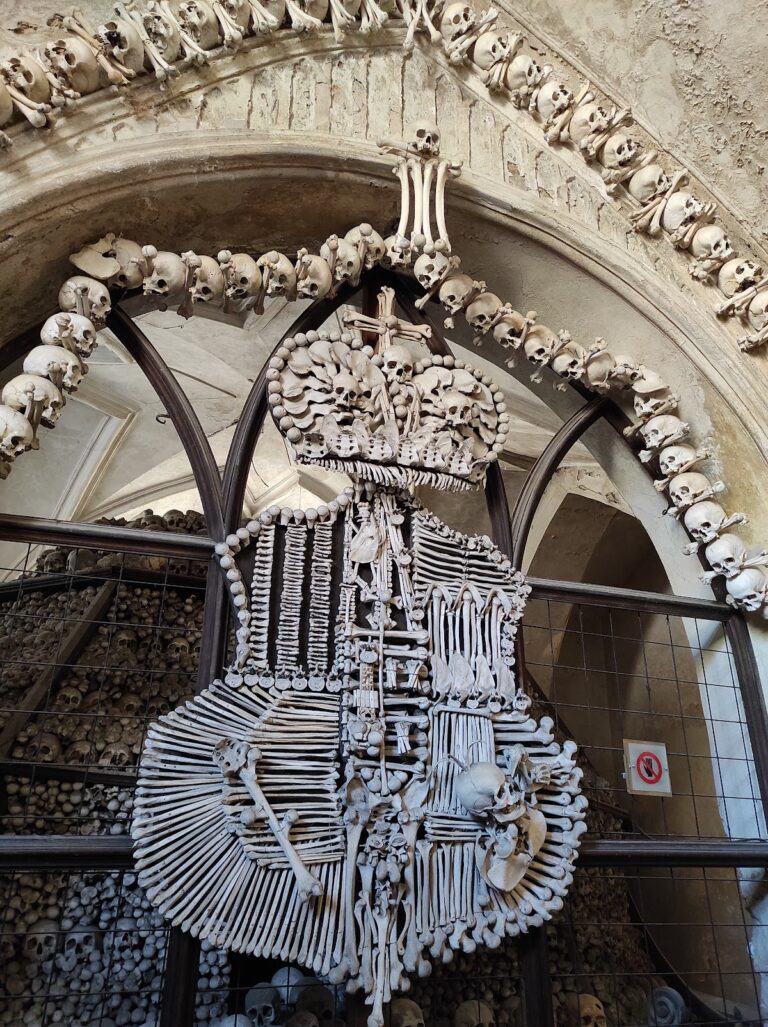
Sedlec Ossuary is the underground chapel of the Cemetery Church of All Saints in Kutná Hora, shaped by medieval burial history, Santini’s…
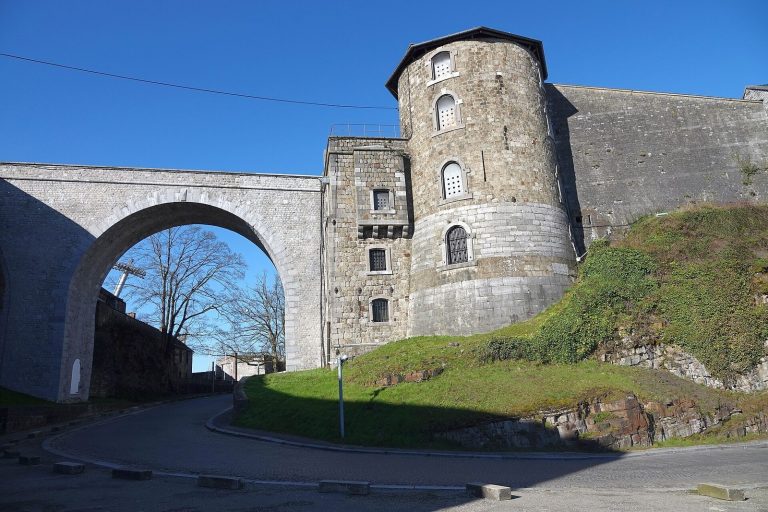
The Citadel of Namur developed from a medieval comital castle into a major European fortress. Its surviving sectors preserve defensive works from the…
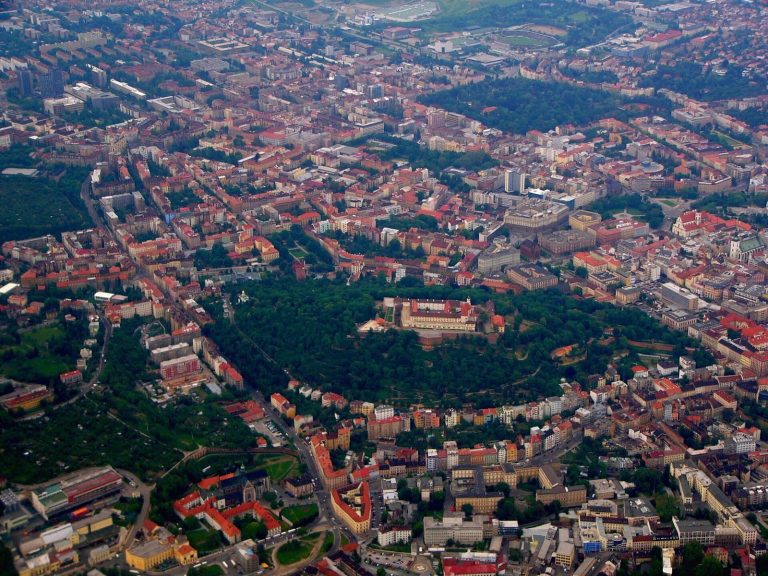
Špilberk Castle in Brno developed from a thirteenth-century royal stronghold into a Moravian margravial residence, Baroque fortress, and notorious…

Pieskowa Skała is a medieval castle in the Prądnik Valley that developed from a fourteenth-century royal stronghold into a Renaissance residence, a…
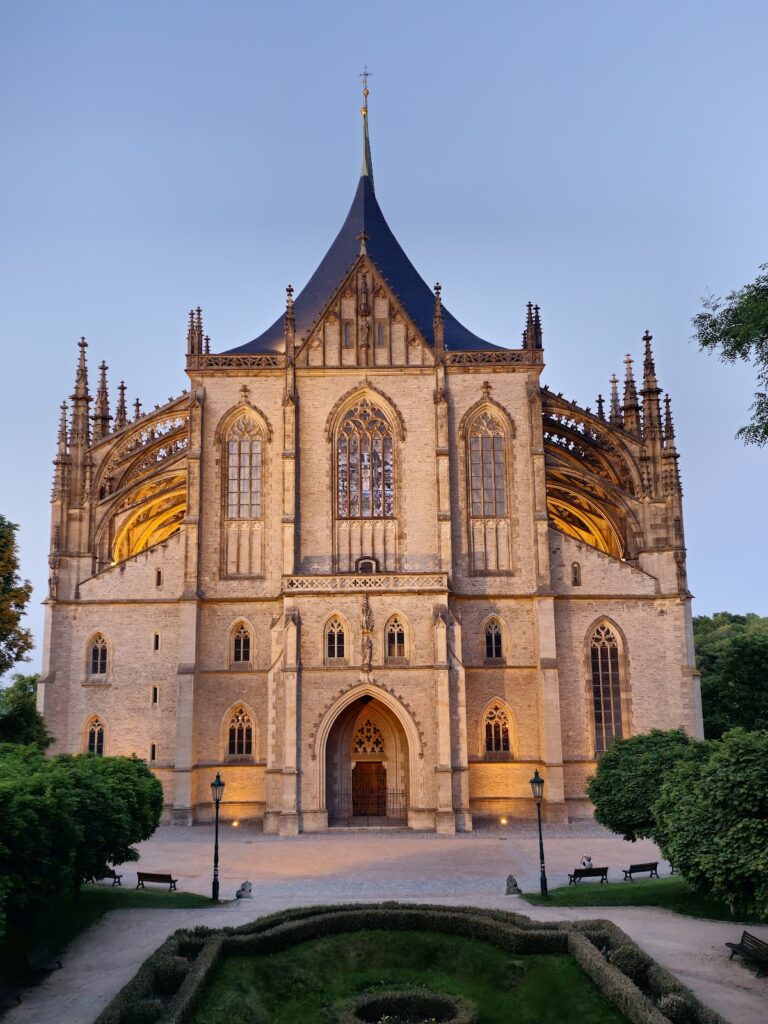
St. Barbara's Church in Kutná Hora was founded in 1388 by the town's burghers and shaped by the prosperity of silver mining, Hussite conflict,…

Melk Abbey traces its history from the Babenberg rulers and an eleventh-century Benedictine foundation to a major centre of monastic reform,…
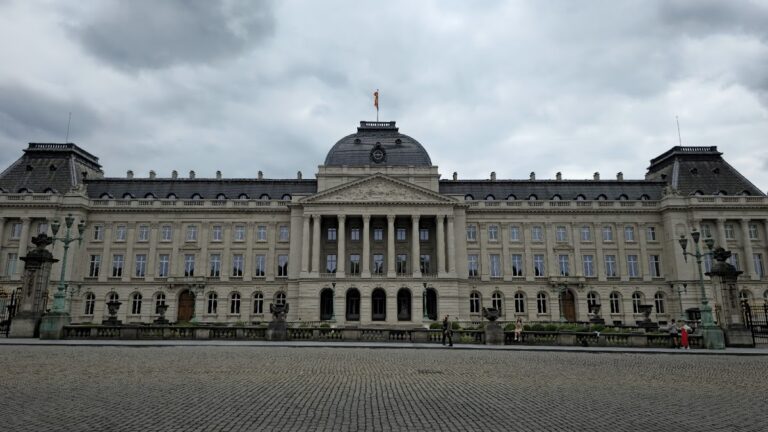
The Royal Palace of Brussels developed from aristocratic mansions built over the former Palace of Coudenberg. Enlarged and remodelled from the…
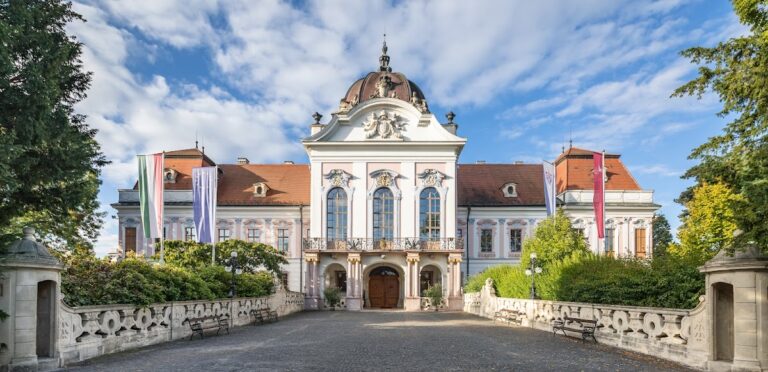
Gödöllő Palace in Hungary developed from an eighteenth-century Grassalkovich estate into a royal residence associated with Queen Elisabeth, and now…
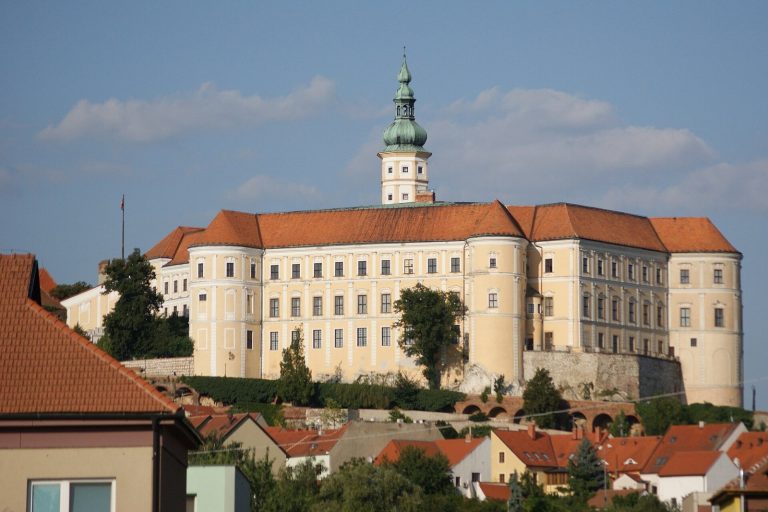
Mikulov Castle in South Moravia developed from a medieval border stronghold into a Renaissance and Baroque aristocratic residence. Rebuilt after…
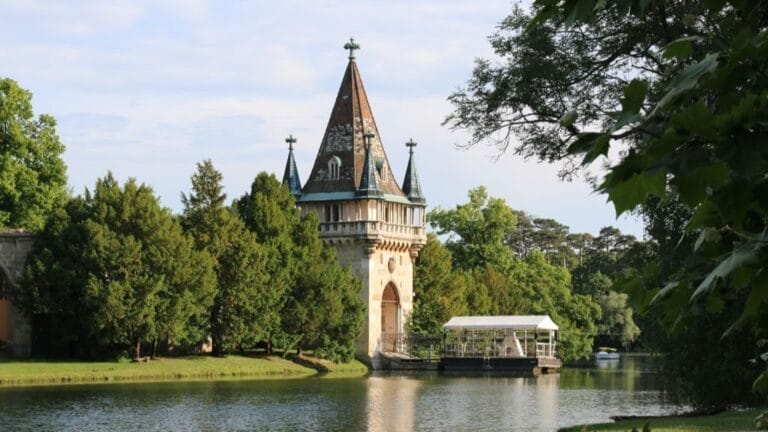
Laxenburg castles are a group of Habsburg palaces and landscaped grounds near Vienna, including the Old Castle, the Blue Court, and Franzensburg,…
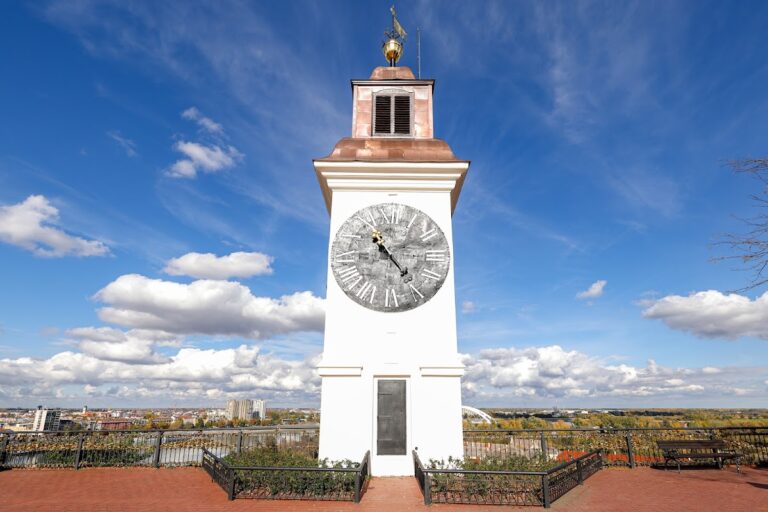
Petrovaradin Castle developed from prehistoric settlement and Roman, medieval, and Ottoman-era defenses into a major Austrian fortress on the Danube.…
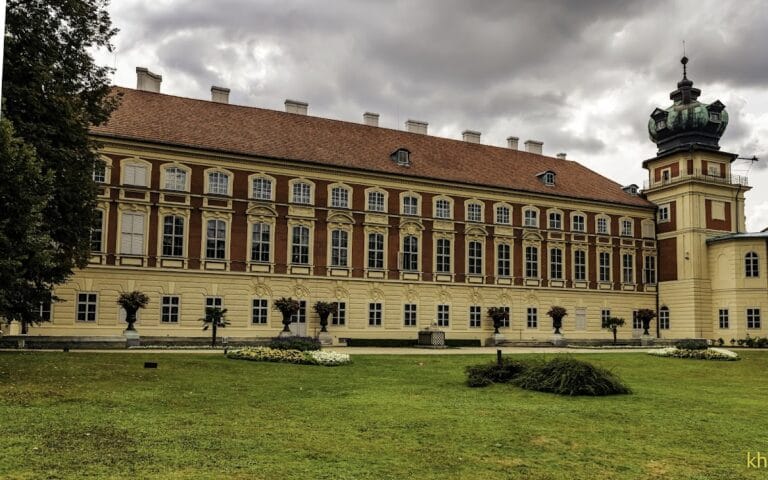
Łańcut Castle in southeastern Poland developed from a medieval fortified residence into a Baroque palace and the historic center of the Lubomirski…
For details on how to use the maps, which sites are included, how popularity and ratings are determined, and how sites are classified, see the help page.
On this page5 sections
Court apartments at Innsbruck and Miramare
The Hofburg in Innsbruck developed from a late medieval residence into a palace substantially reordered for Maria Theresa. Eighteenth-century works introduced regular floor levels, windows and rooms, a central staircase and a unified frontage towards the Rennweg.
The Giants’ Hall received ceiling paintings in the 1770s, while the room where Francis I died in 1765 became a memorial chapel. These alterations joined ceremonial display with the history of the ruling household. Further nineteenth-century furnishing campaigns shaped the imperial apartments, so their visible interiors extend beyond the palace’s medieval origins.
Miramare Castle occupies a promontory near Trieste. Archduke Maximilian commissioned the white limestone residence in the 1850s, with private rooms below and larger reception spaces above. Its towers and projecting forms belong to a nineteenth-century residence designed around views of the sea.
Maximilian’s bedroom and study evoke rooms aboard a naval vessel, while neighbouring apartments preserve silk wall coverings, fitted bookcases and elaborate furnishings. After removals during wartime, period records helped guide the restoration of the interiors. The surviving arrangement connects the household’s private life, naval interests and later Mexican imperial imagery.
Government residences in Milan and Brussels
The Royal Palace of Milan incorporates an older ducal complex beside the cathedral. Under Austrian Habsburg government, Giuseppe Piermarini regularised its frontage with aligned windows, plastered walls and stone pilasters. A projecting central entrance and balcony address the small square in front.
The Hall of the Caryatids brought earlier ceremonial rooms together into a long ballroom. Bombing and fire severely damaged it during the Second World War. Conservation has retained evidence of that destruction rather than fully recreating its former decoration. The palace therefore presents both the scale of an eighteenth-century court interior and the material record of its later losses.
The Palace of Charles of Lorraine in Brussels served the governor-general of the Austrian Netherlands. Its eighteenth-century development added apartments, a ceremonial entrance and a chapel to an older residence. A concave entrance front accommodated sloping ground and an irregular street approach.
Separate carriage openings led towards the vestibule and staircase, while another entrance served the chapel. Later rebuilding altered the surrounding complex. The surviving governor’s apartments and entrance preserve part of a residence whose plan answered both court ceremony and the existing city streets.
Klosterneuburg’s unfinished imperial wing
At Klosterneuburg Monastery near Vienna, Charles VI supported a vast rebuilding intended to combine monastic life with an imperial residence. Work began in the 1730s, but only part of the projected complex was built before his death in 1740.
The Imperial Wing carries two prominent domes, crowned respectively by imperial and Austrian archducal emblems. A monumental staircase leads towards apartments and the Marble Hall, whose ceiling celebrates the ruling house. Below, the unfinished Sala Terrena preserves large sculpted supporting figures within a planned garden hall. These spaces show both the ambitions of the project and the limits of what was completed.
Bastions and garrison facilities
Alba Iulia Fortress in Romania was built between 1715 and 1738 under Charles VI. Its star-shaped perimeter replaced earlier defensive arrangements on a site containing Roman and medieval remains. Projecting bastions allowed defenders to cover the neighbouring walls with intersecting fire.
The Habsburg enclosure should be distinguished from the older buildings and archaeological remains within it. Modern conservation has restored parts of the extensive fortifications, whose plan belongs to the eighteenth-century military rebuilding of Transylvania.
At Belgrade Fortress, Austrian occupation brought another major phase of reconstruction in the early eighteenth century. One surviving installation is the deep shaft traditionally called the Roman Well. Its present form belongs to the Austrian works, with paired spiral stairways descending beside the shaft; it functioned as a cistern after excavation failed to reach a useful water supply. This garrison facility survives within fortifications also containing Serbian, Ottoman and much earlier remains.
Explore the collection
Explore the map and grid by country, primary function, site type and era. The civilization filter distinguishes the included Habsburg and Austrian labels. Popularity and rating provide further refinements, and both map markers and grid entries give access to the individual site articles.