Historic Sites in Tunisia: Explore Roman Cities, Amphitheatres and Mosques
Explore historic sites in Tunisia, including Roman amphitheatres, ancient cities, mosques and coastal fortresses. The collection’s ancient remains include freestanding arenas, vaulted underground chambers and cities built across uneven ground. The examples below also introduce the prayer hall and furnishings at Kairouan, Andalusian-influenced architecture at Testour and the successive defences above Kelibia’s harbour.
Primary Function: All
Type: All
Civilization: All
Popularity: All
Rating: All
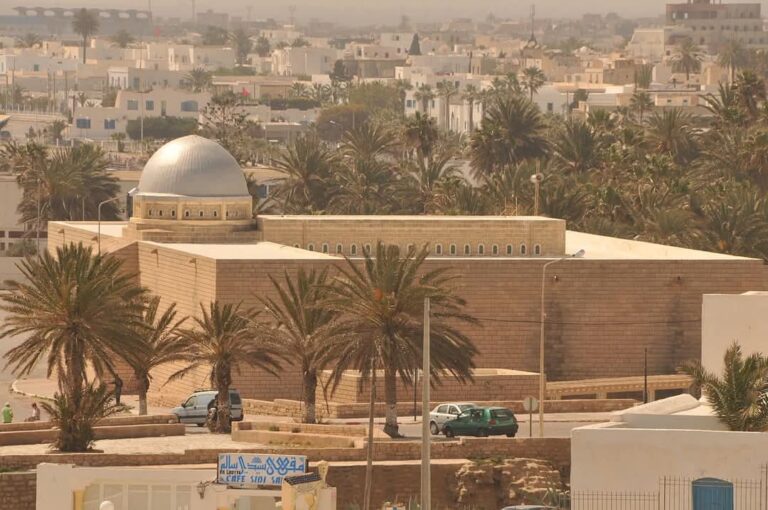
Founded in 916 by the first Fatimid imam and caliph, the Great Mosque of Mahdia served the dynasty’s new capital in Ifriqiya. Its fortress-like form,…
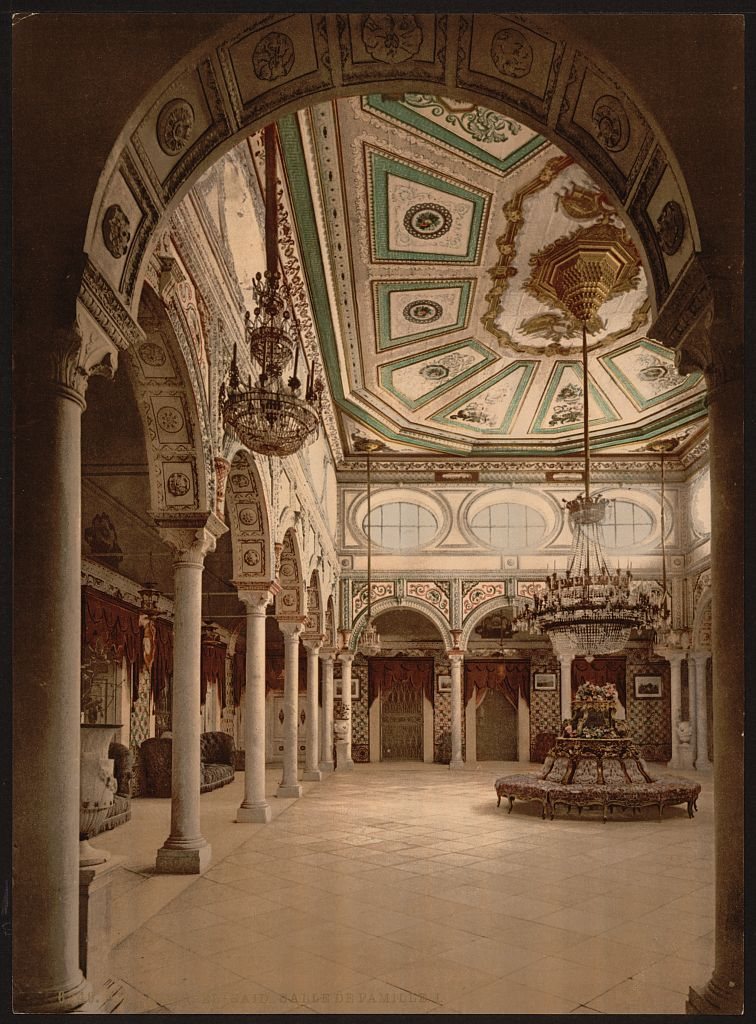
Ksar Saïd Palace in Le Bardo traces Tunisia’s nineteenth-century beylical history, its French protectorate-era transformation, and its later role as…
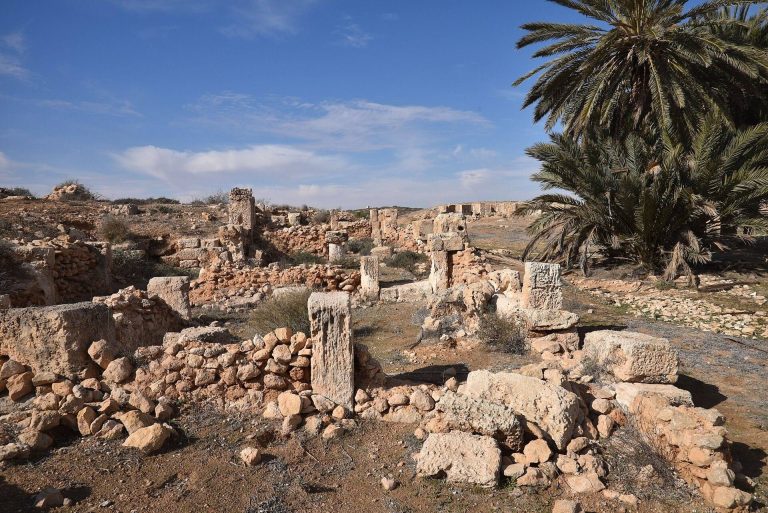
Gigthis was a Phoenician and Carthaginian trading settlement that became a prosperous Roman municipium on the Gulf of Boughrara. Its ruins preserve a…
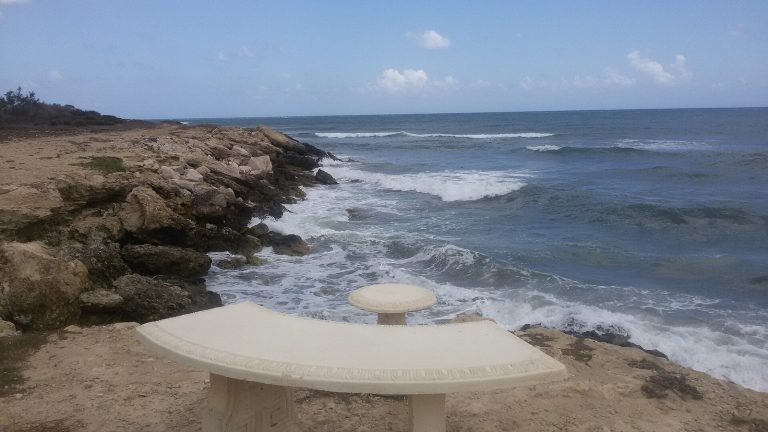
Kerkouane preserves the remains of a coastal Phoenician-Punic settlement on Cape Bon, offering evidence of urban planning, craft production,…
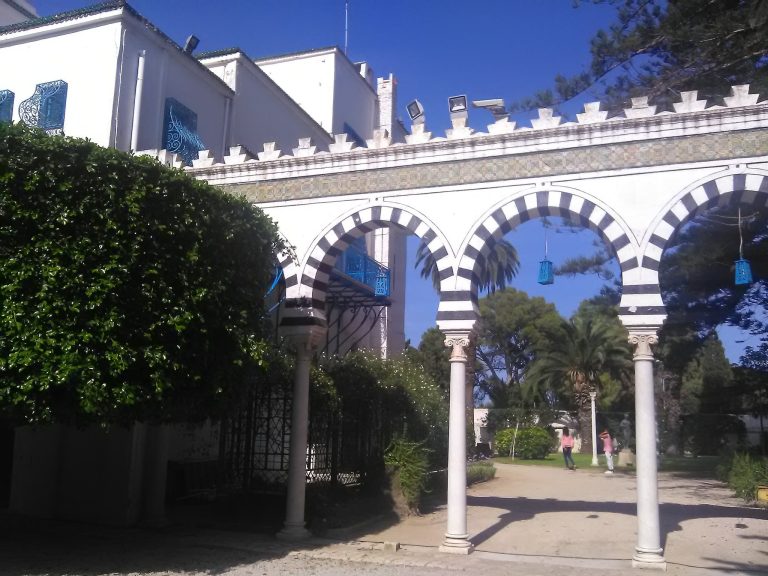
Dar El Kamila is a palace in La Marsa that began as an early nineteenth-century summer residence and later became a diplomatic residence,…
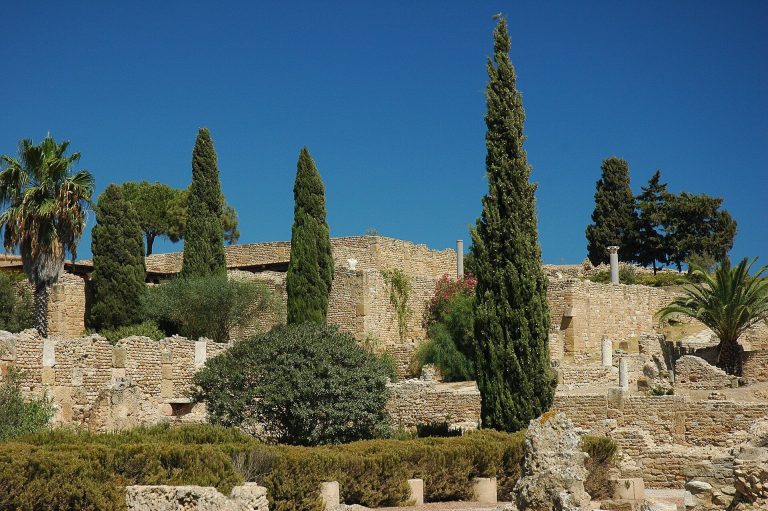
Odeon Hill and the Roman Villas Park preserve a Roman entertainment complex and an urban neighbourhood, including the theatre, odeon, and…
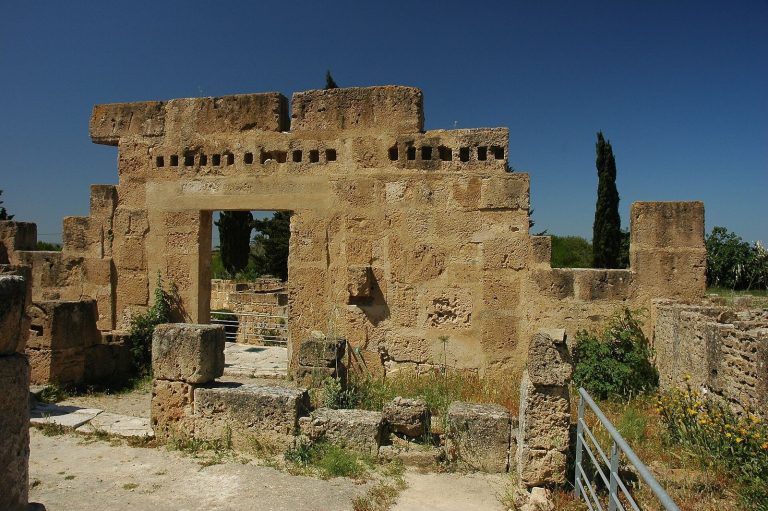
Utica was a Phoenician port that became a Carthaginian ally, Rome’s first provincial capital in Africa, and later a major Roman city. Its ruins…
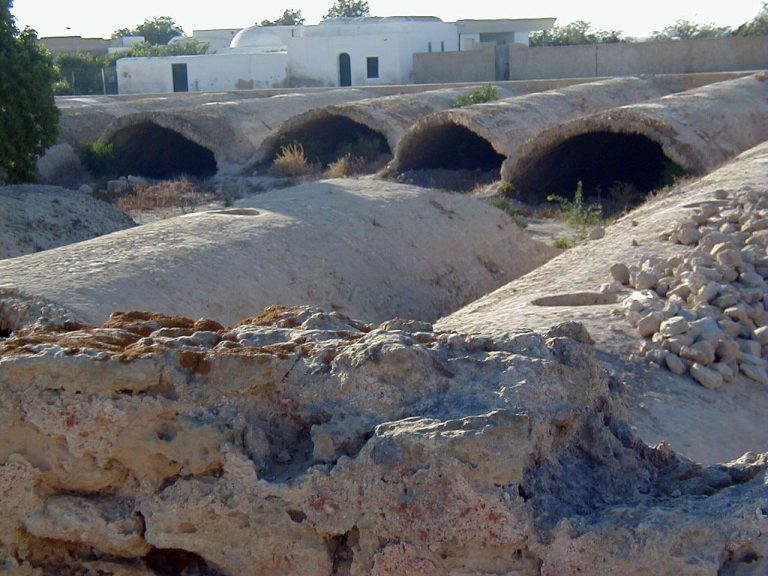
The Cisterns of La Malga formed a major Roman water-storage and distribution complex at Carthage, supplying the city and the Baths of Antoninus.…
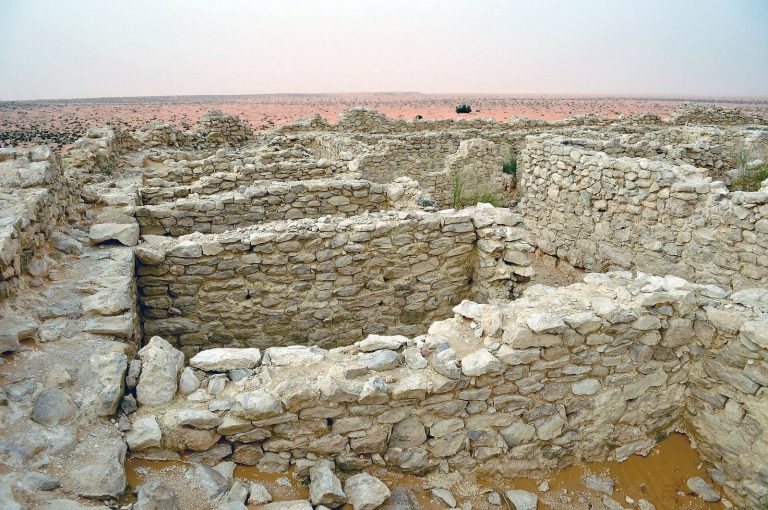
Ksar Ghilane is associated with the Roman fort of Tisavar, a late second-century installation of the Limes Tripolitanus on the southern Tunisian edge…
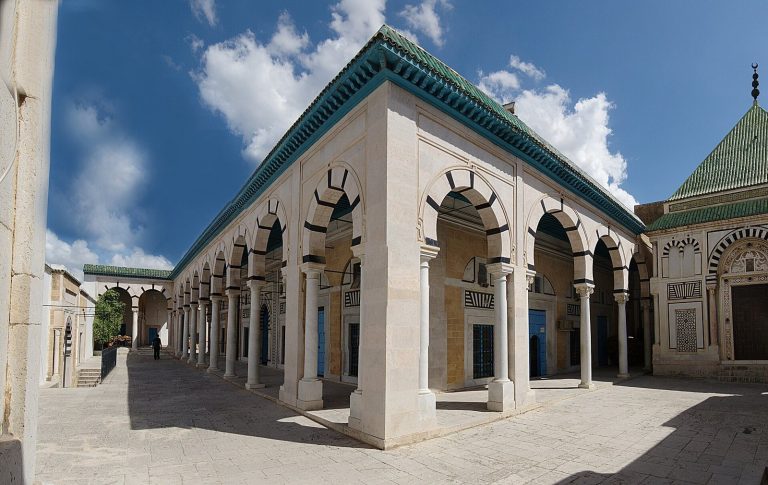
Built in 1655 by Hammouda Pacha Bey, this Tunis mosque expresses Ottoman, Tunisian, and Andalusian architectural influences and contains a Muradid…
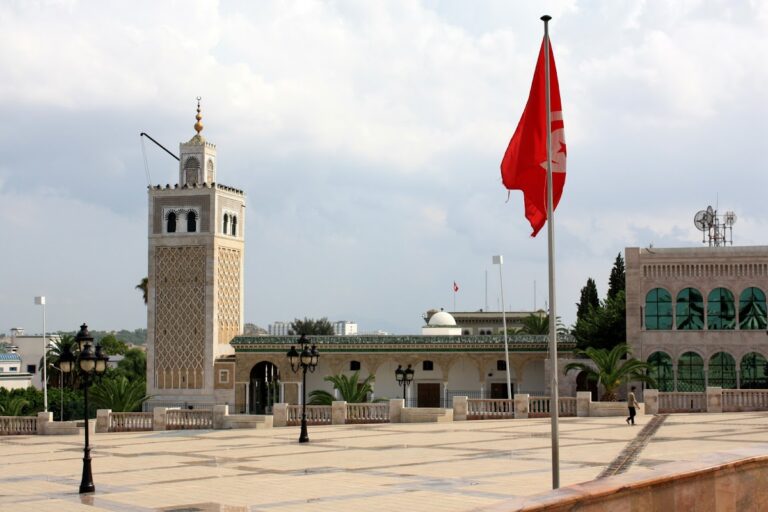
Kasbah Mosque was built in Tunis between 1231 and 1235 for the Hafsid rulers and later became a public Friday mosque. Its architecture combines…
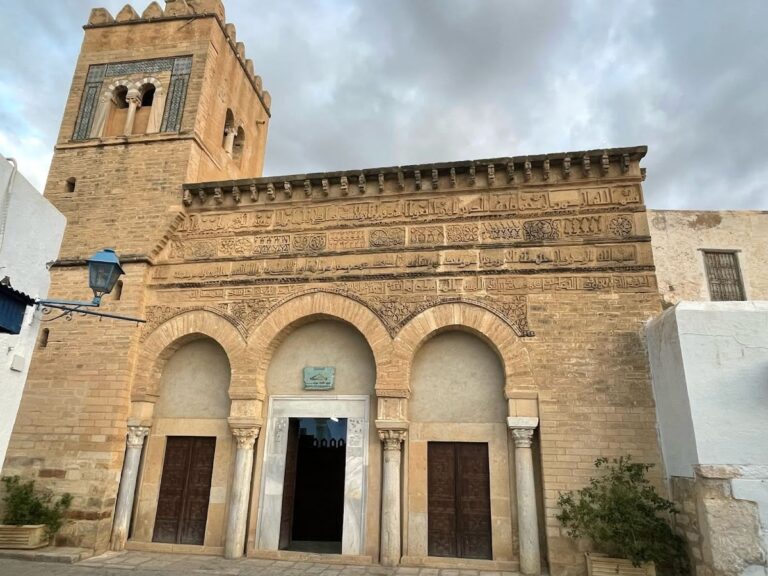
The Three Doors Mosque in Kairouan is an Aghlabid foundation known for its richly carved facade, early Kufic inscriptions, and Hafsid minaret.
For details on how to use the maps, which sites are included, how popularity and ratings are determined, and how sites are classified, see the help page.
On this page5 sections
Roman amphitheatres and vaulted chambers
The El Jem Amphitheatre is a freestanding Roman arena built on level ground. Its tall exterior has three levels of arcades, and an extensive system of arches and vaults supported the seating and circulation spaces. Large sections of the outer structure remain standing, preserving the building’s height as well as the ellipse of its arena. The sandstone used for construction was brought from coastal quarries and has weathered from a pale colour to the ochre surface seen on the monument.
At Uthina, the amphitheatre used the ground differently. Its lower seating was cut into the terrain, with only the upper structure rising above the surface. An underground gallery along the arena’s principal axis connected vaulted rooms beneath it. Elsewhere in the city, the Capitol stood on a high podium containing further vaulted chambers. These substantial substructures survive even where the buildings they supported are incomplete.
Ancient cities, temples and houses
Dougga preserves a Roman city developed within an earlier Numidian settlement. Its streets follow the hillside and older buildings rather than a regular grid. Houses, religious buildings and civic spaces occupy different levels, with routes descending from the upper part of the town.
The Capitol retains a columned façade and pediment above a broad stairway. Niches within the temple chamber once held divine images, including a central position associated with Jupiter. Nearby paving carries the compass-rose design that gave the Rose of the Winds Square its name. Farther down the slope, the Trifolium house was arranged around a courtyard reached by a descending entrance, adapting its rooms to the same uneven ground as the public buildings.
Mosques and decorated prayer halls
The Great Mosque of Kairouan acquired much of its present arrangement during the ninth-century Aghlabid period. Its thick outer walls and buttresses enclose a large courtyard and a prayer hall divided into numerous aisles. Later gates and repairs added to this early medieval core.
The interior preserves finely worked furnishings as well as architectural space. Metallic-glazed tiles surround the prayer niche, while the carved teak pulpit beside it dates to the ninth century. Painted ceiling boards belong to several periods, with foliage, inscriptions and changing colour schemes recording successive decorative campaigns.
The Great Mosque of Testour was founded in the seventeenth century by a patron of Andalusian origin. Its courtyards and columned prayer hall draw on local traditions, while tiled roofs, stucco ornament and the minaret introduce forms associated with Spain. The minaret rises from a square lower section to a decorated octagonal upper tower. Within the prayer hall, a triangular pediment frames the prayer niche, providing a particularly clear example of the building’s mixed architectural vocabulary.
Coastal fortresses and harbour defences
Fort Kelibia occupies a rocky promontory overlooking a harbour on Cap Bon. Its high walls and towers contain work from different periods, with major Ottoman rebuilding above earlier defences. Hollow towers held guardrooms, while the enclosed courtyard contains an ancient rainwater reservoir and Byzantine remains. The surviving fortress is therefore a layered military complex: its prominent upper works belong to later rebuilding, while earlier masonry and water infrastructure remain within them.
Explore the collection
Explore sites on the map or in the grid. Map icons indicate each site’s primary function, helping you identify different kinds of places at a glance. Narrow the results by primary function, site type, civilization or era, with additional filters for popularity and rating. Select a map marker to view the site’s details and open its article, or open the article from its grid entry.