Historic Sites in Jordan: Explore Ancient Cities, Mosaic Churches and Desert Castles
Explore historic sites in Jordan, including Nabataean rock-cut monuments, Roman cities, church mosaics, Crusader castles and early Islamic courtyard buildings. The examples below range from Petra’s sandstone basin and the paved streets of Jerash to the mosaics of Umm ar-Rasas, the plateau defences of Kerak and the basalt enclosure at Al-Azraq.
Primary Function: All
Type: All
Civilization: All
Popularity: All
Rating: All
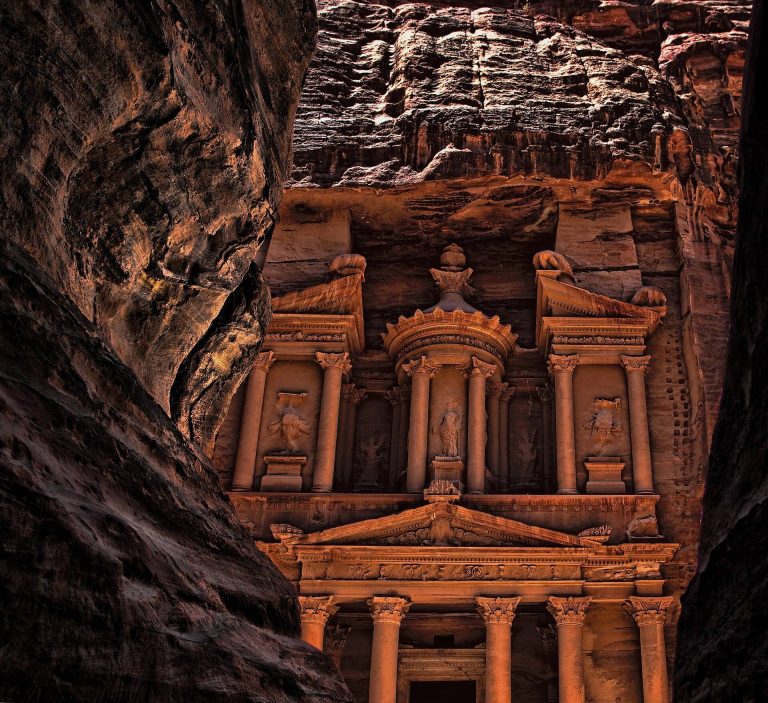
Petra was the capital of the Nabataean Kingdom and a major centre of caravan commerce, religion, and water management. Its rock-cut monuments, Roman…
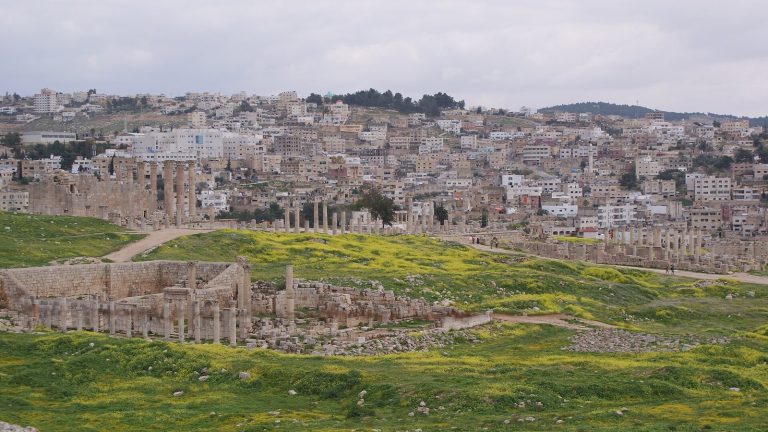
The Archaeological Site of Jerash preserves the ancient city of Gerasa, whose history extends from a Neolithic settlement through Hellenistic, Roman,…
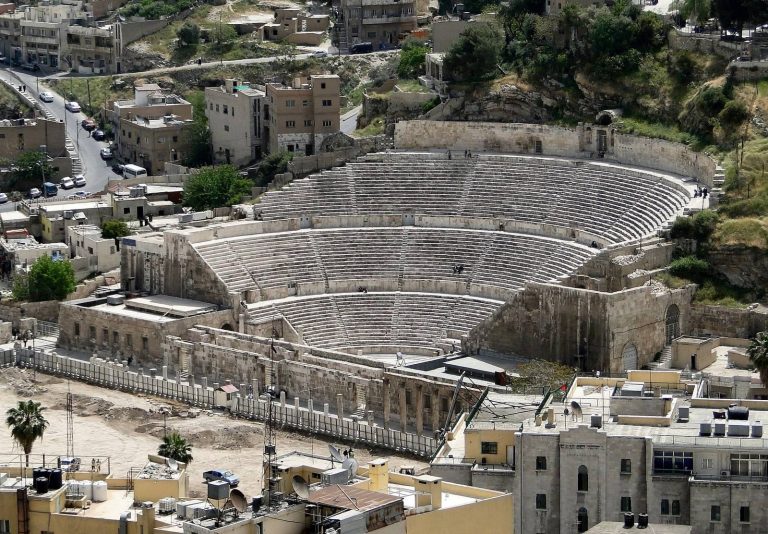
Amman’s Roman Theater is a second-century monument built into Jabal Al-Joufah when the city was known as Philadelphia. Its restored auditorium, stage…
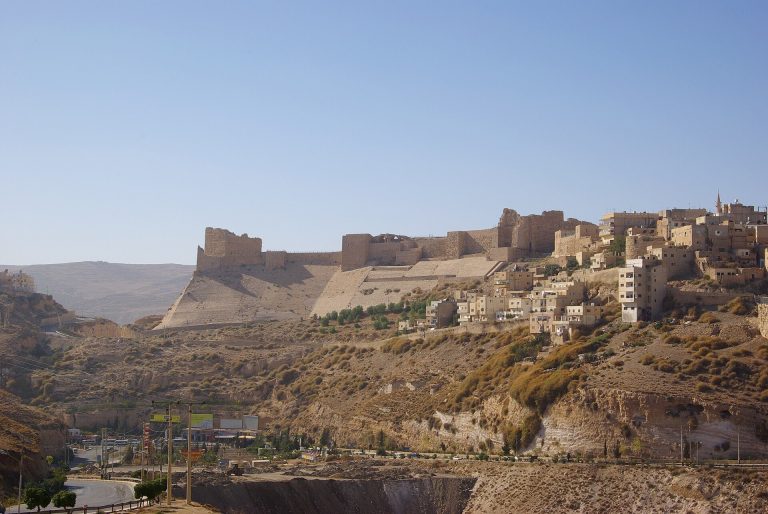
Kerak Castle in al-Karak developed from an ancient fortified site into a major Crusader, Ayyubid, Mamluk, and Ottoman stronghold controlling routes…
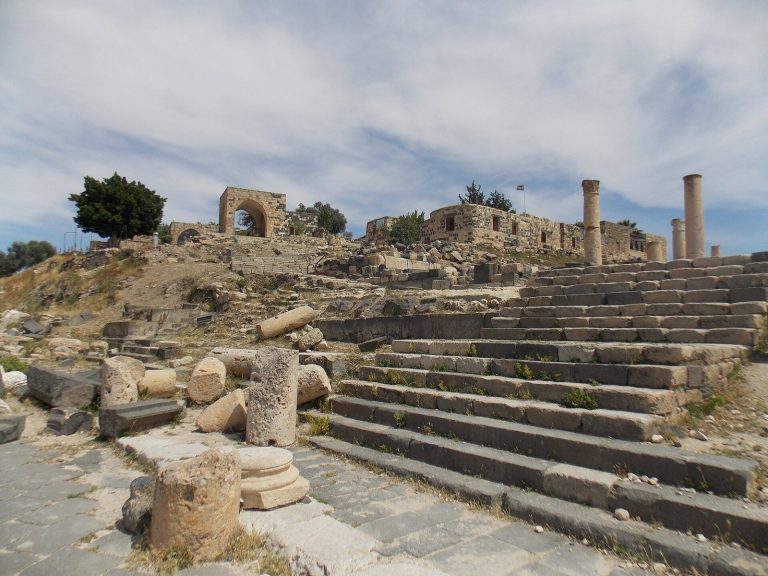
Umm Qays preserves ancient Gadara, a Hellenistic city that became a major Greek cultural center, a Roman Decapolis city, and a Christian episcopal…
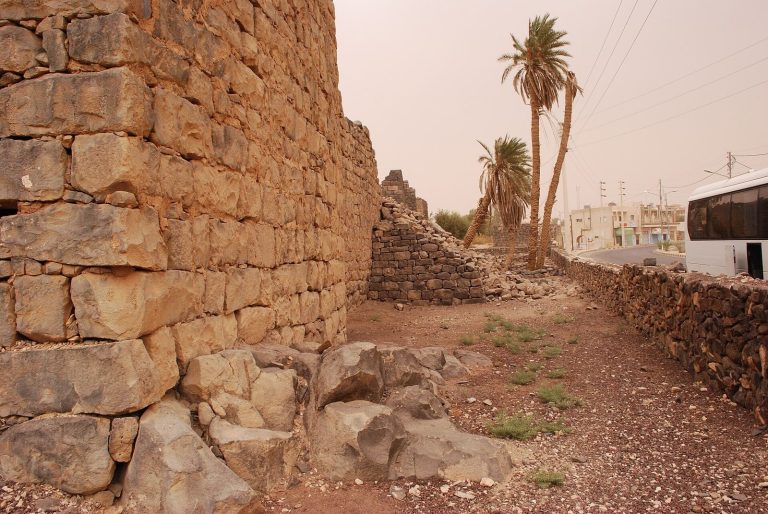
Al-Azraq Castle developed from Roman military installations guarding the Azraq oasis and routes across the eastern Jordanian desert. Its basalt walls…
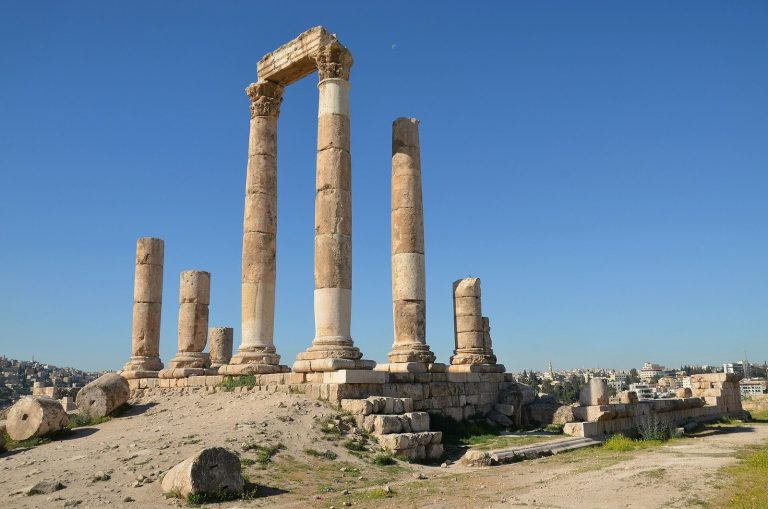
The Roman Temple of Hercules forms part of Amman Citadel, an ancient hill settlement with evidence of occupation from the Neolithic period through…
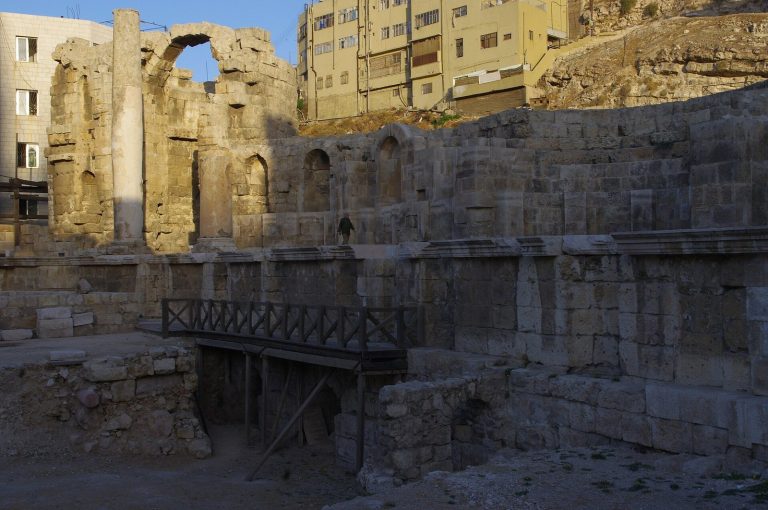
Roman Nymphaeum Amman was built in ancient Philadelphia during a major period of urban construction. Its later conversion, reuse, and restoration…
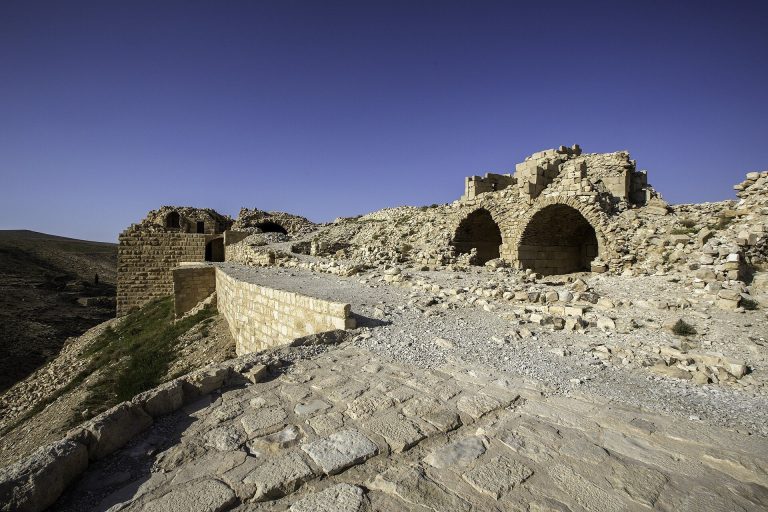
Montréal Castle, also known as Saubak, was a Crusader stronghold founded in 1115 to control routes across Edom. It later served Ayyubid, Mamluk, and…

Qasr Kharana is a well-preserved desert complex in eastern Jordan, probably built during the Umayyad period and completed by 710. Its original…

Aqaba Castle in southern Jordan developed from earlier Islamic occupation into a Mamluk and Ottoman fortified caravanserai on the pilgrimage route to…
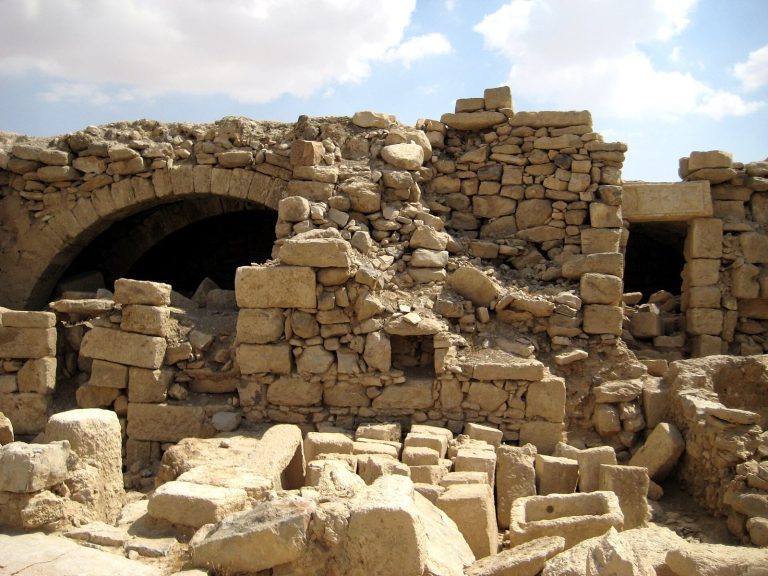
Umm ar-Rasas preserves the remains of a Roman military station that developed into a Byzantine Christian and early Islamic town, with churches,…
For details on how to use the maps, which sites are included, how popularity and ratings are determined, and how sites are classified, see the help page.
On this page5 sections
Ancient cities and rock-cut monuments
Petra occupies a sandstone basin crossed by wadis and enclosed by steep mountains. The Nabataeans cut monumental façades into the cliffs while also constructing freestanding buildings. At the end of the Siq, the Treasury has two levels of architectural decoration, including columns, a broken pediment and a central circular feature. Behind the façade are comparatively simple chambers. Despite its familiar name, the building is generally interpreted as a tomb, with its precise attribution still debated.
Water channels, pipes and drainage works accompanied the approaches to Petra, carrying supplies and controlling runoff through the difficult terrain. These installations belong to the city’s physical plan alongside its more prominent carved monuments.
Jerash preserves a different urban arrangement. A long paved avenue connects principal parts of the Roman city, with colonnades, intersecting streets and public buildings along its course. Wheel ruts remain in sections of the paving, and drainage ran underneath. The Oval Forum forms a broad, curved space at the southern end of this network, framed by Ionic columns. Its shape accommodates the ground and the approach to surrounding monuments rather than continuing the street as a simple straight corridor.
Churches and mosaic floors
Umm ar-Rasas developed from a Roman military enclosure into a settlement containing houses and churches. The Church of St Stephen preserves an extensive mosaic floor dated to the eighth century, after the beginning of Islamic rule. Its imagery includes hunting and fishing scenes and representations of cities from the surrounding region and the Nile Delta.
Inscriptions identify contributors to the mosaic work, while the pavement overlies an earlier church floor. The surviving decoration provides evidence for the continued use and embellishment of Christian buildings within a settlement whose military and residential layout had already changed considerably.
Castles and oasis forts
Kerak Castle occupies the end of a plateau, using steep slopes to restrict the directions from which it could be attacked. Thick walls, projecting towers and ditches protected the remaining approaches. Large arched halls survive on two levels along the northern side, serving accommodation, stabling and defensive functions. Later Islamic construction repaired and enlarged the Crusader fortress, including a massive southern tower with several storeys and arrow slits.
Al-Azraq Castle stands at an oasis on routes towards northern Arabia and Syria. Built from local black basalt, it has a roughly square enclosure with corner towers and rooms around a broad courtyard. Its layout preserves late Roman elements beneath extensive later rebuilding. Basalt arches and projecting stone supports carried parts of the roofing, while accommodation, stables and a headquarters building occupied different sides of the enclosure.
Desert courtyard buildings
Qasr Kharana is an early Islamic building with a compact square exterior, rounded buttresses and a single southern entrance. Inside, two storeys of rooms form suites around a courtyard. Staircases connect the levels, and transverse arches support vaulted ceilings. Narrow wall openings admitted light and air; their position and form do not suit defensive arrow slits. The precise purpose of the complex remains uncertain, so its substantial rooms and construction offer firmer evidence than its conventional description as a desert castle.
Explore the collection
Explore sites on the map or in the grid. Map icons indicate each site’s primary function, helping you identify different kinds of places at a glance. Narrow the results by primary function, site type, civilization or era, with additional filters for popularity and rating. Select a map marker to view the site’s details and open its article, or open the article from its grid entry.