Historic Sites in Denmark: Explore Castles, Royal Palaces and Medieval Churches
Explore more than 100 historic sites in Denmark, including coastal fortresses, moated residences, royal palaces and medieval churches. Examples on Bornholm, Funen and Zealand show how these buildings used cliffs, lakes and enclosed courtyards. Surviving interiors include royal rooms, burial chapels and the painted central support of a round church.
Primary Function: All
Type: All
Civilization: All
Popularity: All
Rating: All
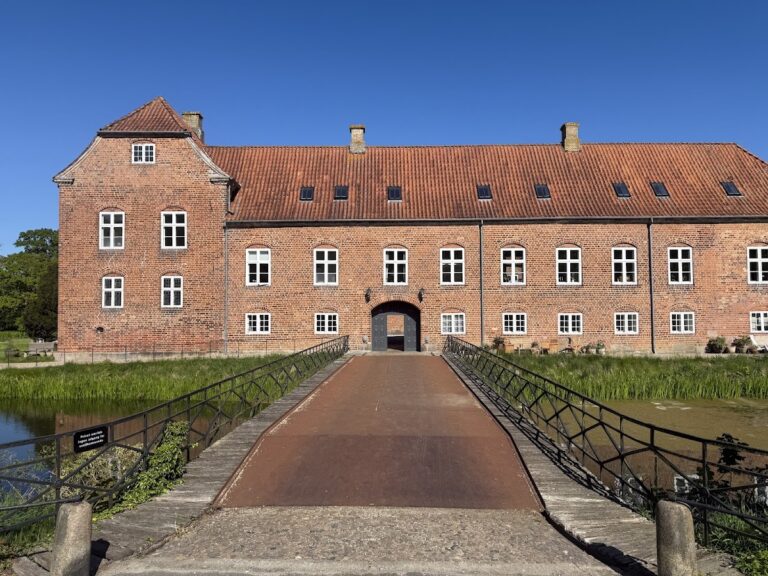
Boller, beside Horsens Fjord in eastern Jutland, developed from a fortified estate first recorded in 1350 into a Renaissance castle and later an…
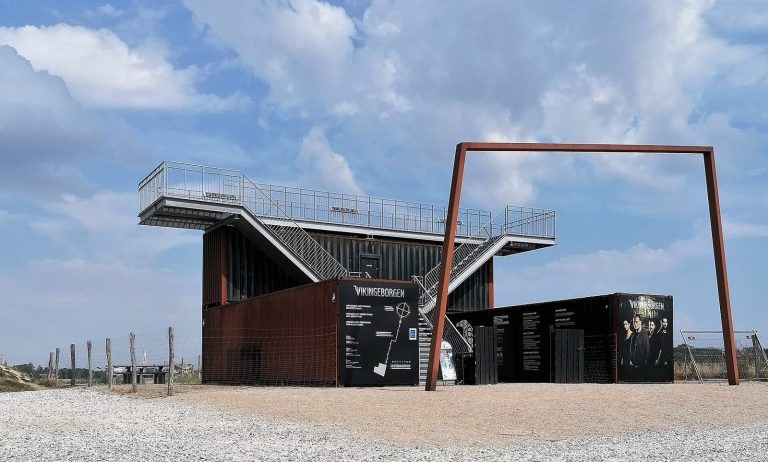
Borgring is a late tenth-century Viking-Age ring fortress on Zealand, associated with the Trelleborg type and identified through modern…
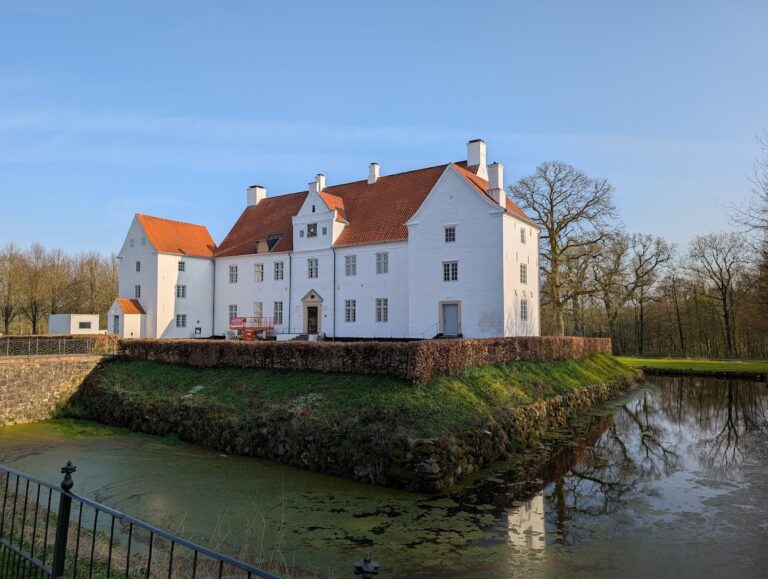
Sønderskov Manor near Brørup preserves the history of a medieval estate, a Renaissance rebuilding after fire, and centuries of changing ownership.…
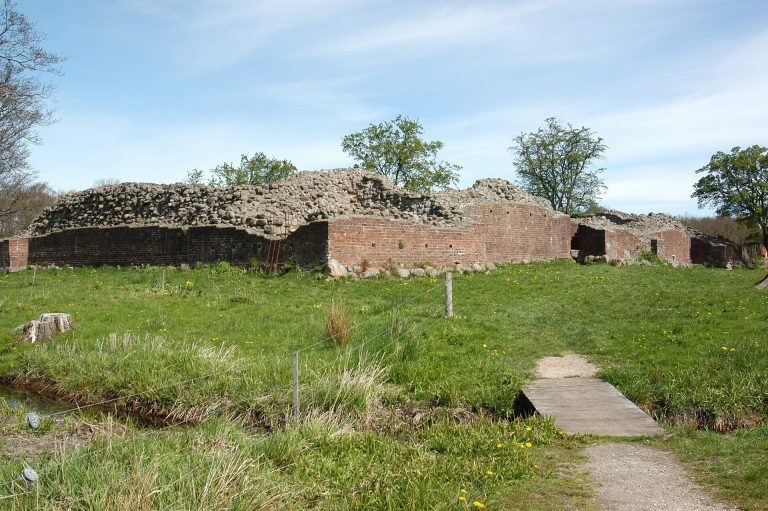
Gurre Castle was a Danish royal residence developed through major medieval building phases. Its ruins preserve a central keep, ring walls, outer…
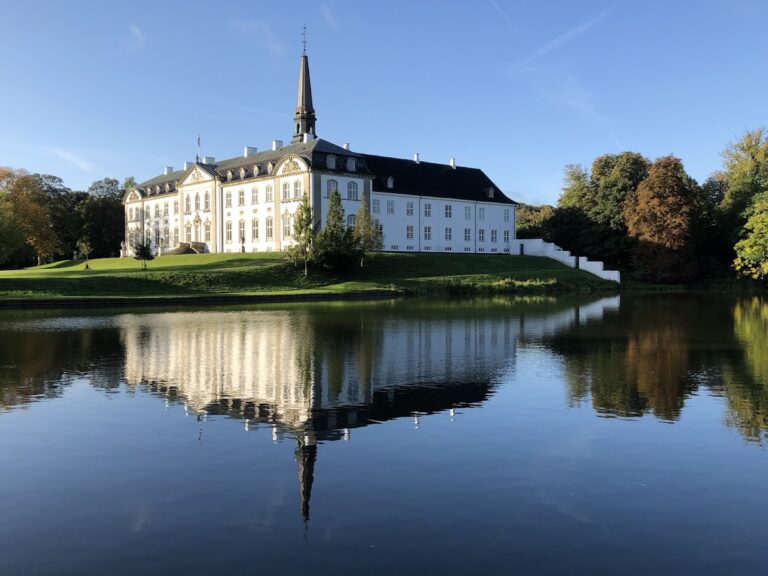
Bregentved is a Danish manor estate whose history reaches back to 1319 and whose present buildings reflect eighteenth- and nineteenth-century…
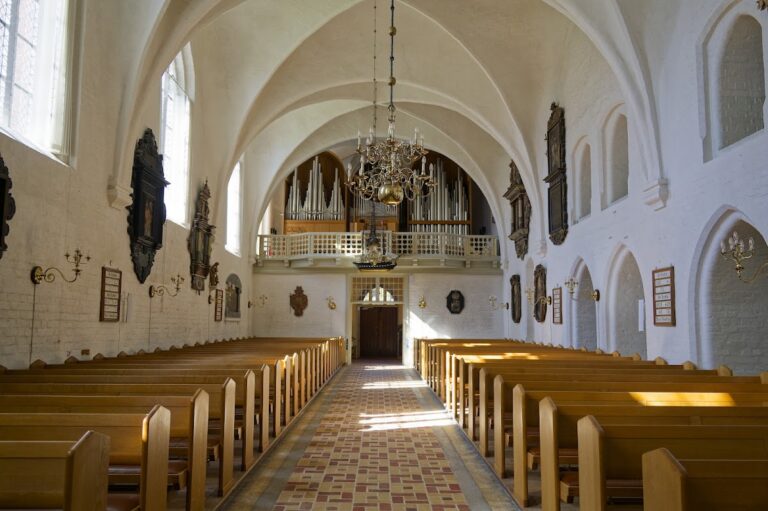
Abbey Church in Nykøbing, Falster, began as a fifteenth-century Franciscan monastery church and later became a Protestant parish church. Its Gothic…
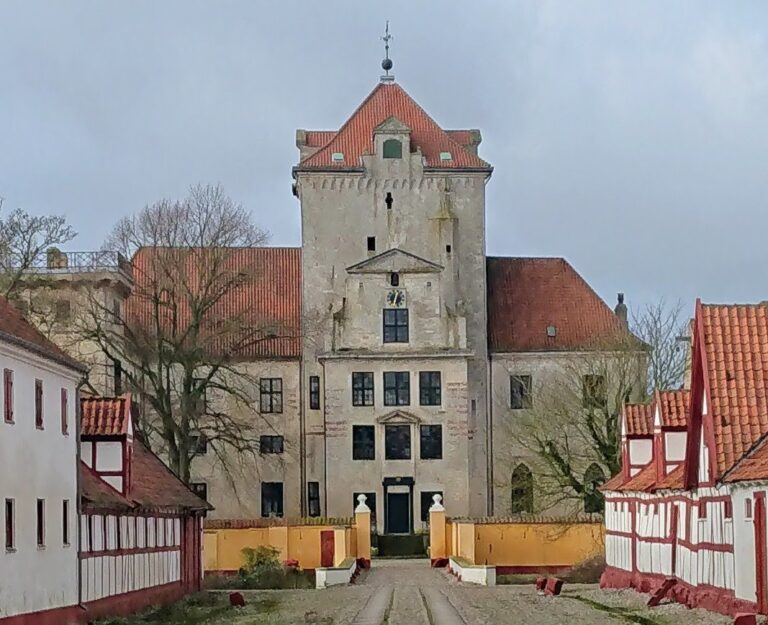
Gjorslev is a well-preserved Gothic castle on the Stevns Peninsula, built around 1400 for the Bishop of Roskilde and later shaped by centuries of…
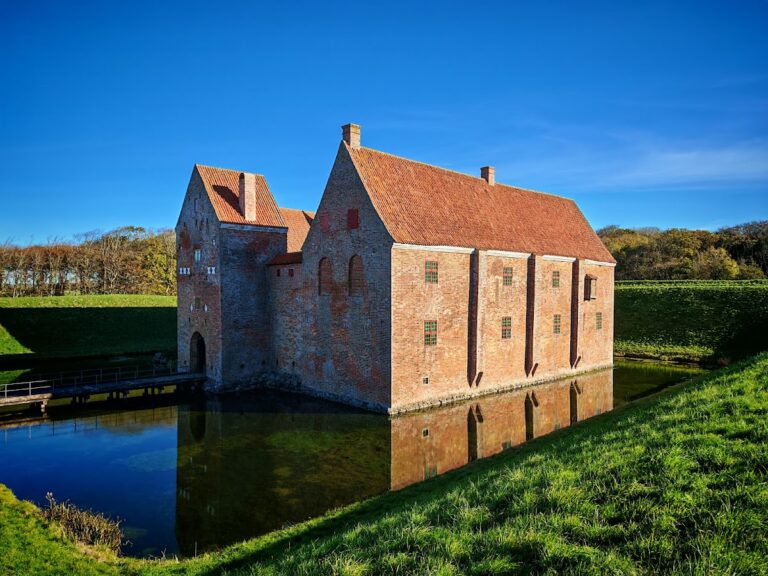
Spøttrup Borg developed from a medieval estate of the Diocese of Viborg into a fortified residence, aristocratic manor, and state-preserved museum.…
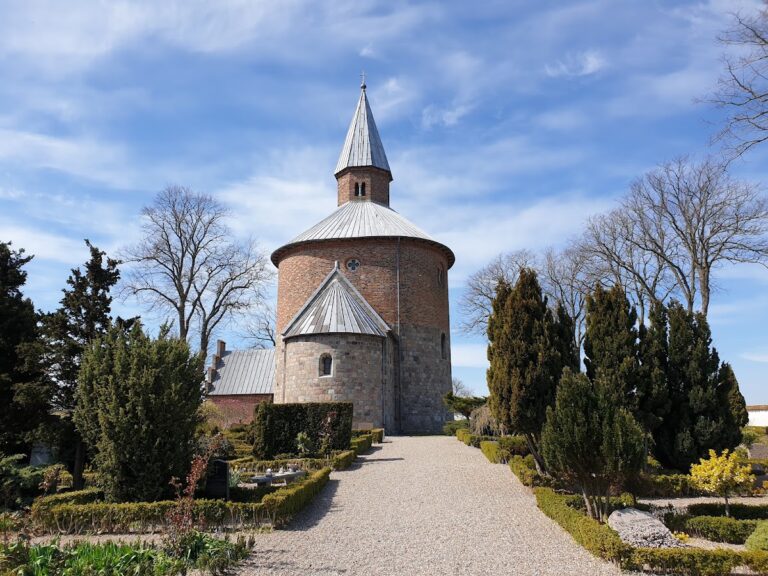
Bjernede Church near Sorø is Denmark’s only surviving round church on Zealand. Founded by the Hvide family, it preserves a rare medieval circular…
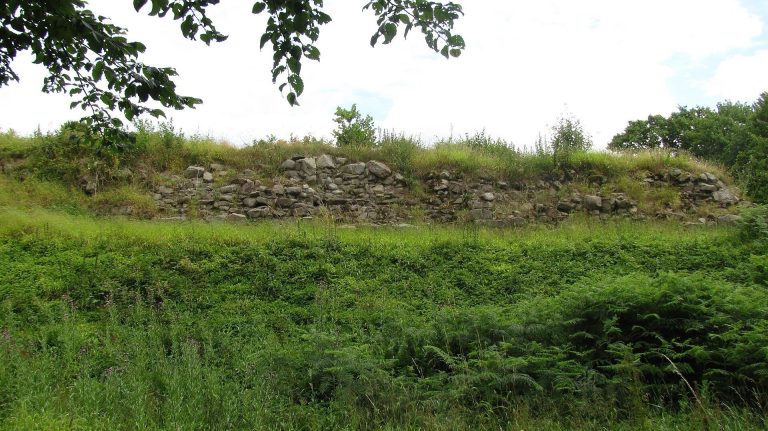
Gamleborg was a major Viking-Age and early medieval stronghold near the centre of Bornholm. Built around 750 and reinforced around 1100, it was…
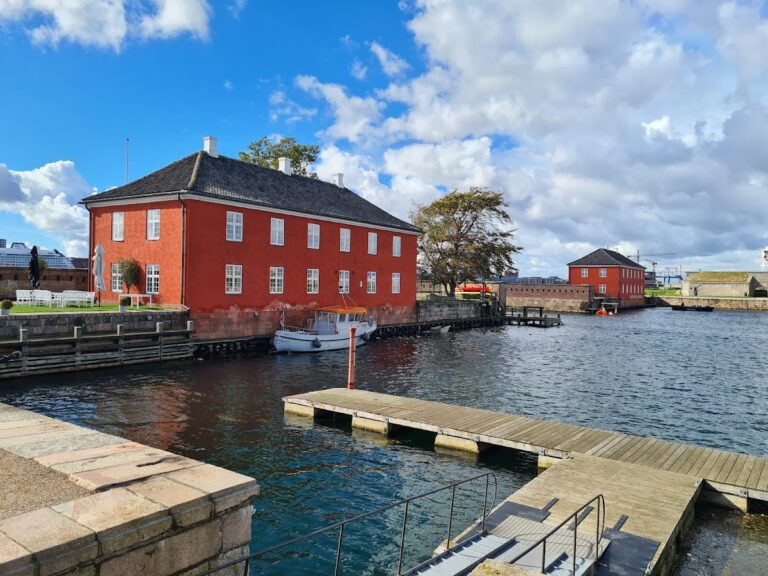
Trekroner Fort is an artificial-island fortification in the Øresund that defended Copenhagen’s harbor from the eighteenth century through the First…
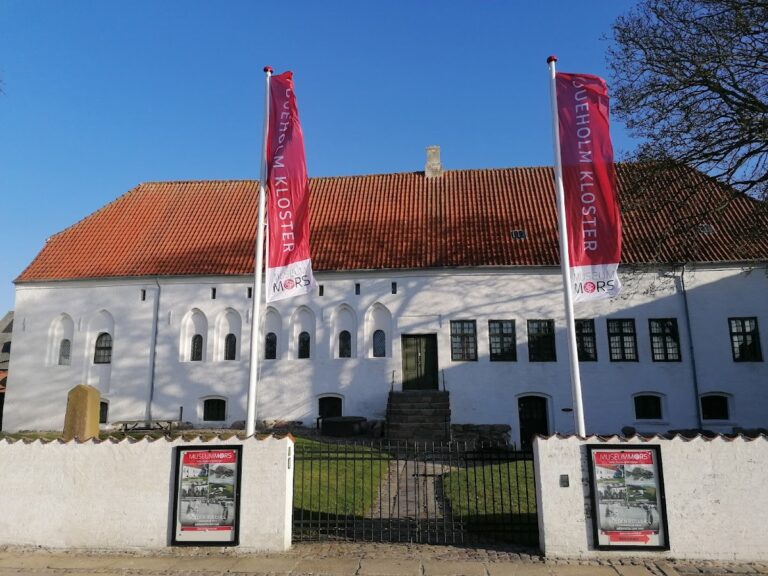
Dueholm Priory in Nykøbing Mors was founded in 1370 for the Knights Hospitaller and developed into a religious, charitable, educational, and…
For details on how to use the maps, which sites are included, how popularity and ratings are determined, and how sites are classified, see the help page.
On this page5 sections
Coastal fortresses and water castles
Hammershus occupies a rocky headland on northwestern Bornholm. Its main castle and outer enclosures were protected by cliffs towards the sea, with walls, a moat and a bridge strengthening the landward approach. The bridge followed a curve that made it harder to bring a battering ram directly against the entrance. Substantial ruined walls trace the sequence of defended spaces across the rock.
Egeskov Castle on Funen is a compact Renaissance water castle founded on oak piles in a small lake. Two long, gabled buildings share a thick double wall containing stairs and a well. The original entrance was reached by drawbridge. Gun openings, firing slits and corner towers supplement the protection of the water, while the paired blocks provide a concentrated arrangement of residential rooms.
Fortified royal residences
Kronborg Castle stands at Helsingør beside the narrowest part of the Øresund. The medieval fortress of Krogen survives partly within the later castle, whose wings developed around the earlier enclosure. Frederick II’s rebuilding joined previously separate structures into a more coherent royal residence.
Rooms for the king, queen and court occupied the north wing alongside the chancellery. An earlier building in the south wing was adapted as the chapel. Outside, successive moats and gateways protected the approach. Royal and administrative rooms occupy the defended enclosure beside the Øresund.
Palaces and ceremonial rooms
Frederiksborg Palace occupies three small islands in Castle Lake at Hillerød. Red-brick wings with pale sandstone decoration, gables and tall spires form the principal residence on the northern island. The King’s Wing, Chapel Wing and Princess’s Wing were completed in successive early-seventeenth-century campaigns, with a lower terrace wing closing the courtyard.
Fire in 1859 destroyed major interiors, and reconstruction forms an important part of the building’s history. The Rose Room was recreated using old paintings, whereas the Audience Chamber largely survived. The latter preserves a late-seventeenth-century decorative scheme combining Renaissance and Baroque elements. The palace therefore contains both extensively rebuilt rooms and substantial historic interiors within the same complex.
Cathedrals and round churches
Roskilde Cathedral is a large red-brick church combining Romanesque and Gothic construction. A raised central nave, lower aisles and vaulted upper galleries lead towards the eastern choir. Its role as a royal burial church prompted repeated additions, with chapels from different periods built around the main medieval structure. Those extensions account for the variety of architectural forms around the cathedral.
Østerlars Church on Bornholm has a circular nave with a large hollow central support. Its three storeys accommodate the church below and upper spaces associated with refuge, storage and defence. Narrow passages restrict access between levels. Medieval paintings run around the central pillar, while the familiar conical roof belongs to a later phase that covered the upper gallery. The building’s compact plan brings worship and protected upper rooms into a single thick-walled structure.
Explore the collection
Explore sites on the map or in the grid. Map icons indicate each site’s primary function, helping you identify different kinds of places at a glance. Narrow the results by primary function, site type, civilization or era, with additional filters for popularity and rating. Select a map marker to view the site’s details and open its article, or open the article from its grid entry.