Historic Sites in Denmark: Explore Castles, Royal Palaces and Medieval Churches
Explore more than 100 historic sites in Denmark, including coastal fortresses, moated residences, royal palaces and medieval churches. Examples on Bornholm, Funen and Zealand show how these buildings used cliffs, lakes and enclosed courtyards. Surviving interiors include royal rooms, burial chapels and the painted central support of a round church.
Primary Function: All
Type: All
Civilization: All
Popularity: All
Rating: All
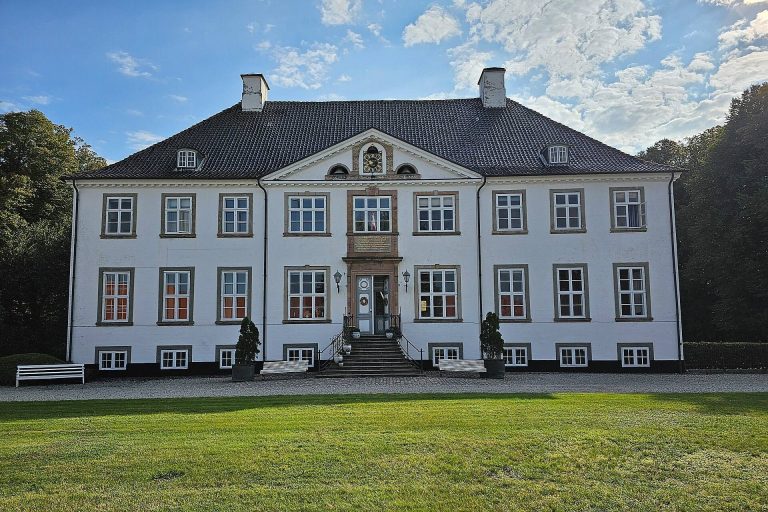
Gunderslevholm is a Danish manor house and estate with medieval origins, a Baroque main building from 1729, and a long succession of noble owners…
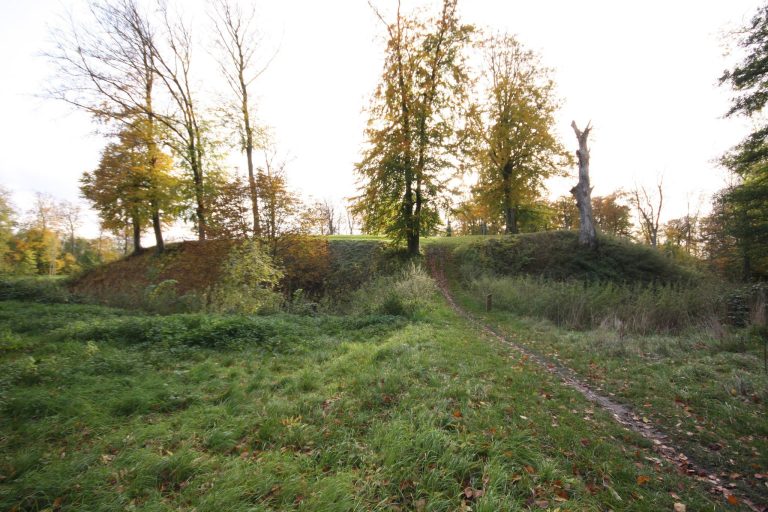
Næsbyhoved Slot was a royal manor and fortified residence north of Odense, serving as the administrative center of a large royal fief before its…
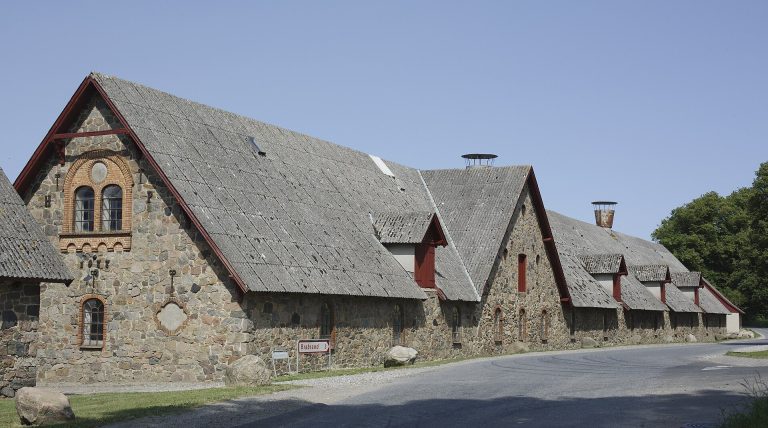
Constantinsborg is a manor estate near Aarhus whose history reaches back to the early fifteenth century. Its present Neoclassical house, earlier…
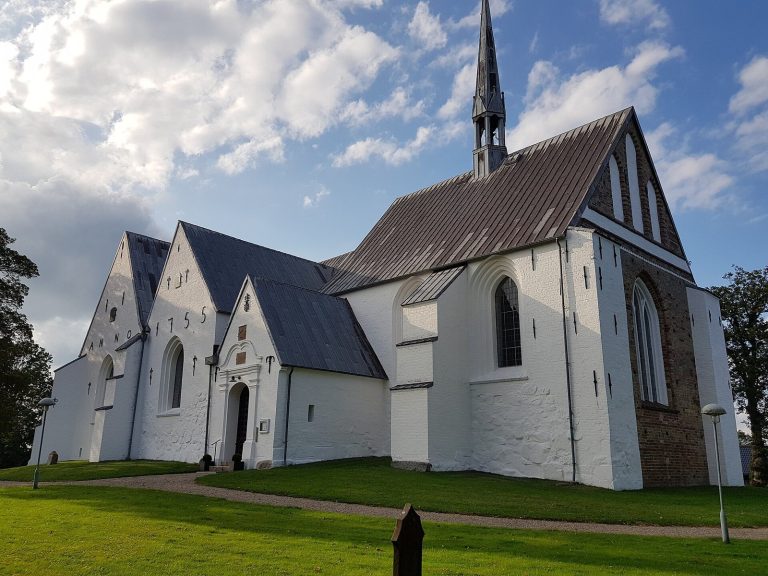
Kliplev Church in southern Denmark developed from a medieval parish church into a major fifteenth-century pilgrimage site. Its fabric and furnishings…
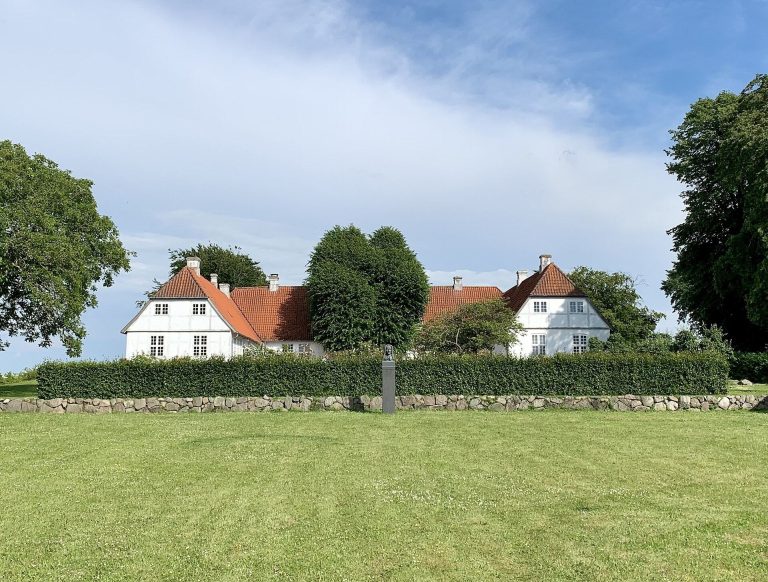
Tersløsegaard developed from a medieval estate into the home of Ludvig Holberg and later became a preserved cultural property associated with Sorø…
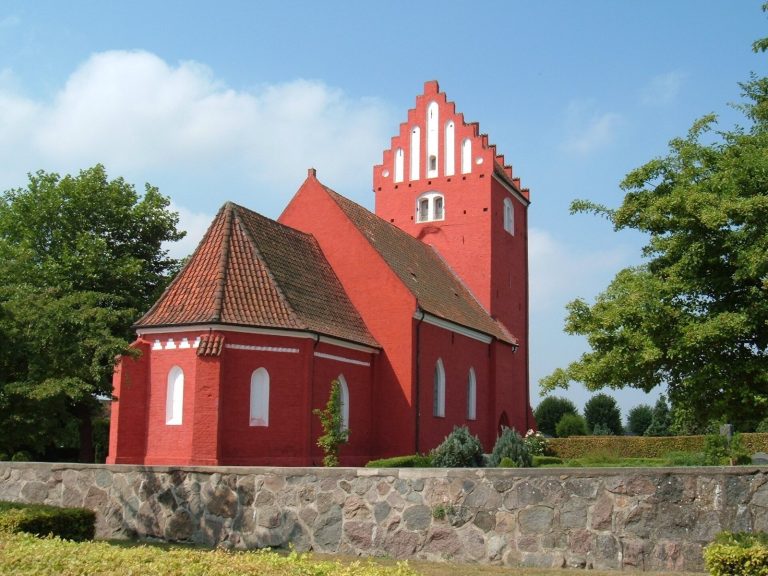
Nørre Alslev Church in Falster preserves medieval frescoes, including a rare death-dance scene, alongside Early Gothic brickwork and later…
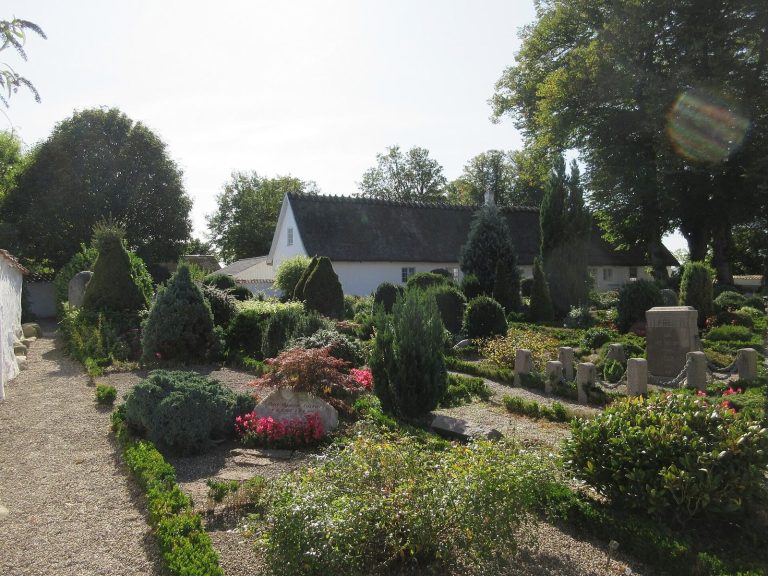
Undløse Church in northern Zealand preserves Romanesque fabric, a Gothic chancel, late-medieval frescoes, and richly carved furnishings shaped by…
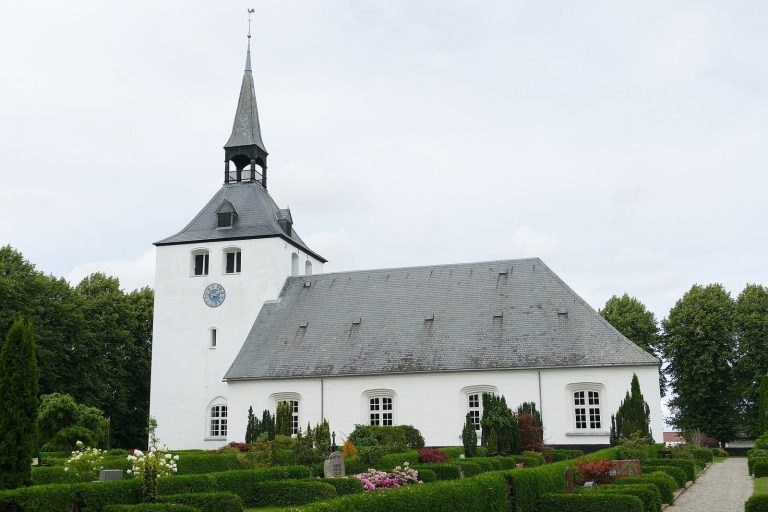
Lysabild Church on Als preserves a medieval Holy Blood tradition, Romanesque brick architecture, later additions, wall paintings, historic…
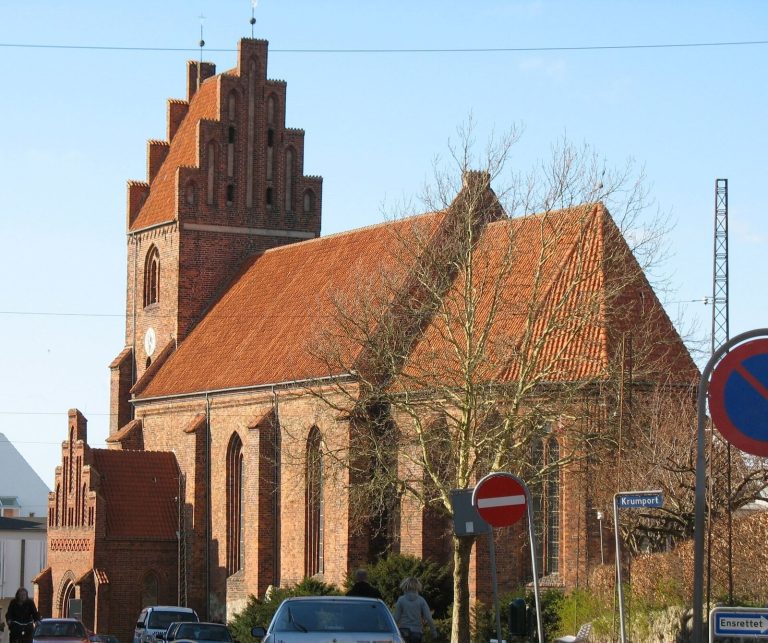
St Martin's Church in Næstved is a medieval brick Gothic parish church dedicated to St Martin of Tours, with surviving frescoes, historic…
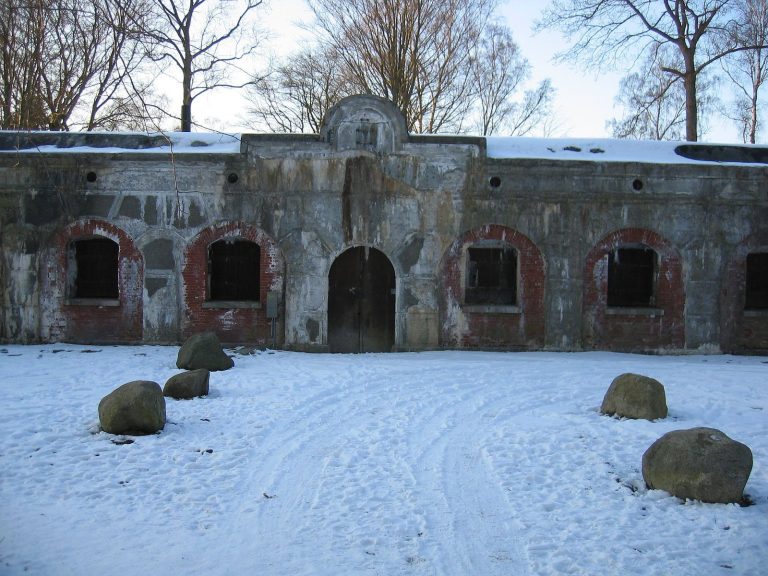
Fortunfortet is a late nineteenth-century fort near Kongens Lyngby, built to defend Copenhagen and protect Dyrehaven. Its triangular plan, dry moat,…
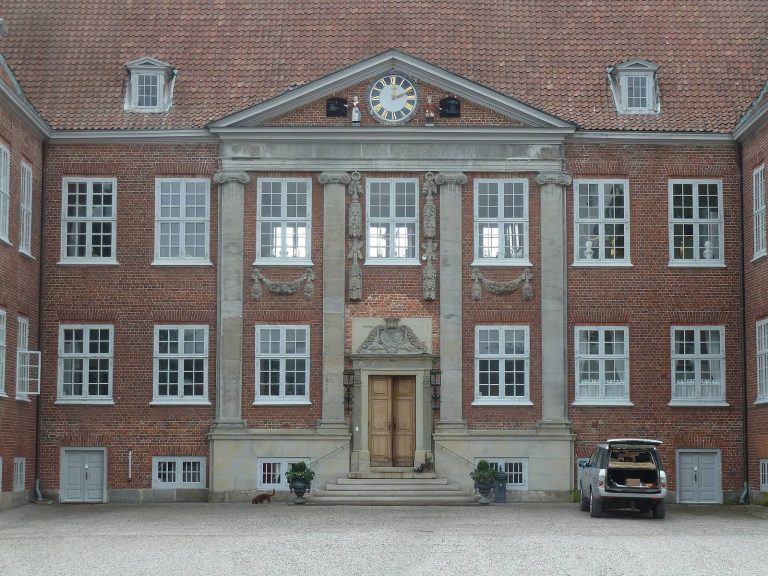
Built near Præstø in 1673, Nysø Manor is regarded as Denmark’s first manor house designed in the Baroque style and became an important cultural…
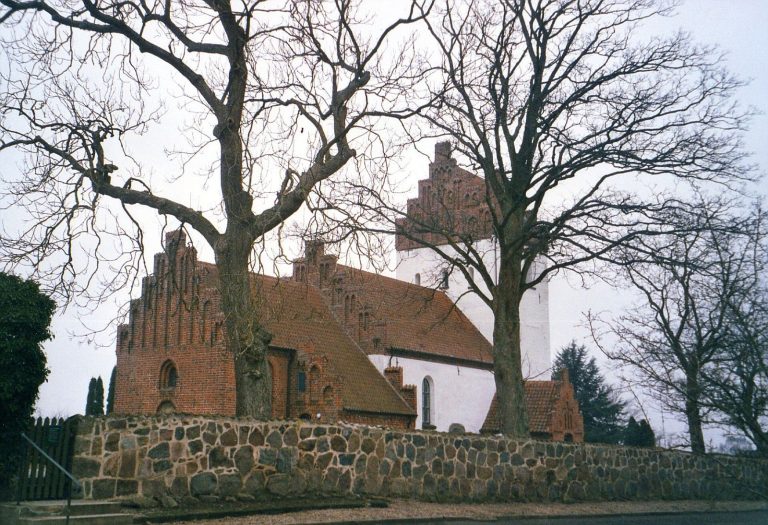
Jørlunde Church in northern Zealand preserves a Romanesque stone building, medieval frescoes, later Gothic alterations, and furnishings ranging from…
For details on how to use the maps, which sites are included, how popularity and ratings are determined, and how sites are classified, see the help page.
On this page5 sections
Coastal fortresses and water castles
Hammershus occupies a rocky headland on northwestern Bornholm. Its main castle and outer enclosures were protected by cliffs towards the sea, with walls, a moat and a bridge strengthening the landward approach. The bridge followed a curve that made it harder to bring a battering ram directly against the entrance. Substantial ruined walls trace the sequence of defended spaces across the rock.
Egeskov Castle on Funen is a compact Renaissance water castle founded on oak piles in a small lake. Two long, gabled buildings share a thick double wall containing stairs and a well. The original entrance was reached by drawbridge. Gun openings, firing slits and corner towers supplement the protection of the water, while the paired blocks provide a concentrated arrangement of residential rooms.
Fortified royal residences
Kronborg Castle stands at Helsingør beside the narrowest part of the Øresund. The medieval fortress of Krogen survives partly within the later castle, whose wings developed around the earlier enclosure. Frederick II’s rebuilding joined previously separate structures into a more coherent royal residence.
Rooms for the king, queen and court occupied the north wing alongside the chancellery. An earlier building in the south wing was adapted as the chapel. Outside, successive moats and gateways protected the approach. Royal and administrative rooms occupy the defended enclosure beside the Øresund.
Palaces and ceremonial rooms
Frederiksborg Palace occupies three small islands in Castle Lake at Hillerød. Red-brick wings with pale sandstone decoration, gables and tall spires form the principal residence on the northern island. The King’s Wing, Chapel Wing and Princess’s Wing were completed in successive early-seventeenth-century campaigns, with a lower terrace wing closing the courtyard.
Fire in 1859 destroyed major interiors, and reconstruction forms an important part of the building’s history. The Rose Room was recreated using old paintings, whereas the Audience Chamber largely survived. The latter preserves a late-seventeenth-century decorative scheme combining Renaissance and Baroque elements. The palace therefore contains both extensively rebuilt rooms and substantial historic interiors within the same complex.
Cathedrals and round churches
Roskilde Cathedral is a large red-brick church combining Romanesque and Gothic construction. A raised central nave, lower aisles and vaulted upper galleries lead towards the eastern choir. Its role as a royal burial church prompted repeated additions, with chapels from different periods built around the main medieval structure. Those extensions account for the variety of architectural forms around the cathedral.
Østerlars Church on Bornholm has a circular nave with a large hollow central support. Its three storeys accommodate the church below and upper spaces associated with refuge, storage and defence. Narrow passages restrict access between levels. Medieval paintings run around the central pillar, while the familiar conical roof belongs to a later phase that covered the upper gallery. The building’s compact plan brings worship and protected upper rooms into a single thick-walled structure.
Explore the collection
Explore sites on the map or in the grid. Map icons indicate each site’s primary function, helping you identify different kinds of places at a glance. Narrow the results by primary function, site type, civilization or era, with additional filters for popularity and rating. Select a map marker to view the site’s details and open its article, or open the article from its grid entry.