St Martin’s Church: A Medieval Parish Church in Næstved, Denmark
Site at a Glance
- Rating
- 4.5
- Popularity
- Very Low
- Country
- Denmark
- Primary era
- Medieval
- External website
- Open
- Eras represented
- Medieval, Early Modern, Modern
- Civilizations
- Danish
- Site type
- Religious
- Remains
- Church
On this page7 sections
History
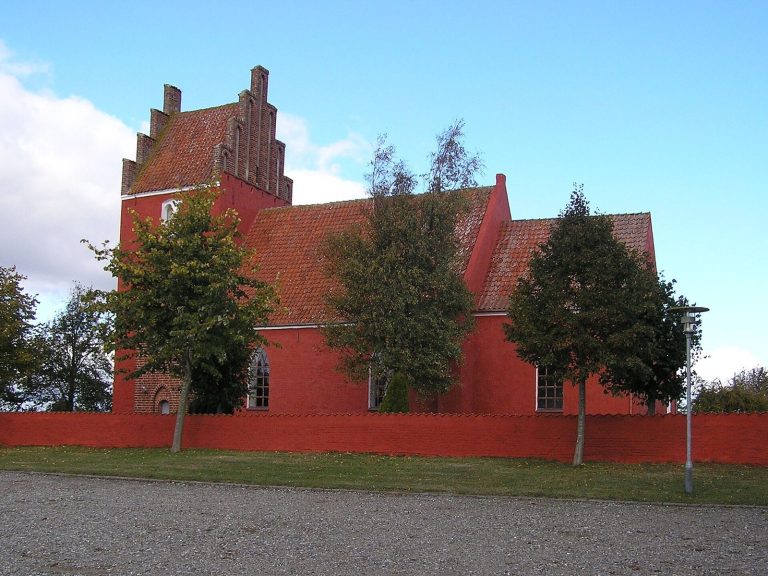
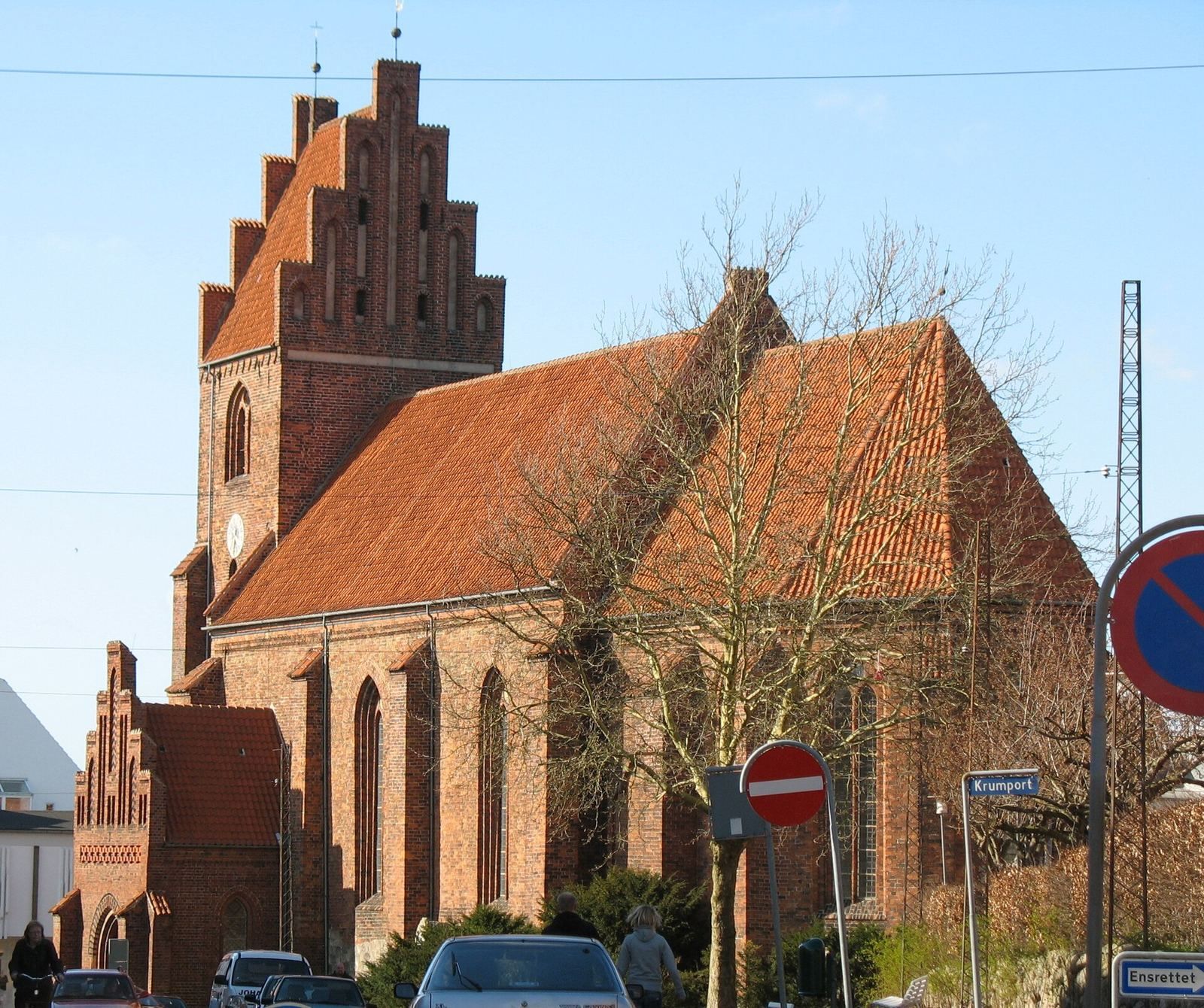
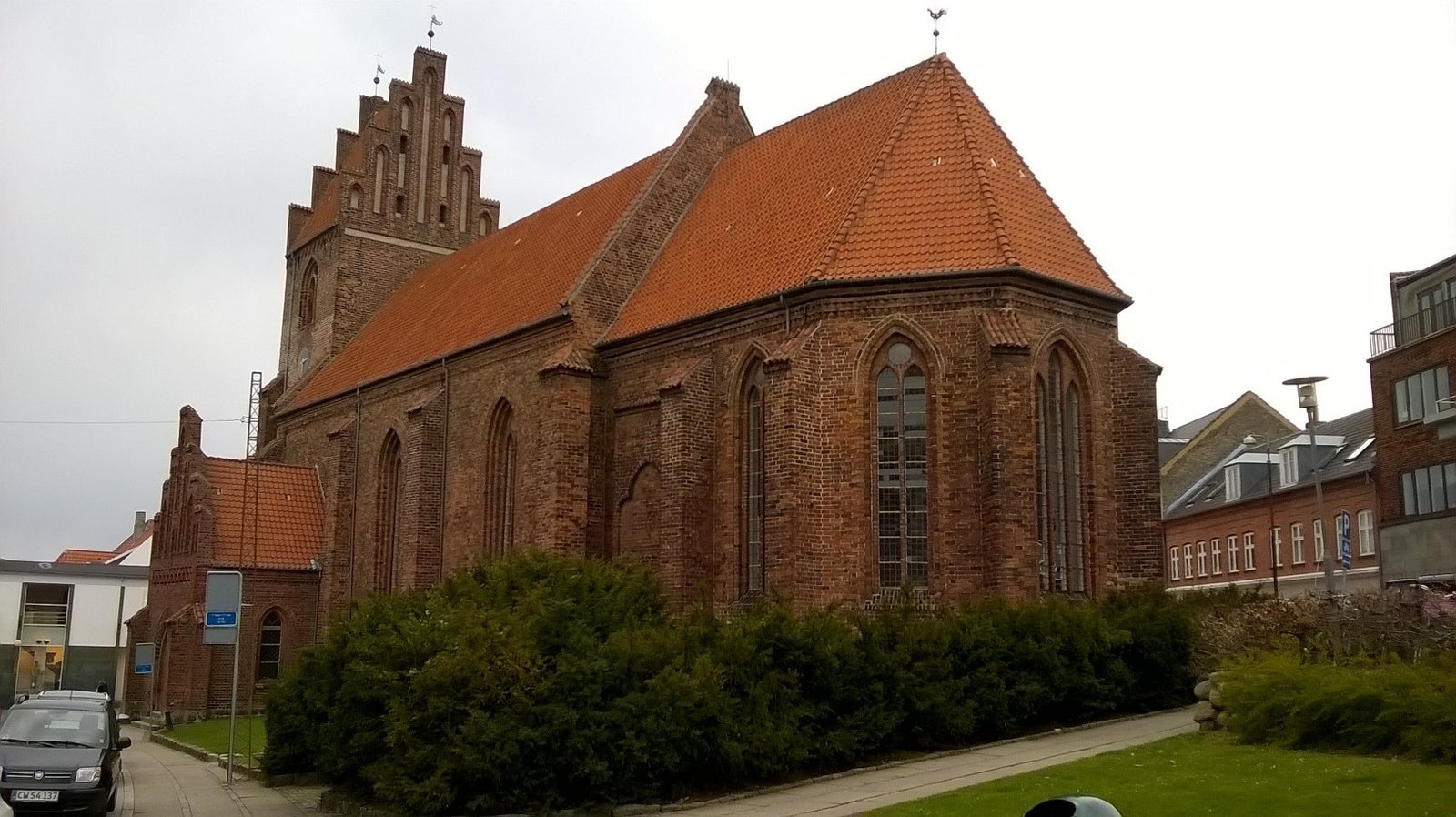
St Martin’s Church is a medieval parish church in Næstved, Denmark, built around 1200 in the Gothic period and dedicated to St Martin of Tours. It served as Næstved’s parish church and was formerly Catholic before becoming part of the Church of Denmark, Denmark’s established Lutheran church. The church is documented in records from approximately 1280.
Medieval Parish Church
The church developed as a religious centre for the medieval town. Its surviving structure incorporates Early Gothic and Late Gothic elements, reflecting changes made over time. St Martin of Tours, a fourth-century Christian bishop and saint associated with sharing his cloak with a beggar, remains the church’s patron saint.
Later Additions and Continuing Use
A tower was added during the fifteenth century. The baptismal chapel and porch were completed in the 1850s. St Martin’s remains in functional use and is one of five Church of Denmark churches in Næstved, alongside St Peter’s Church, St John’s Church, Herlufsholm Church, and Holsted Church.
Remains
St Martin’s Church is a brick Gothic building whose oldest surviving parts date from the 1220s. Its fabric combines Early Gothic, Late Gothic, and Baroque elements. The church stands on Riddergade, while St Peter’s Church occupies the perpendicular Købmagergade. Together, the building’s medieval brickwork and later additions express its long architectural development.
Medieval Paintings
The arches contain a portrait of St Martin, and the interior preserves numerous period frescoes. A fresco is a wall painting made as part of an architectural surface, traditionally on wet plaster. One painting shows Martin as a soldier on horseback cutting a piece from his officer’s cap and giving it to a beggar, recalling the act for which the saint is widely known.
Altar and Pulpit
The approximately six-metre-high altarpiece dates from 1667. An altarpiece is the decorated structure placed behind or above an altar. Its figures wear grotesque masks or moustaches, and some are shown stooping. The work is attributed to the woodcarver Abel Schrøder, who also served as the church’s organist for forty-two years. The pulpit was made by Schrøder’s father. A pulpit is the raised structure from which sermons are delivered.
Organs
The first organ was installed in 1587. It was made by Hans Brebus, a Flemish organ builder active in Denmark and Sweden. The present Frobenius organ dates from 1975, continuing the church’s tradition of organ use in a later instrument.