Castles in Serbia: Explore River Strongholds, Fortified Palaces and Monastery Towers
Castles in Serbia include extensive Danube enclosures, smaller forts on steep rock and religious compounds protected by towers. The collection also extends to fortified palaces and later country residences. Their different purposes appear in the buildings themselves: gateways built for cannon, walls enclosing a princely court, a Roman palace with decorated floors, and churches standing within medieval defences.
Primary Function: All
Type: All
Civilization: All
Popularity: All
Rating: All
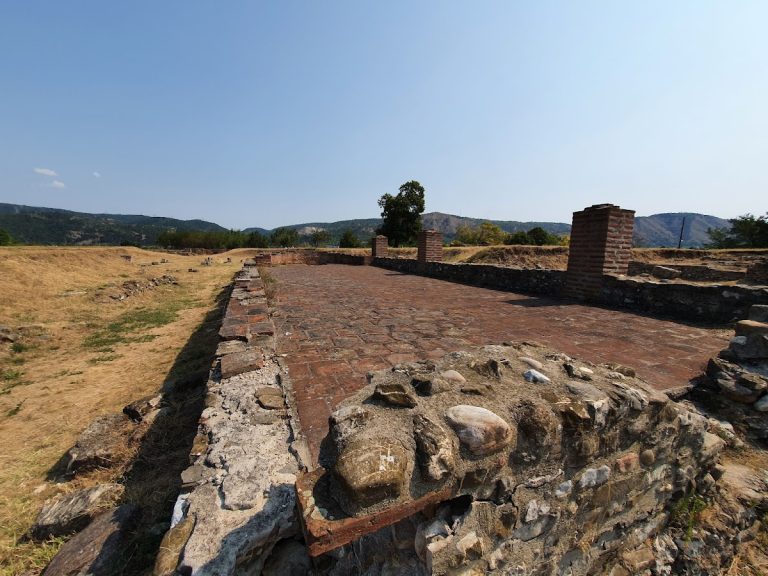
Roman Fortification Diana guarded the Danube frontier and a canal bypassing its cataracts. Rebuilt several times from the first century through the…
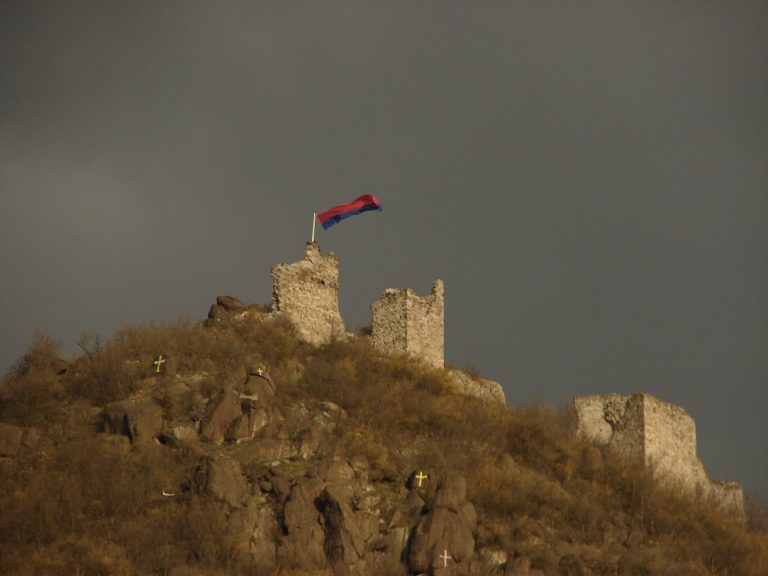
Zvečan Fortress is a medieval Serbian stronghold that controlled important routes near the Ibar River, served as a royal residence, and later housed…
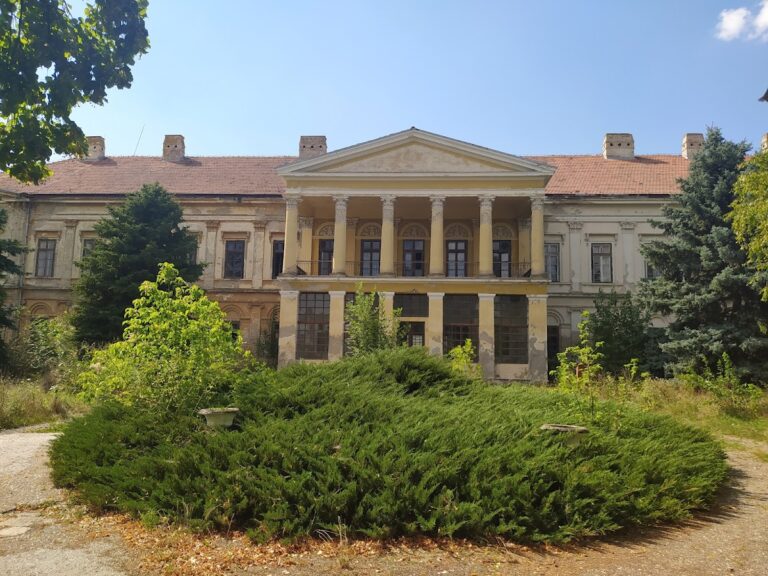
Built between 1842 and 1846 for László Karátsonyi, the Karácsonyi Mansion is a Neoclassical residence associated with the historic estate of Beodra…
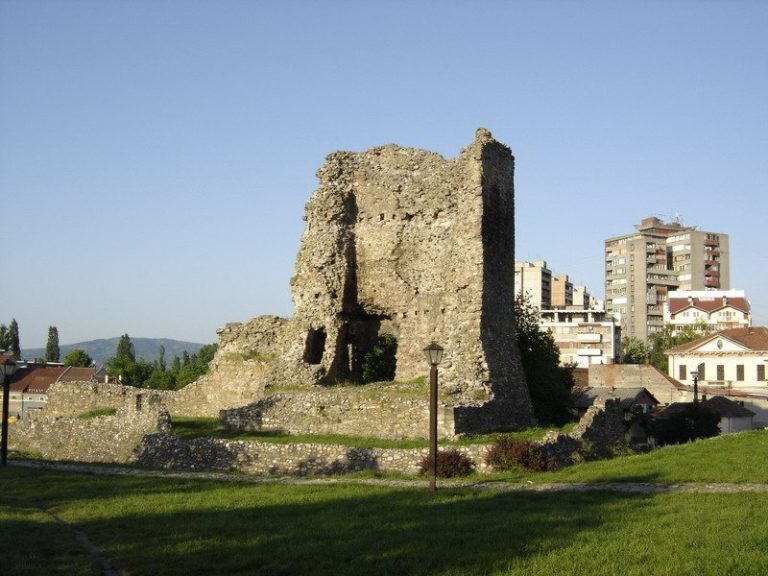
Kruševac Fortress was the medieval capital and residence of Prince Lazar Hrebeljanović and the seat of Moravian Serbia. Its surviving remains include…
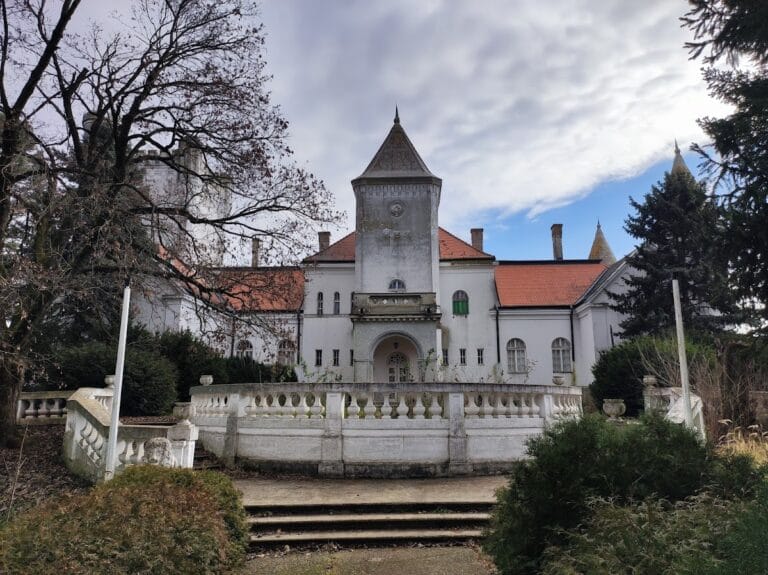
Fantast Castle, also known as Dunđerski Palace, was built between 1919 and 1925 as Bogdan Dunđerski’s private residence. The estate includes a…
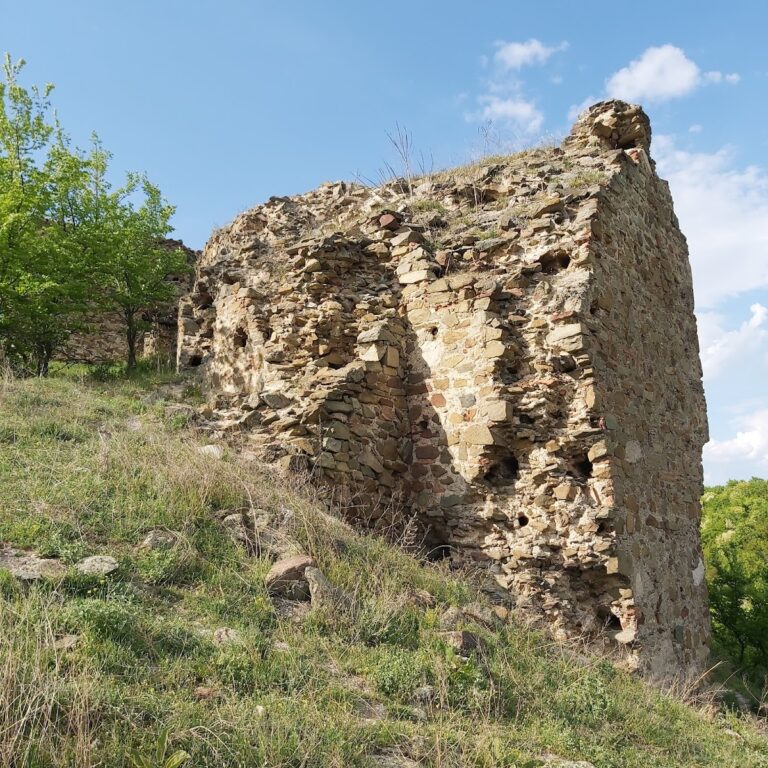
Kurvingrad, also known as Koprijan, is a medieval Serbian fortress whose position above the South Morava connected Roman, Byzantine, Serbian, and…
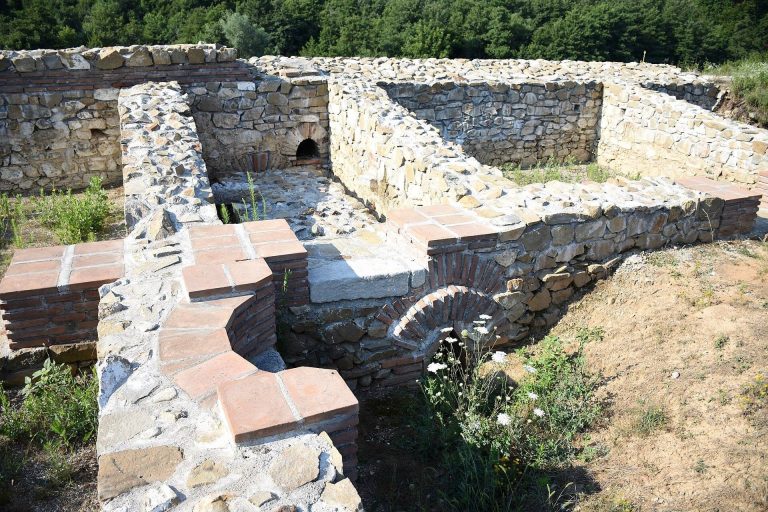
The Roman Imperial Palace at Šarkamen in Serbia was a Late Antique residential and memorial complex built for Emperor Maximinus Daia during the…
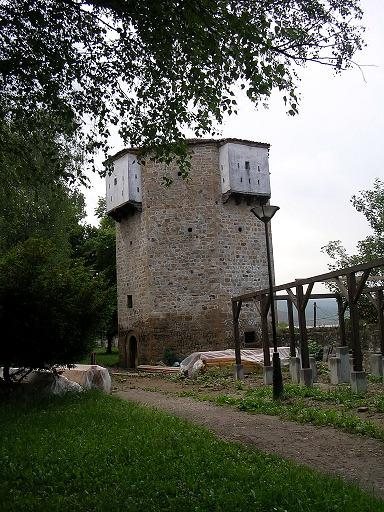
Novi Pazar Fortress is a partially surviving Ottoman fortification in central Novi Pazar, with disputed origins, later artillery defenses, and an…
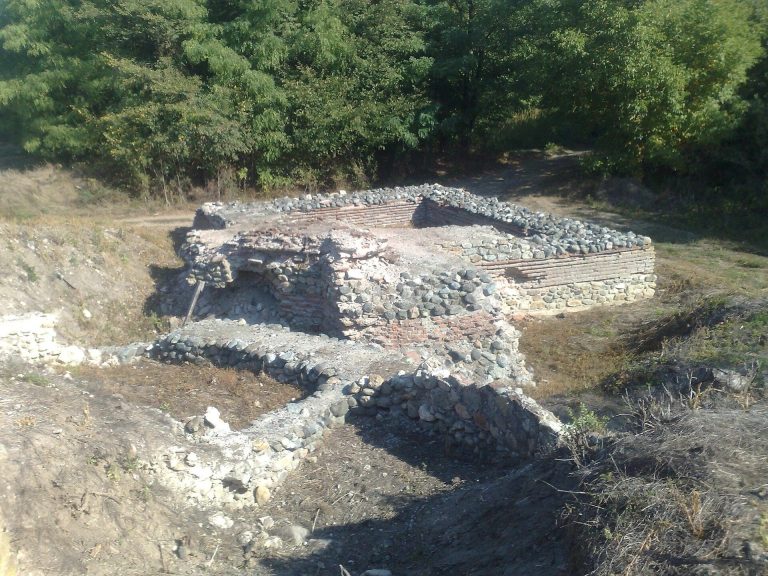
Timacum Minus was a Roman military site and settlement in Serbia’s Timok Valley, linked to regional roads, mining, and frontier administration from…
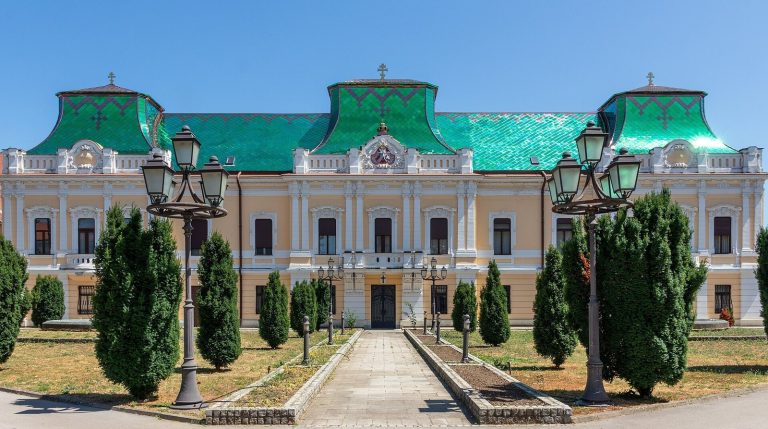
Built between 1750 and 1757 for the Orthodox bishops of the Eparchy of Banat, the Bishop's Palace in Vršac combines an originally Neoclassical…
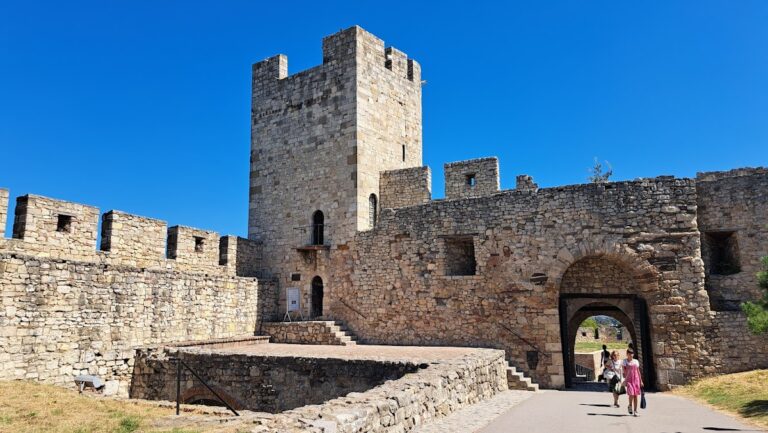
Despot Stefan Tower, or Dizdar Tower, formed part of the principal medieval entrance to Belgrade Fortress. Built around 1405, it later became the…
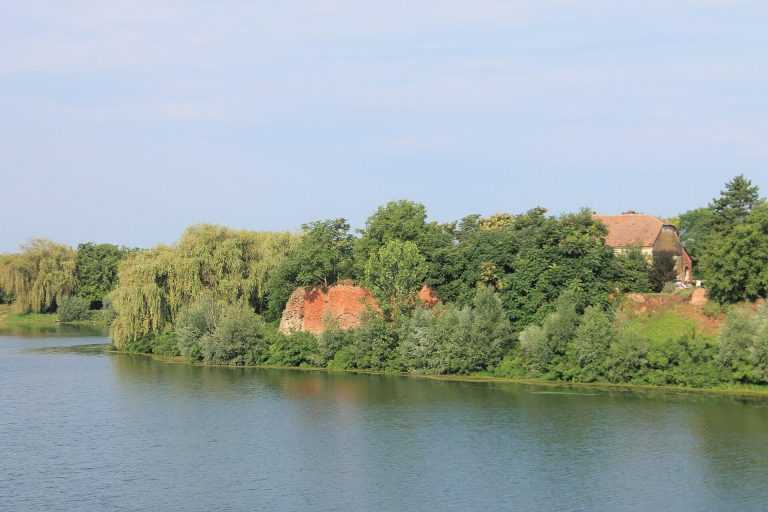
Morović Fortress is a medieval stronghold at the confluence of the Studva and Bosut rivers. Its uncertain origins, changing rulers, and surviving…
For details on how to use the maps, which sites are included, how popularity and ratings are determined, and how sites are classified, see the help page.
On this page6 sections
Smederevo and Maglič: enclosures shaped by rivers
Smederevo Fortress spreads across a triangular site at the confluence of the Danube and Jezava. A smaller defended triangle at its apex formed the princely residence, while the larger enclosure protected the adjoining settlement. Tall square towers divide the long wall faces.
The rivers protected two sides, supplemented by artificial moats; the Jezava has since been diverted. Wartime bombardment and the ammunition explosion of 1941 damaged the fortress, followed by substantial conservation. The relationship between the inner residence and larger fortified town remains visible in the surviving plan.
Maglič Castle occupies a much narrower hill above a bend in the Ibar. Eight towers and connecting walls enclose the remains of a palace, barracks, houses and a church. The main entrance lies to the north, with a smaller exit within a southeastern tower. Here, steep slopes and a restricted summit produce a compact stronghold rather than a broad riverside settlement.
Ram Fortress: cannon chambers above the Danube
Ram Fortress has a small, irregular pentagonal plan with five towers. Cannon openings occupy the lower fighting levels, while separate tower entrances and external stairs controlled access to the rooms above. A ditch and low outer walls added protection beyond the main enclosure.
Stone walls incorporate brick arches and vaults. Modern restoration rebuilt damaged towers and connecting masonry, including major reconstruction of one largely collapsed tower. The arrangement of embrasures and protected rooms nevertheless makes its Ottoman artillery role clear: the buildings were designed to accommodate guns and their crews above the river.
Ravanica: a decorated church behind surviving towers
Ravanica Monastery retains three defensive towers and part of the northern wall from a formerly larger enclosure. The Church of the Ascension stands within the compound, combining a domed plan with apses projecting from the body of the building.
Alternating stone and brick, ceramic ornament and carved reliefs articulate the exterior. Inside, surviving medieval frescoes include religious narratives and warrior saints, although large areas of painting have been lost. The standing church and remaining defensive towers preserve both parts of the complex’s purpose: a place of worship and a protected community.
Felix Romuliana: a Roman palace within two defensive circuits
Felix Romuliana was commissioned by the emperor Galerius. Two successive wall circuits, with different tower arrangements, surround palace buildings, temples, baths and service spaces. The substantial gateways and defensive masonry give the enclosure a presence beyond the low walls of individual rooms.
Within the palace area, decorated floors include geometric mosaics and stone inlay. An entrance hall retains marble paving and columns of contrasting stones. These remains link the fortified perimeter to an imperial residence, rather than a garrison alone. Later occupation adapted the complex into an early Byzantine settlement.
Fantast: a twentieth-century residence with a painted chapel
Fantast Castle was built for Bogdan Dunđerski between 1919 and 1925. Neo-Gothic towers accompany a reception hall and entrances in a different, Neo-Classical style. The estate also includes a stable complex and a funerary chapel dedicated to St George.
The chapel contains decoration by Uroš Predić, including mosaics at its portal. The castle’s original lavish furnishings were lost, so its towered exterior should not imply a complete surviving domestic interior. Fantast adds a later residential estate to the same map as the medieval and ancient fortifications.
Explore the collection
Explore sites on the map or in the grid. Map icons reflect each site’s primary function, helping you identify different kinds of places at a glance. Narrow this collection by primary function, by a site type within the castle and residence group, or by civilization and era. Additional filters cover popularity and rating. Select a map marker to view the site’s details and open its article, or open the article from its grid entry.